Targeting Leukemic Stem Cells: The Advancement of JNJ-63709178 in AML Therapy
CD123, a component of the interleukin-3 receptor, is found on the surface of AML cells and LSCs. A bispecific antibody, JNJ-63709178, has been developed to target these CD123+ cells. Utilizing Genmab's DuoBody technology, this antibody is designed to bind to both CD123 on cancer cells and CD3 on T-cells. As a humanized IgG4 bispecific antibody with a silenced Fc function, it can effectively recruit T-cells to attack tumor cells that express CD123.
In vitro studies have shown that JNJ-63709178 can effectively kill tumor cells (MOLM-13, OCI-AML5, and KG-1) with an EC50 range of 0.51-0.91 nM. Importantly, it does not affect CD123- cell lines, indicating a high level of specificity. The effectiveness of this antibody is also linked to the activation of T-cells and the release of cytokines such as TGF-β and TNF-α. Control antibodies lacking a functional arm did not induce cytotoxicity or T-cell activation.
In murine models of AML, JNJ-63709178 was able to suppress tumor growth and induce regression, correlating with T-cell infiltration and the expression of T-cell activation markers. Furthermore, the antibody was able to eliminate primary CD123+ cancer cells from AML patient blood samples without the need for additional T-cells.
Pharmacokinetic studies in cynomolgus monkeys suggest a dosing frequency of twice weekly for human trials. Currently, JNJ-63709178 is being evaluated in a Phase 1 clinical trial for relapsed and refractory AML patients. The study is registered at ClinicalTrials.gov with the ID: NCT02715011.
Several authors are affiliated with Janssen Pharmaceuticals R&D and have various disclosures including employment, stock options, and pending patents.
How to Use Synapse Database to Search and Analyze Translational Medicine Data?
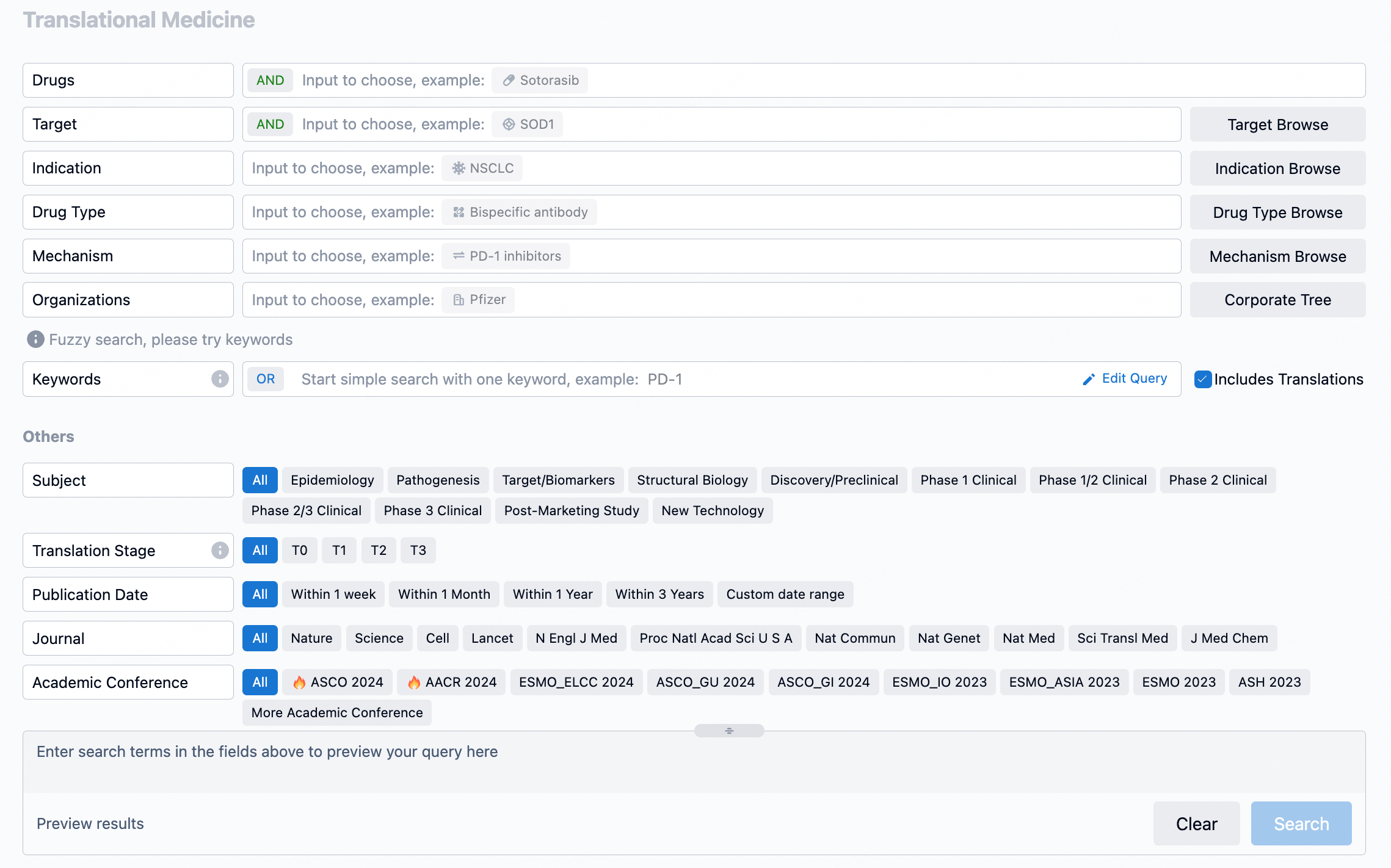
The transational medicine section of the Synapse database supports searches based on fields such as drug, target, and indication, covering the T0-T3 stages of translation. Additionally, it offers a historical conference search function as well as filtering options, view modes, translation services, and highlights summaries, providing you with a unique search experience.
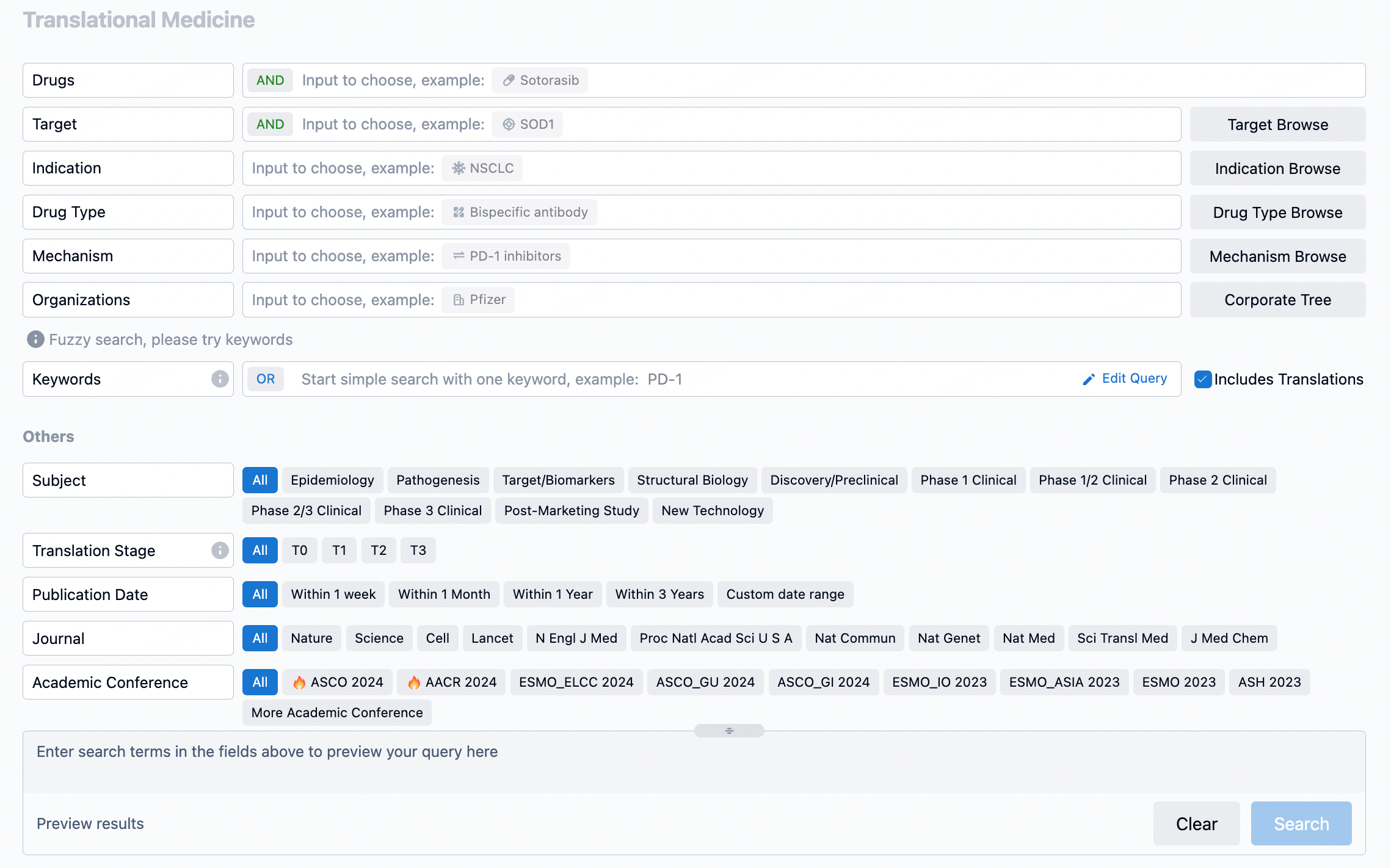
Taking obesity as an example, select "obesity" under the indication category and click search to enter the Translational Medicine results list page. By clicking on the title, you can directly navigate to the original page.
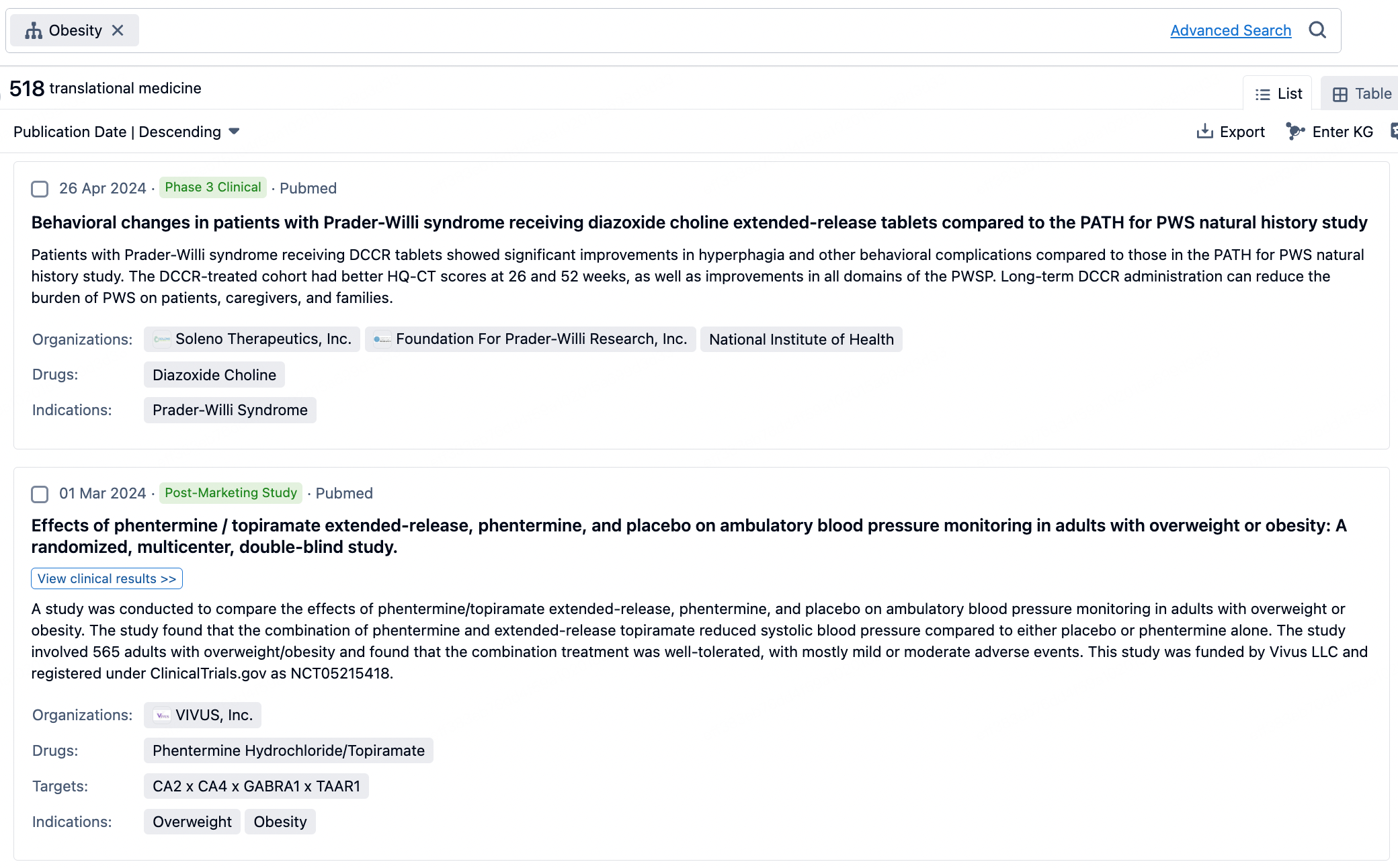
By clicking the analysis button, you can observe that GLP-1R treatment for obesity has gained significant attention over the past three years, with preclinical research still ongoing in 2023. Additionally, there are emerging potential targets, such as GDF15, among others.
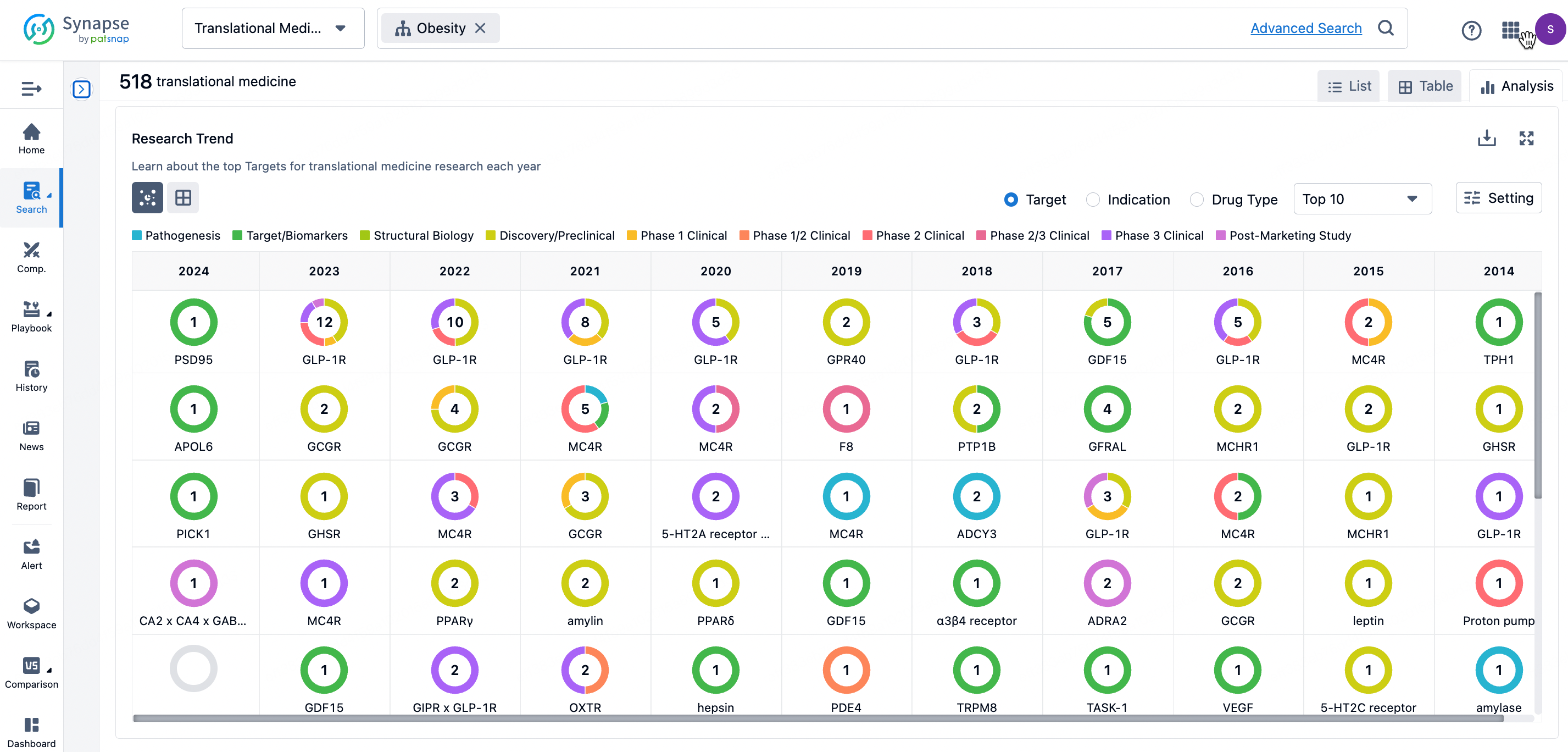
Click on the image below to go directly to the Translational Medicine search interface.