Unlocking the Potential of a Novel MDM2 Antagonist in Activating Wild-Type p53 and Triggering Apoptosis in AML: A Comprehensive Overview
The study introduces a new and potent MDM2 inhibitor and examines its effects on AML in both laboratory and animal models, as well as in cells derived from AML patients. Various p53-normal AML cell lines were exposed to the compound and their proliferation was measured using a specific assay. The induction of cell death was determined through flow cytometry with the aid of fluorescent markers. The compound's interaction with its target was analyzed using specific protein and gene expression techniques. An animal model was also used to evaluate the compound's impact on living organisms. Primary AML cells from patients were isolated using a mix of antibodies.
The findings indicate that the compound, developed through a structure-based approach, is highly effective, with an EC50 of less than 1 nM against MDM2 in a cell-free setting and can increase p53 levels in various p53-normal cells. The compound significantly reduced the growth of p53-normal AML cell lines, with nine out of eleven showing GI50 values below 30 nM, while it had minimal impact on cells with mutated p53. Many of these cell lines also showed a robust increase in cell death following treatment. The compound's effect was accompanied by an increase in p53 and its target genes, such as p21 and MDM2. Gene expression studies in a specific cell line confirmed the activation of several p53 target genes shortly after the compound was added.
The compound also showed significant effectiveness in an animal model of AML, with a clear reduction in tumor burden observed at well-tolerated doses. Additionally, the compound induced cell death in primary AML cells from patients when p53 was activated. The study concludes that the compound is highly effective against AML cells with normal p53, warranting further clinical exploration.
The study was presented as a poster at a conference, with details provided about the type of presentation, the date and time, location, and the session's focus area.
How to Use Synapse Database to Search and Analyze Translational Medicine Data?
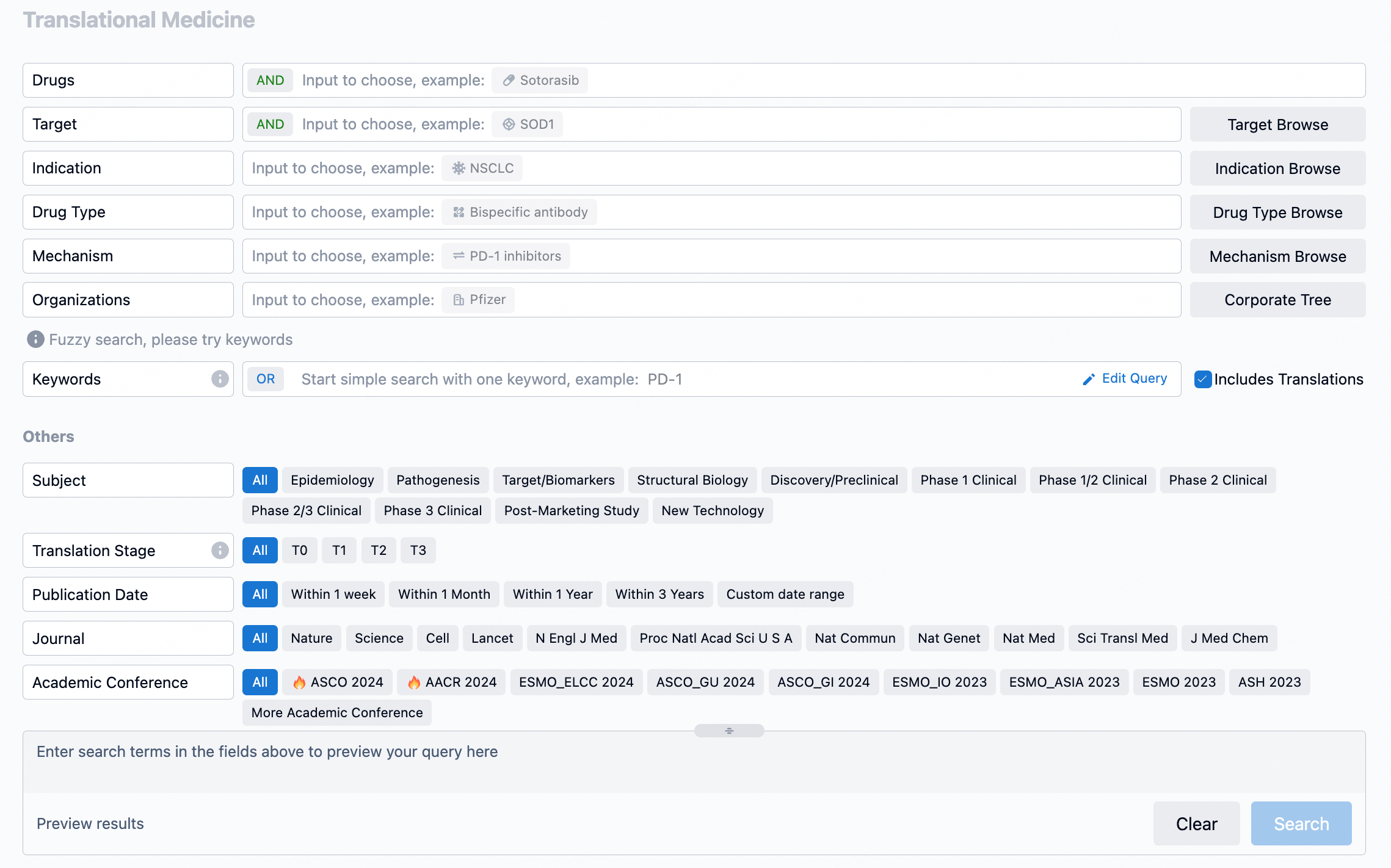
The transational medicine section of the Synapse database supports searches based on fields such as drug, target, and indication, covering the T0-T3 stages of translation. Additionally, it offers a historical conference search function as well as filtering options, view modes, translation services, and highlights summaries, providing you with a unique search experience.
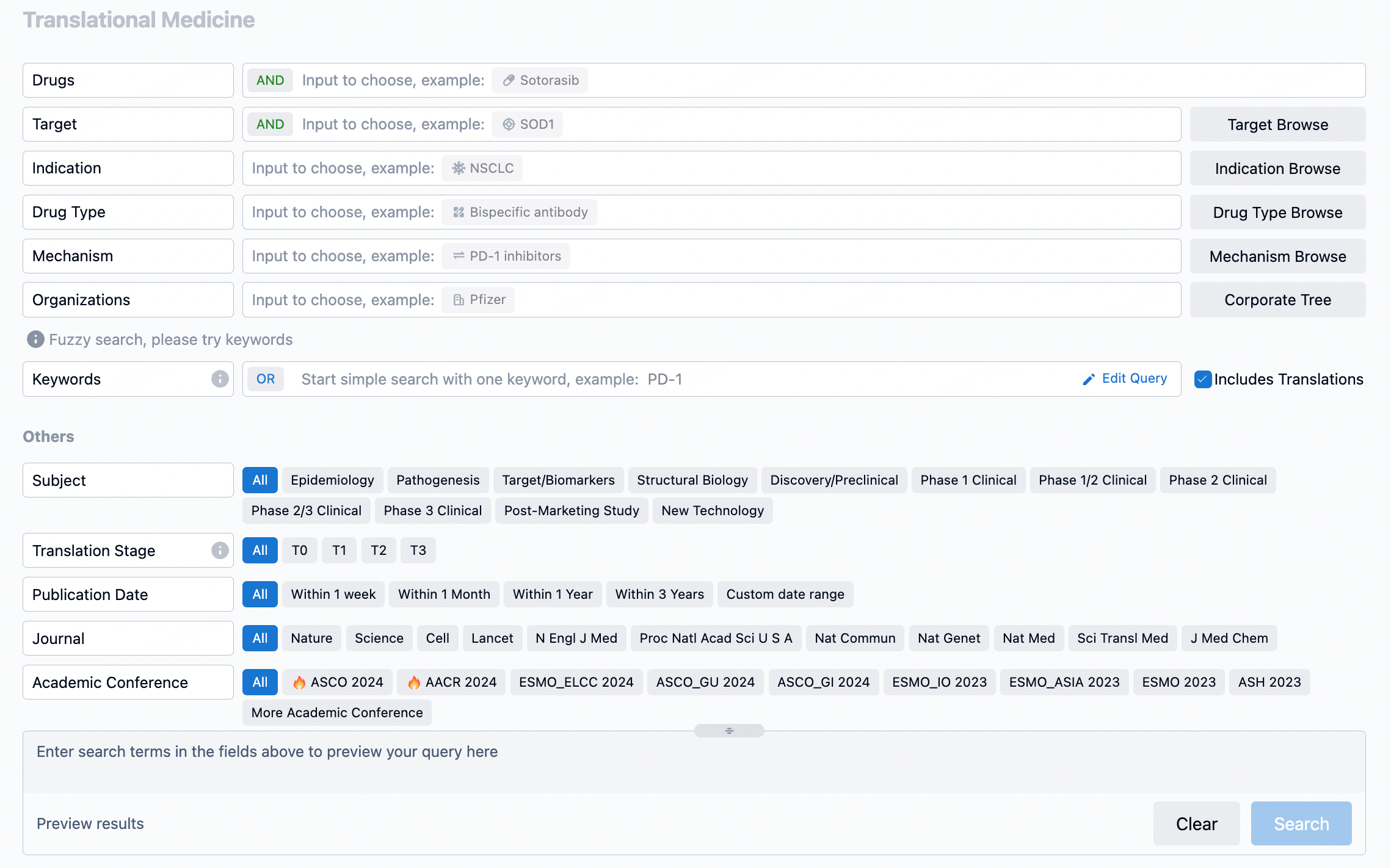
Taking obesity as an example, select "obesity" under the indication category and click search to enter the Translational Medicine results list page. By clicking on the title, you can directly navigate to the original page.
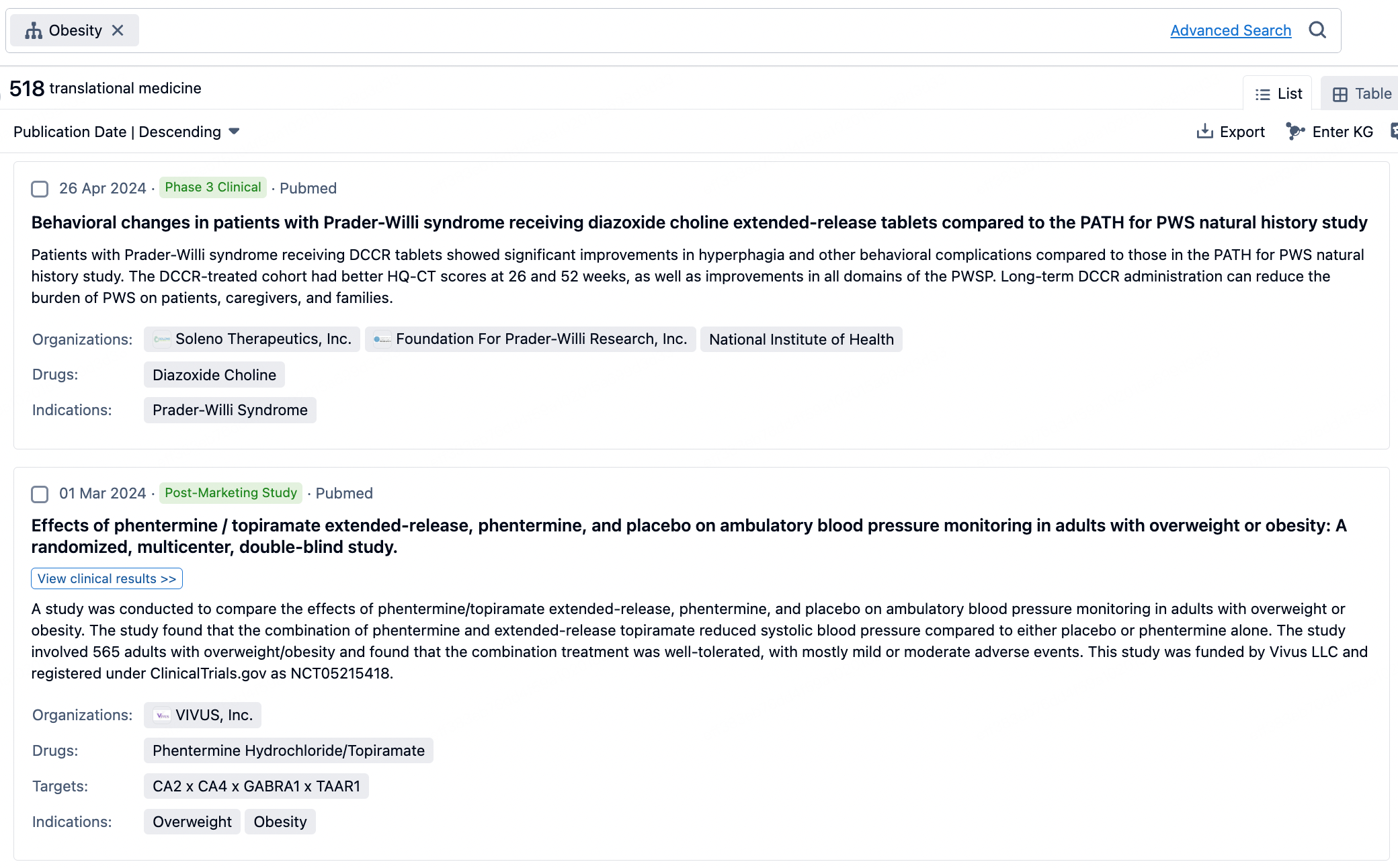
By clicking the analysis button, you can observe that GLP-1R treatment for obesity has gained significant attention over the past three years, with preclinical research still ongoing in 2023. Additionally, there are emerging potential targets, such as GDF15, among others.
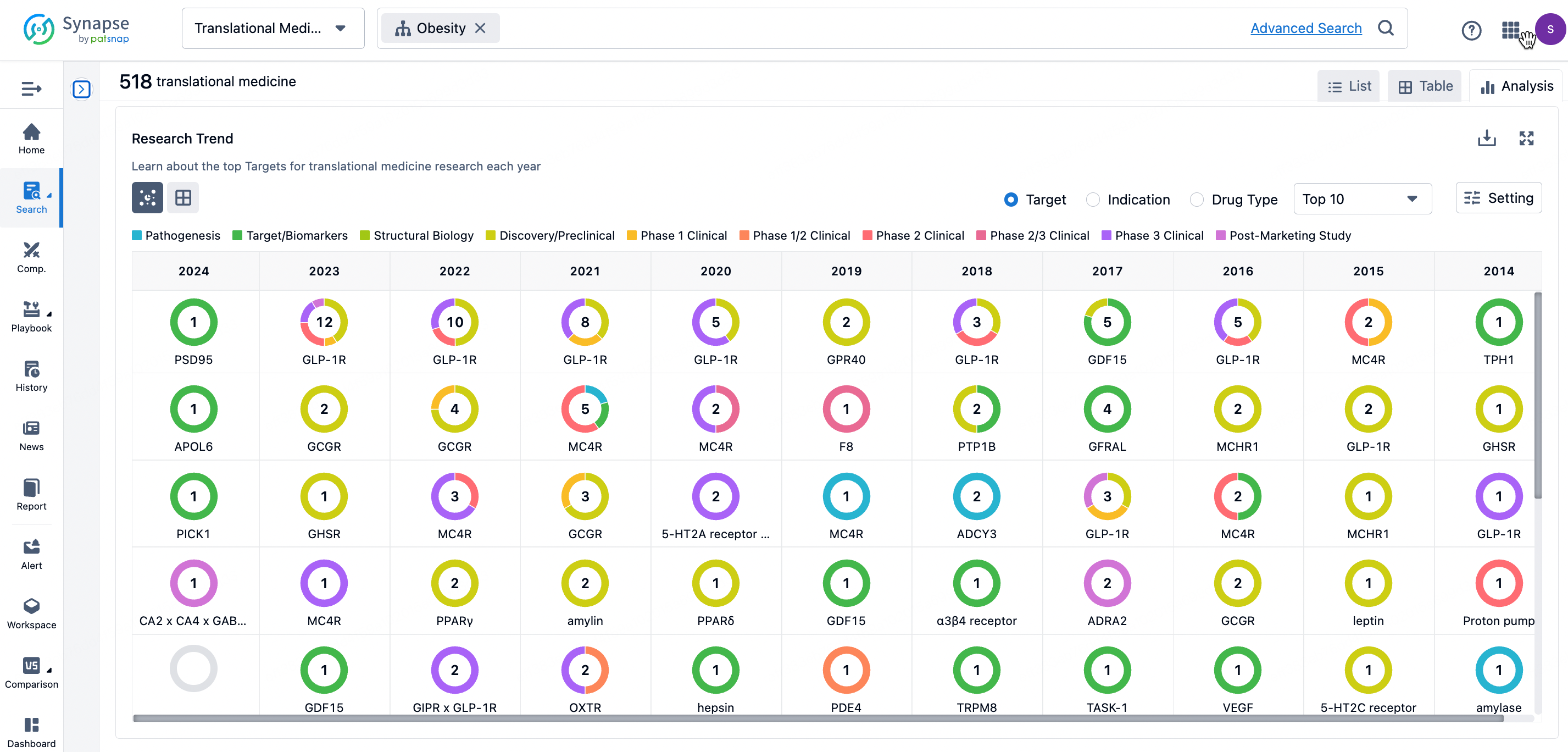
Click on the image below to go directly to the Translational Medicine search interface.