Unlocking the Potential of CIDD-99: A Novel TRPV1-Independent Approach to Combat Oral Squamous Cell Carcinoma
Experiments using OSCC xenograft models were conducted to evaluate the in vivo effectiveness of these analogs. The role of TRPV1 was examined through calcium imaging and a rat pain model. The anti-cancer mechanisms were studied using cell cycle analysis and mitochondrial depolarization tests.
The results showed that CIDD-99 was the most effective analog with significant in vivo anti-tumor effects (P < 0.001). CIDD-24 had similar potency to CPZ but was less potent than CIDD-99. CIDD-111 was the least effective. Calcium imaging confirmed that CIDD-99 does not interact with TRPV1, indicating that its anti-cancer effect is independent of TRPV1 activity. All analogs caused an S-phase block, dose-dependent mitochondrial depolarization, and apoptosis. Histological analysis showed increased apoptosis and reduced cell proliferation in treated tumors. Notably, CIDD-99 had the most striking anti-tumor impact, with 85% of tumors resolving and only minimal viable tissue remaining. Moreover, CIDD-99 was found to be non-irritating and without any observable adverse effects.
The research concludes with the identification of a new, highly effective CPZ analog, CIDD-99, which has remarkable anti-tumor effects against OSCC. It suggests that CIDD-99 could be a potential standalone therapy or used in conjunction with standard treatments.
How to Use Synapse Database to Search and Analyze Translational Medicine Data?
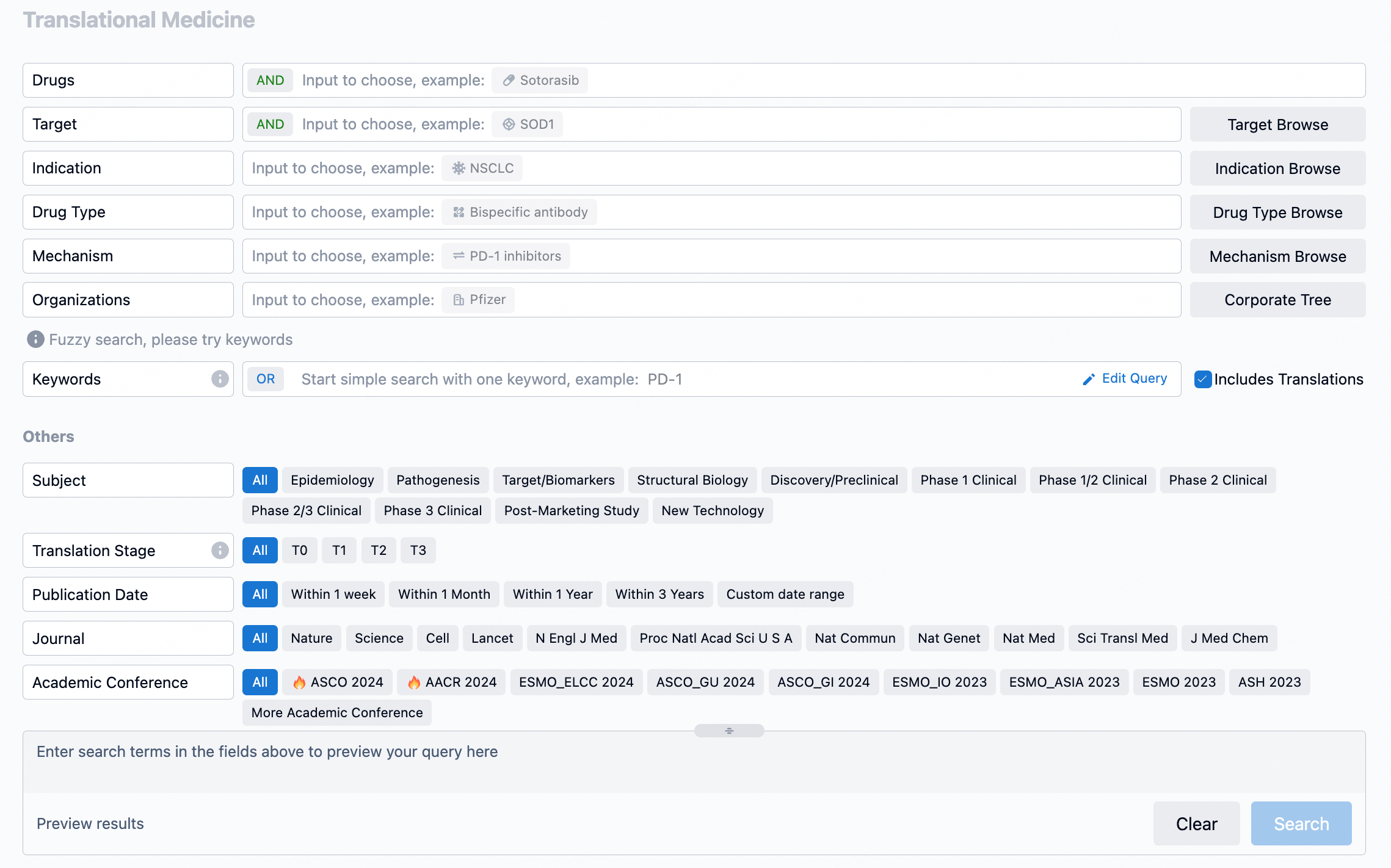
The transational medicine section of the Synapse database supports searches based on fields such as drug, target, and indication, covering the T0-T3 stages of translation. Additionally, it offers a historical conference search function as well as filtering options, view modes, translation services, and highlights summaries, providing you with a unique search experience.
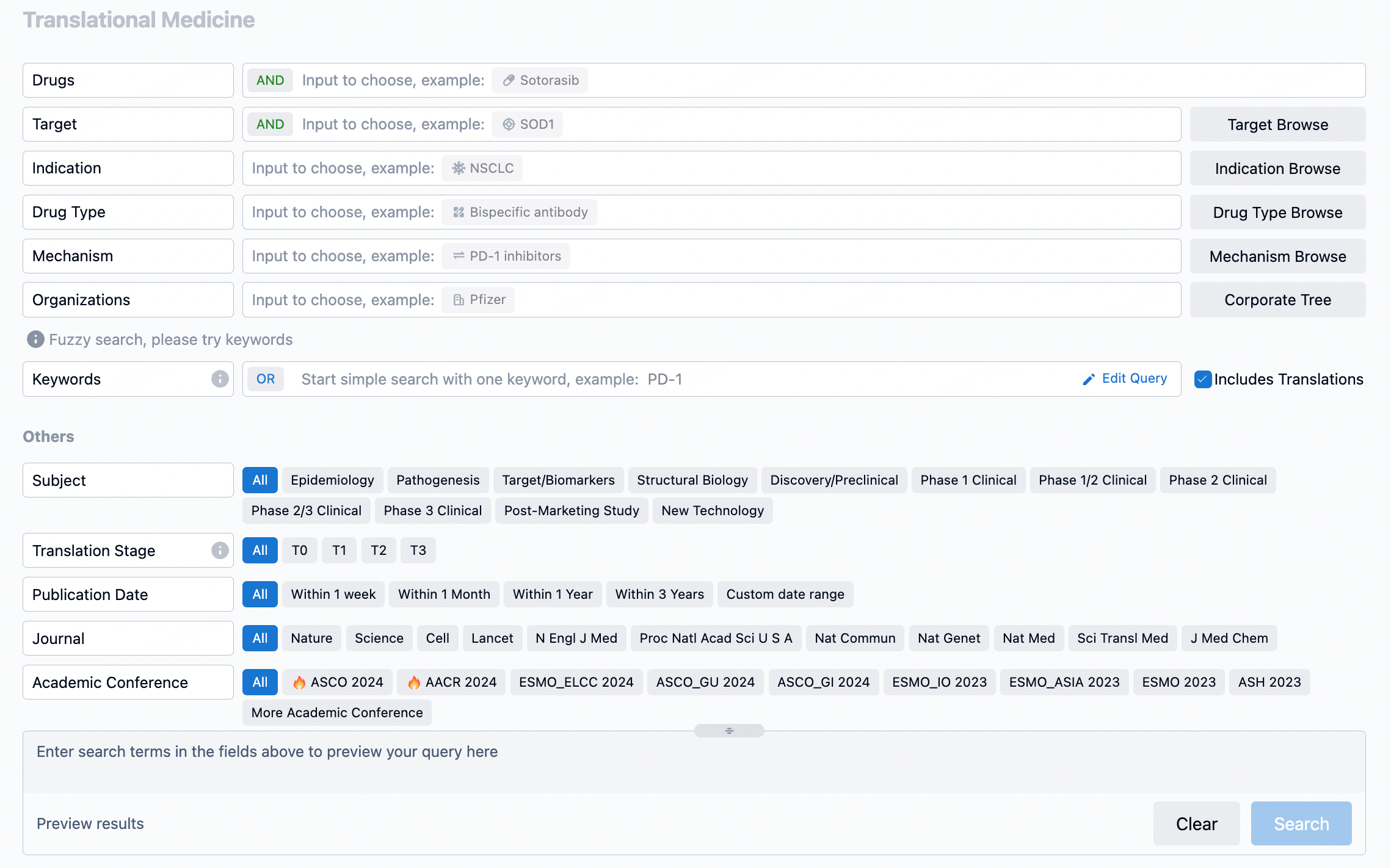
Taking obesity as an example, select "obesity" under the indication category and click search to enter the Translational Medicine results list page. By clicking on the title, you can directly navigate to the original page.
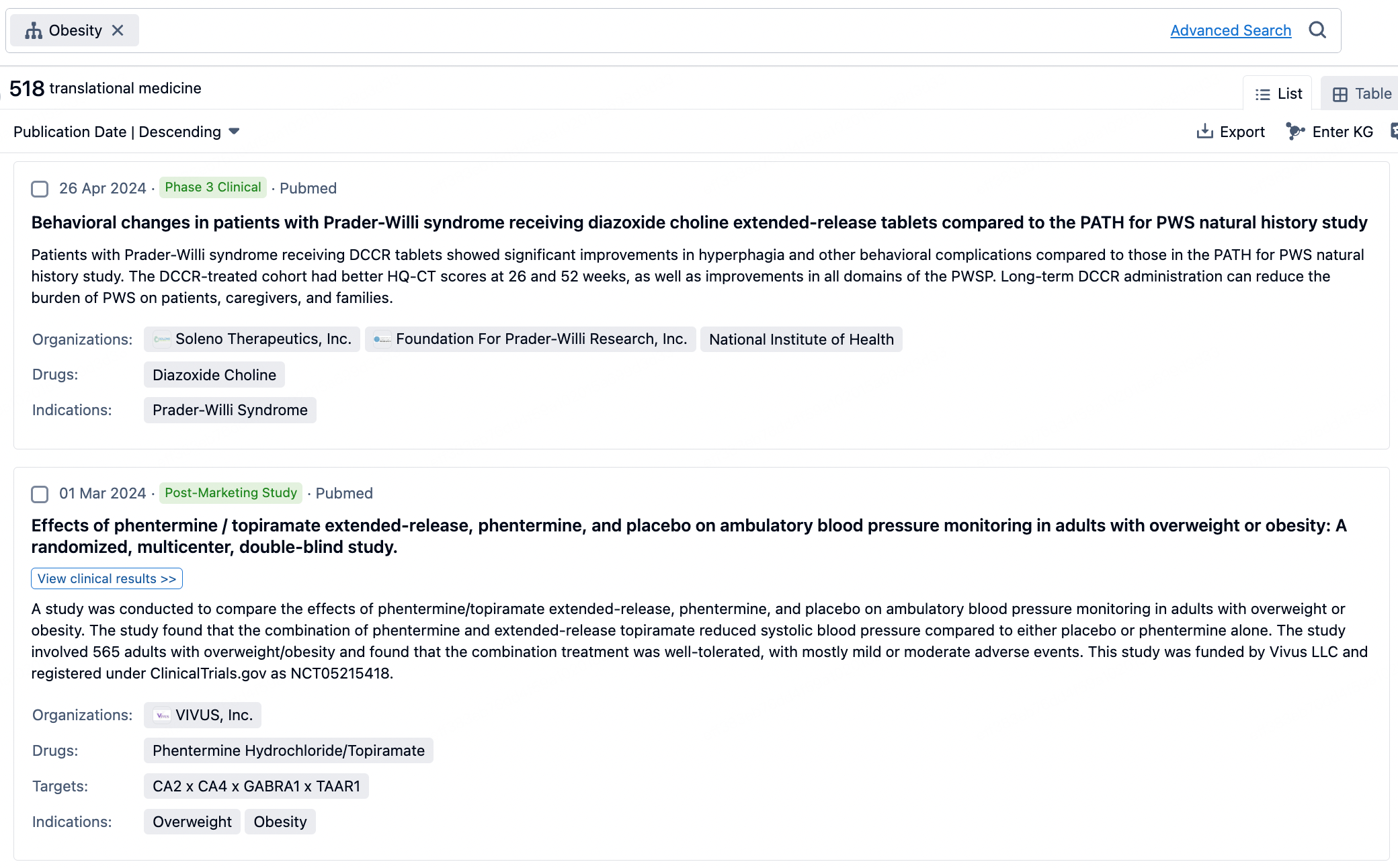
By clicking the analysis button, you can observe that GLP-1R treatment for obesity has gained significant attention over the past three years, with preclinical research still ongoing in 2023. Additionally, there are emerging potential targets, such as GDF15, among others.
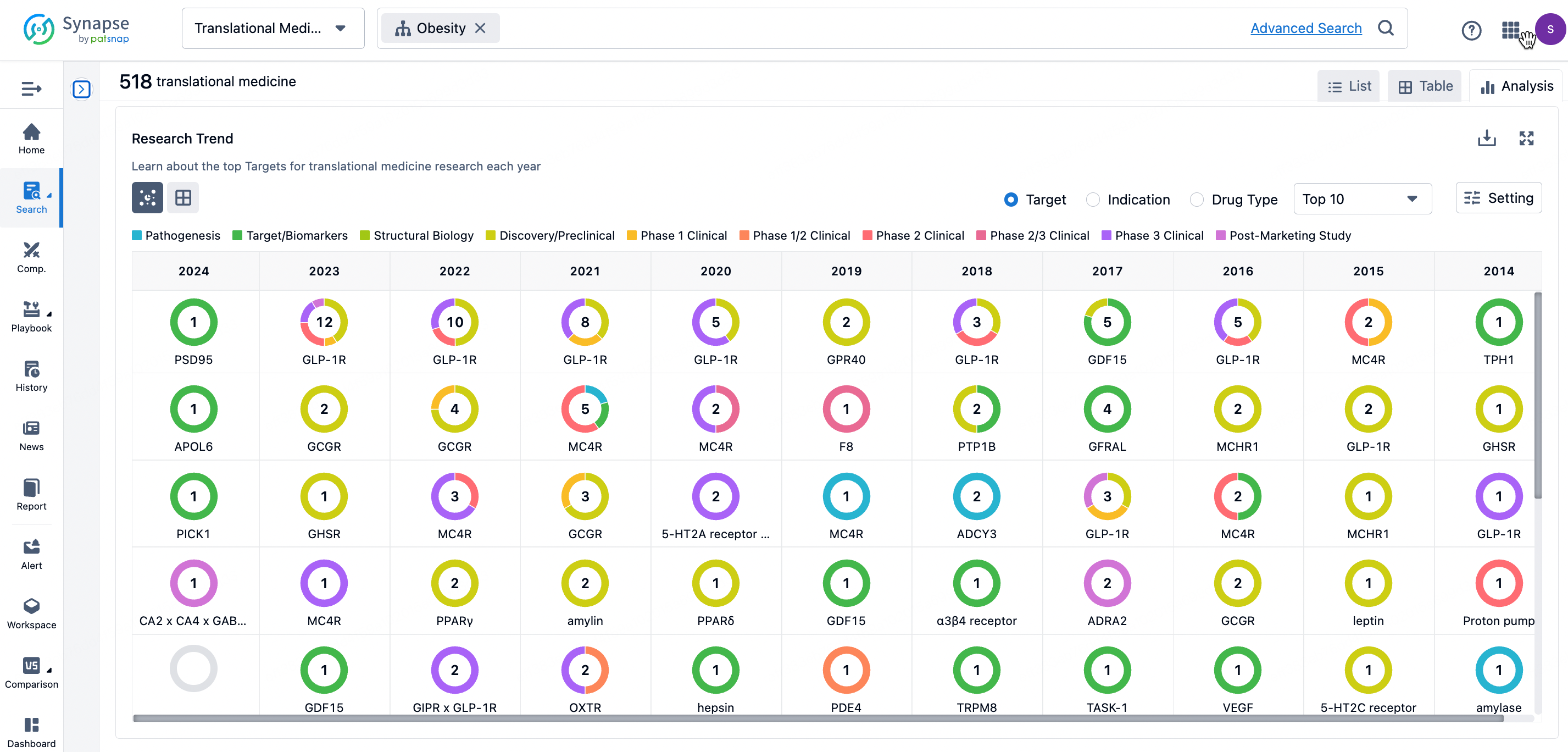
Click on the image below to go directly to the Translational Medicine search interface.