Unlocking the Potential of DuoBody-CD3xCD30: A Promising Anti-Tumor Agent for CD30-Positive Hematologic Malignancies
This antibody is an engineered Fc-silenced IgG1 that combines elements of a CD3ε and a CD30 monoclonal antibody, designed to activate T-cells and induce cytotoxicity in tumor cells. In vitro and ex vivo tests showed that DuoBody-CD3xCD30 effectively triggered T-cell responses, leading to the destruction of CD30-positive tumor cells from various malignancies, including those of the hematologic system. The effectiveness was evident even at low concentrations, and the level of CD30 expression on the tumor cells was linked to the potency of the antibody's effect.
The study also found that the presence of soluble CD30 in cell culture did not hinder the antibody's ability to promote T-cell cytotoxicity. Interestingly, T-cell activation led to an increase in CD30 expression on healthy T cells, but this did not affect their viability when exposed to the bispecific antibody.
Further research is being conducted to understand the detailed mechanism of action and to characterize the functional activity of DuoBody-CD3xCD30 ex vivo. The findings so far indicate that this bispecific antibody could be a promising therapeutic option for the treatment of CD30-positive hematologic malignancies.
How to Use Synapse Database to Search and Analyze Translational Medicine Data?
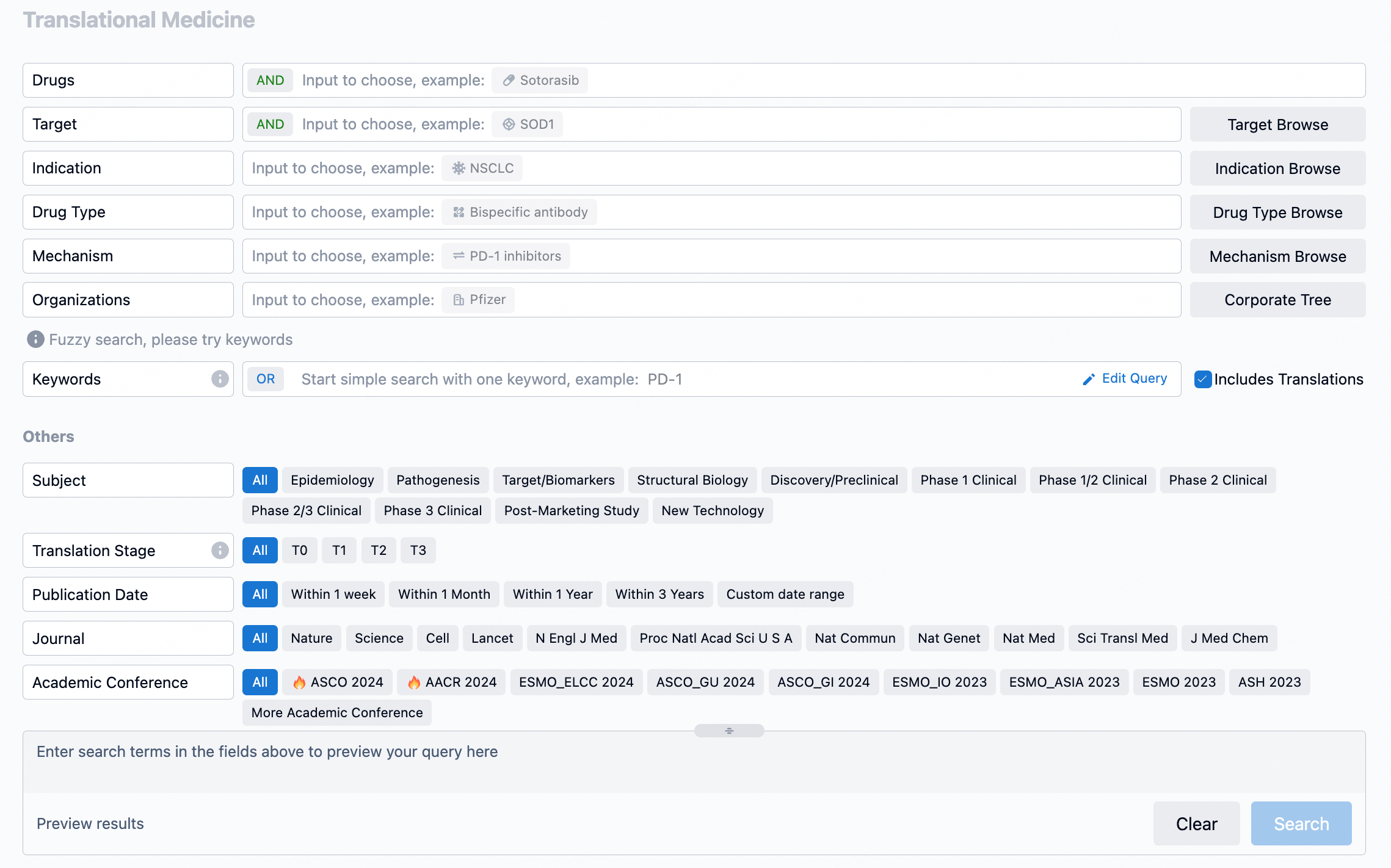
The transational medicine section of the Synapse database supports searches based on fields such as drug, target, and indication, covering the T0-T3 stages of translation. Additionally, it offers a historical conference search function as well as filtering options, view modes, translation services, and highlights summaries, providing you with a unique search experience.
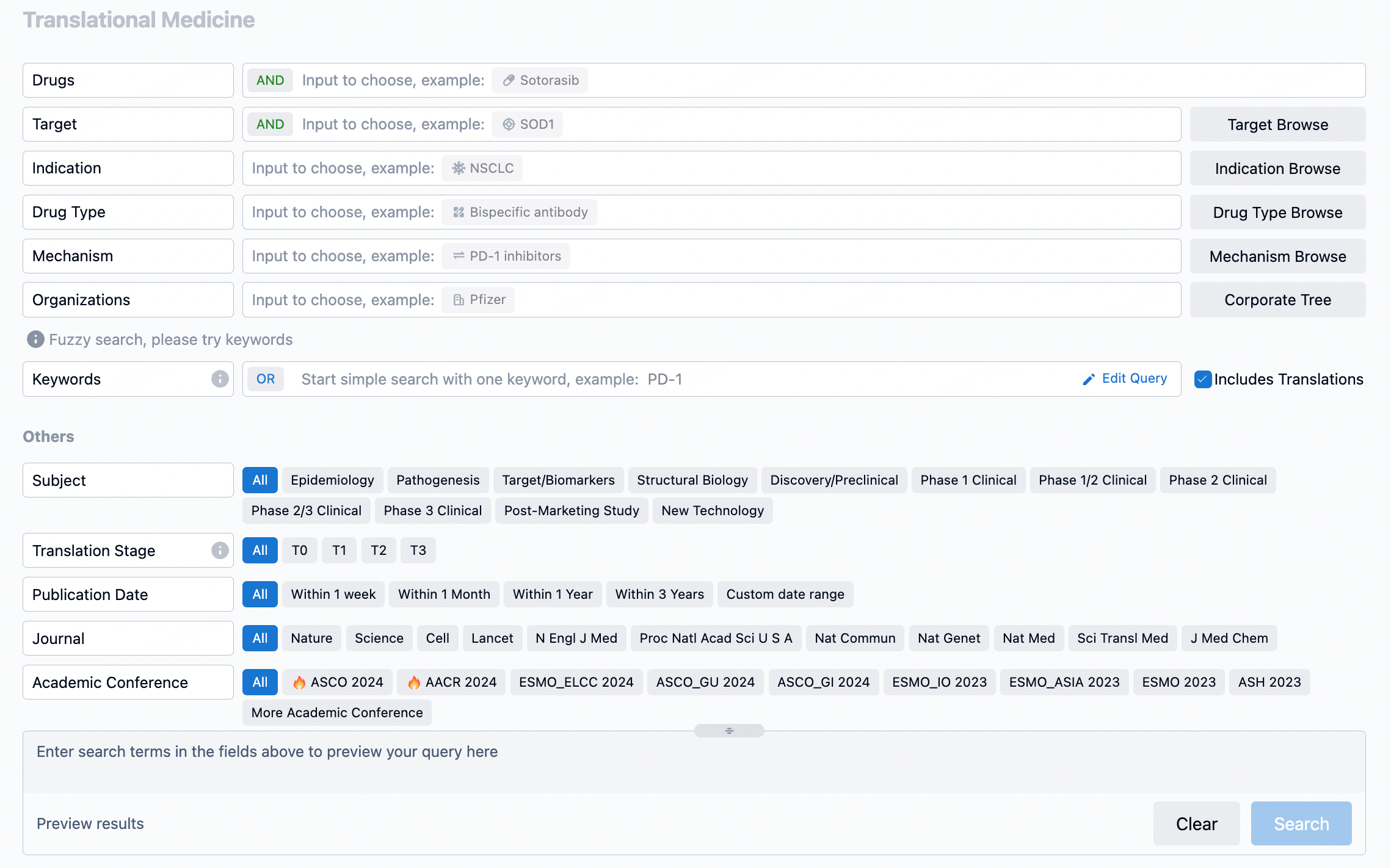
Taking obesity as an example, select "obesity" under the indication category and click search to enter the Translational Medicine results list page. By clicking on the title, you can directly navigate to the original page.
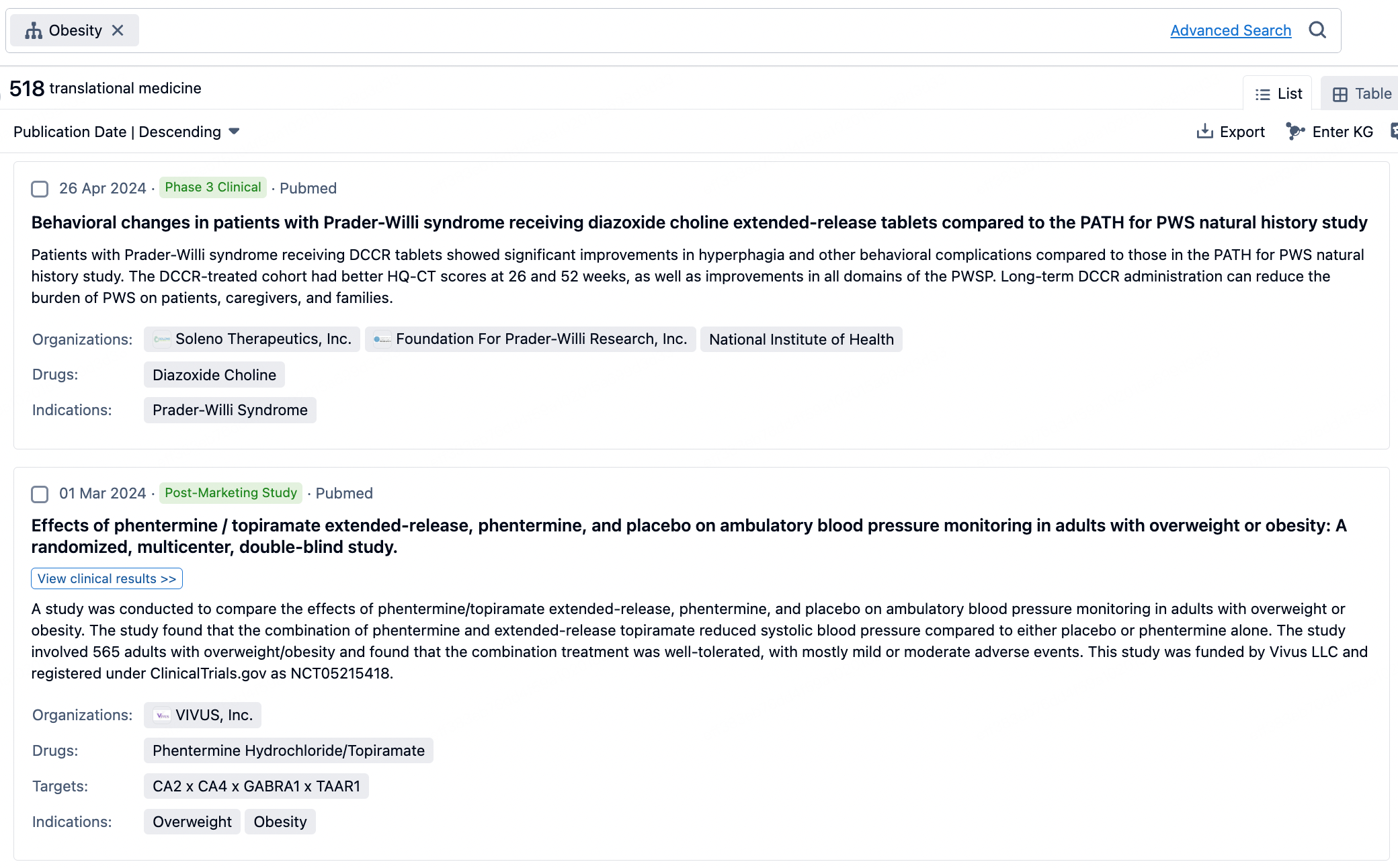
By clicking the analysis button, you can observe that GLP-1R treatment for obesity has gained significant attention over the past three years, with preclinical research still ongoing in 2023. Additionally, there are emerging potential targets, such as GDF15, among others.
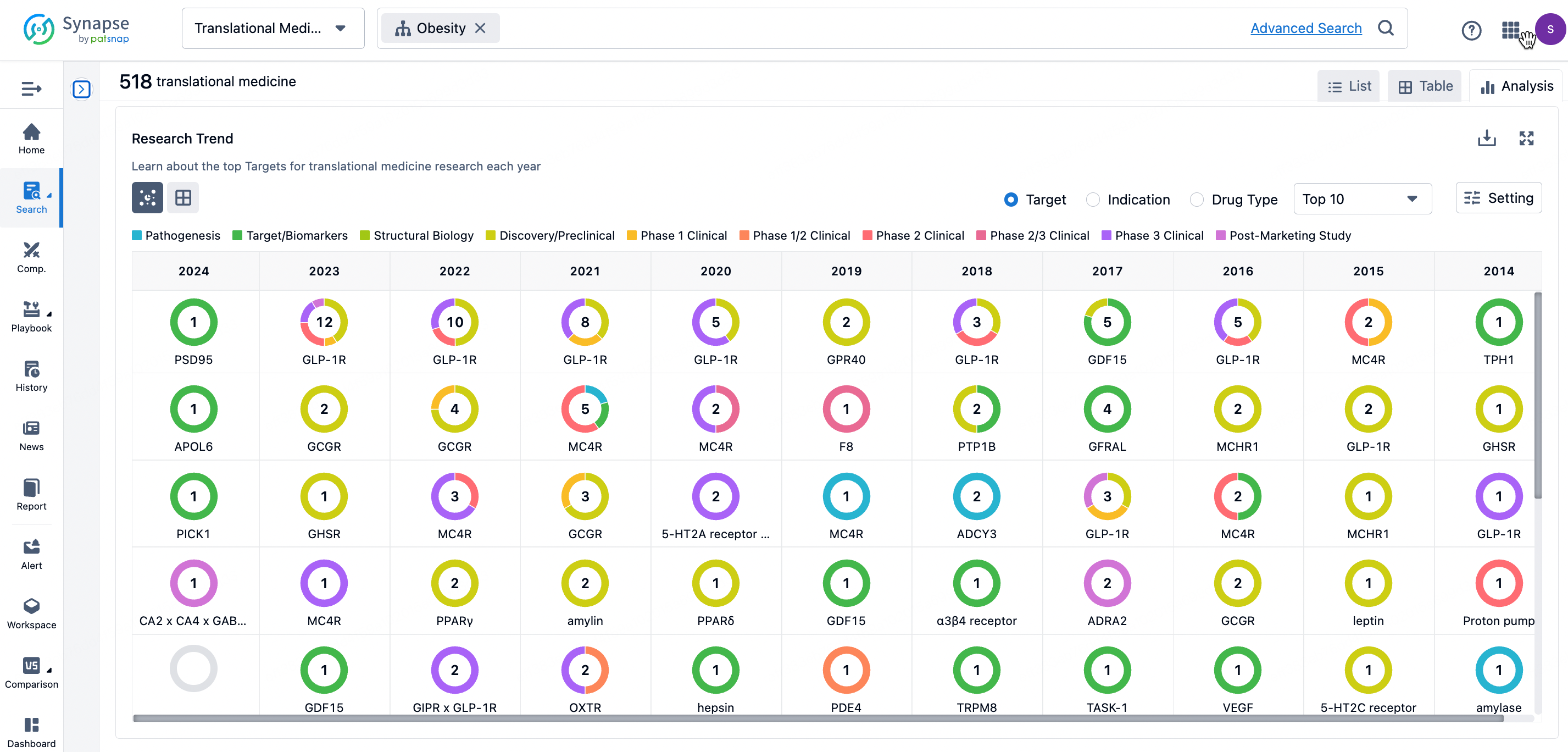
Click on the image below to go directly to the Translational Medicine search interface.