Unveiling CYH33: A Promising PI3Kα Inhibitor for Advanced Solid Tumor Therapy
In vivo studies with mice bearing SKOV-3 ovarian cancer xenografts showed that CYH33 reduced AKT phosphorylation in tumor tissues and significantly inhibited tumor growth without causing substantial weight loss or toxic side effects. Additionally, CYH33 maintained glucose tolerance, with blood glucose levels returning to normal within two hours post-glucose injection. The compound also exhibited a favorable pharmacokinetic profile, including a 36.9% oral bioavailability and minimal interaction with major cytochrome P450 enzymes.
CYH33 has been recognized as a promising candidate for the treatment of advanced solid tumors due to its potent activity, selectivity, and favorable pharmaceutical characteristics, and is currently undergoing clinical trials in China.
How to Use Synapse Database to Search and Analyze Translational Medicine Data?
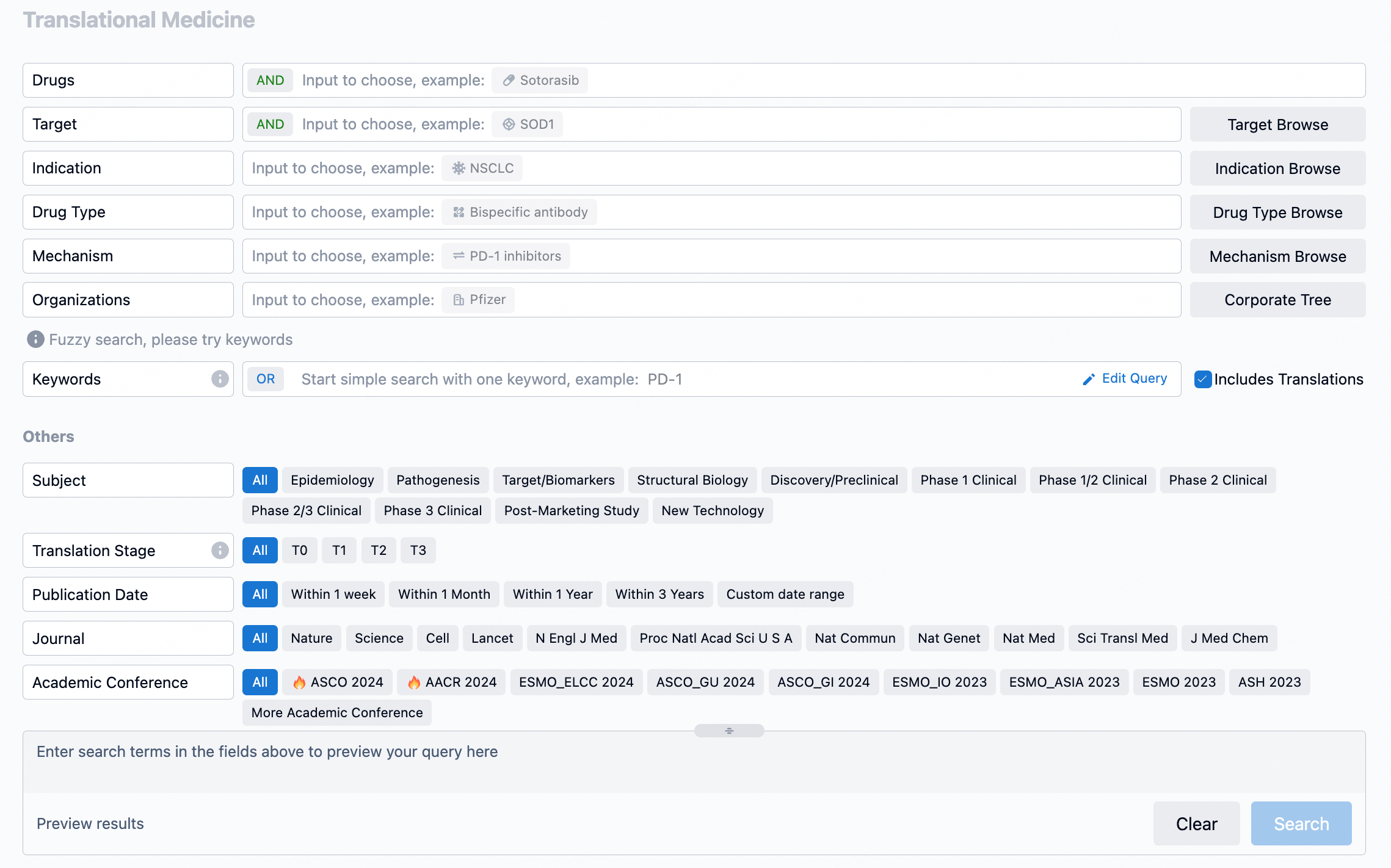
The transational medicine section of the Synapse database supports searches based on fields such as drug, target, and indication, covering the T0-T3 stages of translation. Additionally, it offers a historical conference search function as well as filtering options, view modes, translation services, and highlights summaries, providing you with a unique search experience.
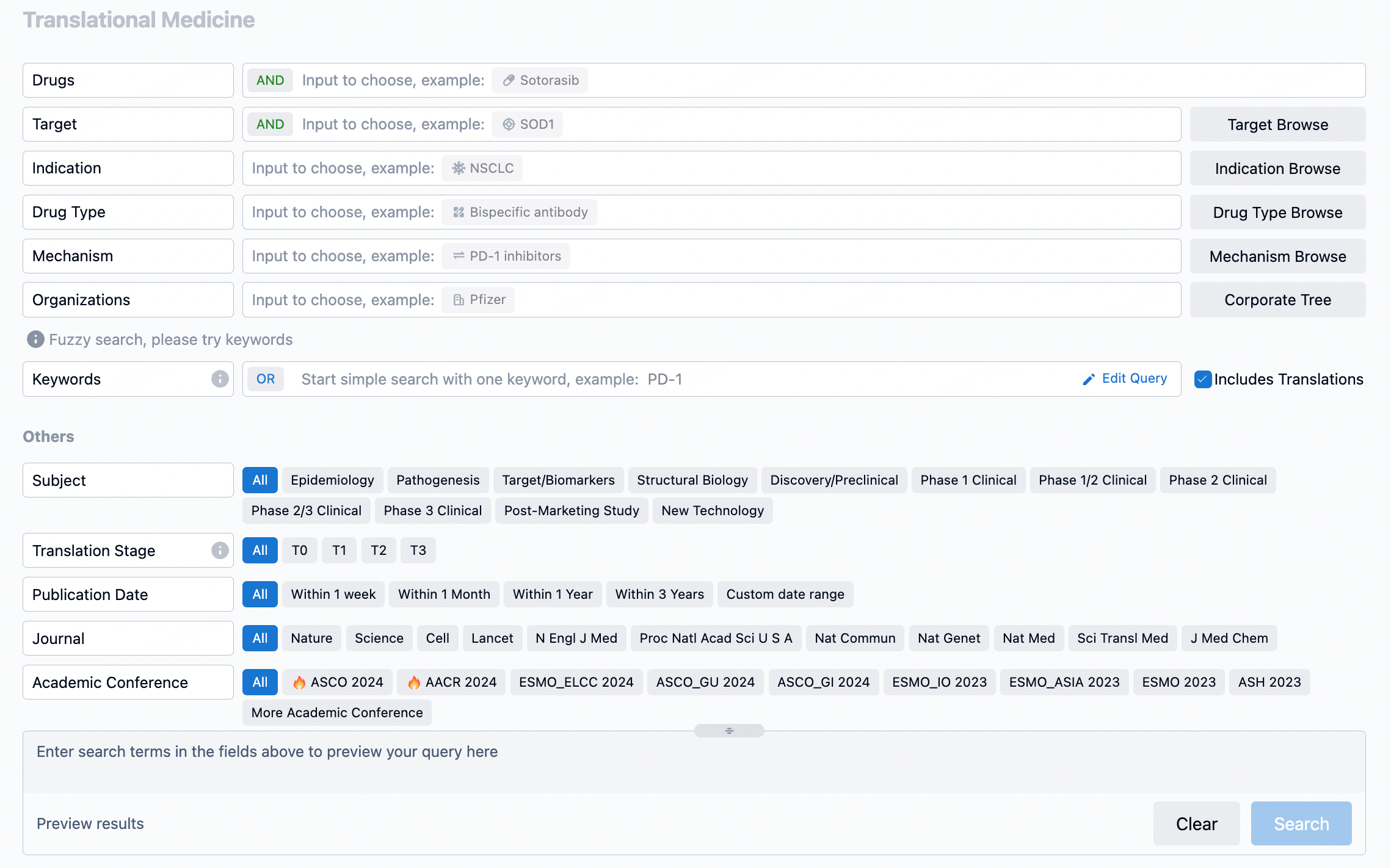
Taking obesity as an example, select "obesity" under the indication category and click search to enter the Translational Medicine results list page. By clicking on the title, you can directly navigate to the original page.
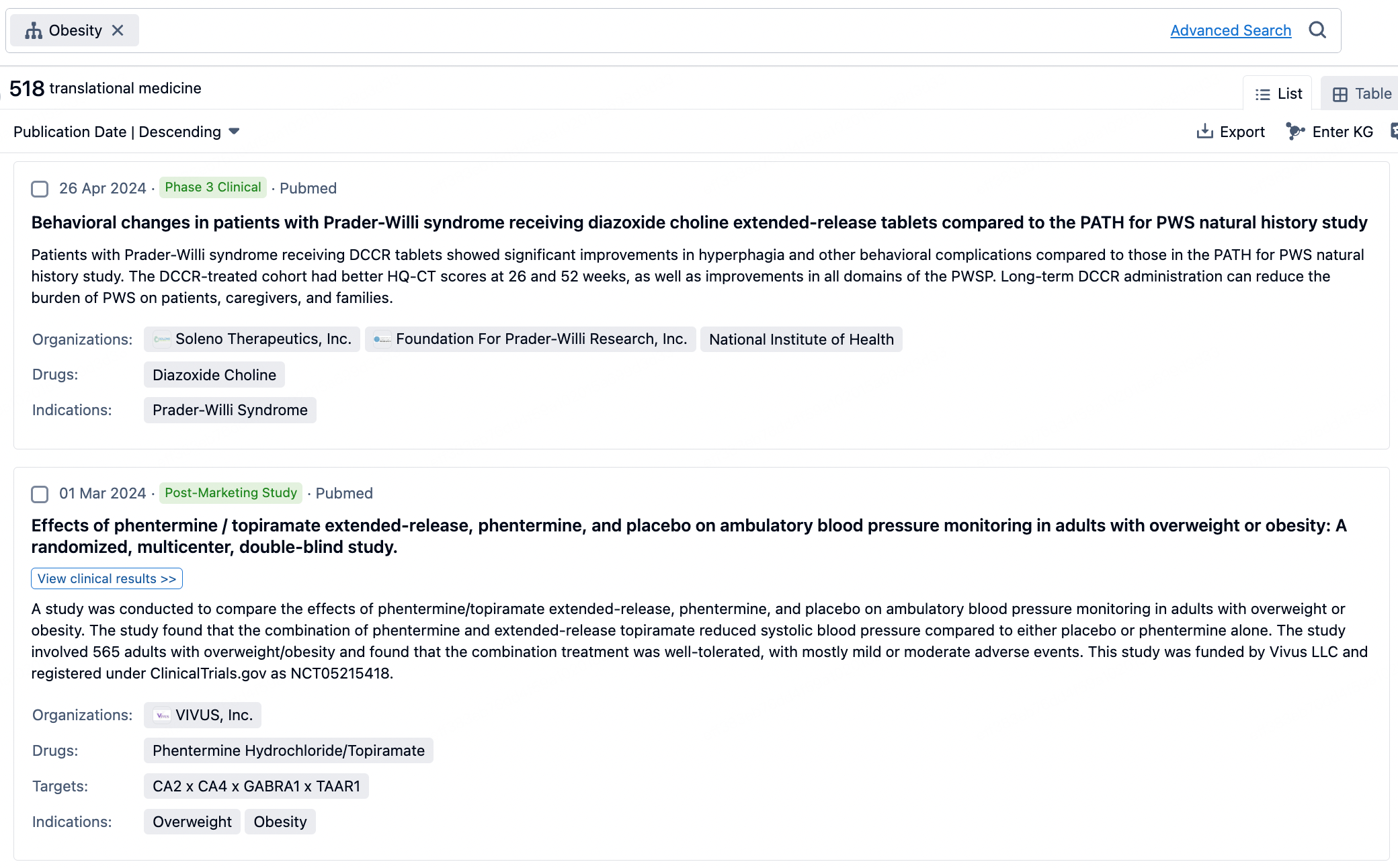
By clicking the analysis button, you can observe that GLP-1R treatment for obesity has gained significant attention over the past three years, with preclinical research still ongoing in 2023. Additionally, there are emerging potential targets, such as GDF15, among others.
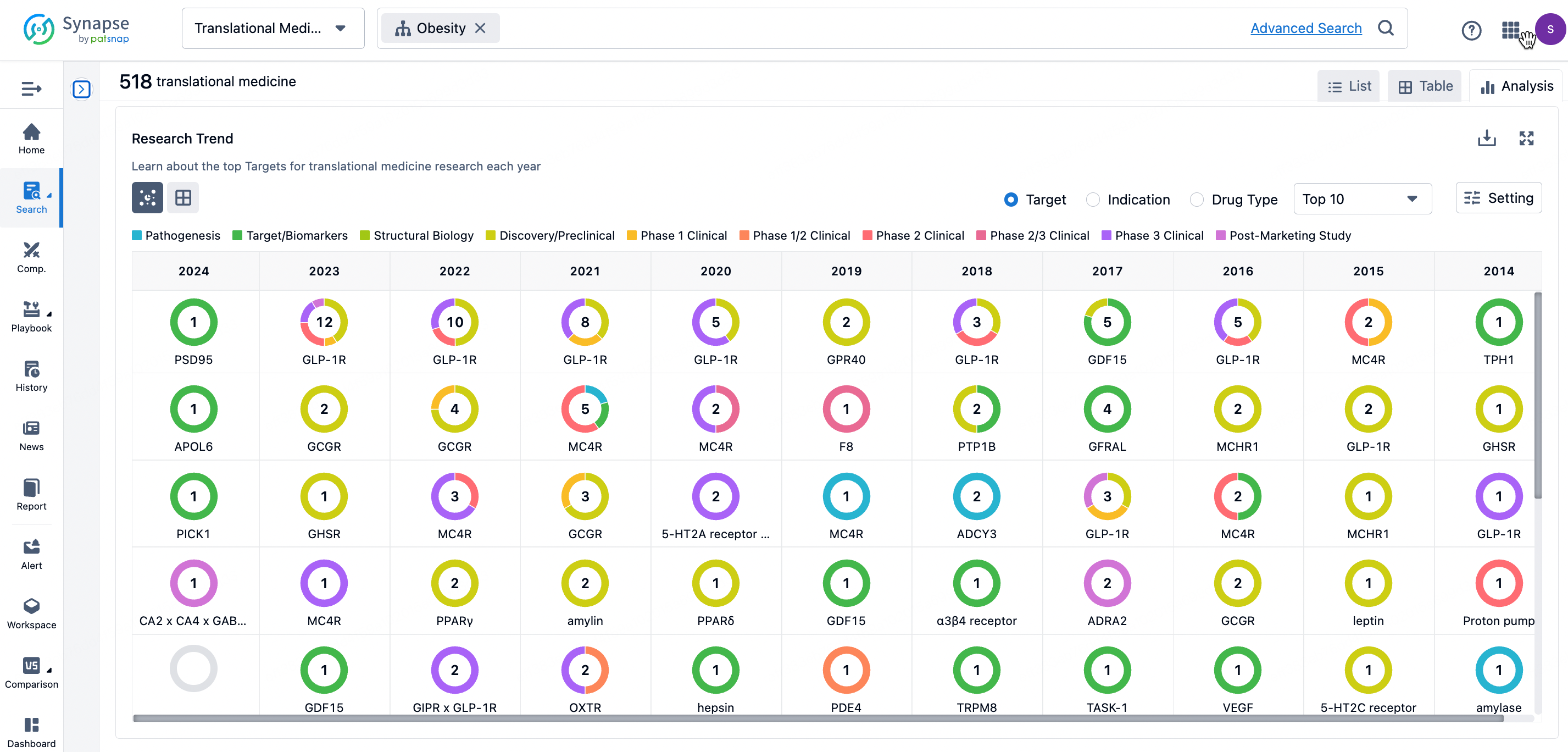
Click on the image below to go directly to the Translational Medicine search interface.