Request Demo
What are α1D-AR antagonists and how do they work?
21 June 2024
Alpha-1D adrenergic receptors (α1D-ARs) are a subtype of adrenergic receptors that play a significant role in various physiological processes, including the regulation of smooth muscle contraction, cardiovascular function, and urinary tract function. Antagonists targeting these receptors, known as α1D-AR antagonists, have garnered considerable interest for their potential therapeutic applications. This blog post delves into the fundamental aspects of α1D-AR antagonists, their mechanism of action, and their uses in clinical settings.
α1D-AR antagonists function by specifically binding to α1D adrenergic receptors, thereby inhibiting their activity. These receptors are part of the G protein-coupled receptor (GPCR) superfamily and are primarily activated by endogenous catecholamines such as norepinephrine and epinephrine. Upon activation, α1D-ARs mediate various intracellular signaling pathways, leading to physiological responses such as vasoconstriction, increased peripheral resistance, and smooth muscle contraction.
By binding to α1D-ARs, antagonists block these receptors' interaction with endogenous catecholamines. This inhibition prevents the downstream signaling pathways from being activated, thereby counteracting the typical physiological responses mediated by α1D-ARs. The result is a decrease in smooth muscle contraction, vasodilation, and other related effects, which can be therapeutically beneficial in several clinical conditions.
One of the primary uses of α1D-AR antagonists is in the management of lower urinary tract symptoms (LUTS) associated with benign prostatic hyperplasia (BPH). BPH is a common condition in older men, characterized by the enlargement of the prostate gland, which can obstruct urinary flow and lead to symptoms such as frequent urination, difficulty starting and maintaining urination, and a weak urinary stream. By blocking α1D-ARs in the prostate and bladder neck, these antagonists help relax the smooth muscles, thereby improving urinary flow and alleviating symptoms.
Moreover, α1D-AR antagonists have shown potential in treating hypertension. Hypertension, or high blood pressure, is a prevalent condition that can lead to serious cardiovascular complications if left unmanaged. By inhibiting the vasoconstrictive action of α1D-ARs on blood vessels, these antagonists promote vasodilation, which helps to lower blood pressure and reduce the strain on the cardiovascular system. This makes them a valuable addition to the arsenal of antihypertensive medications.
In addition to their roles in LUTS/BPH and hypertension, α1D-AR antagonists have been investigated for their potential utility in other medical conditions. For example, they may offer therapeutic benefits in certain types of chronic pain, given their ability to modulate smooth muscle tone and blood flow. Research is also ongoing to explore their effects on conditions like heart failure, where abnormal adrenergic signaling can contribute to disease progression.
While α1D-AR antagonists show promise in various therapeutic areas, it is important to consider potential side effects and limitations. Common side effects may include dizziness, headache, fatigue, and hypotension, which result from the systemic vasodilatory effects. Therefore, the use of these antagonists must be carefully managed and tailored to individual patient needs, with consideration for potential drug-drug interactions and contraindications.
In summary, α1D-AR antagonists represent a valuable class of drugs with diverse therapeutic applications. By inhibiting the activity of α1D adrenergic receptors, these antagonists can effectively manage conditions like lower urinary tract symptoms associated with benign prostatic hyperplasia and hypertension. Ongoing research continues to uncover their potential in additional medical fields, highlighting the importance of these agents in modern pharmacotherapy.
α1D-AR antagonists function by specifically binding to α1D adrenergic receptors, thereby inhibiting their activity. These receptors are part of the G protein-coupled receptor (GPCR) superfamily and are primarily activated by endogenous catecholamines such as norepinephrine and epinephrine. Upon activation, α1D-ARs mediate various intracellular signaling pathways, leading to physiological responses such as vasoconstriction, increased peripheral resistance, and smooth muscle contraction.
By binding to α1D-ARs, antagonists block these receptors' interaction with endogenous catecholamines. This inhibition prevents the downstream signaling pathways from being activated, thereby counteracting the typical physiological responses mediated by α1D-ARs. The result is a decrease in smooth muscle contraction, vasodilation, and other related effects, which can be therapeutically beneficial in several clinical conditions.
One of the primary uses of α1D-AR antagonists is in the management of lower urinary tract symptoms (LUTS) associated with benign prostatic hyperplasia (BPH). BPH is a common condition in older men, characterized by the enlargement of the prostate gland, which can obstruct urinary flow and lead to symptoms such as frequent urination, difficulty starting and maintaining urination, and a weak urinary stream. By blocking α1D-ARs in the prostate and bladder neck, these antagonists help relax the smooth muscles, thereby improving urinary flow and alleviating symptoms.
Moreover, α1D-AR antagonists have shown potential in treating hypertension. Hypertension, or high blood pressure, is a prevalent condition that can lead to serious cardiovascular complications if left unmanaged. By inhibiting the vasoconstrictive action of α1D-ARs on blood vessels, these antagonists promote vasodilation, which helps to lower blood pressure and reduce the strain on the cardiovascular system. This makes them a valuable addition to the arsenal of antihypertensive medications.
In addition to their roles in LUTS/BPH and hypertension, α1D-AR antagonists have been investigated for their potential utility in other medical conditions. For example, they may offer therapeutic benefits in certain types of chronic pain, given their ability to modulate smooth muscle tone and blood flow. Research is also ongoing to explore their effects on conditions like heart failure, where abnormal adrenergic signaling can contribute to disease progression.
While α1D-AR antagonists show promise in various therapeutic areas, it is important to consider potential side effects and limitations. Common side effects may include dizziness, headache, fatigue, and hypotension, which result from the systemic vasodilatory effects. Therefore, the use of these antagonists must be carefully managed and tailored to individual patient needs, with consideration for potential drug-drug interactions and contraindications.
In summary, α1D-AR antagonists represent a valuable class of drugs with diverse therapeutic applications. By inhibiting the activity of α1D adrenergic receptors, these antagonists can effectively manage conditions like lower urinary tract symptoms associated with benign prostatic hyperplasia and hypertension. Ongoing research continues to uncover their potential in additional medical fields, highlighting the importance of these agents in modern pharmacotherapy.
How to obtain the latest development progress of all targets?
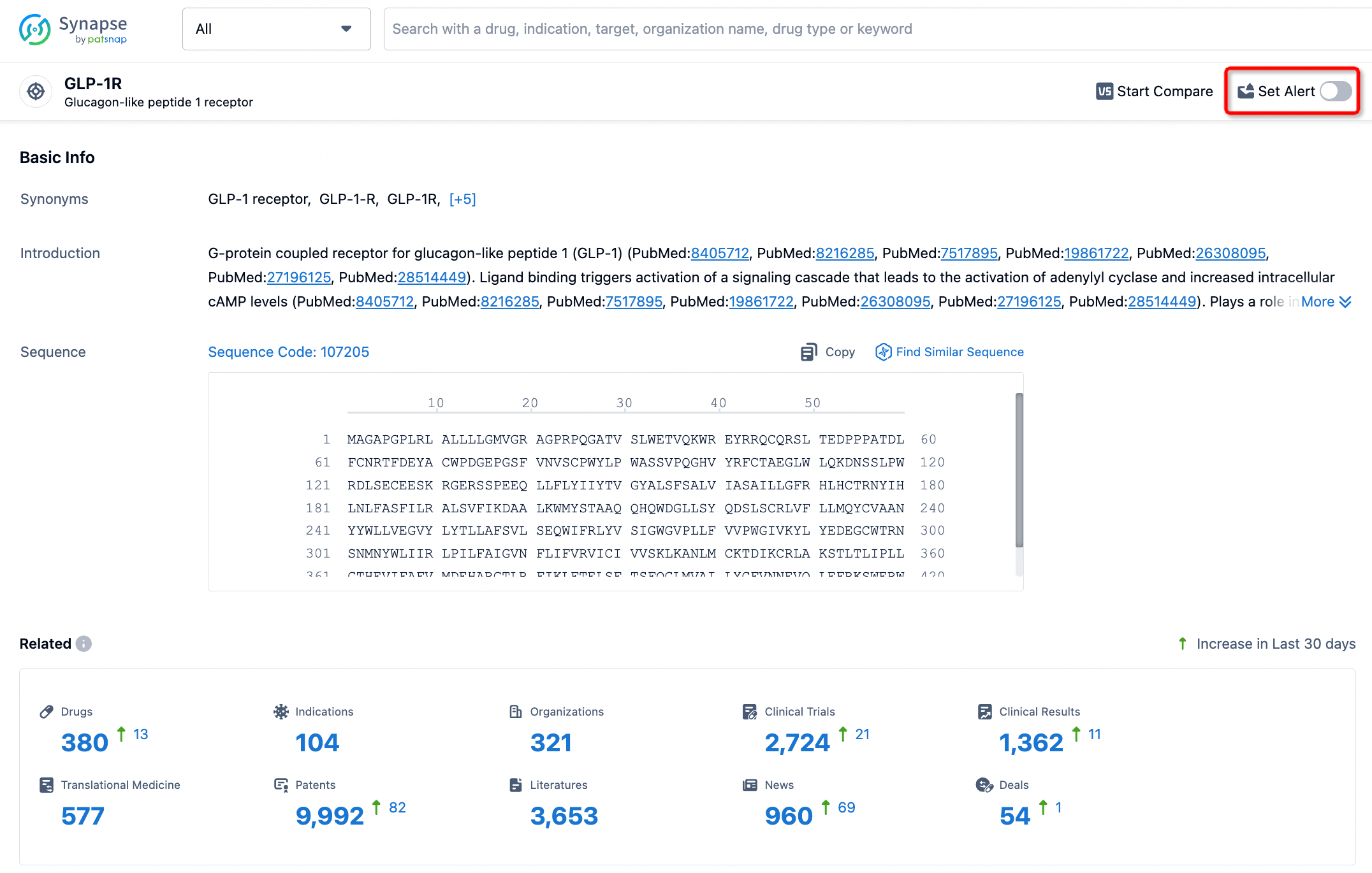
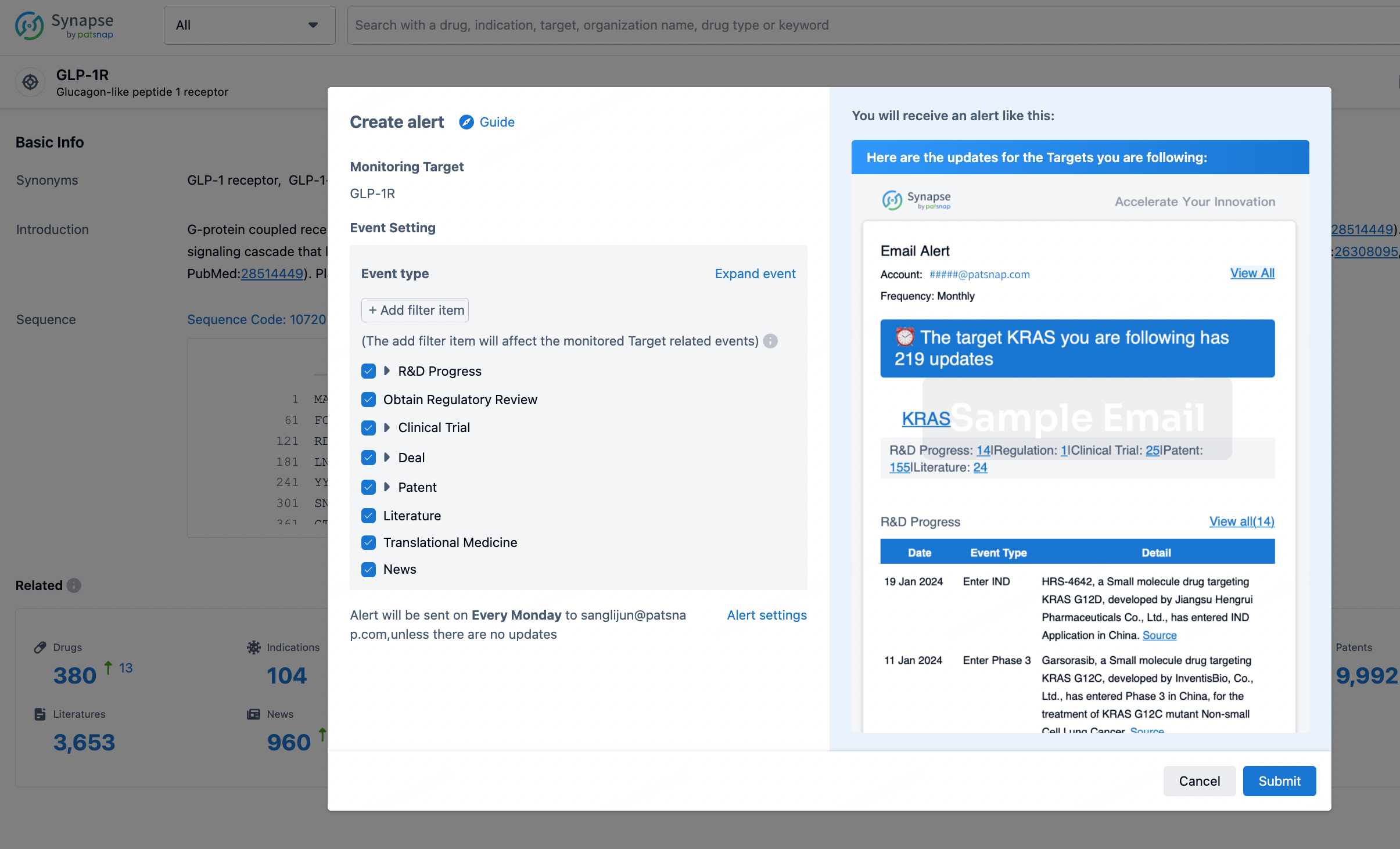
In the Synapse database, you can stay updated on the latest research and development advances of all targets. This service is accessible anytime and anywhere, with updates available daily or weekly. Use the "Set Alert" function to stay informed. Click on the image below to embark on a brand new journey of drug discovery!
Hiro LS Researcher
The AI Search Engine Built to Accelerate Biopharma Decisions
Search across billion-scale life sciences data to uncover signals, validate evidence, and act with confidence.
Ask any biopharma research question→
Get started for free today!
Accelerate Strategic R&D decision making with Synapse, Patsnap’s AI-powered Connected Innovation Intelligence Platform Built for Life Sciences Professionals.
Discover Synapse Data Servers
Synapse data is now integrated into the PatSnap LS Model Context Protocol (MCP) service. Customize your LLM agent now using our MCP server!