Request Demo
What are A1AT replacements and how do they work?
21 June 2024
Alpha-1 Antitrypsin (A1AT) deficiency is a genetic disorder that can lead to serious lung and liver diseases. The deficiency occurs when the body does not produce enough of the A1AT protein, which protects the lungs from inflammation caused by infection and inhaled irritants such as tobacco smoke. For those affected by A1AT deficiency, one of the most effective treatments available is A1AT replacement therapy. This blog post aims to delve into what A1AT replacements are, how they work, and what conditions they are used to treat.
A1AT replacements are essentially medications designed to supplement the levels of alpha-1 antitrypsin protein in the body. These replacements are derived from donated human plasma, meticulously processed to ensure safety and efficacy. The primary role of A1AT replacements is to restore the balance of this crucial protein, thereby protecting the lungs from further damage and potentially improving the quality of life for those with A1AT deficiency.
When administered, A1AT replacements work by supplementing the body's natural levels of the protein. In individuals with A1AT deficiency, the liver either produces too little of this protein or produces a malformed version that cannot function properly. A1AT replacement therapy introduces functional A1AT into the bloodstream, where it can travel to the lungs and other tissues to perform its protective role. The therapy typically involves weekly intravenous infusions, although the exact frequency and dosage may vary depending on the severity of the deficiency and the patient's overall health.
One of the key mechanisms through which A1AT replacements work is by inhibiting the activity of neutrophil elastase, an enzyme that can degrade elastic fibers in the lungs. In a healthy individual, A1AT effectively neutralizes neutrophil elastase, preventing it from causing damage. However, in those with A1AT deficiency, unchecked neutrophil elastase can lead to chronic obstructive pulmonary disease (COPD) and other severe lung conditions. By replenishing A1AT levels, replacement therapy helps to maintain the structural integrity of lung tissue, reducing inflammation and the risk of further damage.
A1AT replacement therapy is primarily used to treat lung diseases associated with A1AT deficiency, most notably COPD and emphysema. These conditions result from the progressive destruction of the alveoli, the tiny air sacs in the lungs responsible for gas exchange. COPD and emphysema can lead to severe respiratory symptoms such as chronic cough, shortness of breath, and frequent lung infections. A1AT replacements can help slow the progression of these diseases, improving lung function and overall respiratory health.
In addition to lung conditions, A1AT deficiency can also lead to liver disease, as improperly folded A1AT proteins can accumulate in liver cells, causing inflammation and scarring. While A1AT replacement therapy is not a direct treatment for liver disease, it can help manage the overall health of individuals with A1AT deficiency, potentially alleviating some of the burden on the liver by reducing the systemic effects of the deficiency.
Furthermore, ongoing research is exploring additional applications of A1AT replacement therapy, including its potential role in treating other inflammatory conditions and genetic disorders. The therapeutic properties of A1AT, particularly its anti-inflammatory and tissue-protective effects, make it a promising candidate for broader medical applications. Clinical trials and studies are continually advancing our understanding of how A1AT replacements can be optimized and expanded to benefit a wider range of patients.
In conclusion, A1AT replacements represent a vital treatment option for individuals with A1AT deficiency, offering a means to restore the protective function of the A1AT protein in the lungs and potentially improve overall health outcomes. By understanding how these replacements work and what they are used for, patients and healthcare providers can make informed decisions about managing A1AT deficiency and its associated complications. As research continues to evolve, the future holds promise for even more effective and diverse applications of A1AT replacement therapy.
A1AT replacements are essentially medications designed to supplement the levels of alpha-1 antitrypsin protein in the body. These replacements are derived from donated human plasma, meticulously processed to ensure safety and efficacy. The primary role of A1AT replacements is to restore the balance of this crucial protein, thereby protecting the lungs from further damage and potentially improving the quality of life for those with A1AT deficiency.
When administered, A1AT replacements work by supplementing the body's natural levels of the protein. In individuals with A1AT deficiency, the liver either produces too little of this protein or produces a malformed version that cannot function properly. A1AT replacement therapy introduces functional A1AT into the bloodstream, where it can travel to the lungs and other tissues to perform its protective role. The therapy typically involves weekly intravenous infusions, although the exact frequency and dosage may vary depending on the severity of the deficiency and the patient's overall health.
One of the key mechanisms through which A1AT replacements work is by inhibiting the activity of neutrophil elastase, an enzyme that can degrade elastic fibers in the lungs. In a healthy individual, A1AT effectively neutralizes neutrophil elastase, preventing it from causing damage. However, in those with A1AT deficiency, unchecked neutrophil elastase can lead to chronic obstructive pulmonary disease (COPD) and other severe lung conditions. By replenishing A1AT levels, replacement therapy helps to maintain the structural integrity of lung tissue, reducing inflammation and the risk of further damage.
A1AT replacement therapy is primarily used to treat lung diseases associated with A1AT deficiency, most notably COPD and emphysema. These conditions result from the progressive destruction of the alveoli, the tiny air sacs in the lungs responsible for gas exchange. COPD and emphysema can lead to severe respiratory symptoms such as chronic cough, shortness of breath, and frequent lung infections. A1AT replacements can help slow the progression of these diseases, improving lung function and overall respiratory health.
In addition to lung conditions, A1AT deficiency can also lead to liver disease, as improperly folded A1AT proteins can accumulate in liver cells, causing inflammation and scarring. While A1AT replacement therapy is not a direct treatment for liver disease, it can help manage the overall health of individuals with A1AT deficiency, potentially alleviating some of the burden on the liver by reducing the systemic effects of the deficiency.
Furthermore, ongoing research is exploring additional applications of A1AT replacement therapy, including its potential role in treating other inflammatory conditions and genetic disorders. The therapeutic properties of A1AT, particularly its anti-inflammatory and tissue-protective effects, make it a promising candidate for broader medical applications. Clinical trials and studies are continually advancing our understanding of how A1AT replacements can be optimized and expanded to benefit a wider range of patients.
In conclusion, A1AT replacements represent a vital treatment option for individuals with A1AT deficiency, offering a means to restore the protective function of the A1AT protein in the lungs and potentially improve overall health outcomes. By understanding how these replacements work and what they are used for, patients and healthcare providers can make informed decisions about managing A1AT deficiency and its associated complications. As research continues to evolve, the future holds promise for even more effective and diverse applications of A1AT replacement therapy.
How to obtain the latest development progress of all targets?
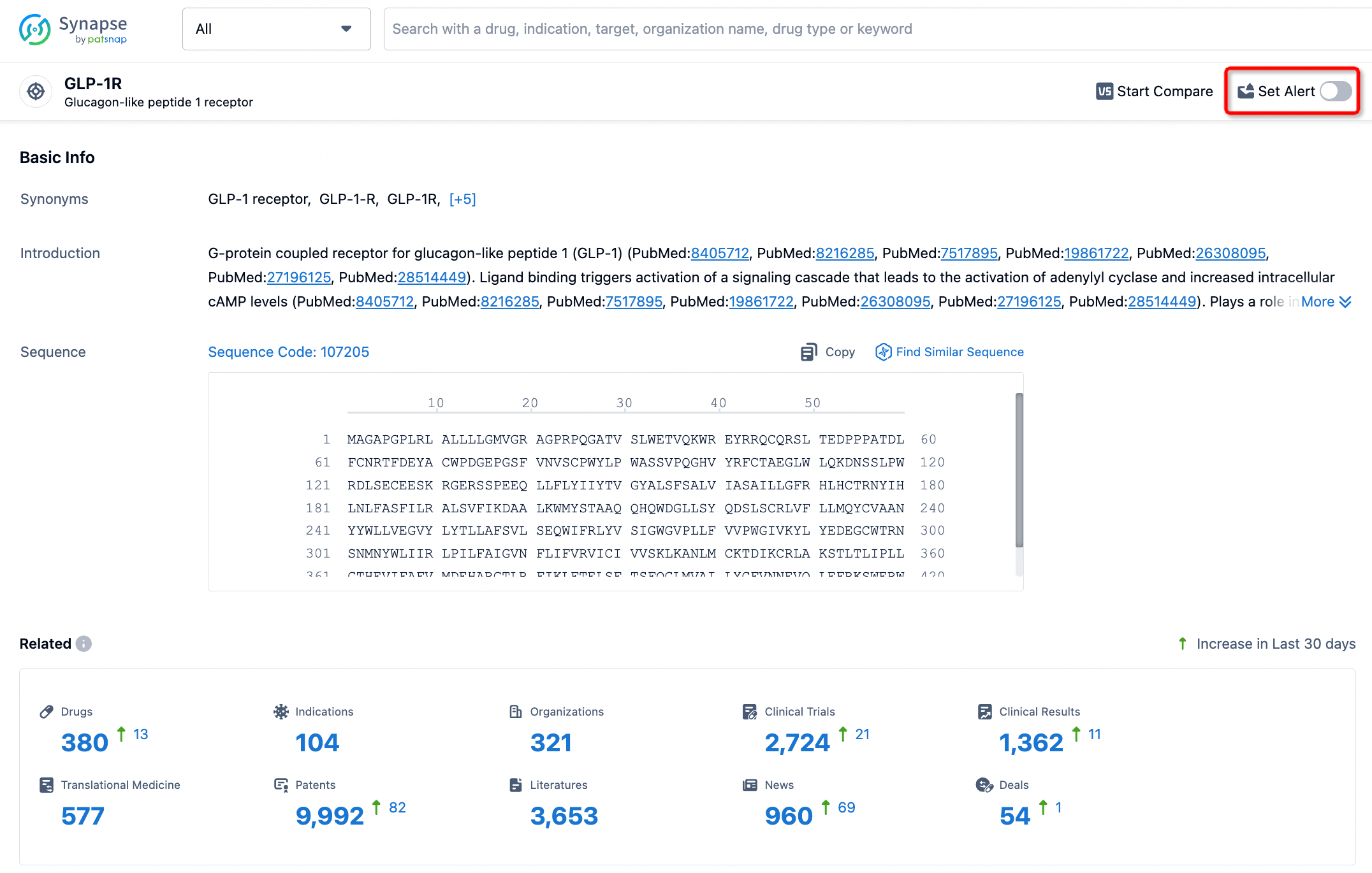
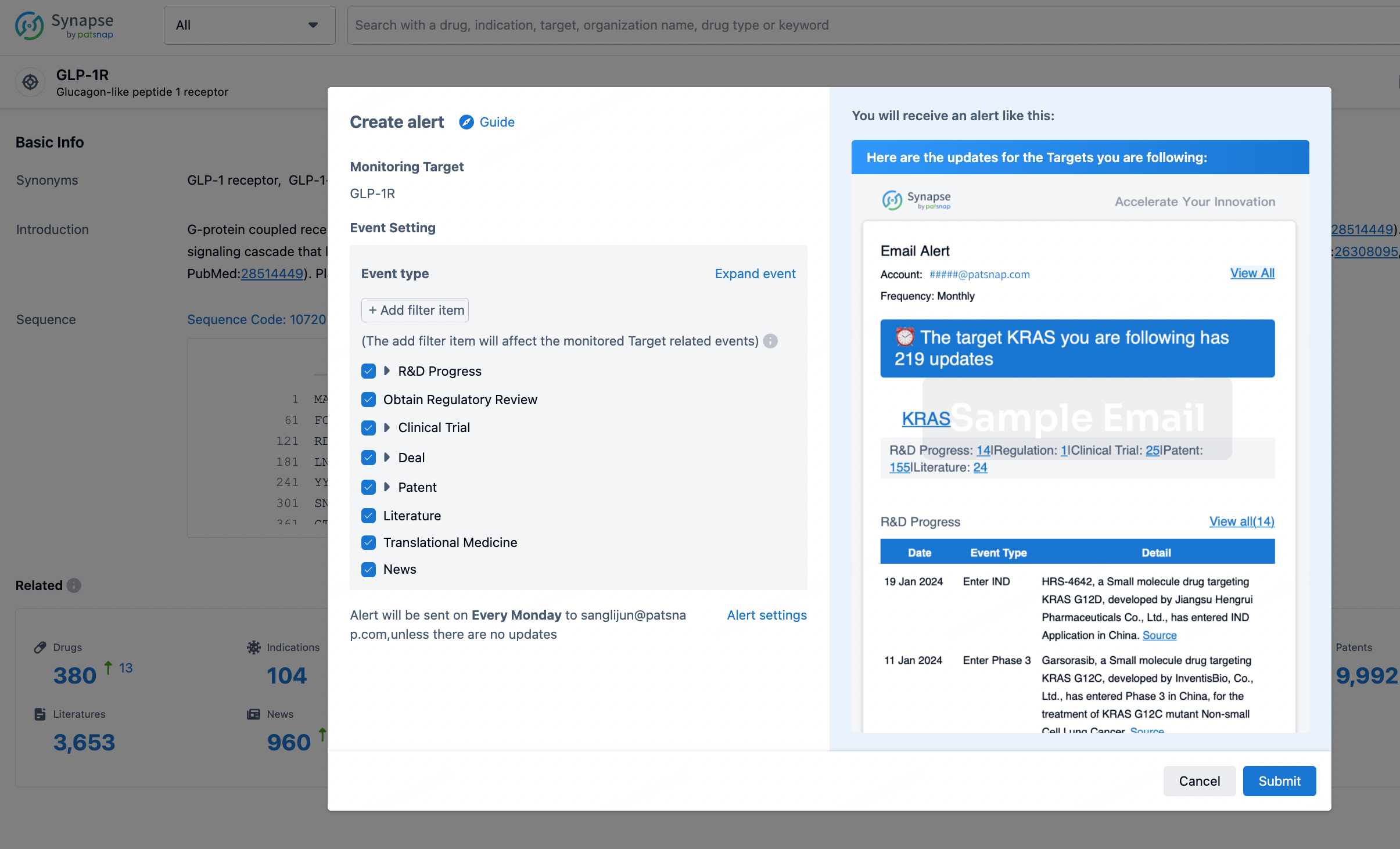
In the Synapse database, you can stay updated on the latest research and development advances of all targets. This service is accessible anytime and anywhere, with updates available daily or weekly. Use the "Set Alert" function to stay informed. Click on the image below to embark on a brand new journey of drug discovery!
AI Agents Built for Biopharma Breakthroughs
Accelerate discovery. Empower decisions. Transform outcomes.
Get started for free today!
Accelerate Strategic R&D decision making with Synapse, PatSnap’s AI-powered Connected Innovation Intelligence Platform Built for Life Sciences Professionals.
Start your data trial now!
Synapse data is also accessible to external entities via APIs or data packages. Empower better decisions with the latest in pharmaceutical intelligence.