Request Demo
What are bFGF modulators and how do they work?
25 June 2024
Basic Fibroblast Growth Factor (bFGF) is a critical protein that plays a significant role in various biological processes such as cell growth, tissue repair, and wound healing. The modulation of bFGF can have substantial implications for medical treatments and therapeutic interventions. This blog post delves into the intricacies of bFGF modulators, how they work, and their applications in modern medicine.
bFGF modulators are agents that can either enhance or inhibit the activity of bFGF. These modulators can be small molecules, peptides, or other types of compounds that interact with the bFGF protein or its receptors. The goal of employing bFGF modulators is to manage the levels and activity of this growth factor to achieve a desired biological response. Given the broad range of processes that bFGF influences, these modulators can have wide-ranging effects, from promoting tissue regeneration to inhibiting tumor growth.
bFGF itself is a member of the fibroblast growth factor family, which is involved in a variety of cellular processes including proliferation, differentiation, and survival. It exerts its effects by binding to specific receptors on the cell surface, known as fibroblast growth factor receptors (FGFRs). When bFGF binds to FGFRs, it triggers a cascade of downstream signaling pathways that ultimately lead to cellular responses such as growth and division.
bFGF modulators work by influencing this interaction between bFGF and its receptors. Enhancers of bFGF activity may increase the affinity of bFGF for its receptors, thereby amplifying the downstream signaling. These enhancers often play a role in tissue repair and regeneration, as they can promote cell proliferation and survival. On the other hand, inhibitors of bFGF activity can block the interaction between bFGF and FGFRs, thereby dampening the downstream signaling. This inhibition can be crucial in conditions where excessive cell proliferation is detrimental, such as in cancer.
One common approach to modulating bFGF activity is through the use of small molecule inhibitors. These molecules can bind to FGFRs and prevent bFGF from attaching, thereby blocking its signaling pathways. Other approaches include the use of monoclonal antibodies that target either bFGF or its receptors, preventing their interaction. Additionally, peptides that mimic bFGF can be used to competitively inhibit its binding to FGFRs.
bFGF modulators are employed in a variety of medical fields due to their versatile roles in cellular processes. One of the primary applications is in the field of regenerative medicine. Enhancers of bFGF activity are used to promote wound healing and tissue repair. For instance, bFGF-based therapies have shown promise in treating chronic wounds, such as diabetic ulcers, by accelerating the healing process and improving tissue regeneration. Similarly, these modulators are being explored for their potential in repairing spinal cord injuries and in other neurological conditions, where they can promote neuronal survival and regeneration.
In the field of oncology, bFGF inhibitors are being investigated for their potential to curb tumor growth. Many cancers exhibit elevated levels of bFGF, which can contribute to the proliferation and survival of cancer cells. By inhibiting bFGF activity, these modulators can potentially slow down tumor progression and enhance the effectiveness of other cancer therapies. For instance, bFGF inhibitors are being explored in conjunction with chemotherapy and radiation therapy to improve their efficacy in targeting cancer cells.
Moreover, bFGF modulators have potential applications in cardiovascular diseases. bFGF plays a role in angiogenesis, the formation of new blood vessels, which is a critical process in the recovery from heart attacks and other cardiovascular conditions. By enhancing bFGF activity, it may be possible to promote the formation of new blood vessels and improve blood flow to damaged tissues.
In summary, bFGF modulators represent a promising area of research with significant potential in various medical fields. Whether enhancing or inhibiting bFGF activity, these modulators offer a versatile approach to managing a range of biological processes and conditions. As research progresses, it is likely that the therapeutic applications of bFGF modulators will continue to expand, offering new hope for patients with diverse medical needs.
bFGF modulators are agents that can either enhance or inhibit the activity of bFGF. These modulators can be small molecules, peptides, or other types of compounds that interact with the bFGF protein or its receptors. The goal of employing bFGF modulators is to manage the levels and activity of this growth factor to achieve a desired biological response. Given the broad range of processes that bFGF influences, these modulators can have wide-ranging effects, from promoting tissue regeneration to inhibiting tumor growth.
bFGF itself is a member of the fibroblast growth factor family, which is involved in a variety of cellular processes including proliferation, differentiation, and survival. It exerts its effects by binding to specific receptors on the cell surface, known as fibroblast growth factor receptors (FGFRs). When bFGF binds to FGFRs, it triggers a cascade of downstream signaling pathways that ultimately lead to cellular responses such as growth and division.
bFGF modulators work by influencing this interaction between bFGF and its receptors. Enhancers of bFGF activity may increase the affinity of bFGF for its receptors, thereby amplifying the downstream signaling. These enhancers often play a role in tissue repair and regeneration, as they can promote cell proliferation and survival. On the other hand, inhibitors of bFGF activity can block the interaction between bFGF and FGFRs, thereby dampening the downstream signaling. This inhibition can be crucial in conditions where excessive cell proliferation is detrimental, such as in cancer.
One common approach to modulating bFGF activity is through the use of small molecule inhibitors. These molecules can bind to FGFRs and prevent bFGF from attaching, thereby blocking its signaling pathways. Other approaches include the use of monoclonal antibodies that target either bFGF or its receptors, preventing their interaction. Additionally, peptides that mimic bFGF can be used to competitively inhibit its binding to FGFRs.
bFGF modulators are employed in a variety of medical fields due to their versatile roles in cellular processes. One of the primary applications is in the field of regenerative medicine. Enhancers of bFGF activity are used to promote wound healing and tissue repair. For instance, bFGF-based therapies have shown promise in treating chronic wounds, such as diabetic ulcers, by accelerating the healing process and improving tissue regeneration. Similarly, these modulators are being explored for their potential in repairing spinal cord injuries and in other neurological conditions, where they can promote neuronal survival and regeneration.
In the field of oncology, bFGF inhibitors are being investigated for their potential to curb tumor growth. Many cancers exhibit elevated levels of bFGF, which can contribute to the proliferation and survival of cancer cells. By inhibiting bFGF activity, these modulators can potentially slow down tumor progression and enhance the effectiveness of other cancer therapies. For instance, bFGF inhibitors are being explored in conjunction with chemotherapy and radiation therapy to improve their efficacy in targeting cancer cells.
Moreover, bFGF modulators have potential applications in cardiovascular diseases. bFGF plays a role in angiogenesis, the formation of new blood vessels, which is a critical process in the recovery from heart attacks and other cardiovascular conditions. By enhancing bFGF activity, it may be possible to promote the formation of new blood vessels and improve blood flow to damaged tissues.
In summary, bFGF modulators represent a promising area of research with significant potential in various medical fields. Whether enhancing or inhibiting bFGF activity, these modulators offer a versatile approach to managing a range of biological processes and conditions. As research progresses, it is likely that the therapeutic applications of bFGF modulators will continue to expand, offering new hope for patients with diverse medical needs.
How to obtain the latest development progress of all targets?
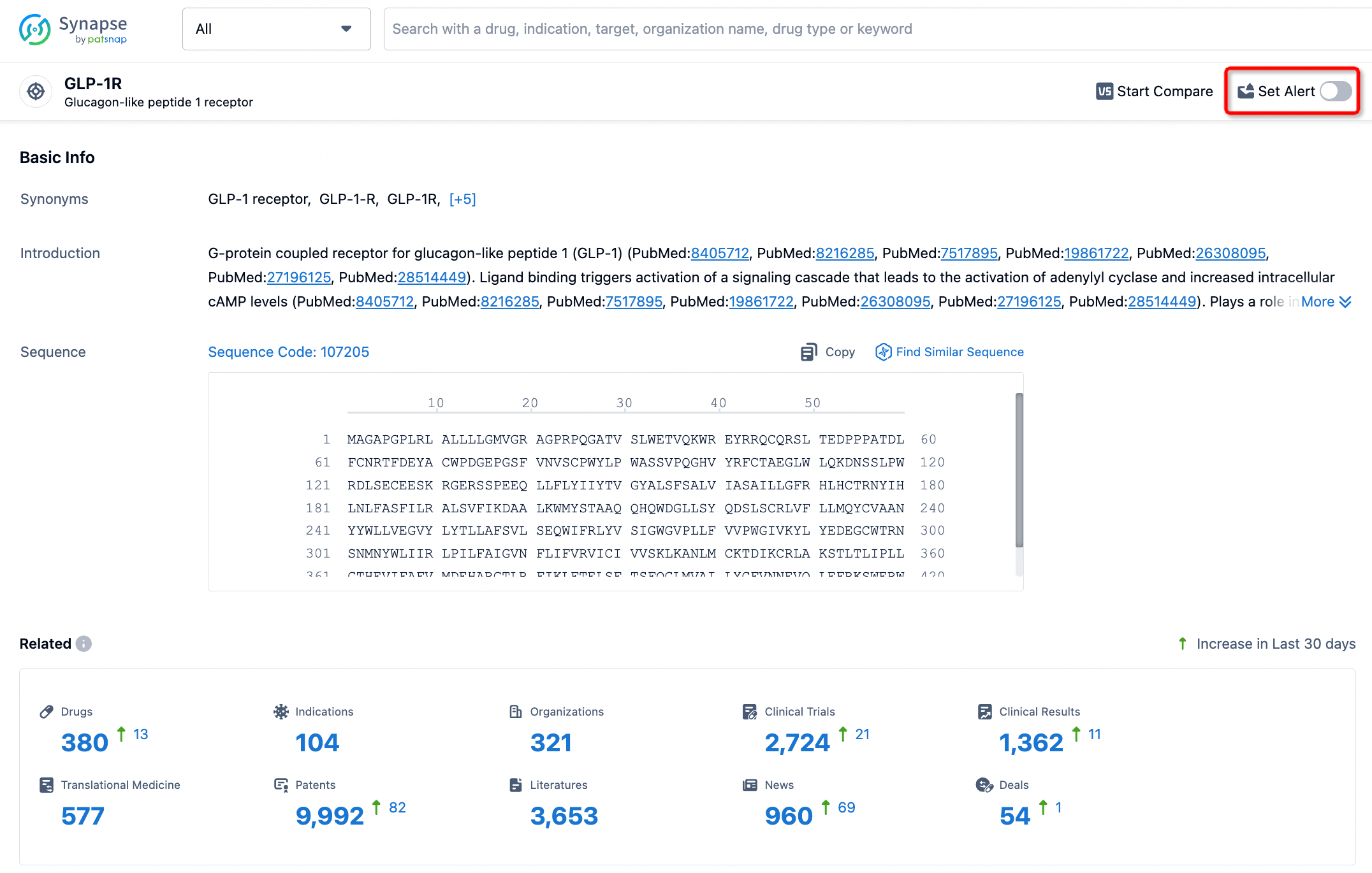
In the Synapse database, you can stay updated on the latest research and development advances of all targets. This service is accessible anytime and anywhere, with updates available daily or weekly. Use the "Set Alert" function to stay informed. Click on the image below to embark on a brand new journey of drug discovery!


Hiro LS Researcher
The AI Search Engine Built to Accelerate Biopharma Decisions
Search across billion-scale life sciences data to uncover signals, validate evidence, and act with confidence.
Ask any biopharma research question→
Get started for free today!
Accelerate Strategic R&D decision making with Synapse, Patsnap’s AI-powered Connected Innovation Intelligence Platform Built for Life Sciences Professionals.
Discover Synapse Data Servers
Synapse data is now integrated into the PatSnap LS Model Context Protocol (MCP) service. Customize your LLM agent now using our MCP server!