Request Demo
What are BTN2A2 inhibitors and how do they work?
25 June 2024
Introduction to BTN2A2 Inhibitors
The world of biomedical research is abundant with fascinating discoveries that have the potential to reshape how we understand and treat various diseases. One such promising area of research involves BTN2A2 inhibitors. BTN2A2, or Butyrophilin Subfamily 2 Member A2, is a protein that has garnered significant interest due to its role in immune regulation, particularly in the context of cancer immunotherapy and autoimmune diseases. The development of BTN2A2 inhibitors represents a novel frontier in medical science, offering hope for more effective and targeted treatments.
How Do BTN2A2 Inhibitors Work?
To appreciate the function of BTN2A2 inhibitors, it’s essential first to understand the role of BTN2A2 itself. BTN2A2 is a member of the butyrophilin family, which is part of the B7 superfamily of immune-regulatory molecules. These molecules are integral in modulating immune responses, often acting as checkpoints that can either stimulate or inhibit immune cell activity.
BTN2A2 specifically interacts with gamma delta (γδ) T cells, a unique subset of T cells that play critical roles in immune surveillance and response. The binding of BTN2A2 to its receptors on γδ T cells can inhibit their activity, reducing the immune response. This mechanism is particularly relevant in cancer, where tumors can exploit this pathway to evade immune detection and destruction.
BTN2A2 inhibitors work by blocking the interaction between BTN2A2 and its receptors on γδ T cells. By inhibiting this binding, these compounds effectively lift the “brakes” on the immune system, allowing γδ T cells to remain active and better able to target and destroy cancer cells. This mechanism is akin to other well-known immune checkpoint inhibitors, such as those targeting PD-1 or CTLA-4, but with a specific focus on the γδ T cell population.
What are BTN2A2 Inhibitors Used For?
The potential applications of BTN2A2 inhibitors are varied and hold promise across several areas of medicine. Here are some of the most notable uses:
1. **Cancer Immunotherapy**: One of the most exciting applications of BTN2A2 inhibitors is in the field of cancer treatment. Immunotherapy has revolutionized oncology by harnessing the body's immune system to fight cancer. BTN2A2 inhibitors can enhance the anti-tumor activity of γδ T cells, making them a potent weapon against various cancers. Preclinical studies have shown that these inhibitors can boost the immune response against tumors, potentially leading to improved outcomes for patients who do not respond to traditional therapies.
2. **Autoimmune Diseases**: While the primary focus has been on cancer, BTN2A2 inhibitors also hold potential in treating autoimmune diseases. These conditions arise when the immune system mistakenly attacks the body's tissues. By modulating the activity of γδ T cells, BTN2A2 inhibitors could help restore immune balance and reduce the aberrant immune responses characteristic of autoimmune disorders like rheumatoid arthritis, multiple sclerosis, and lupus.
3. **Infectious Diseases**: Another area where BTN2A2 inhibitors may prove beneficial is in combating infectious diseases. γδ T cells are known for their role in responding to infections, particularly those caused by bacteria and viruses. Enhancing their activity through BTN2A2 inhibition could bolster the immune system's ability to clear infections, providing a novel approach to treating diseases that are resistant to conventional treatments.
4. **Chronic Inflammatory Conditions**: Beyond autoimmune diseases, chronic inflammation is a hallmark of many conditions, including inflammatory bowel disease (IBD) and chronic obstructive pulmonary disease (COPD). BTN2A2 inhibitors could help mitigate chronic inflammation by modulating γδ T cell responses, offering a new therapeutic avenue for these challenging conditions.
In conclusion, BTN2A2 inhibitors represent a promising and versatile class of compounds with potential applications across cancer, autoimmune disorders, infectious diseases, and chronic inflammatory conditions. As research into these inhibitors continues, we may soon witness the emergence of new, more effective treatments that can significantly improve patient outcomes and quality of life. The ongoing exploration of BTN2A2 and its inhibitors underscores the dynamic and ever-evolving nature of medical science, offering hope for a healthier future.
The world of biomedical research is abundant with fascinating discoveries that have the potential to reshape how we understand and treat various diseases. One such promising area of research involves BTN2A2 inhibitors. BTN2A2, or Butyrophilin Subfamily 2 Member A2, is a protein that has garnered significant interest due to its role in immune regulation, particularly in the context of cancer immunotherapy and autoimmune diseases. The development of BTN2A2 inhibitors represents a novel frontier in medical science, offering hope for more effective and targeted treatments.
How Do BTN2A2 Inhibitors Work?
To appreciate the function of BTN2A2 inhibitors, it’s essential first to understand the role of BTN2A2 itself. BTN2A2 is a member of the butyrophilin family, which is part of the B7 superfamily of immune-regulatory molecules. These molecules are integral in modulating immune responses, often acting as checkpoints that can either stimulate or inhibit immune cell activity.
BTN2A2 specifically interacts with gamma delta (γδ) T cells, a unique subset of T cells that play critical roles in immune surveillance and response. The binding of BTN2A2 to its receptors on γδ T cells can inhibit their activity, reducing the immune response. This mechanism is particularly relevant in cancer, where tumors can exploit this pathway to evade immune detection and destruction.
BTN2A2 inhibitors work by blocking the interaction between BTN2A2 and its receptors on γδ T cells. By inhibiting this binding, these compounds effectively lift the “brakes” on the immune system, allowing γδ T cells to remain active and better able to target and destroy cancer cells. This mechanism is akin to other well-known immune checkpoint inhibitors, such as those targeting PD-1 or CTLA-4, but with a specific focus on the γδ T cell population.
What are BTN2A2 Inhibitors Used For?
The potential applications of BTN2A2 inhibitors are varied and hold promise across several areas of medicine. Here are some of the most notable uses:
1. **Cancer Immunotherapy**: One of the most exciting applications of BTN2A2 inhibitors is in the field of cancer treatment. Immunotherapy has revolutionized oncology by harnessing the body's immune system to fight cancer. BTN2A2 inhibitors can enhance the anti-tumor activity of γδ T cells, making them a potent weapon against various cancers. Preclinical studies have shown that these inhibitors can boost the immune response against tumors, potentially leading to improved outcomes for patients who do not respond to traditional therapies.
2. **Autoimmune Diseases**: While the primary focus has been on cancer, BTN2A2 inhibitors also hold potential in treating autoimmune diseases. These conditions arise when the immune system mistakenly attacks the body's tissues. By modulating the activity of γδ T cells, BTN2A2 inhibitors could help restore immune balance and reduce the aberrant immune responses characteristic of autoimmune disorders like rheumatoid arthritis, multiple sclerosis, and lupus.
3. **Infectious Diseases**: Another area where BTN2A2 inhibitors may prove beneficial is in combating infectious diseases. γδ T cells are known for their role in responding to infections, particularly those caused by bacteria and viruses. Enhancing their activity through BTN2A2 inhibition could bolster the immune system's ability to clear infections, providing a novel approach to treating diseases that are resistant to conventional treatments.
4. **Chronic Inflammatory Conditions**: Beyond autoimmune diseases, chronic inflammation is a hallmark of many conditions, including inflammatory bowel disease (IBD) and chronic obstructive pulmonary disease (COPD). BTN2A2 inhibitors could help mitigate chronic inflammation by modulating γδ T cell responses, offering a new therapeutic avenue for these challenging conditions.
In conclusion, BTN2A2 inhibitors represent a promising and versatile class of compounds with potential applications across cancer, autoimmune disorders, infectious diseases, and chronic inflammatory conditions. As research into these inhibitors continues, we may soon witness the emergence of new, more effective treatments that can significantly improve patient outcomes and quality of life. The ongoing exploration of BTN2A2 and its inhibitors underscores the dynamic and ever-evolving nature of medical science, offering hope for a healthier future.
How to obtain the latest development progress of all targets?
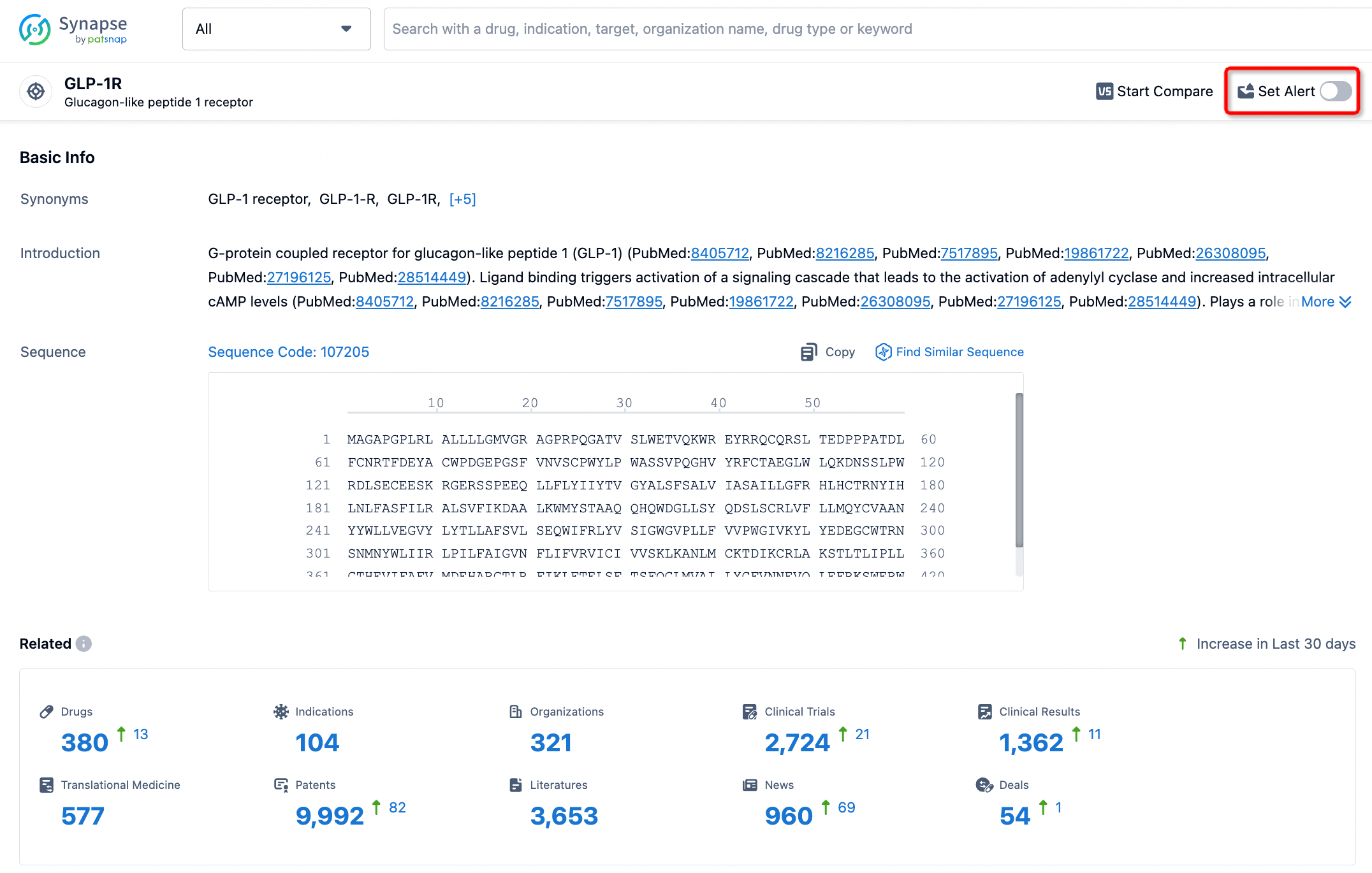
In the Synapse database, you can stay updated on the latest research and development advances of all targets. This service is accessible anytime and anywhere, with updates available daily or weekly. Use the "Set Alert" function to stay informed. Click on the image below to embark on a brand new journey of drug discovery!


AI Agents Built for Biopharma Breakthroughs
Accelerate discovery. Empower decisions. Transform outcomes.
Get started for free today!
Accelerate Strategic R&D decision making with Synapse, PatSnap’s AI-powered Connected Innovation Intelligence Platform Built for Life Sciences Professionals.
Start your data trial now!
Synapse data is also accessible to external entities via APIs or data packages. Empower better decisions with the latest in pharmaceutical intelligence.