Request Demo
What are BTN3A1 stimulants and how do they work?
25 June 2024
BTN3A1 stimulants, a fascinating topic in the realm of immunotherapy and cancer treatment, have been garnering considerable attention in recent years. BTN3A1, or Butyrophilin Subfamily 3 Member A1, is a protein that plays a significant role in the immune response, particularly in the activation of gamma delta T cells. These T cells are a unique subset of the immune system, known for their ability to recognize and destroy cancer cells. BTN3A1 stimulants are a promising avenue for enhancing the body's natural immune response to fight cancer and other diseases.
The mechanism by which BTN3A1 stimulants work is rooted in the intricate interactions between proteins on the surface of immune cells. BTN3A1 is a member of the butyrophilin family, which is involved in the regulation of immune responses. When gamma delta T cells come into contact with BTN3A1 on the surface of other cells, a specific signaling pathway is activated. This interaction prompts the gamma delta T cells to become more active and effective in targeting and eliminating abnormal cells, such as cancer cells.
BTN3A1 stimulants are designed to enhance this natural process. By stimulating BTN3A1, these compounds can boost the activity of gamma delta T cells, improving their ability to recognize and kill cancer cells. This stimulation can be achieved through various means, including small molecules, antibodies, or other biologics that specifically target the BTN3A1 protein. The overall goal is to enhance the body's own immune response, making it more efficient at detecting and destroying cancerous cells.
BTN3A1 stimulants hold great promise for a variety of applications, primarily in the field of cancer immunotherapy. As researchers continue to uncover the complex mechanisms of the immune system, the potential uses for BTN3A1 stimulants are expanding. One of the most significant applications is in the treatment of solid tumors. Traditional cancer treatments, such as chemotherapy and radiation, often come with severe side effects and can damage healthy cells. In contrast, BTN3A1 stimulants aim to selectively target cancer cells, potentially reducing side effects and improving treatment outcomes.
Moreover, BTN3A1 stimulants may also be beneficial in hematologic malignancies, such as leukemia and lymphoma. In these cancers, the abnormal cells are often more accessible to the immune system, making them ideal targets for immunotherapy. By enhancing the activity of gamma delta T cells, BTN3A1 stimulants can potentially improve the body's ability to control and eliminate these malignancies.
In addition to cancer treatment, BTN3A1 stimulants are being explored for their potential in infectious disease management. Gamma delta T cells are known to play a role in the immune response to various pathogens, including bacteria and viruses. By boosting the activity of these cells through BTN3A1 stimulation, it may be possible to enhance the body's ability to fight off infections more effectively. This could be particularly valuable in cases where traditional antibiotics or antiviral medications are ineffective or where rapid immune response is critical.
Furthermore, there is ongoing research into the use of BTN3A1 stimulants in combination with other immunotherapies. Combining BTN3A1 stimulants with checkpoint inhibitors, for example, could provide a synergistic effect, further enhancing the immune response against cancer. This multi-faceted approach aims to leverage the strengths of different therapies to achieve better clinical outcomes for patients.
In conclusion, BTN3A1 stimulants represent a promising and innovative approach in the field of immunotherapy. By harnessing the power of gamma delta T cells, these stimulants offer potential benefits in the treatment of cancer, infectious diseases, and beyond. As research continues to evolve, the future of BTN3A1 stimulants looks increasingly bright, offering hope for more effective and targeted therapies that improve the lives of patients around the world.
The mechanism by which BTN3A1 stimulants work is rooted in the intricate interactions between proteins on the surface of immune cells. BTN3A1 is a member of the butyrophilin family, which is involved in the regulation of immune responses. When gamma delta T cells come into contact with BTN3A1 on the surface of other cells, a specific signaling pathway is activated. This interaction prompts the gamma delta T cells to become more active and effective in targeting and eliminating abnormal cells, such as cancer cells.
BTN3A1 stimulants are designed to enhance this natural process. By stimulating BTN3A1, these compounds can boost the activity of gamma delta T cells, improving their ability to recognize and kill cancer cells. This stimulation can be achieved through various means, including small molecules, antibodies, or other biologics that specifically target the BTN3A1 protein. The overall goal is to enhance the body's own immune response, making it more efficient at detecting and destroying cancerous cells.
BTN3A1 stimulants hold great promise for a variety of applications, primarily in the field of cancer immunotherapy. As researchers continue to uncover the complex mechanisms of the immune system, the potential uses for BTN3A1 stimulants are expanding. One of the most significant applications is in the treatment of solid tumors. Traditional cancer treatments, such as chemotherapy and radiation, often come with severe side effects and can damage healthy cells. In contrast, BTN3A1 stimulants aim to selectively target cancer cells, potentially reducing side effects and improving treatment outcomes.
Moreover, BTN3A1 stimulants may also be beneficial in hematologic malignancies, such as leukemia and lymphoma. In these cancers, the abnormal cells are often more accessible to the immune system, making them ideal targets for immunotherapy. By enhancing the activity of gamma delta T cells, BTN3A1 stimulants can potentially improve the body's ability to control and eliminate these malignancies.
In addition to cancer treatment, BTN3A1 stimulants are being explored for their potential in infectious disease management. Gamma delta T cells are known to play a role in the immune response to various pathogens, including bacteria and viruses. By boosting the activity of these cells through BTN3A1 stimulation, it may be possible to enhance the body's ability to fight off infections more effectively. This could be particularly valuable in cases where traditional antibiotics or antiviral medications are ineffective or where rapid immune response is critical.
Furthermore, there is ongoing research into the use of BTN3A1 stimulants in combination with other immunotherapies. Combining BTN3A1 stimulants with checkpoint inhibitors, for example, could provide a synergistic effect, further enhancing the immune response against cancer. This multi-faceted approach aims to leverage the strengths of different therapies to achieve better clinical outcomes for patients.
In conclusion, BTN3A1 stimulants represent a promising and innovative approach in the field of immunotherapy. By harnessing the power of gamma delta T cells, these stimulants offer potential benefits in the treatment of cancer, infectious diseases, and beyond. As research continues to evolve, the future of BTN3A1 stimulants looks increasingly bright, offering hope for more effective and targeted therapies that improve the lives of patients around the world.
How to obtain the latest development progress of all targets?
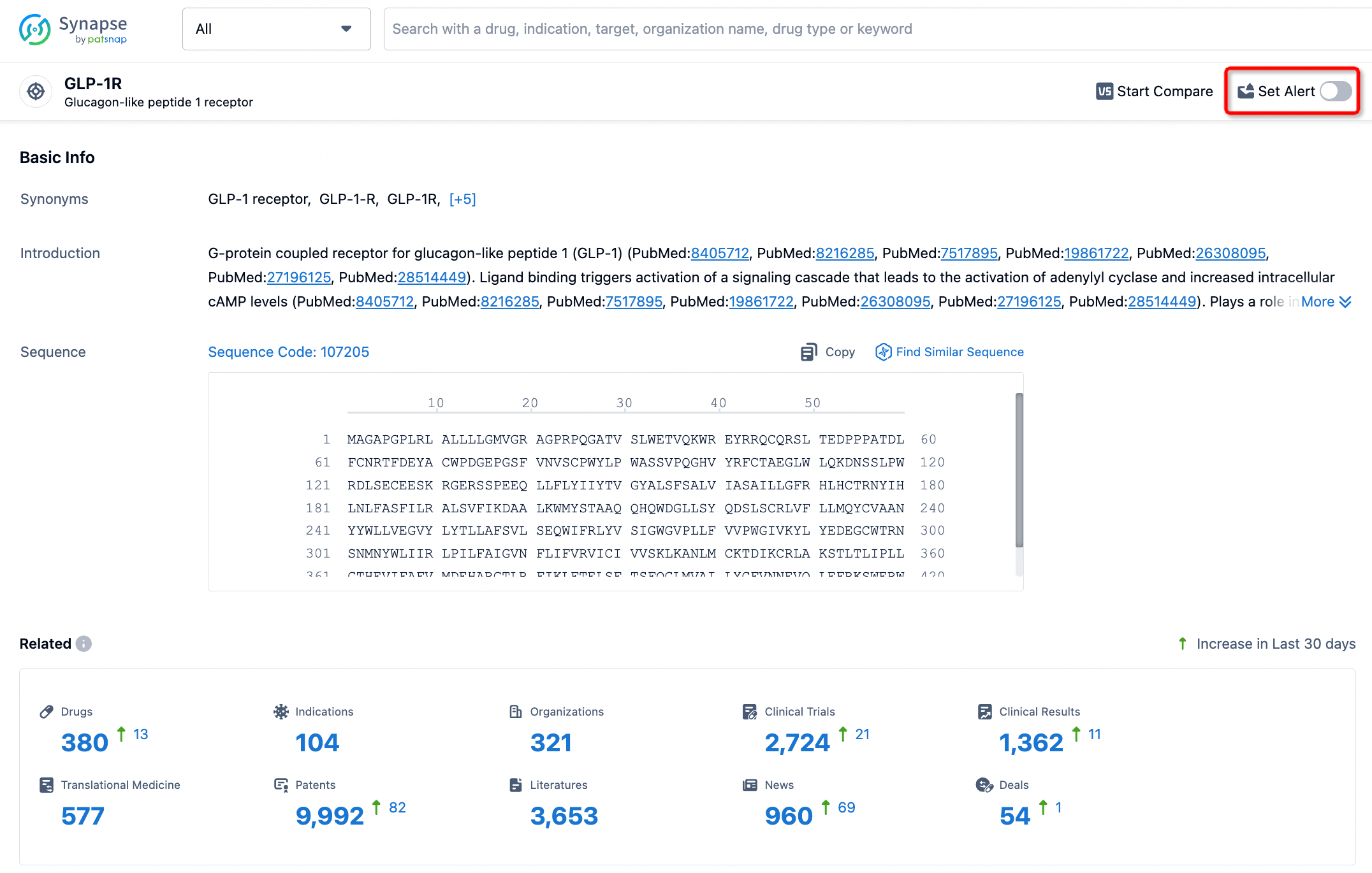
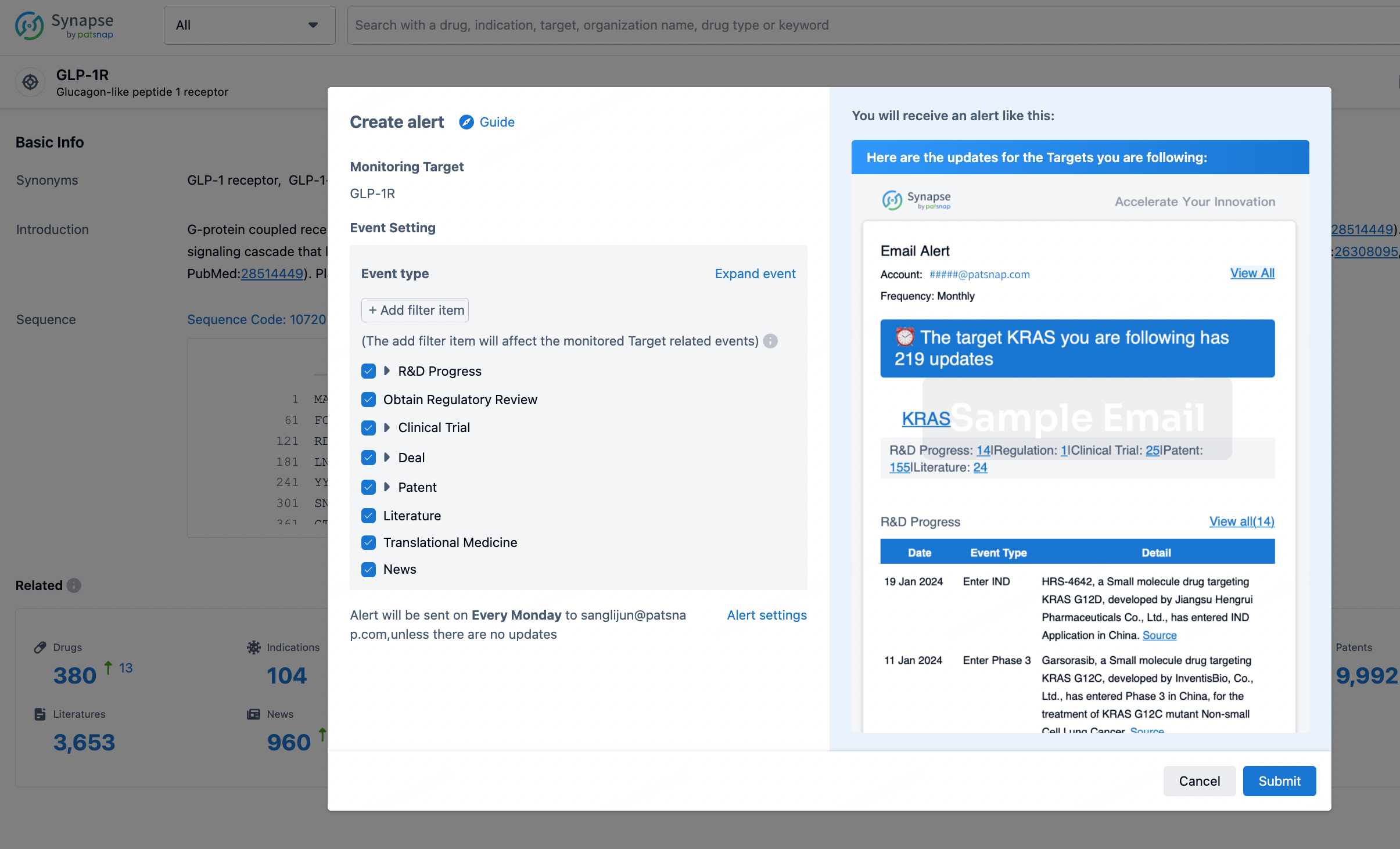
In the Synapse database, you can stay updated on the latest research and development advances of all targets. This service is accessible anytime and anywhere, with updates available daily or weekly. Use the "Set Alert" function to stay informed. Click on the image below to embark on a brand new journey of drug discovery!

AI Agents Built for Biopharma Breakthroughs
Accelerate discovery. Empower decisions. Transform outcomes.
Get started for free today!
Accelerate Strategic R&D decision making with Synapse, PatSnap’s AI-powered Connected Innovation Intelligence Platform Built for Life Sciences Professionals.
Start your data trial now!
Synapse data is also accessible to external entities via APIs or data packages. Empower better decisions with the latest in pharmaceutical intelligence.