Request Demo
What are CAV1 modulators and how do they work?
25 June 2024
Caveolin-1 (CAV1) is a scaffolding protein that plays a crucial role in the formation of caveolae—small invaginations found in the plasma membrane of many vertebrate cells. These structures are involved in various cellular processes, such as signal transduction, lipid regulation, and endocytosis. Given the significance of CAV1 in numerous biological functions, researchers have been focusing on developing CAV1 modulators—compounds that can either enhance or inhibit the activity of this protein. This blog post will delve into the fascinating world of CAV1 modulators, exploring how they work and what they are used for.
How do CAV1 modulators work?
CAV1 modulators function by altering the activity or expression of the CAV1 protein, thereby influencing the formation and function of caveolae. There are two primary types of CAV1 modulators: activators and inhibitors. Activators work by increasing the expression or activity of CAV1, thereby promoting the formation of caveolae and enhancing their associated cellular processes. In contrast, inhibitors decrease the expression or activity of CAV1, leading to a reduction in caveolae formation and the downregulation of their functions.
These modulators exert their effects through various mechanisms. Some act directly on the CAV1 protein, binding to specific sites and altering its conformation or stability. Others may influence the gene expression of CAV1, either upregulating or downregulating its transcription. Additionally, certain modulators affect the post-translational modifications of CAV1, such as phosphorylation or palmitoylation, which can impact its activity and interactions with other proteins.
The development of CAV1 modulators often involves high-throughput screening of small molecule libraries to identify potential candidates that can modulate CAV1 activity. Once identified, these compounds undergo further optimization and validation through in vitro and in vivo studies to assess their efficacy and safety. Advanced techniques, such as CRISPR/Cas9 gene editing and RNA interference, are also employed to investigate the specific roles of CAV1 and validate the effects of these modulators.
What are CAV1 modulators used for?
CAV1 modulators have shown promise in various therapeutic applications, owing to the diverse roles of CAV1 in cellular processes and disease pathogenesis. Here, we explore some of the key areas where CAV1 modulators are being investigated for their potential benefits.
1. Cancer therapy: CAV1 has been implicated in multiple types of cancer, with its expression levels often correlating with tumor progression and metastasis. In some cancers, CAV1 acts as a tumor suppressor, while in others, it functions as an oncogene. As a result, CAV1 modulators can be tailored to either inhibit or activate CAV1, depending on the specific cancer type. For instance, inhibiting CAV1 in cancers where it promotes tumor growth can reduce cell proliferation and metastasis, whereas activating CAV1 in cancers where it acts as a suppressor can induce apoptosis and inhibit tumor progression.
2. Cardiovascular diseases: CAV1 plays a significant role in cardiovascular health by regulating endothelial function, vascular tone, and cholesterol homeostasis. Modulating CAV1 activity can therefore have therapeutic benefits in conditions such as atherosclerosis, hypertension, and heart failure. For example, CAV1 activators can enhance nitric oxide signaling in endothelial cells, leading to improved vasodilation and reduced blood pressure. Conversely, CAV1 inhibitors can be used to prevent the formation of atherosclerotic plaques by reducing lipid accumulation and inflammation.
3. Pulmonary diseases: CAV1 is involved in the pathogenesis of various lung diseases, including chronic obstructive pulmonary disease (COPD), pulmonary fibrosis, and asthma. Modulating CAV1 activity can help alleviate symptoms and slow disease progression. In COPD, for instance, CAV1 activators can reduce inflammation and oxidative stress, improving lung function and reducing exacerbations. Similarly, in pulmonary fibrosis, CAV1 inhibitors can decrease fibroblast proliferation and collagen deposition, mitigating tissue scarring and improving respiratory outcomes.
4. Metabolic disorders: CAV1 is a key player in lipid metabolism and insulin signaling, making it a potential target for treating metabolic disorders such as obesity and type 2 diabetes. CAV1 activators can enhance insulin sensitivity and glucose uptake in adipocytes and muscle cells, improving glycemic control and reducing the risk of complications. Additionally, modulating CAV1 activity can influence lipid storage and mobilization, offering potential benefits in managing obesity and associated metabolic conditions.
In conclusion, CAV1 modulators represent a promising avenue for therapeutic intervention across a range of diseases. By targeting the intricate roles of CAV1 in cellular processes, these compounds hold the potential to improve outcomes in cancer, cardiovascular, pulmonary, and metabolic disorders. As research progresses, we can anticipate the development of more refined and efficacious CAV1 modulators, opening new doors for innovative treatments and improved patient care.
How do CAV1 modulators work?
CAV1 modulators function by altering the activity or expression of the CAV1 protein, thereby influencing the formation and function of caveolae. There are two primary types of CAV1 modulators: activators and inhibitors. Activators work by increasing the expression or activity of CAV1, thereby promoting the formation of caveolae and enhancing their associated cellular processes. In contrast, inhibitors decrease the expression or activity of CAV1, leading to a reduction in caveolae formation and the downregulation of their functions.
These modulators exert their effects through various mechanisms. Some act directly on the CAV1 protein, binding to specific sites and altering its conformation or stability. Others may influence the gene expression of CAV1, either upregulating or downregulating its transcription. Additionally, certain modulators affect the post-translational modifications of CAV1, such as phosphorylation or palmitoylation, which can impact its activity and interactions with other proteins.
The development of CAV1 modulators often involves high-throughput screening of small molecule libraries to identify potential candidates that can modulate CAV1 activity. Once identified, these compounds undergo further optimization and validation through in vitro and in vivo studies to assess their efficacy and safety. Advanced techniques, such as CRISPR/Cas9 gene editing and RNA interference, are also employed to investigate the specific roles of CAV1 and validate the effects of these modulators.
What are CAV1 modulators used for?
CAV1 modulators have shown promise in various therapeutic applications, owing to the diverse roles of CAV1 in cellular processes and disease pathogenesis. Here, we explore some of the key areas where CAV1 modulators are being investigated for their potential benefits.
1. Cancer therapy: CAV1 has been implicated in multiple types of cancer, with its expression levels often correlating with tumor progression and metastasis. In some cancers, CAV1 acts as a tumor suppressor, while in others, it functions as an oncogene. As a result, CAV1 modulators can be tailored to either inhibit or activate CAV1, depending on the specific cancer type. For instance, inhibiting CAV1 in cancers where it promotes tumor growth can reduce cell proliferation and metastasis, whereas activating CAV1 in cancers where it acts as a suppressor can induce apoptosis and inhibit tumor progression.
2. Cardiovascular diseases: CAV1 plays a significant role in cardiovascular health by regulating endothelial function, vascular tone, and cholesterol homeostasis. Modulating CAV1 activity can therefore have therapeutic benefits in conditions such as atherosclerosis, hypertension, and heart failure. For example, CAV1 activators can enhance nitric oxide signaling in endothelial cells, leading to improved vasodilation and reduced blood pressure. Conversely, CAV1 inhibitors can be used to prevent the formation of atherosclerotic plaques by reducing lipid accumulation and inflammation.
3. Pulmonary diseases: CAV1 is involved in the pathogenesis of various lung diseases, including chronic obstructive pulmonary disease (COPD), pulmonary fibrosis, and asthma. Modulating CAV1 activity can help alleviate symptoms and slow disease progression. In COPD, for instance, CAV1 activators can reduce inflammation and oxidative stress, improving lung function and reducing exacerbations. Similarly, in pulmonary fibrosis, CAV1 inhibitors can decrease fibroblast proliferation and collagen deposition, mitigating tissue scarring and improving respiratory outcomes.
4. Metabolic disorders: CAV1 is a key player in lipid metabolism and insulin signaling, making it a potential target for treating metabolic disorders such as obesity and type 2 diabetes. CAV1 activators can enhance insulin sensitivity and glucose uptake in adipocytes and muscle cells, improving glycemic control and reducing the risk of complications. Additionally, modulating CAV1 activity can influence lipid storage and mobilization, offering potential benefits in managing obesity and associated metabolic conditions.
In conclusion, CAV1 modulators represent a promising avenue for therapeutic intervention across a range of diseases. By targeting the intricate roles of CAV1 in cellular processes, these compounds hold the potential to improve outcomes in cancer, cardiovascular, pulmonary, and metabolic disorders. As research progresses, we can anticipate the development of more refined and efficacious CAV1 modulators, opening new doors for innovative treatments and improved patient care.
How to obtain the latest development progress of all targets?
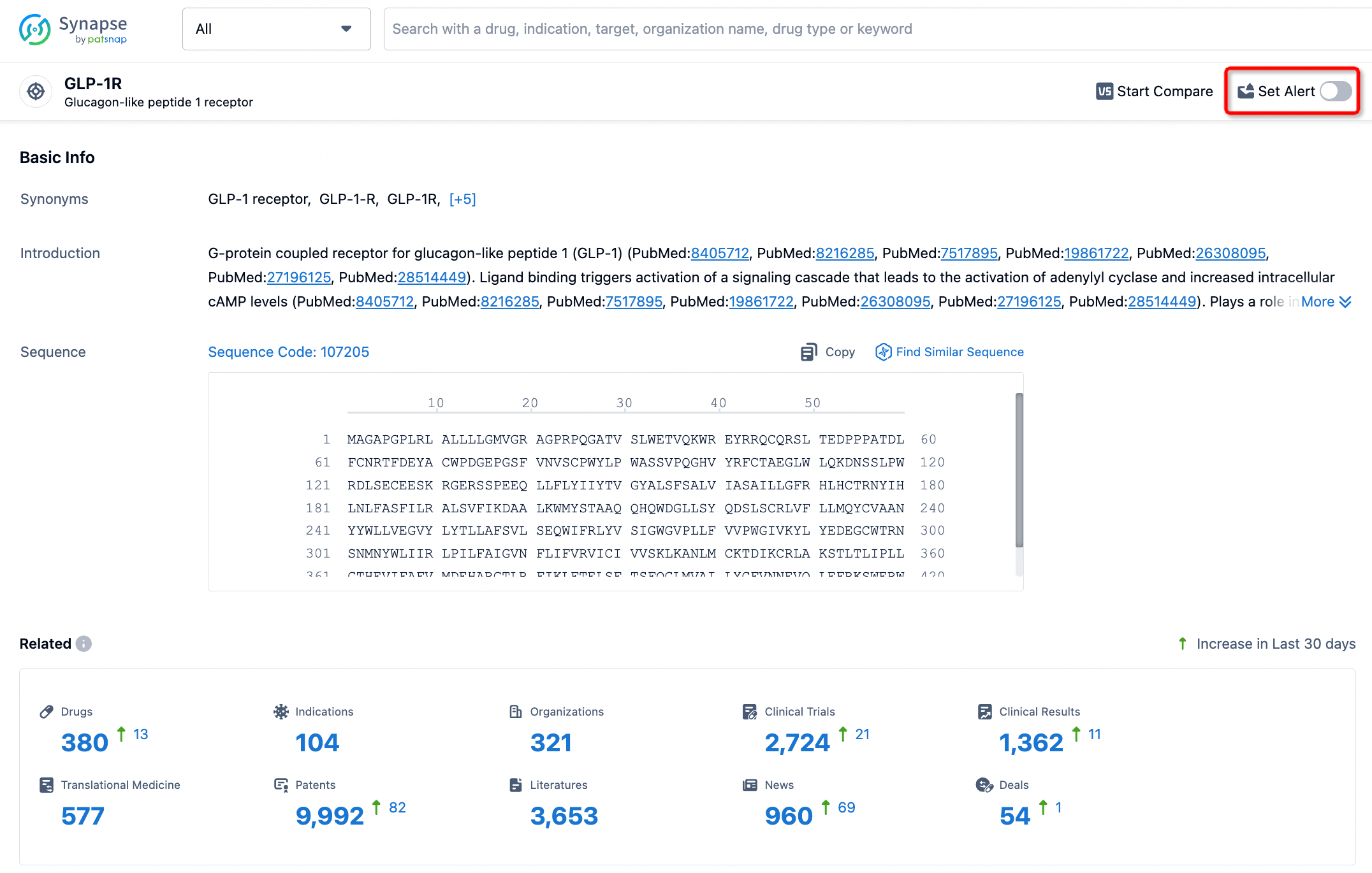
In the Synapse database, you can stay updated on the latest research and development advances of all targets. This service is accessible anytime and anywhere, with updates available daily or weekly. Use the "Set Alert" function to stay informed. Click on the image below to embark on a brand new journey of drug discovery!

Hiro LS Researcher
The AI Search Engine Built to Accelerate Biopharma Decisions
Search across billion-scale life sciences data to uncover signals, validate evidence, and act with confidence.
Ask any biopharma research question→
Get started for free today!
Accelerate Strategic R&D decision making with Synapse, Patsnap’s AI-powered Connected Innovation Intelligence Platform Built for Life Sciences Professionals.
Discover Synapse Data Servers
Synapse data is now integrated into the PatSnap LS Model Context Protocol (MCP) service. Customize your LLM agent now using our MCP server!