Request Demo
What are CCL4L1 inhibitors and how do they work?
25 June 2024
CCL4L1 inhibitors represent a fascinating frontier in the realm of therapeutic interventions, particularly in the treatment of inflammatory and immune-related disorders. CCL4L1, or chemokine (C-C motif) ligand 4-like 1, is a protein involved in the immune system's signaling pathways. As with many components of the immune system, the regulation of CCL4L1 is critical for maintaining homeostasis and preventing pathological conditions. Inhibitors of CCL4L1 have emerged as promising candidates for modulating immune responses, with potential applications across a variety of medical conditions.
CCL4L1, a chemokine, plays a pivotal role in immune cell trafficking, particularly in the recruitment of T cells, monocytes, and dendritic cells to sites of inflammation. By binding to its receptors, primarily CCR5, CCL4L1 activates signaling pathways that potentiate immune responses. While these mechanisms are essential for defending against pathogens and healing injured tissues, they can also contribute to pathological inflammation if left unchecked. This is where CCL4L1 inhibitors come into play – by blocking the action of CCL4L1, these inhibitors can potentially mitigate excessive inflammatory responses that underlie various diseases.
CCL4L1 inhibitors work by targeting the interaction between CCL4L1 and its receptor, CCR5. The inhibition can occur in several ways. Some inhibitors function by binding directly to CCL4L1, preventing it from engaging with CCR5. Others may act on the CCR5 receptor itself, blocking its ability to bind with CCL4L1. By disrupting this interaction, these inhibitors can effectively reduce the migration and activation of immune cells that drive inflammation. This mechanism is particularly relevant in conditions where immune cell infiltration exacerbates tissue damage and disease progression.
The development of CCL4L1 inhibitors involves sophisticated drug design strategies, including small molecules, monoclonal antibodies, and peptide-based inhibitors. Each of these approaches has distinct advantages. Small molecules can penetrate tissues more easily and are typically easier to administer orally. Monoclonal antibodies offer high specificity and can be engineered to have prolonged activity in the body. Peptide-based inhibitors, on the other hand, can be designed to mimic the natural structure of CCL4L1, providing a highly targeted approach. Through these various strategies, researchers aim to create effective and safe CCL4L1 inhibitors that can be tailored to specific therapeutic needs.
CCL4L1 inhibitors are being explored for their potential uses in a wide range of medical conditions, primarily those characterized by chronic inflammation and immune dysregulation. One of the most promising areas is in the treatment of autoimmune diseases, such as rheumatoid arthritis, multiple sclerosis, and inflammatory bowel disease. In these conditions, the immune system erroneously targets the body's own tissues, leading to sustained inflammation and tissue damage. By inhibiting CCL4L1, it may be possible to reduce immune cell infiltration and activation, thereby alleviating symptoms and slowing disease progression.
In addition to autoimmune diseases, CCL4L1 inhibitors are being investigated for their potential in treating certain types of cancer. Tumors can manipulate the immune system to create a microenvironment that supports their growth and protects them from immune attack. CCL4L1 is one of the chemokines involved in this process, promoting the recruitment of immune cells that aid tumor progression. Inhibitors of CCL4L1 could disrupt this interaction, enhancing the effectiveness of other cancer therapies and potentially reducing tumor growth.
Chronic infections, such as HIV, are another area where CCL4L1 inhibitors show promise. CCR5, the receptor for CCL4L1, is also a co-receptor used by HIV to enter and infect cells. By blocking this receptor, CCL4L1 inhibitors could potentially reduce the ability of the virus to infect new cells, offering a novel approach to HIV treatment.
Moreover, CCL4L1 inhibitors may have applications in cardiovascular diseases, where inflammation plays a critical role in the development and progression of conditions such as atherosclerosis. By mitigating inflammatory responses, these inhibitors could help prevent the formation of plaques in blood vessels, reducing the risk of heart attacks and strokes.
In summary, CCL4L1 inhibitors represent a versatile and promising class of therapeutic agents with potential applications in a wide range of inflammatory and immune-related disorders. Through targeted inhibition of CCL4L1-CCR5 interactions, these inhibitors offer a novel approach to modulating immune responses, with the potential to significantly impact the treatment of autoimmune diseases, cancer, chronic infections, and cardiovascular conditions. As research in this field continues to advance, we can expect to see new and exciting developments that may revolutionize the way we approach these challenging health issues.
CCL4L1, a chemokine, plays a pivotal role in immune cell trafficking, particularly in the recruitment of T cells, monocytes, and dendritic cells to sites of inflammation. By binding to its receptors, primarily CCR5, CCL4L1 activates signaling pathways that potentiate immune responses. While these mechanisms are essential for defending against pathogens and healing injured tissues, they can also contribute to pathological inflammation if left unchecked. This is where CCL4L1 inhibitors come into play – by blocking the action of CCL4L1, these inhibitors can potentially mitigate excessive inflammatory responses that underlie various diseases.
CCL4L1 inhibitors work by targeting the interaction between CCL4L1 and its receptor, CCR5. The inhibition can occur in several ways. Some inhibitors function by binding directly to CCL4L1, preventing it from engaging with CCR5. Others may act on the CCR5 receptor itself, blocking its ability to bind with CCL4L1. By disrupting this interaction, these inhibitors can effectively reduce the migration and activation of immune cells that drive inflammation. This mechanism is particularly relevant in conditions where immune cell infiltration exacerbates tissue damage and disease progression.
The development of CCL4L1 inhibitors involves sophisticated drug design strategies, including small molecules, monoclonal antibodies, and peptide-based inhibitors. Each of these approaches has distinct advantages. Small molecules can penetrate tissues more easily and are typically easier to administer orally. Monoclonal antibodies offer high specificity and can be engineered to have prolonged activity in the body. Peptide-based inhibitors, on the other hand, can be designed to mimic the natural structure of CCL4L1, providing a highly targeted approach. Through these various strategies, researchers aim to create effective and safe CCL4L1 inhibitors that can be tailored to specific therapeutic needs.
CCL4L1 inhibitors are being explored for their potential uses in a wide range of medical conditions, primarily those characterized by chronic inflammation and immune dysregulation. One of the most promising areas is in the treatment of autoimmune diseases, such as rheumatoid arthritis, multiple sclerosis, and inflammatory bowel disease. In these conditions, the immune system erroneously targets the body's own tissues, leading to sustained inflammation and tissue damage. By inhibiting CCL4L1, it may be possible to reduce immune cell infiltration and activation, thereby alleviating symptoms and slowing disease progression.
In addition to autoimmune diseases, CCL4L1 inhibitors are being investigated for their potential in treating certain types of cancer. Tumors can manipulate the immune system to create a microenvironment that supports their growth and protects them from immune attack. CCL4L1 is one of the chemokines involved in this process, promoting the recruitment of immune cells that aid tumor progression. Inhibitors of CCL4L1 could disrupt this interaction, enhancing the effectiveness of other cancer therapies and potentially reducing tumor growth.
Chronic infections, such as HIV, are another area where CCL4L1 inhibitors show promise. CCR5, the receptor for CCL4L1, is also a co-receptor used by HIV to enter and infect cells. By blocking this receptor, CCL4L1 inhibitors could potentially reduce the ability of the virus to infect new cells, offering a novel approach to HIV treatment.
Moreover, CCL4L1 inhibitors may have applications in cardiovascular diseases, where inflammation plays a critical role in the development and progression of conditions such as atherosclerosis. By mitigating inflammatory responses, these inhibitors could help prevent the formation of plaques in blood vessels, reducing the risk of heart attacks and strokes.
In summary, CCL4L1 inhibitors represent a versatile and promising class of therapeutic agents with potential applications in a wide range of inflammatory and immune-related disorders. Through targeted inhibition of CCL4L1-CCR5 interactions, these inhibitors offer a novel approach to modulating immune responses, with the potential to significantly impact the treatment of autoimmune diseases, cancer, chronic infections, and cardiovascular conditions. As research in this field continues to advance, we can expect to see new and exciting developments that may revolutionize the way we approach these challenging health issues.
How to obtain the latest development progress of all targets?
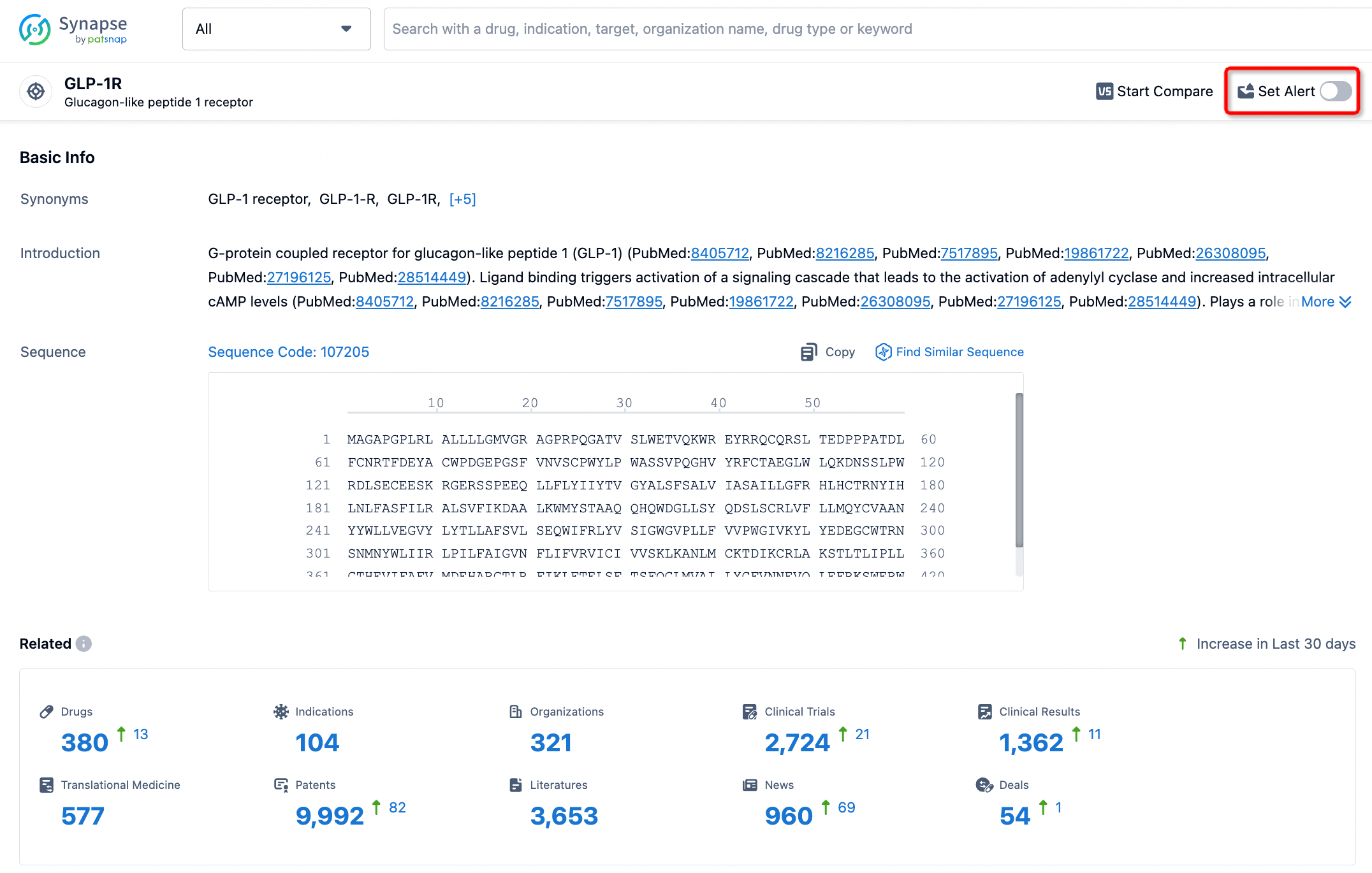
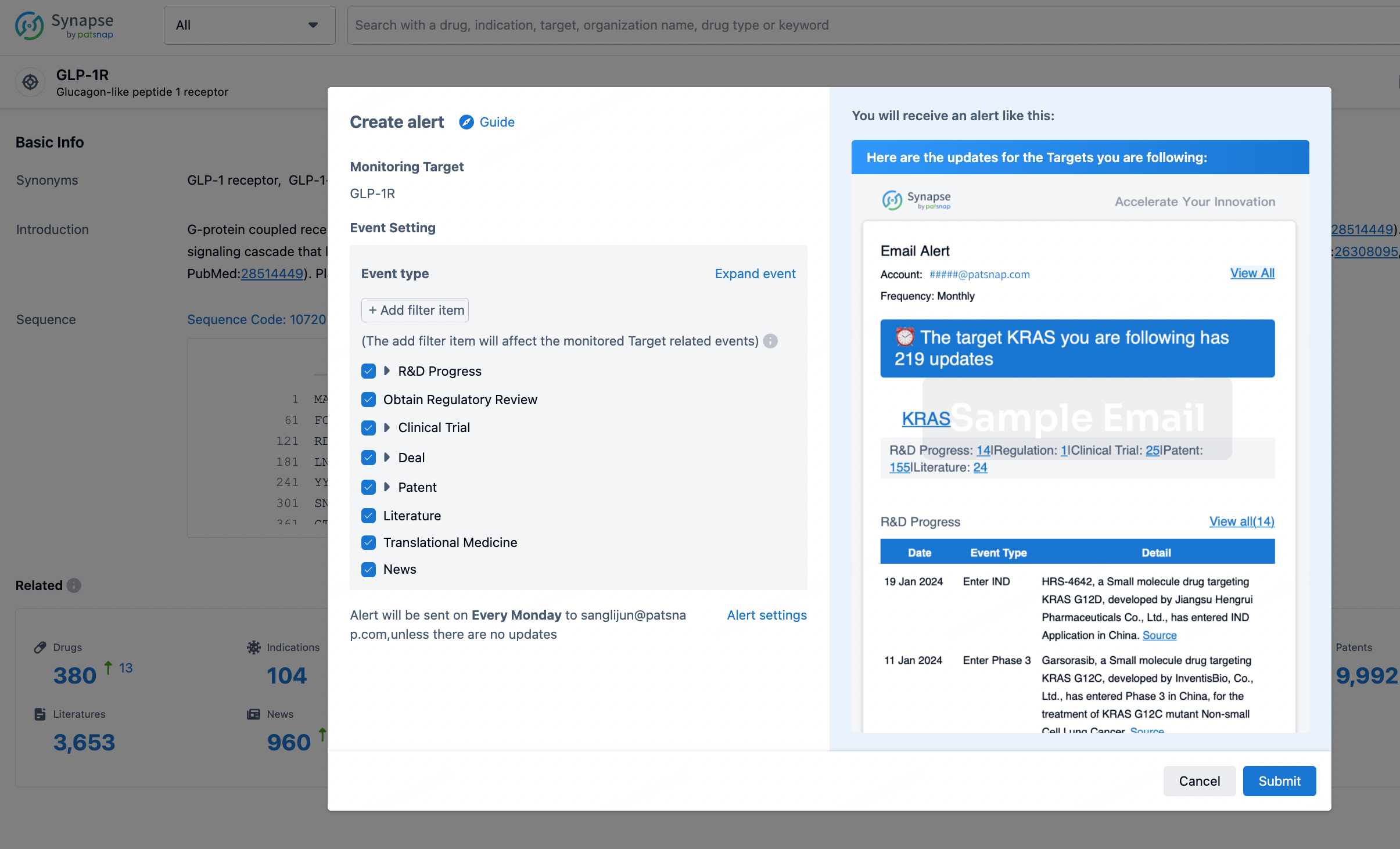
In the Synapse database, you can stay updated on the latest research and development advances of all targets. This service is accessible anytime and anywhere, with updates available daily or weekly. Use the "Set Alert" function to stay informed. Click on the image below to embark on a brand new journey of drug discovery!

AI Agents Built for Biopharma Breakthroughs
Accelerate discovery. Empower decisions. Transform outcomes.
Get started for free today!
Accelerate Strategic R&D decision making with Synapse, PatSnap’s AI-powered Connected Innovation Intelligence Platform Built for Life Sciences Professionals.
Start your data trial now!
Synapse data is also accessible to external entities via APIs or data packages. Empower better decisions with the latest in pharmaceutical intelligence.