Request Demo
What are CCR2 antagonists and how do they work?
21 June 2024
Introduction to CCR2 antagonists
CCR2 antagonists are a class of therapeutic agents that have garnered much attention in recent years within the fields of immunology and pharmacology. CCR2, or C-C chemokine receptor type 2, is a protein found on the surface of certain cells, including monocytes and macrophages. It plays a crucial role in mediating the migration of these cells to sites of inflammation through its interaction with the chemokine ligand CCL2, also known as monocyte chemoattractant protein-1 (MCP-1). The pathological recruitment of these immune cells is implicated in a variety of chronic inflammatory diseases, making CCR2 a promising target for therapeutic intervention.
How do CCR2 antagonists work?
CCR2 antagonists are designed to block the interaction between CCR2 and its ligand, CCL2. By inhibiting this binding, these antagonists effectively prevent the migration of monocytes and macrophages to inflammatory sites. This mechanism of action is particularly appealing because it targets the upstream processes of inflammation, rather than the downstream effects, which are often the focus of traditional anti-inflammatory drugs.
The blockade of CCR2 can occur through several mechanisms. Some antagonists bind directly to the receptor, thereby preventing CCL2 from binding. Others may alter the receptor's conformation, rendering it unable to interact with its ligand. Additionally, some CCR2 antagonists function by reducing the expression of CCR2 on the cell surface, limiting the number of receptors available for CCL2 binding.
Regardless of the specific mechanism, the end result is a reduction in the recruitment and activation of immune cells that contribute to inflammation and tissue damage. This makes CCR2 antagonists versatile agents with potential applications in a variety of chronic inflammatory and autoimmune conditions.
What are CCR2 antagonists used for?
The therapeutic applications of CCR2 antagonists are broad and varied, reflecting the widespread role of CCR2 in various inflammatory processes. One of the primary areas of interest is in the treatment of chronic inflammatory diseases, such as rheumatoid arthritis (RA) and multiple sclerosis (MS). In these conditions, the persistent recruitment of monocytes and macrophages to affected tissues leads to ongoing inflammation and tissue destruction. By blocking CCR2, these antagonists can reduce the inflammatory response and potentially slow disease progression.
Another significant area of research is in cardiovascular diseases, particularly atherosclerosis. Atherosclerosis is characterized by the accumulation of plaques in the arterial walls, which is driven in part by the recruitment of monocytes and macrophages. By inhibiting CCR2, it is possible to reduce the formation and progression of these plaques, thereby decreasing the risk of heart attacks and strokes.
CCR2 antagonists also hold promise in the field of oncology. Tumor-associated macrophages (TAMs), which express CCR2, play a critical role in promoting tumor growth and metastasis. By targeting CCR2, these antagonists can potentially disrupt the tumor microenvironment, inhibiting cancer progression and improving the efficacy of other cancer therapies.
Beyond these areas, there is ongoing research into the use of CCR2 antagonists for the treatment of other conditions, such as chronic kidney disease, non-alcoholic steatohepatitis (NASH), and chronic obstructive pulmonary disease (COPD). Each of these conditions is characterized by chronic inflammation, where the inhibition of CCR2 may offer therapeutic benefits.
In summary, CCR2 antagonists represent a promising class of drugs with the potential to treat a wide range of chronic inflammatory and autoimmune diseases. By blocking the recruitment and activation of key immune cells, these agents offer a targeted approach to reducing inflammation and mitigating disease progression. As research continues, it is likely that the applications of CCR2 antagonists will expand, offering new hope for patients with chronic inflammatory conditions.
CCR2 antagonists are a class of therapeutic agents that have garnered much attention in recent years within the fields of immunology and pharmacology. CCR2, or C-C chemokine receptor type 2, is a protein found on the surface of certain cells, including monocytes and macrophages. It plays a crucial role in mediating the migration of these cells to sites of inflammation through its interaction with the chemokine ligand CCL2, also known as monocyte chemoattractant protein-1 (MCP-1). The pathological recruitment of these immune cells is implicated in a variety of chronic inflammatory diseases, making CCR2 a promising target for therapeutic intervention.
How do CCR2 antagonists work?
CCR2 antagonists are designed to block the interaction between CCR2 and its ligand, CCL2. By inhibiting this binding, these antagonists effectively prevent the migration of monocytes and macrophages to inflammatory sites. This mechanism of action is particularly appealing because it targets the upstream processes of inflammation, rather than the downstream effects, which are often the focus of traditional anti-inflammatory drugs.
The blockade of CCR2 can occur through several mechanisms. Some antagonists bind directly to the receptor, thereby preventing CCL2 from binding. Others may alter the receptor's conformation, rendering it unable to interact with its ligand. Additionally, some CCR2 antagonists function by reducing the expression of CCR2 on the cell surface, limiting the number of receptors available for CCL2 binding.
Regardless of the specific mechanism, the end result is a reduction in the recruitment and activation of immune cells that contribute to inflammation and tissue damage. This makes CCR2 antagonists versatile agents with potential applications in a variety of chronic inflammatory and autoimmune conditions.
What are CCR2 antagonists used for?
The therapeutic applications of CCR2 antagonists are broad and varied, reflecting the widespread role of CCR2 in various inflammatory processes. One of the primary areas of interest is in the treatment of chronic inflammatory diseases, such as rheumatoid arthritis (RA) and multiple sclerosis (MS). In these conditions, the persistent recruitment of monocytes and macrophages to affected tissues leads to ongoing inflammation and tissue destruction. By blocking CCR2, these antagonists can reduce the inflammatory response and potentially slow disease progression.
Another significant area of research is in cardiovascular diseases, particularly atherosclerosis. Atherosclerosis is characterized by the accumulation of plaques in the arterial walls, which is driven in part by the recruitment of monocytes and macrophages. By inhibiting CCR2, it is possible to reduce the formation and progression of these plaques, thereby decreasing the risk of heart attacks and strokes.
CCR2 antagonists also hold promise in the field of oncology. Tumor-associated macrophages (TAMs), which express CCR2, play a critical role in promoting tumor growth and metastasis. By targeting CCR2, these antagonists can potentially disrupt the tumor microenvironment, inhibiting cancer progression and improving the efficacy of other cancer therapies.
Beyond these areas, there is ongoing research into the use of CCR2 antagonists for the treatment of other conditions, such as chronic kidney disease, non-alcoholic steatohepatitis (NASH), and chronic obstructive pulmonary disease (COPD). Each of these conditions is characterized by chronic inflammation, where the inhibition of CCR2 may offer therapeutic benefits.
In summary, CCR2 antagonists represent a promising class of drugs with the potential to treat a wide range of chronic inflammatory and autoimmune diseases. By blocking the recruitment and activation of key immune cells, these agents offer a targeted approach to reducing inflammation and mitigating disease progression. As research continues, it is likely that the applications of CCR2 antagonists will expand, offering new hope for patients with chronic inflammatory conditions.
How to obtain the latest development progress of all targets?
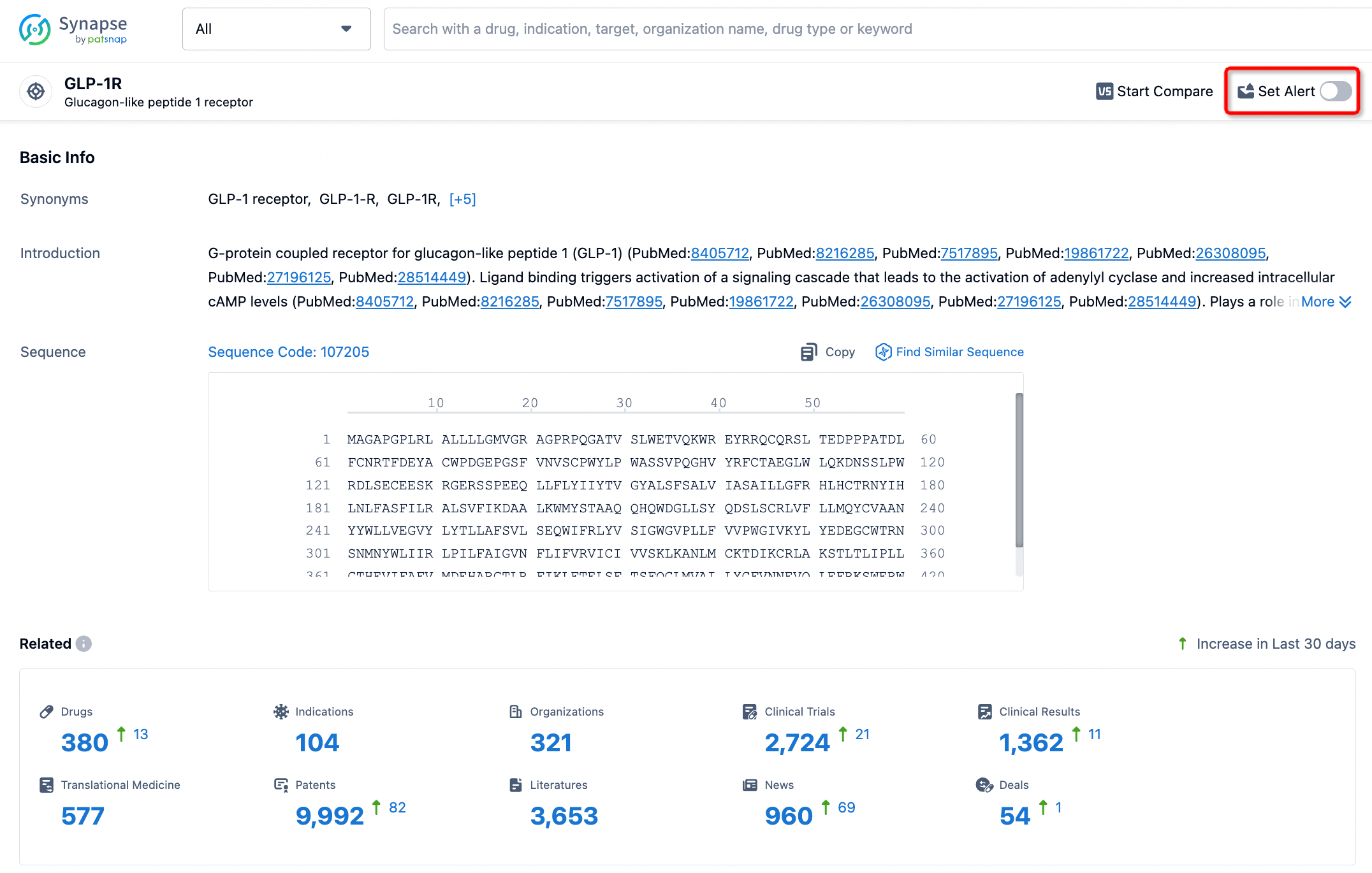
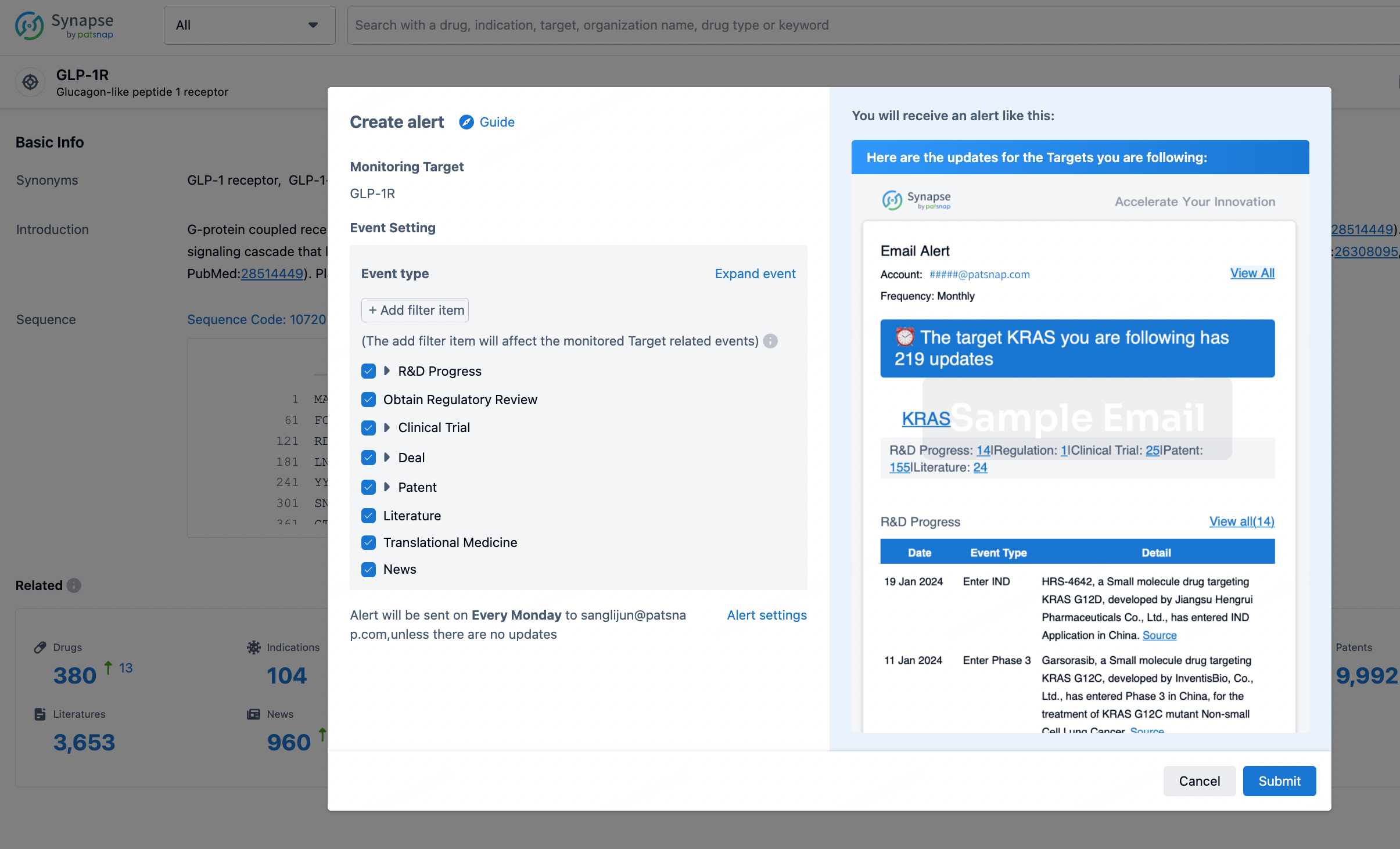
In the Synapse database, you can stay updated on the latest research and development advances of all targets. This service is accessible anytime and anywhere, with updates available daily or weekly. Use the "Set Alert" function to stay informed. Click on the image below to embark on a brand new journey of drug discovery!

Hiro LS Researcher
The AI Search Engine Built to Accelerate Biopharma Decisions
Search across billion-scale life sciences data to uncover signals, validate evidence, and act with confidence.
Ask any biopharma research question→
Get started for free today!
Accelerate Strategic R&D decision making with Synapse, Patsnap’s AI-powered Connected Innovation Intelligence Platform Built for Life Sciences Professionals.
Discover Synapse Data Servers
Synapse data is now integrated into the PatSnap LS Model Context Protocol (MCP) service. Customize your LLM agent now using our MCP server!