Request Demo
What are CD16a agonists and how do they work?
21 June 2024
The landscape of immunotherapy has been rapidly evolving, and one of the most promising avenues involves the development of CD16a agonists. These novel agents are designed to harness the body's natural immune system to fight cancer and other diseases by targeting a specific receptor known as CD16a. But what exactly are CD16a agonists, how do they work, and what are their current and potential uses? Let's delve into these questions to better understand this exciting area of medical research.
CD16a, also known as FcγRIIIa, is a receptor that is primarily found on the surface of natural killer (NK) cells, macrophages, and some subsets of T cells. This receptor plays a crucial role in the immune system's ability to identify and destroy abnormal cells, such as cancer cells or cells infected by viruses. The primary function of CD16a is to recognize the Fc region of antibodies that are bound to target cells, thus facilitating antibody-dependent cellular cytotoxicity (ADCC). ADCC is a mechanism by which the immune system can destroy cells that have been tagged by antibodies, making it a vital component of the body's defense against malignancies and infections.
CD16a agonists are designed to mimic or enhance the natural activation of this receptor. By binding to CD16a, these agonists stimulate NK cells and other immune cells to become more effective at targeting and killing abnormal cells. This action can be particularly useful in oncology, as many tumors may evade the immune system by downregulating the expression of molecules that are typically recognized by immune cells. CD16a agonists can help to circumvent this issue by directly engaging the immune cells, thereby boosting their cytotoxic activity.
The mechanism of action for CD16a agonists involves several steps. First, the agonist binds to the CD16a receptor on the surface of NK cells or other immune cells. This binding initiates a signaling cascade within the cell, leading to its activation. Once activated, these immune cells can recognize and bind to antibodies that are already attached to target cells, such as tumor cells. This interaction triggers the release of cytotoxic granules and cytokines, which ultimately result in the destruction of the target cell. Additionally, CD16a agonists may also enhance the immune cell's ability to produce more cytokines, further amplifying the immune response.
One of the most exciting applications of CD16a agonists is in the field of cancer immunotherapy. Currently, several types of cancer treatments utilize monoclonal antibodies to target specific antigens on tumor cells. These antibodies can effectively tag cancer cells for destruction by the immune system. However, the efficacy of these treatments can be limited if the immune system is not sufficiently activated. CD16a agonists can be used in conjunction with these antibody therapies to enhance their effectiveness by ensuring that NK cells and other immune cells are fully activated and capable of carrying out ADCC.
Beyond oncology, CD16a agonists have potential applications in treating infectious diseases. For example, during a viral infection, antibodies generated by the immune system can bind to viral particles or infected cells, marking them for destruction. CD16a agonists could enhance the immune system's ability to eliminate these targets, potentially leading to better outcomes for patients with chronic viral infections.
In addition to cancer and infectious diseases, CD16a agonists are being explored for their role in autoimmune conditions and inflammatory diseases. By fine-tuning the activity of NK cells and other immune cells, these agents could potentially help to modulate the immune response, reducing inflammation and tissue damage in conditions such as rheumatoid arthritis or lupus.
In summary, CD16a agonists represent a promising frontier in immunotherapy, offering the potential to enhance the body's natural ability to fight cancer, infectious diseases, and possibly even autoimmune conditions. As research continues, we can expect to see more innovative applications and improved outcomes for patients benefiting from this exciting class of therapeutics.
CD16a, also known as FcγRIIIa, is a receptor that is primarily found on the surface of natural killer (NK) cells, macrophages, and some subsets of T cells. This receptor plays a crucial role in the immune system's ability to identify and destroy abnormal cells, such as cancer cells or cells infected by viruses. The primary function of CD16a is to recognize the Fc region of antibodies that are bound to target cells, thus facilitating antibody-dependent cellular cytotoxicity (ADCC). ADCC is a mechanism by which the immune system can destroy cells that have been tagged by antibodies, making it a vital component of the body's defense against malignancies and infections.
CD16a agonists are designed to mimic or enhance the natural activation of this receptor. By binding to CD16a, these agonists stimulate NK cells and other immune cells to become more effective at targeting and killing abnormal cells. This action can be particularly useful in oncology, as many tumors may evade the immune system by downregulating the expression of molecules that are typically recognized by immune cells. CD16a agonists can help to circumvent this issue by directly engaging the immune cells, thereby boosting their cytotoxic activity.
The mechanism of action for CD16a agonists involves several steps. First, the agonist binds to the CD16a receptor on the surface of NK cells or other immune cells. This binding initiates a signaling cascade within the cell, leading to its activation. Once activated, these immune cells can recognize and bind to antibodies that are already attached to target cells, such as tumor cells. This interaction triggers the release of cytotoxic granules and cytokines, which ultimately result in the destruction of the target cell. Additionally, CD16a agonists may also enhance the immune cell's ability to produce more cytokines, further amplifying the immune response.
One of the most exciting applications of CD16a agonists is in the field of cancer immunotherapy. Currently, several types of cancer treatments utilize monoclonal antibodies to target specific antigens on tumor cells. These antibodies can effectively tag cancer cells for destruction by the immune system. However, the efficacy of these treatments can be limited if the immune system is not sufficiently activated. CD16a agonists can be used in conjunction with these antibody therapies to enhance their effectiveness by ensuring that NK cells and other immune cells are fully activated and capable of carrying out ADCC.
Beyond oncology, CD16a agonists have potential applications in treating infectious diseases. For example, during a viral infection, antibodies generated by the immune system can bind to viral particles or infected cells, marking them for destruction. CD16a agonists could enhance the immune system's ability to eliminate these targets, potentially leading to better outcomes for patients with chronic viral infections.
In addition to cancer and infectious diseases, CD16a agonists are being explored for their role in autoimmune conditions and inflammatory diseases. By fine-tuning the activity of NK cells and other immune cells, these agents could potentially help to modulate the immune response, reducing inflammation and tissue damage in conditions such as rheumatoid arthritis or lupus.
In summary, CD16a agonists represent a promising frontier in immunotherapy, offering the potential to enhance the body's natural ability to fight cancer, infectious diseases, and possibly even autoimmune conditions. As research continues, we can expect to see more innovative applications and improved outcomes for patients benefiting from this exciting class of therapeutics.
How to obtain the latest development progress of all targets?
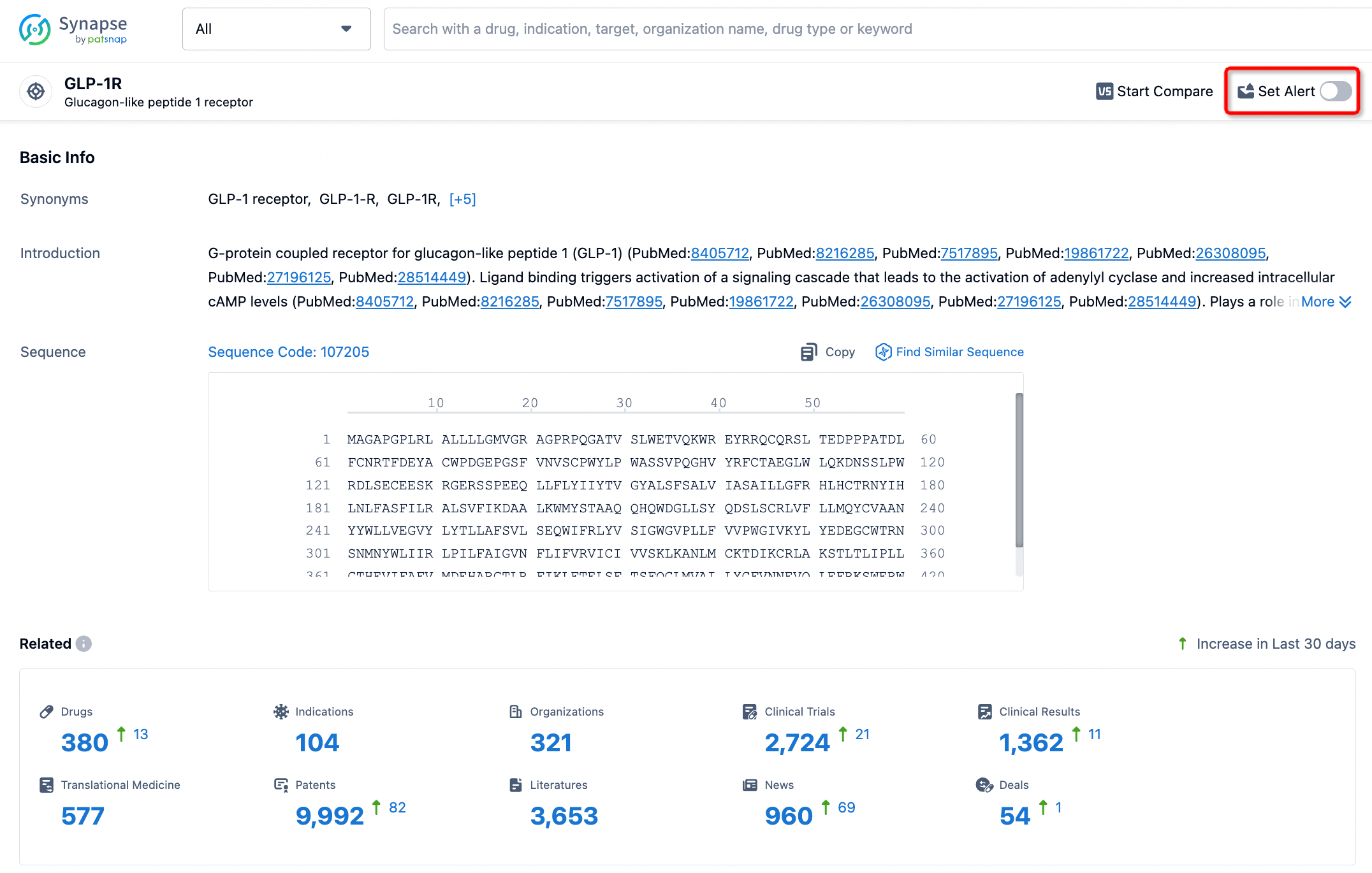
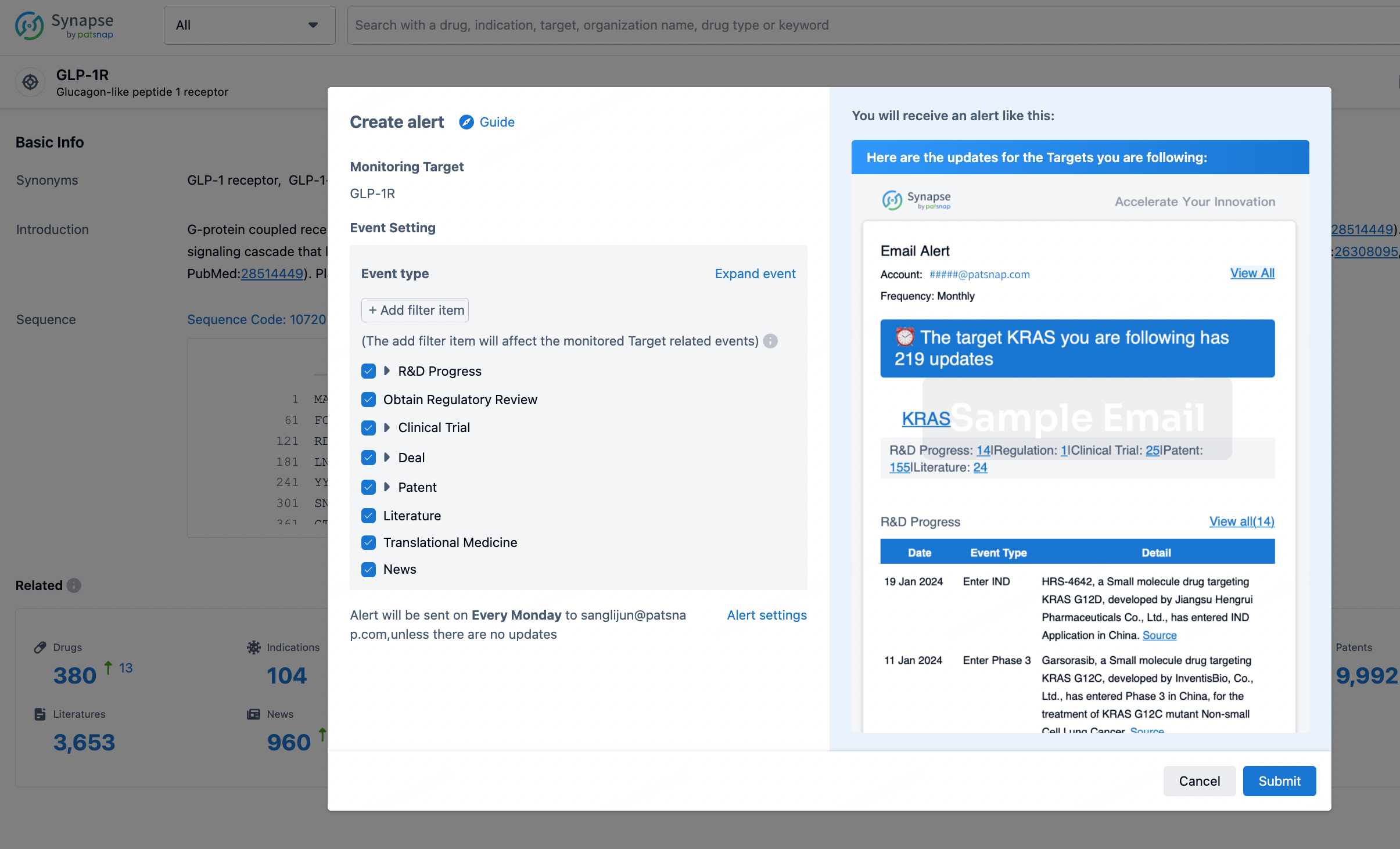
In the Synapse database, you can stay updated on the latest research and development advances of all targets. This service is accessible anytime and anywhere, with updates available daily or weekly. Use the "Set Alert" function to stay informed. Click on the image below to embark on a brand new journey of drug discovery!
AI Agents Built for Biopharma Breakthroughs
Accelerate discovery. Empower decisions. Transform outcomes.
Get started for free today!
Accelerate Strategic R&D decision making with Synapse, PatSnap’s AI-powered Connected Innovation Intelligence Platform Built for Life Sciences Professionals.
Start your data trial now!
Synapse data is also accessible to external entities via APIs or data packages. Empower better decisions with the latest in pharmaceutical intelligence.