Request Demo
What are CD30 modulators and how do they work?
21 June 2024
CD30 modulators represent a significant advancement in the field of oncology and immunotherapy. These agents target the CD30 protein, a member of the tumor necrosis factor (TNF) receptor family, found on the surface of certain types of cells, including some cancer cells and activated lymphocytes. The discovery and development of CD30 modulators have opened new avenues for treating malignancies, particularly Hodgkin lymphoma and certain types of T-cell lymphomas, offering hope to patients who may not respond well to conventional therapies. This article delves into the intricate workings of CD30 modulators, their therapeutic applications, and the impact they have had on cancer treatment.
CD30 modulators function by specifically targeting the CD30 antigen, a cell surface glycoprotein expressed on malignant cells of Hodgkin lymphoma and some non-Hodgkin lymphomas, as well as on activated T and B cells. The most well-known CD30 modulator to date is Brentuximab Vedotin, an antibody-drug conjugate (ADC). Brentuximab Vedotin consists of an anti-CD30 monoclonal antibody linked to a cytotoxic agent called monomethyl auristatin E (MMAE). The antibody portion of the modulator binds to the CD30 antigen on the surface of cancer cells, thereby delivering the cytotoxic agent directly to the tumor site.
Once Brentuximab Vedotin binds to CD30 on the cancer cell surface, the complex is internalized by the cell. Inside the cell, MMAE is released from the antibody, disrupting the microtubule network, which is essential for cell division. This leads to cell cycle arrest and apoptosis (programmed cell death). By specifically targeting CD30-expressing cells, Brentuximab Vedotin minimizes damage to normal, healthy cells, thereby reducing the side effects commonly associated with traditional chemotherapies.
Another approach involves the use of CD30-specific monoclonal antibodies, which can engage the immune system to recognize and destroy cancer cells. For example, these antibodies can recruit immune effector functions such as antibody-dependent cellular cytotoxicity (ADCC) and complement-dependent cytotoxicity (CDC) to attack and kill CD30-expressing tumor cells.
CD30 modulators are primarily employed in the treatment of CD30-positive malignancies, most notably Hodgkin lymphoma and certain subtypes of T-cell lymphomas, including anaplastic large cell lymphoma (ALCL). Hodgkin lymphoma is a type of lymphoma characterized by the presence of Reed-Sternberg cells, which often express CD30. Traditional treatments for Hodgkin lymphoma include chemotherapy and radiation, but these can have significant side effects and are not always effective, particularly in relapsed or refractory cases.
Brentuximab Vedotin has been a game-changer in the treatment of Hodgkin lymphoma, particularly for patients with relapsed or refractory disease. Clinical trials have demonstrated that Brentuximab Vedotin can induce high response rates and durable remissions in these patients, offering a new line of defense against this challenging condition. Additionally, it is being explored in combination with other therapies to improve overall outcomes and reduce toxicities.
In the case of ALCL, CD30 modulators have also proven to be highly effective. Anaplastic large cell lymphoma is an aggressive type of non-Hodgkin lymphoma that frequently expresses CD30. Brentuximab Vedotin has shown significant efficacy in treating both systemic ALCL and primary cutaneous ALCL, resulting in high overall response rates and extended progression-free survival.
Beyond Hodgkin lymphoma and ALCL, research is ongoing to explore the potential of CD30 modulators in other CD30-expressing malignancies and autoimmune conditions. The precision targeting capability of these modulators holds promise for expanding their use to a broader range of diseases, potentially offering effective treatment options where few exist.
In conclusion, CD30 modulators represent a pivotal advancement in the treatment of CD30-positive cancers, providing targeted therapy that minimizes damage to healthy cells and improves patient outcomes. As research continues, the potential applications of CD30 modulators may expand, further transforming the landscape of cancer treatment and offering new hope to patients worldwide.
CD30 modulators function by specifically targeting the CD30 antigen, a cell surface glycoprotein expressed on malignant cells of Hodgkin lymphoma and some non-Hodgkin lymphomas, as well as on activated T and B cells. The most well-known CD30 modulator to date is Brentuximab Vedotin, an antibody-drug conjugate (ADC). Brentuximab Vedotin consists of an anti-CD30 monoclonal antibody linked to a cytotoxic agent called monomethyl auristatin E (MMAE). The antibody portion of the modulator binds to the CD30 antigen on the surface of cancer cells, thereby delivering the cytotoxic agent directly to the tumor site.
Once Brentuximab Vedotin binds to CD30 on the cancer cell surface, the complex is internalized by the cell. Inside the cell, MMAE is released from the antibody, disrupting the microtubule network, which is essential for cell division. This leads to cell cycle arrest and apoptosis (programmed cell death). By specifically targeting CD30-expressing cells, Brentuximab Vedotin minimizes damage to normal, healthy cells, thereby reducing the side effects commonly associated with traditional chemotherapies.
Another approach involves the use of CD30-specific monoclonal antibodies, which can engage the immune system to recognize and destroy cancer cells. For example, these antibodies can recruit immune effector functions such as antibody-dependent cellular cytotoxicity (ADCC) and complement-dependent cytotoxicity (CDC) to attack and kill CD30-expressing tumor cells.
CD30 modulators are primarily employed in the treatment of CD30-positive malignancies, most notably Hodgkin lymphoma and certain subtypes of T-cell lymphomas, including anaplastic large cell lymphoma (ALCL). Hodgkin lymphoma is a type of lymphoma characterized by the presence of Reed-Sternberg cells, which often express CD30. Traditional treatments for Hodgkin lymphoma include chemotherapy and radiation, but these can have significant side effects and are not always effective, particularly in relapsed or refractory cases.
Brentuximab Vedotin has been a game-changer in the treatment of Hodgkin lymphoma, particularly for patients with relapsed or refractory disease. Clinical trials have demonstrated that Brentuximab Vedotin can induce high response rates and durable remissions in these patients, offering a new line of defense against this challenging condition. Additionally, it is being explored in combination with other therapies to improve overall outcomes and reduce toxicities.
In the case of ALCL, CD30 modulators have also proven to be highly effective. Anaplastic large cell lymphoma is an aggressive type of non-Hodgkin lymphoma that frequently expresses CD30. Brentuximab Vedotin has shown significant efficacy in treating both systemic ALCL and primary cutaneous ALCL, resulting in high overall response rates and extended progression-free survival.
Beyond Hodgkin lymphoma and ALCL, research is ongoing to explore the potential of CD30 modulators in other CD30-expressing malignancies and autoimmune conditions. The precision targeting capability of these modulators holds promise for expanding their use to a broader range of diseases, potentially offering effective treatment options where few exist.
In conclusion, CD30 modulators represent a pivotal advancement in the treatment of CD30-positive cancers, providing targeted therapy that minimizes damage to healthy cells and improves patient outcomes. As research continues, the potential applications of CD30 modulators may expand, further transforming the landscape of cancer treatment and offering new hope to patients worldwide.
How to obtain the latest development progress of all targets?
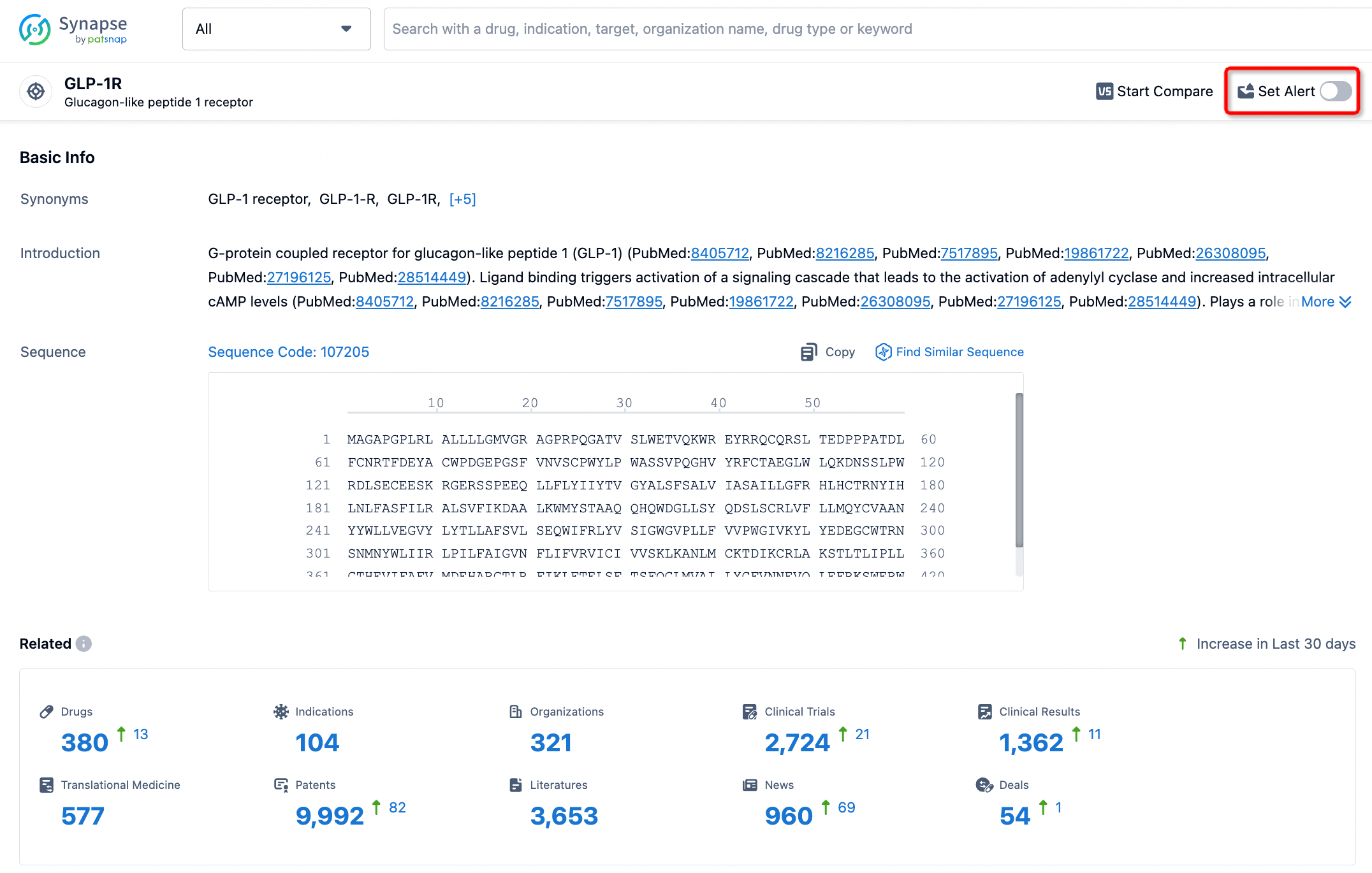
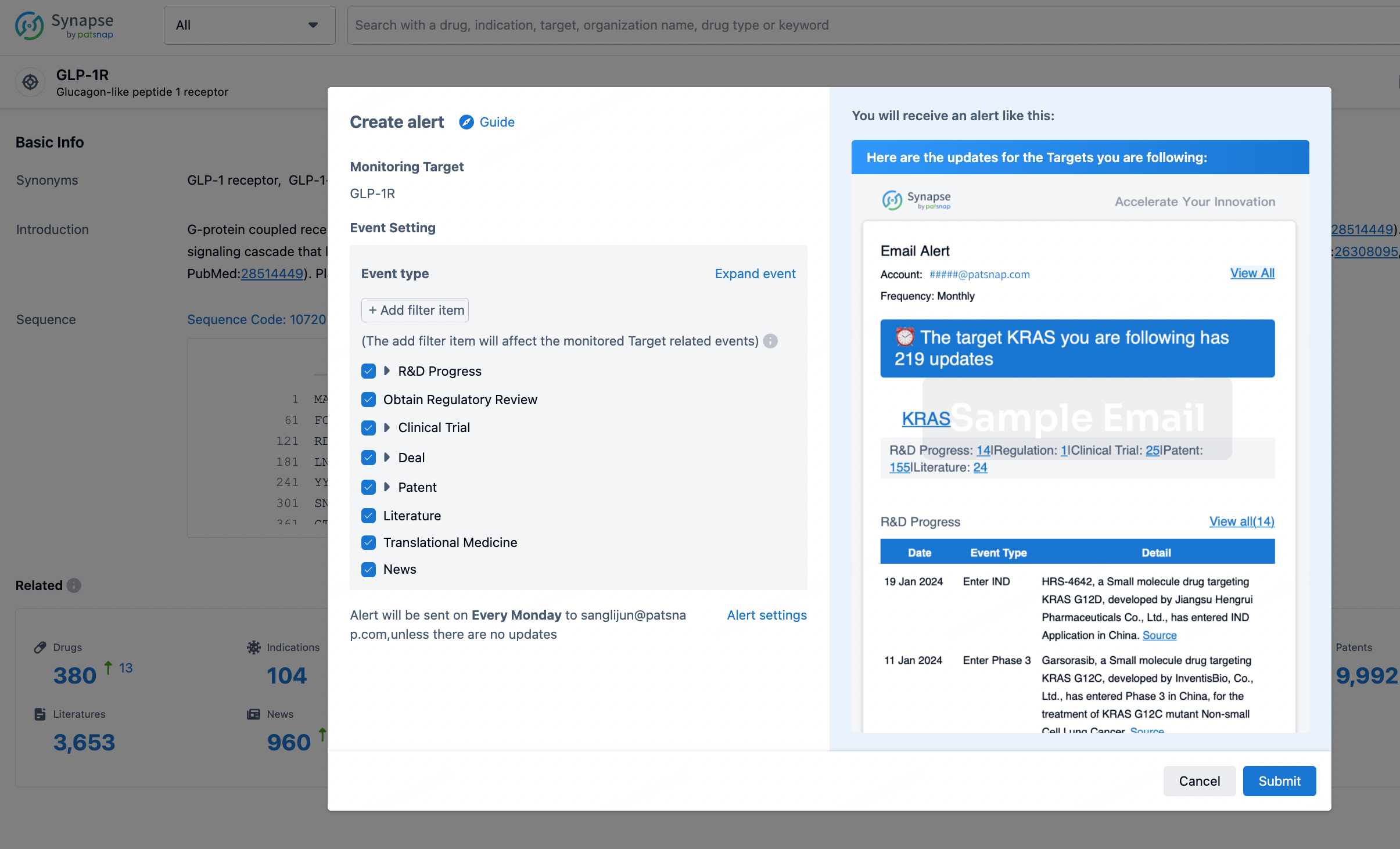
In the Synapse database, you can stay updated on the latest research and development advances of all targets. This service is accessible anytime and anywhere, with updates available daily or weekly. Use the "Set Alert" function to stay informed. Click on the image below to embark on a brand new journey of drug discovery!
AI Agents Built for Biopharma Breakthroughs
Accelerate discovery. Empower decisions. Transform outcomes.
Get started for free today!
Accelerate Strategic R&D decision making with Synapse, PatSnap’s AI-powered Connected Innovation Intelligence Platform Built for Life Sciences Professionals.
Start your data trial now!
Synapse data is also accessible to external entities via APIs or data packages. Empower better decisions with the latest in pharmaceutical intelligence.