Request Demo
What are CD36 inhibitors and how do they work?
25 June 2024
CD36 inhibitors represent a fascinating area of biomedical research, offering potential therapeutic benefits across a range of medical conditions. CD36, also known as the cluster of differentiation 36, is a multifunctional glycoprotein found on the surface of many cell types, including immune cells, adipocytes, and endothelial cells. It plays a critical role in various physiological and pathological processes such as lipid metabolism, inflammation, and the uptake of oxidized low-density lipoprotein (oxLDL). CD36 inhibitors are molecules designed to interfere with the function of this protein, thus modulating its activity in treating specific diseases.
CD36 inhibitors operate by blocking the interaction between CD36 and its ligands, which include oxLDL, long-chain fatty acids, and thrombospondin-1. By inhibiting these interactions, CD36 inhibitors can disrupt several downstream signaling pathways. For instance, CD36's role in lipid metabolism involves the uptake and storage of fatty acids. When CD36 is inhibited, this process is reduced, leading to decreased storage of fats in cells. In the context of inflammation, CD36's interaction with oxLDL can trigger pro-inflammatory pathways, contributing to the development of atherosclerosis. Therefore, inhibiting CD36 can help reduce this inflammatory response and slow the progression of atherosclerosis.
In cancer, CD36 has been implicated in the processes of angiogenesis and metastasis. By interacting with thrombospondin-1, CD36 promotes the formation of new blood vessels that supply nutrients to tumors, facilitating their growth and potential spread to other body parts. CD36 inhibitors can block this interaction, inhibiting tumor growth and metastasis. Moreover, these inhibitors can also affect immune cell function. For example, CD36 is involved in the uptake of apoptotic cells by macrophages, a process known as efferocytosis. By modulating this pathway, CD36 inhibitors can potentially alter immune responses in diseases like autoimmune disorders and chronic inflammatory conditions.
One of the primary uses of CD36 inhibitors is in the treatment of metabolic disorders, particularly those related to lipid metabolism such as obesity, diabetes, and non-alcoholic fatty liver disease (NAFLD). By reducing the uptake of fatty acids, CD36 inhibitors can decrease lipid accumulation in adipose tissue and the liver, thereby improving metabolic profiles and insulin sensitivity. This effect can be particularly beneficial in managing type 2 diabetes, where insulin resistance is a significant concern.
In cardiovascular diseases, particularly atherosclerosis, CD36 inhibitors hold promise due to their ability to reduce inflammation and lipid accumulation within arterial walls. Atherosclerosis is a leading cause of heart attacks and strokes, and by targeting the inflammatory pathways mediated by CD36, these inhibitors can help stabilize arterial plaques and reduce the risk of cardiovascular events.
Cancer therapy is another area where CD36 inhibitors show potential. By inhibiting tumor angiogenesis and metastasis, these compounds can complement existing cancer treatments, potentially improving outcomes for patients with aggressive or metastatic cancers. Research is ongoing to understand better how CD36 inhibitors can be integrated into cancer treatment regimens and to identify the types of cancer most likely to respond to this approach.
Lastly, CD36 inhibitors are being explored for their potential in treating chronic inflammatory and autoimmune diseases. By modulating the immune response and reducing inflammation, these inhibitors could provide new therapeutic options for conditions such as rheumatoid arthritis, lupus, and multiple sclerosis.
In conclusion, CD36 inhibitors represent a promising avenue in the treatment of various diseases, from metabolic disorders and cardiovascular diseases to cancer and inflammatory conditions. As research continues to unveil the multifaceted roles of CD36 in human physiology and pathology, the development of CD36 inhibitors could mark a significant advancement in modern medicine, offering new hope for patients with these challenging conditions.
CD36 inhibitors operate by blocking the interaction between CD36 and its ligands, which include oxLDL, long-chain fatty acids, and thrombospondin-1. By inhibiting these interactions, CD36 inhibitors can disrupt several downstream signaling pathways. For instance, CD36's role in lipid metabolism involves the uptake and storage of fatty acids. When CD36 is inhibited, this process is reduced, leading to decreased storage of fats in cells. In the context of inflammation, CD36's interaction with oxLDL can trigger pro-inflammatory pathways, contributing to the development of atherosclerosis. Therefore, inhibiting CD36 can help reduce this inflammatory response and slow the progression of atherosclerosis.
In cancer, CD36 has been implicated in the processes of angiogenesis and metastasis. By interacting with thrombospondin-1, CD36 promotes the formation of new blood vessels that supply nutrients to tumors, facilitating their growth and potential spread to other body parts. CD36 inhibitors can block this interaction, inhibiting tumor growth and metastasis. Moreover, these inhibitors can also affect immune cell function. For example, CD36 is involved in the uptake of apoptotic cells by macrophages, a process known as efferocytosis. By modulating this pathway, CD36 inhibitors can potentially alter immune responses in diseases like autoimmune disorders and chronic inflammatory conditions.
One of the primary uses of CD36 inhibitors is in the treatment of metabolic disorders, particularly those related to lipid metabolism such as obesity, diabetes, and non-alcoholic fatty liver disease (NAFLD). By reducing the uptake of fatty acids, CD36 inhibitors can decrease lipid accumulation in adipose tissue and the liver, thereby improving metabolic profiles and insulin sensitivity. This effect can be particularly beneficial in managing type 2 diabetes, where insulin resistance is a significant concern.
In cardiovascular diseases, particularly atherosclerosis, CD36 inhibitors hold promise due to their ability to reduce inflammation and lipid accumulation within arterial walls. Atherosclerosis is a leading cause of heart attacks and strokes, and by targeting the inflammatory pathways mediated by CD36, these inhibitors can help stabilize arterial plaques and reduce the risk of cardiovascular events.
Cancer therapy is another area where CD36 inhibitors show potential. By inhibiting tumor angiogenesis and metastasis, these compounds can complement existing cancer treatments, potentially improving outcomes for patients with aggressive or metastatic cancers. Research is ongoing to understand better how CD36 inhibitors can be integrated into cancer treatment regimens and to identify the types of cancer most likely to respond to this approach.
Lastly, CD36 inhibitors are being explored for their potential in treating chronic inflammatory and autoimmune diseases. By modulating the immune response and reducing inflammation, these inhibitors could provide new therapeutic options for conditions such as rheumatoid arthritis, lupus, and multiple sclerosis.
In conclusion, CD36 inhibitors represent a promising avenue in the treatment of various diseases, from metabolic disorders and cardiovascular diseases to cancer and inflammatory conditions. As research continues to unveil the multifaceted roles of CD36 in human physiology and pathology, the development of CD36 inhibitors could mark a significant advancement in modern medicine, offering new hope for patients with these challenging conditions.
How to obtain the latest development progress of all targets?
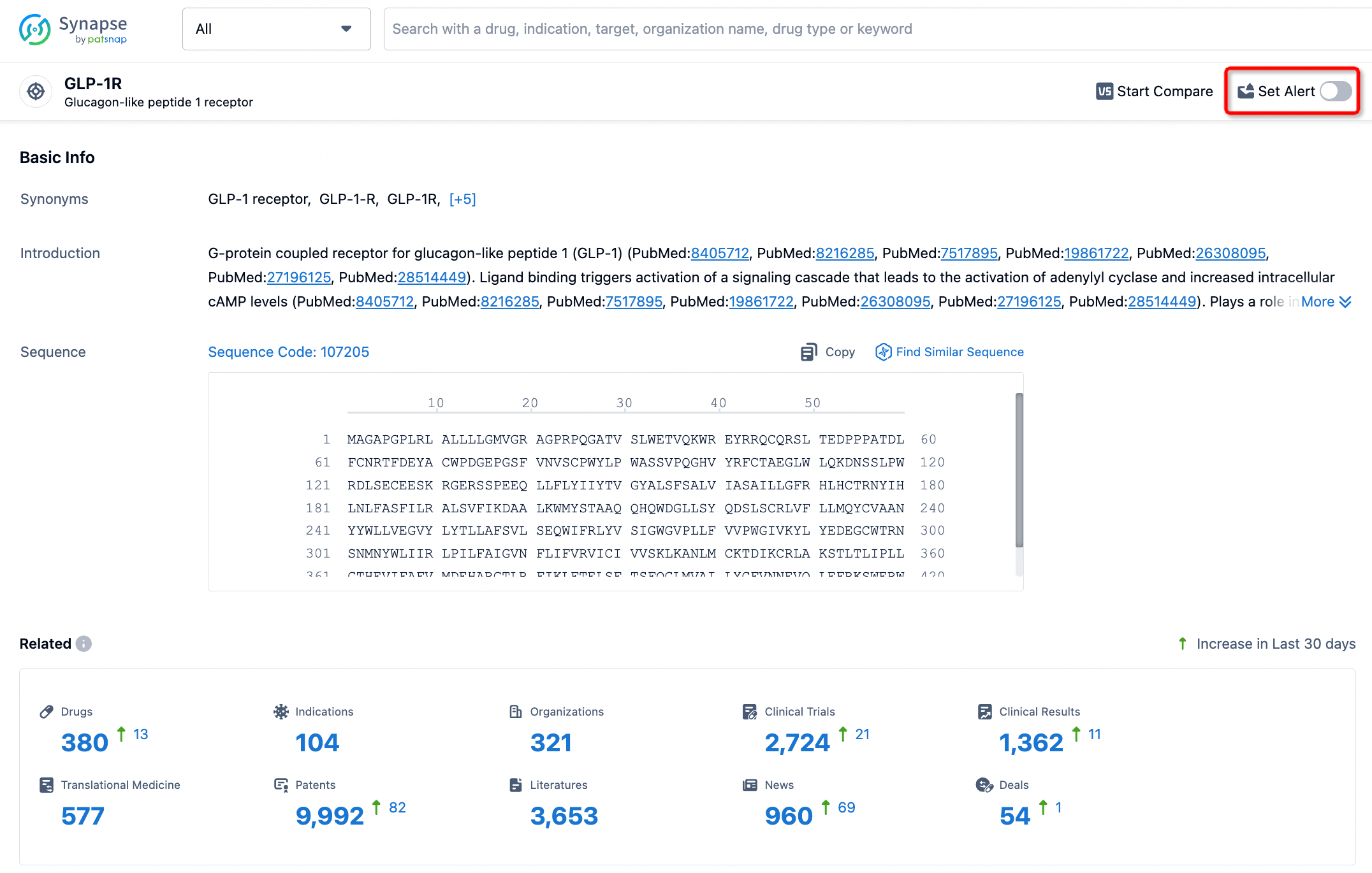
In the Synapse database, you can stay updated on the latest research and development advances of all targets. This service is accessible anytime and anywhere, with updates available daily or weekly. Use the "Set Alert" function to stay informed. Click on the image below to embark on a brand new journey of drug discovery!

AI Agents Built for Biopharma Breakthroughs
Accelerate discovery. Empower decisions. Transform outcomes.
Get started for free today!
Accelerate Strategic R&D decision making with Synapse, PatSnap’s AI-powered Connected Innovation Intelligence Platform Built for Life Sciences Professionals.
Start your data trial now!
Synapse data is also accessible to external entities via APIs or data packages. Empower better decisions with the latest in pharmaceutical intelligence.