Request Demo
What are CEL stimulants and how do they work?
25 June 2024
CEL stimulants, also known as Central Excitatory Ligands, represent a class of compounds designed to enhance cognitive function, alertness, and overall brain performance. These stimulants have been gaining attention for their potential applications in various fields, including medicine, education, and professional environments. With the increased demand for cognitive enhancement in our fast-paced world, understanding how CEL stimulants work and what they are used for is crucial.
CEL stimulants operate primarily by affecting neurotransmitter systems in the brain. Neurotransmitters are chemical messengers that transmit signals across synapses, the junctions between neurons. The primary neurotransmitters involved with CEL stimulants include dopamine, norepinephrine, and acetylcholine. These chemicals play a key role in regulating mood, attention, and arousal.
Dopamine is often referred to as the "feel-good" neurotransmitter. It is associated with reward and pleasure mechanisms in the brain. CEL stimulants typically increase the levels of dopamine by inhibiting its reuptake or by stimulating its production. This increased dopamine activity can result in heightened motivation and improved mood, which are beneficial for tasks that require prolonged mental effort.
Norepinephrine is another crucial neurotransmitter influenced by CEL stimulants. It is closely related to the body’s fight-or-flight response and is vital for maintaining attention and alertness. By increasing norepinephrine levels, CEL stimulants can enhance focus and reduce the sensation of fatigue, making it easier to stay engaged in mentally demanding tasks for extended periods.
Acetylcholine is fundamental to the functioning of the central nervous system. It plays a significant role in learning and memory. CEL stimulants that target acetylcholine pathways often inhibit the enzyme acetylcholinesterase, which breaks down acetylcholine in the synaptic cleft. This inhibition results in higher acetylcholine levels, thus enhancing memory formation and retention.
The applications of CEL stimulants span across various domains. In the medical field, they are frequently prescribed for conditions such as Attention Deficit Hyperactivity Disorder (ADHD) and narcolepsy. For individuals with ADHD, CEL stimulants help increase attention span, reduce impulsivity, and improve focus. In the case of narcolepsy, these stimulants help mitigate excessive daytime sleepiness, allowing individuals to maintain a more consistent and productive daily routine.
Beyond medical uses, CEL stimulants are increasingly popular among students and professionals seeking cognitive enhancement. In academic settings, students may use these stimulants to improve their ability to concentrate during lectures, study sessions, and exams. The heightened alertness and improved memory retention can lead to better academic performance. However, it's important to note that the non-prescribed use of CEL stimulants can pose significant health risks and ethical concerns.
In professional environments, particularly those that demand high levels of cognitive function and prolonged focus, CEL stimulants can be advantageous. For instance, individuals in high-stress jobs such as finance, programming, or creative industries may resort to these stimulants to maintain productivity and manage workloads effectively. The enhanced alertness and improved efficiency can be critical in meeting tight deadlines and achieving professional goals.
Moreover, CEL stimulants are also explored in the realm of cognitive decline associated with aging. Research is ongoing to investigate their potential in mitigating the symptoms of neurodegenerative diseases such as Alzheimer's and Parkinson's. By enhancing neurotransmitter function, CEL stimulants might offer a therapeutic avenue to preserve cognitive function in the elderly.
In conclusion, CEL stimulants represent a powerful tool for enhancing cognitive abilities through their action on key neurotransmitter systems. Their applications in medical treatments for ADHD and narcolepsy, as well as their potential for cognitive enhancement in academic and professional settings, highlight their versatility and importance. However, responsible use is paramount to avoid adverse effects and ethical dilemmas. As research continues to evolve, the potential benefits and risks of CEL stimulants will become clearer, guiding their optimal use in society.
CEL stimulants operate primarily by affecting neurotransmitter systems in the brain. Neurotransmitters are chemical messengers that transmit signals across synapses, the junctions between neurons. The primary neurotransmitters involved with CEL stimulants include dopamine, norepinephrine, and acetylcholine. These chemicals play a key role in regulating mood, attention, and arousal.
Dopamine is often referred to as the "feel-good" neurotransmitter. It is associated with reward and pleasure mechanisms in the brain. CEL stimulants typically increase the levels of dopamine by inhibiting its reuptake or by stimulating its production. This increased dopamine activity can result in heightened motivation and improved mood, which are beneficial for tasks that require prolonged mental effort.
Norepinephrine is another crucial neurotransmitter influenced by CEL stimulants. It is closely related to the body’s fight-or-flight response and is vital for maintaining attention and alertness. By increasing norepinephrine levels, CEL stimulants can enhance focus and reduce the sensation of fatigue, making it easier to stay engaged in mentally demanding tasks for extended periods.
Acetylcholine is fundamental to the functioning of the central nervous system. It plays a significant role in learning and memory. CEL stimulants that target acetylcholine pathways often inhibit the enzyme acetylcholinesterase, which breaks down acetylcholine in the synaptic cleft. This inhibition results in higher acetylcholine levels, thus enhancing memory formation and retention.
The applications of CEL stimulants span across various domains. In the medical field, they are frequently prescribed for conditions such as Attention Deficit Hyperactivity Disorder (ADHD) and narcolepsy. For individuals with ADHD, CEL stimulants help increase attention span, reduce impulsivity, and improve focus. In the case of narcolepsy, these stimulants help mitigate excessive daytime sleepiness, allowing individuals to maintain a more consistent and productive daily routine.
Beyond medical uses, CEL stimulants are increasingly popular among students and professionals seeking cognitive enhancement. In academic settings, students may use these stimulants to improve their ability to concentrate during lectures, study sessions, and exams. The heightened alertness and improved memory retention can lead to better academic performance. However, it's important to note that the non-prescribed use of CEL stimulants can pose significant health risks and ethical concerns.
In professional environments, particularly those that demand high levels of cognitive function and prolonged focus, CEL stimulants can be advantageous. For instance, individuals in high-stress jobs such as finance, programming, or creative industries may resort to these stimulants to maintain productivity and manage workloads effectively. The enhanced alertness and improved efficiency can be critical in meeting tight deadlines and achieving professional goals.
Moreover, CEL stimulants are also explored in the realm of cognitive decline associated with aging. Research is ongoing to investigate their potential in mitigating the symptoms of neurodegenerative diseases such as Alzheimer's and Parkinson's. By enhancing neurotransmitter function, CEL stimulants might offer a therapeutic avenue to preserve cognitive function in the elderly.
In conclusion, CEL stimulants represent a powerful tool for enhancing cognitive abilities through their action on key neurotransmitter systems. Their applications in medical treatments for ADHD and narcolepsy, as well as their potential for cognitive enhancement in academic and professional settings, highlight their versatility and importance. However, responsible use is paramount to avoid adverse effects and ethical dilemmas. As research continues to evolve, the potential benefits and risks of CEL stimulants will become clearer, guiding their optimal use in society.
How to obtain the latest development progress of all targets?
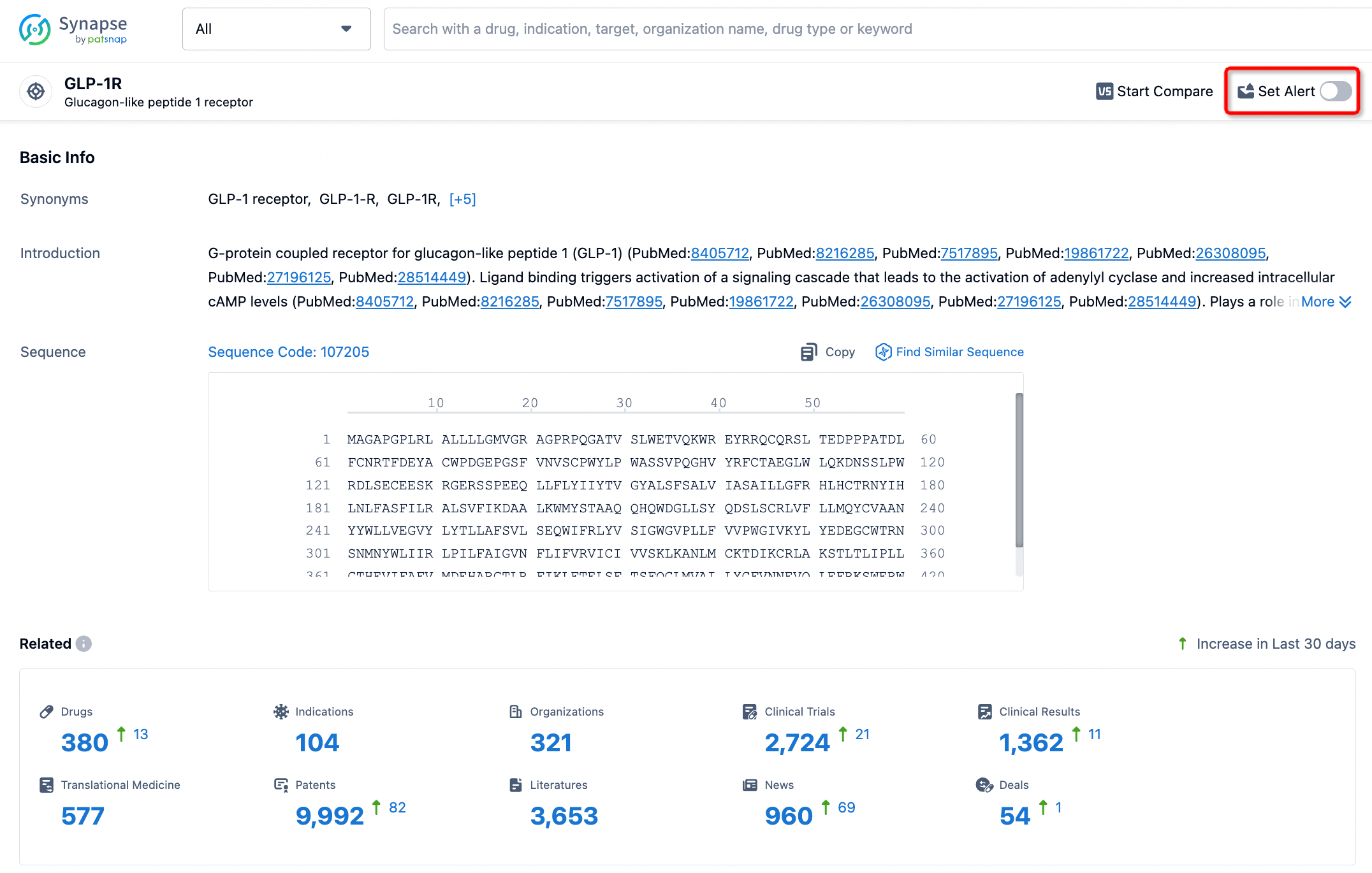
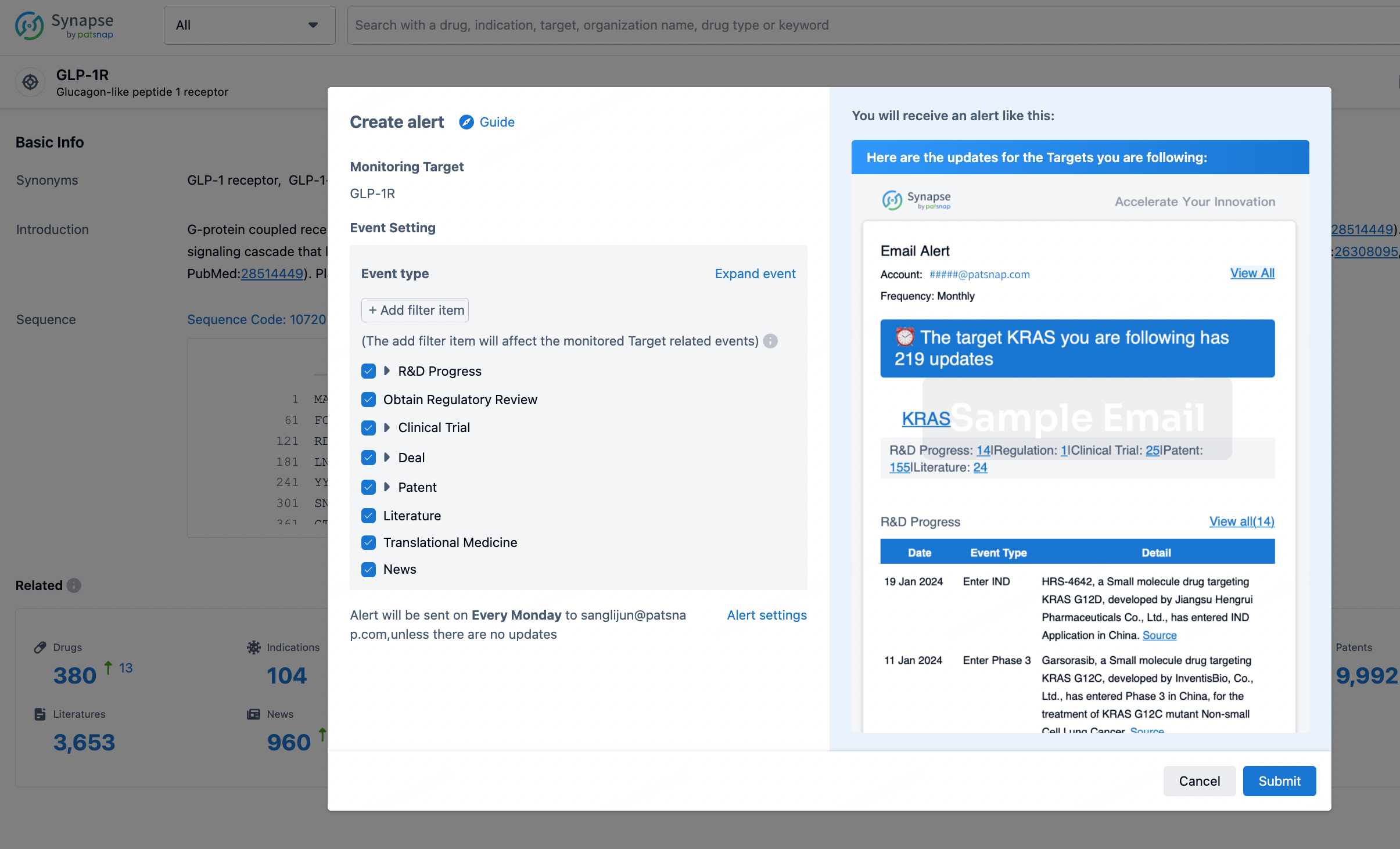
In the Synapse database, you can stay updated on the latest research and development advances of all targets. This service is accessible anytime and anywhere, with updates available daily or weekly. Use the "Set Alert" function to stay informed. Click on the image below to embark on a brand new journey of drug discovery!
AI Agents Built for Biopharma Breakthroughs
Accelerate discovery. Empower decisions. Transform outcomes.
Get started for free today!
Accelerate Strategic R&D decision making with Synapse, PatSnap’s AI-powered Connected Innovation Intelligence Platform Built for Life Sciences Professionals.
Start your data trial now!
Synapse data is also accessible to external entities via APIs or data packages. Empower better decisions with the latest in pharmaceutical intelligence.