Request Demo
What are CLEC2D agonists and how do they work?
25 June 2024
CLEC2D, or C-type lectin domain family 2 member D, is a receptor protein that plays a significant role in various physiological processes, including immune response and platelet activation. Recently, CLEC2D agonists have garnered attention in the scientific and medical communities for their potential therapeutic applications. In this blog post, we will delve into what CLEC2D agonists are, how they work, and what they are used for.
CLEC2D agonists are compounds that bind to the CLEC2D receptor and activate it. These molecules mimic the natural ligands of CLEC2D, thereby enhancing or modulating its activity. The receptor itself is part of the C-type lectin-like receptor family, which is involved in recognizing various carbohydrate structures on the surfaces of cells and pathogens. CLEC2D is predominantly found on immune cells, such as natural killer (NK) cells, and platelets, indicating its dual role in both immune responses and hemostasis.
Understanding how CLEC2D agonists work requires a grasp of the receptor’s natural function. When CLEC2D binds to its ligand, it triggers a cascade of intracellular signaling events. This signaling can lead to the activation of NK cells, which are crucial for the body's defense against tumors and virally infected cells. In platelets, CLEC2D activation is involved in clot formation, a process essential for stopping bleeding. By mimicking this natural activation, CLEC2D agonists can potentially enhance these physiological responses.
The mechanism of action of CLEC2D agonists involves binding to the receptor and inducing a conformational change that activates downstream signaling pathways. This activation can lead to the release of cytokines and chemokines, which are signaling molecules that modulate the immune response. In the context of platelets, CLEC2D activation can promote aggregation and clot formation. Researchers are currently exploring how these pathways can be precisely manipulated to achieve therapeutic benefits without undesirable side effects.
CLEC2D agonists are being investigated for their potential use in various medical conditions. One of the most promising areas is cancer immunotherapy. NK cells are a vital component of the immune system’s ability to target and destroy cancer cells. By activating CLEC2D, agonists can potentially enhance NK cell activity, making them more effective at eliminating cancer cells. This approach could complement existing cancer treatments, such as checkpoint inhibitors and CAR-T cell therapy, providing a multi-faceted attack on tumors.
Another area of interest is infectious disease. The immune-modulating effects of CLEC2D agonists could be harnessed to boost the body’s natural defenses against viral infections. By enhancing NK cell activity, these agonists might help to clear viral infections more efficiently, reducing the severity and duration of illness.
In addition to their role in immune modulation, CLEC2D agonists are also being explored for their potential in managing bleeding disorders. Platelet activation via CLEC2D could be a therapeutic strategy for conditions where clot formation is insufficient, such as in patients with certain types of hemophilia. By promoting platelet aggregation, CLEC2D agonists might help to stabilize clots and prevent excessive bleeding in these patients.
Moreover, CLEC2D agonists could have applications in cardiovascular diseases. Given their role in platelet aggregation, these compounds might be used to develop new treatments for conditions where clot formation needs to be tightly regulated. However, this application comes with the challenge of balancing the pro-aggregatory effects to avoid the risk of thrombosis.
In conclusion, CLEC2D agonists represent a promising area of research with potential applications in cancer therapy, infectious disease management, bleeding disorders, and possibly cardiovascular diseases. These compounds work by mimicking natural ligands to activate the CLEC2D receptor, thereby modulating immune responses and platelet activity. As research progresses, we may see these agonists becoming an integral part of therapeutic strategies in various medical fields. Their ability to enhance natural physiological processes opens up new avenues for treating some of the most challenging health conditions, making them a focal point of ongoing scientific investigation.
CLEC2D agonists are compounds that bind to the CLEC2D receptor and activate it. These molecules mimic the natural ligands of CLEC2D, thereby enhancing or modulating its activity. The receptor itself is part of the C-type lectin-like receptor family, which is involved in recognizing various carbohydrate structures on the surfaces of cells and pathogens. CLEC2D is predominantly found on immune cells, such as natural killer (NK) cells, and platelets, indicating its dual role in both immune responses and hemostasis.
Understanding how CLEC2D agonists work requires a grasp of the receptor’s natural function. When CLEC2D binds to its ligand, it triggers a cascade of intracellular signaling events. This signaling can lead to the activation of NK cells, which are crucial for the body's defense against tumors and virally infected cells. In platelets, CLEC2D activation is involved in clot formation, a process essential for stopping bleeding. By mimicking this natural activation, CLEC2D agonists can potentially enhance these physiological responses.
The mechanism of action of CLEC2D agonists involves binding to the receptor and inducing a conformational change that activates downstream signaling pathways. This activation can lead to the release of cytokines and chemokines, which are signaling molecules that modulate the immune response. In the context of platelets, CLEC2D activation can promote aggregation and clot formation. Researchers are currently exploring how these pathways can be precisely manipulated to achieve therapeutic benefits without undesirable side effects.
CLEC2D agonists are being investigated for their potential use in various medical conditions. One of the most promising areas is cancer immunotherapy. NK cells are a vital component of the immune system’s ability to target and destroy cancer cells. By activating CLEC2D, agonists can potentially enhance NK cell activity, making them more effective at eliminating cancer cells. This approach could complement existing cancer treatments, such as checkpoint inhibitors and CAR-T cell therapy, providing a multi-faceted attack on tumors.
Another area of interest is infectious disease. The immune-modulating effects of CLEC2D agonists could be harnessed to boost the body’s natural defenses against viral infections. By enhancing NK cell activity, these agonists might help to clear viral infections more efficiently, reducing the severity and duration of illness.
In addition to their role in immune modulation, CLEC2D agonists are also being explored for their potential in managing bleeding disorders. Platelet activation via CLEC2D could be a therapeutic strategy for conditions where clot formation is insufficient, such as in patients with certain types of hemophilia. By promoting platelet aggregation, CLEC2D agonists might help to stabilize clots and prevent excessive bleeding in these patients.
Moreover, CLEC2D agonists could have applications in cardiovascular diseases. Given their role in platelet aggregation, these compounds might be used to develop new treatments for conditions where clot formation needs to be tightly regulated. However, this application comes with the challenge of balancing the pro-aggregatory effects to avoid the risk of thrombosis.
In conclusion, CLEC2D agonists represent a promising area of research with potential applications in cancer therapy, infectious disease management, bleeding disorders, and possibly cardiovascular diseases. These compounds work by mimicking natural ligands to activate the CLEC2D receptor, thereby modulating immune responses and platelet activity. As research progresses, we may see these agonists becoming an integral part of therapeutic strategies in various medical fields. Their ability to enhance natural physiological processes opens up new avenues for treating some of the most challenging health conditions, making them a focal point of ongoing scientific investigation.
How to obtain the latest development progress of all targets?
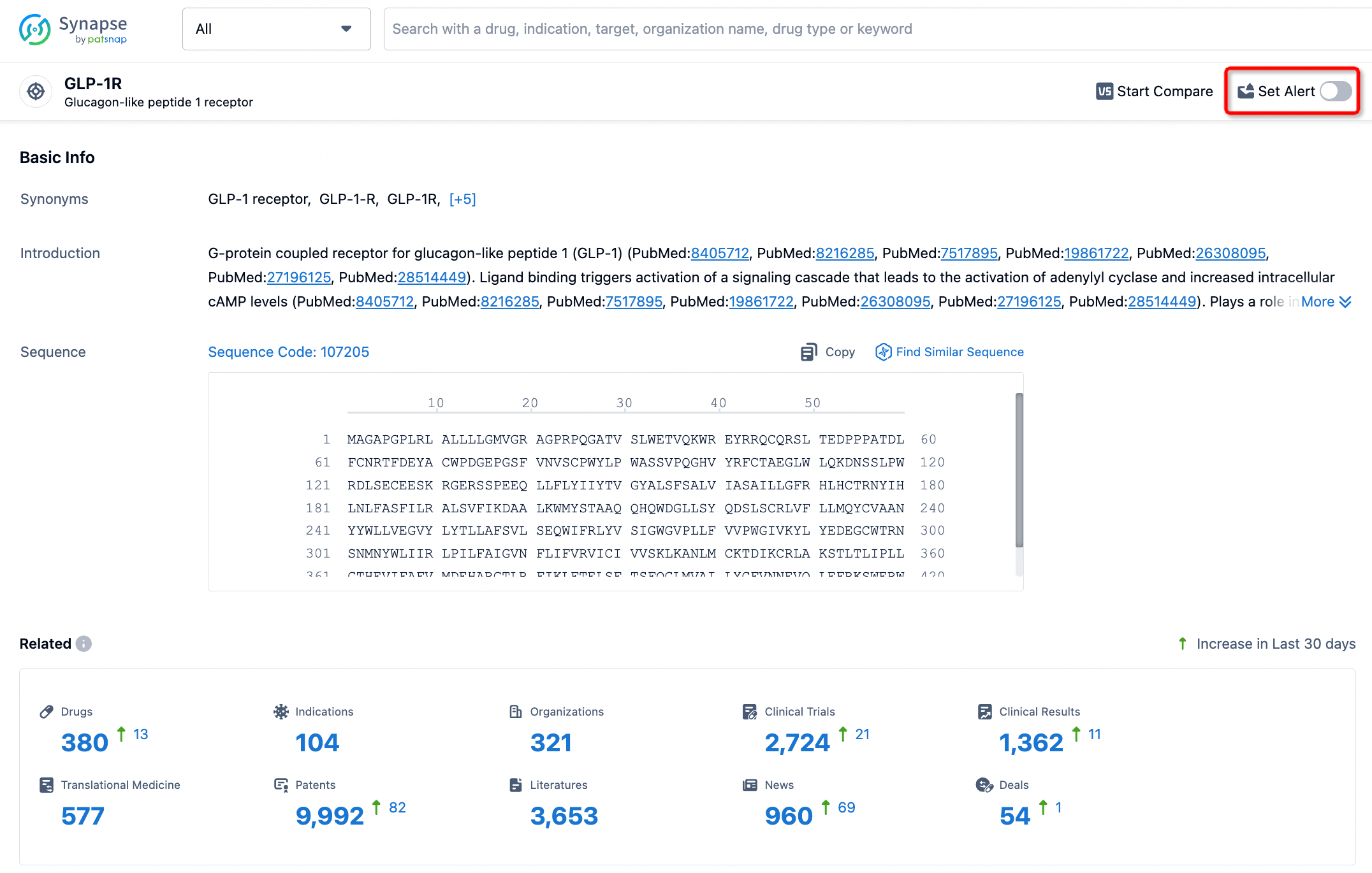
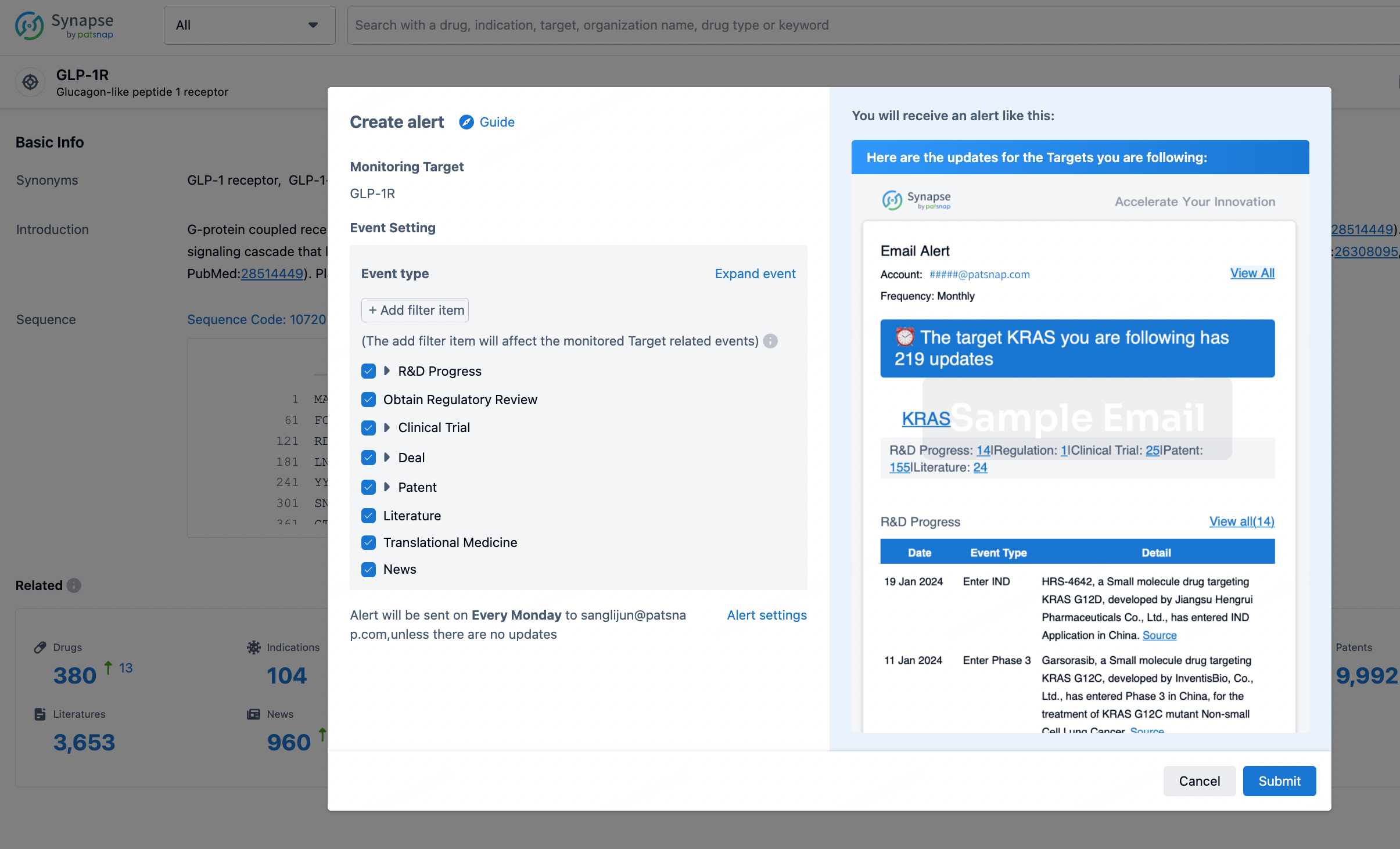
In the Synapse database, you can stay updated on the latest research and development advances of all targets. This service is accessible anytime and anywhere, with updates available daily or weekly. Use the "Set Alert" function to stay informed. Click on the image below to embark on a brand new journey of drug discovery!

AI Agents Built for Biopharma Breakthroughs
Accelerate discovery. Empower decisions. Transform outcomes.
Get started for free today!
Accelerate Strategic R&D decision making with Synapse, PatSnap’s AI-powered Connected Innovation Intelligence Platform Built for Life Sciences Professionals.
Start your data trial now!
Synapse data is also accessible to external entities via APIs or data packages. Empower better decisions with the latest in pharmaceutical intelligence.