Request Demo
What are COMMD8 modulators and how do they work?
25 June 2024
COMMD8 modulators have emerged as an area of intense interest in the field of biomedical research. They are part of the broader family of COMMD (Copper Metabolism MURR1 Domain) proteins, which are implicated in a variety of cellular processes, including the regulation of copper metabolism, inflammation, and apoptosis. COMMD8, in particular, has been shown to play a critical role in various signaling pathways that are essential for maintaining cellular homeostasis. This blog post will delve into the mechanisms of COMMD8 modulators, their functional roles, and their potential applications in medical science.
COMMD8 modulators exert their effects primarily by influencing the activity and stability of the COMMD8 protein. The COMMD8 protein itself is involved in multiple cellular pathways, including the NF-κB signaling pathway, which is a key regulator of immune responses and inflammation. COMMD8 can directly interact with other proteins in this pathway, affecting their activity and, consequently, the overall cellular response to various stimuli.
One primary way that COMMD8 modulators work is by stabilizing or destabilizing the COMMD8 protein. Stabilizing agents can enhance the protein's function, thereby amplifying its regulatory effects on downstream signaling pathways. On the other hand, destabilizing agents can reduce the protein's levels, leading to decreased activity and altered cellular responses. Researchers are also exploring small molecules that can modulate the protein-protein interactions involving COMMD8, thereby fine-tuning its activity without necessarily changing its expression levels.
Moreover, some COMMD8 modulators function by affecting the gene expression of COMMD8 itself. These modulators can be small molecule inhibitors, peptides, or even RNA-based agents that either promote or inhibit the transcription of the COMMD8 gene. By controlling the levels of the COMMD8 protein at the genetic level, these modulators offer a versatile approach to influence its activity and, by extension, the associated signaling pathways.
The applications of COMMD8 modulators are vast and varied, given the protein's involvement in multiple critical cellular processes. One significant area of interest is in the treatment of inflammatory diseases. Since COMMD8 is a key player in the NF-κB signaling pathway, which is often dysregulated in chronic inflammatory conditions, modulating its activity could offer new therapeutic avenues. For example, stabilizing COMMD8 could enhance its inhibitory effects on NF-κB signaling, potentially reducing inflammation in diseases like rheumatoid arthritis or inflammatory bowel disease.
Another promising application is in the field of oncology. Cancer cells often exploit various signaling pathways to promote their growth and survival, and COMMD8 is no exception. By modulating COMMD8 activity, it may be possible to disrupt these pathways, thereby inhibiting tumor growth and proliferation. Researchers are investigating the potential of COMMD8 modulators as part of combination therapies to enhance the efficacy of existing cancer treatments.
Additionally, COMMD8 modulators may have applications in neurodegenerative diseases. Given the protein's role in apoptosis and cellular stress responses, modulating its activity could potentially protect neurons from degeneration. This is particularly relevant in conditions like Alzheimer's and Parkinson's diseases, where dysregulated apoptosis and chronic cellular stress are key features.
In the realm of metabolic disorders, COMMD8's involvement in copper metabolism opens up another avenue for therapeutic intervention. Dysregulated copper metabolism is implicated in conditions like Wilson's disease and Menkes disease. By modulating COMMD8 activity, it may be possible to correct these metabolic imbalances and alleviate the associated symptoms.
In summary, COMMD8 modulators represent a versatile and promising class of therapeutic agents with potential applications across a range of diseases. By influencing the activity and stability of the COMMD8 protein, these modulators can impact various critical signaling pathways, offering new avenues for treatment. As research progresses, it is likely that we will see an increasing number of applications for COMMD8 modulators in clinical settings, paving the way for innovative therapies that target the underlying mechanisms of disease.
COMMD8 modulators exert their effects primarily by influencing the activity and stability of the COMMD8 protein. The COMMD8 protein itself is involved in multiple cellular pathways, including the NF-κB signaling pathway, which is a key regulator of immune responses and inflammation. COMMD8 can directly interact with other proteins in this pathway, affecting their activity and, consequently, the overall cellular response to various stimuli.
One primary way that COMMD8 modulators work is by stabilizing or destabilizing the COMMD8 protein. Stabilizing agents can enhance the protein's function, thereby amplifying its regulatory effects on downstream signaling pathways. On the other hand, destabilizing agents can reduce the protein's levels, leading to decreased activity and altered cellular responses. Researchers are also exploring small molecules that can modulate the protein-protein interactions involving COMMD8, thereby fine-tuning its activity without necessarily changing its expression levels.
Moreover, some COMMD8 modulators function by affecting the gene expression of COMMD8 itself. These modulators can be small molecule inhibitors, peptides, or even RNA-based agents that either promote or inhibit the transcription of the COMMD8 gene. By controlling the levels of the COMMD8 protein at the genetic level, these modulators offer a versatile approach to influence its activity and, by extension, the associated signaling pathways.
The applications of COMMD8 modulators are vast and varied, given the protein's involvement in multiple critical cellular processes. One significant area of interest is in the treatment of inflammatory diseases. Since COMMD8 is a key player in the NF-κB signaling pathway, which is often dysregulated in chronic inflammatory conditions, modulating its activity could offer new therapeutic avenues. For example, stabilizing COMMD8 could enhance its inhibitory effects on NF-κB signaling, potentially reducing inflammation in diseases like rheumatoid arthritis or inflammatory bowel disease.
Another promising application is in the field of oncology. Cancer cells often exploit various signaling pathways to promote their growth and survival, and COMMD8 is no exception. By modulating COMMD8 activity, it may be possible to disrupt these pathways, thereby inhibiting tumor growth and proliferation. Researchers are investigating the potential of COMMD8 modulators as part of combination therapies to enhance the efficacy of existing cancer treatments.
Additionally, COMMD8 modulators may have applications in neurodegenerative diseases. Given the protein's role in apoptosis and cellular stress responses, modulating its activity could potentially protect neurons from degeneration. This is particularly relevant in conditions like Alzheimer's and Parkinson's diseases, where dysregulated apoptosis and chronic cellular stress are key features.
In the realm of metabolic disorders, COMMD8's involvement in copper metabolism opens up another avenue for therapeutic intervention. Dysregulated copper metabolism is implicated in conditions like Wilson's disease and Menkes disease. By modulating COMMD8 activity, it may be possible to correct these metabolic imbalances and alleviate the associated symptoms.
In summary, COMMD8 modulators represent a versatile and promising class of therapeutic agents with potential applications across a range of diseases. By influencing the activity and stability of the COMMD8 protein, these modulators can impact various critical signaling pathways, offering new avenues for treatment. As research progresses, it is likely that we will see an increasing number of applications for COMMD8 modulators in clinical settings, paving the way for innovative therapies that target the underlying mechanisms of disease.
How to obtain the latest development progress of all targets?
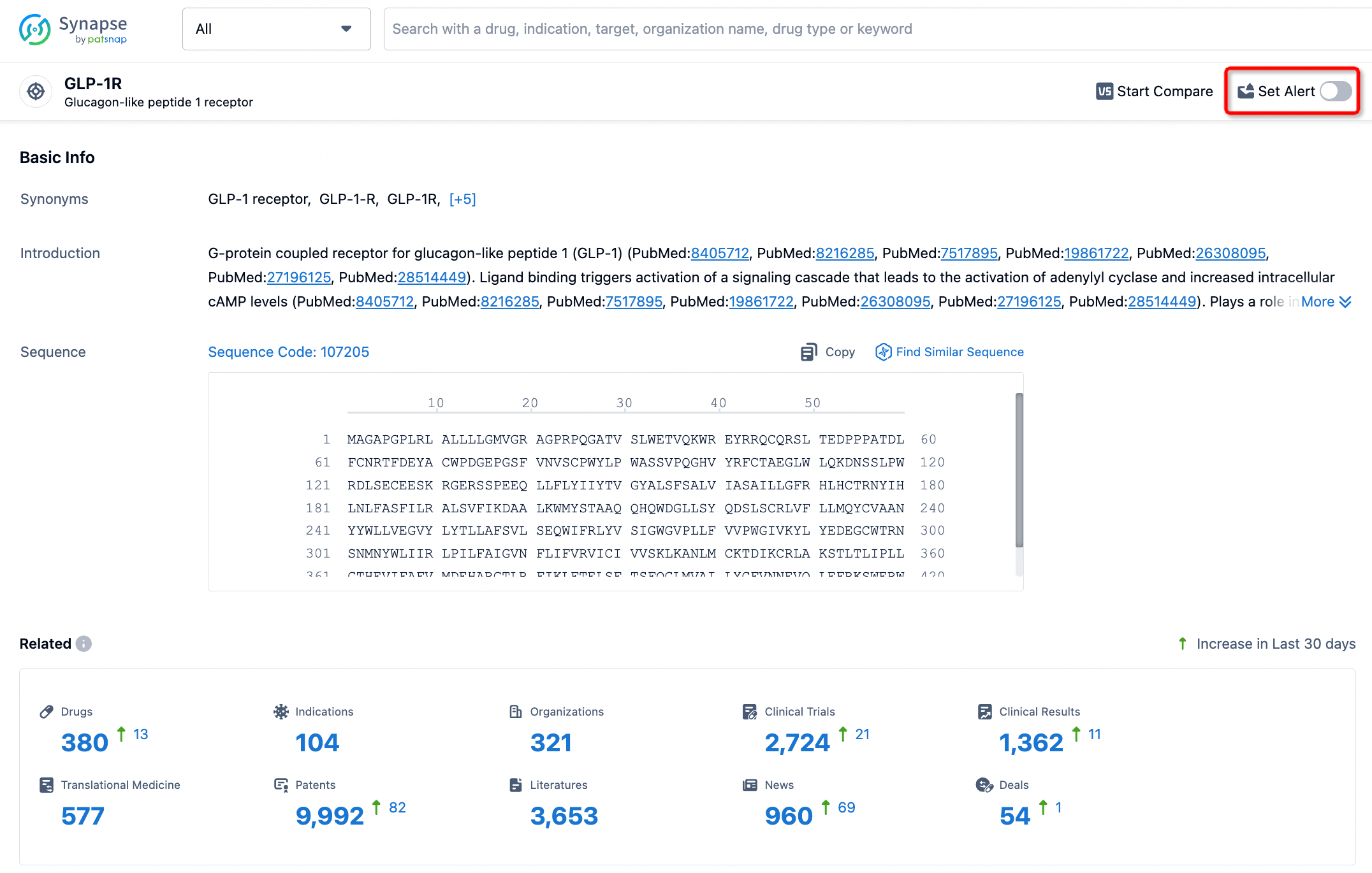
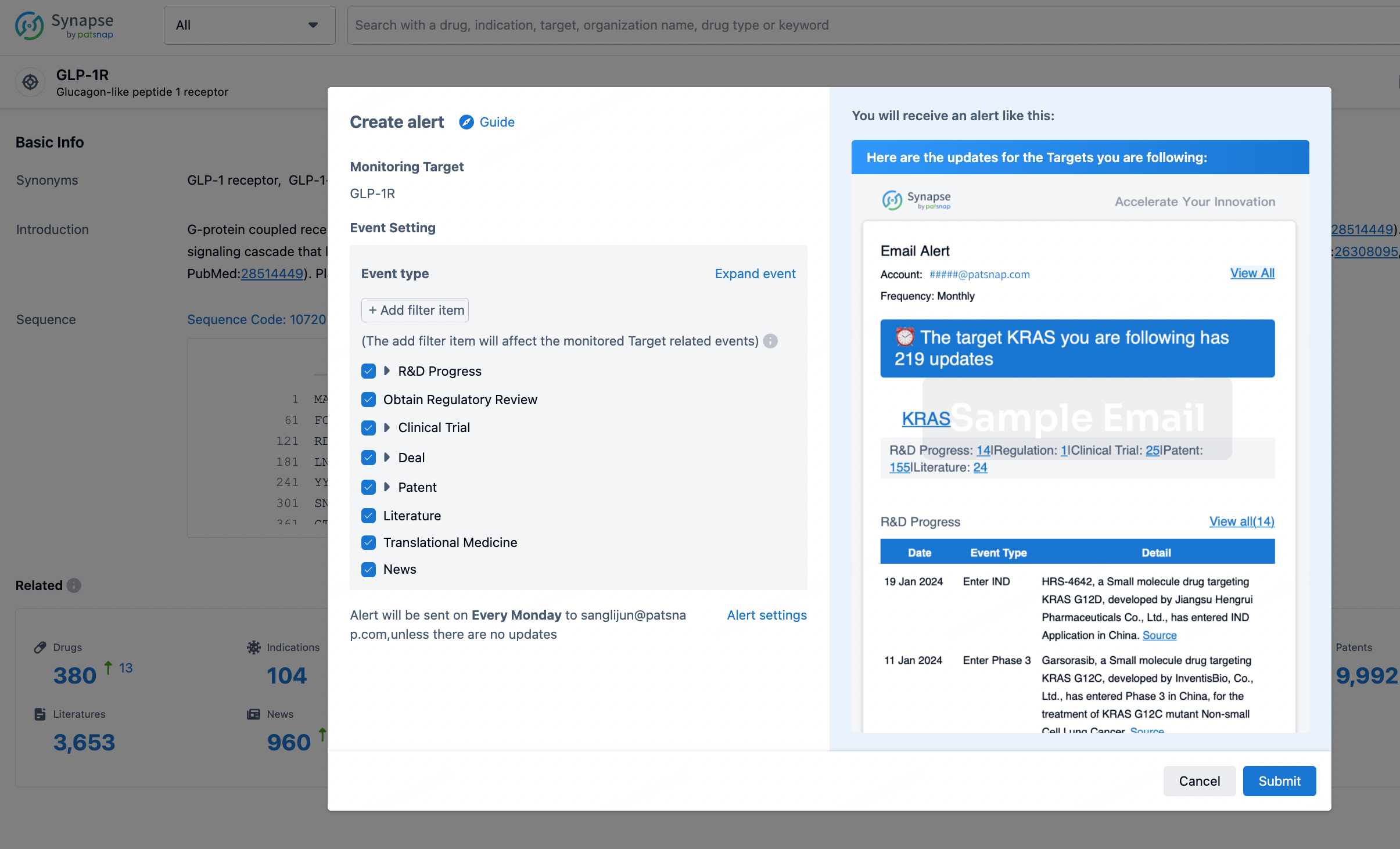
In the Synapse database, you can stay updated on the latest research and development advances of all targets. This service is accessible anytime and anywhere, with updates available daily or weekly. Use the "Set Alert" function to stay informed. Click on the image below to embark on a brand new journey of drug discovery!
AI Agents Built for Biopharma Breakthroughs
Accelerate discovery. Empower decisions. Transform outcomes.
Get started for free today!
Accelerate Strategic R&D decision making with Synapse, PatSnap’s AI-powered Connected Innovation Intelligence Platform Built for Life Sciences Professionals.
Start your data trial now!
Synapse data is also accessible to external entities via APIs or data packages. Empower better decisions with the latest in pharmaceutical intelligence.