Request Demo
What are COVID19 replicase polyprotein 1ab inhibitors and how do they work?
26 June 2024
The emergence of COVID-19 has created an urgent need for effective treatments to combat the virus and mitigate the impact of the pandemic. Among the various therapeutic strategies that have been explored, targeting the virus's replication machinery has shown considerable promise. One such target is the replicase polyprotein 1ab, an essential component of the viral replication process. Inhibiting this polyprotein can potentially halt the virus in its tracks, providing a powerful tool in the fight against COVID-19.
COVID-19 replicase polyprotein 1ab inhibitors are a class of antiviral agents designed to interfere with the function of the replicase polyprotein 1ab of the SARS-CoV-2 virus. The replicase polyprotein 1ab is a large, multifunctional protein that the virus uses to replicate its RNA genome and produce new viral particles. This polyprotein is initially synthesized as a single, long chain that is subsequently cleaved into multiple functional units by viral proteases. These units then facilitate various aspects of the viral life cycle, including RNA synthesis and processing.
By inhibiting the activity of the replicase polyprotein 1ab, these antiviral agents aim to disrupt the virus's replication process, thereby preventing it from multiplying within the host cells. This approach can effectively reduce the viral load in infected individuals and limit the spread of the virus. The inhibition can occur at various stages, such as blocking the protease activity that cleaves the polyprotein into its functional units or directly interfering with the enzymatic activities of the processed proteins.
COVID-19 replicase polyprotein 1ab inhibitors work by targeting specific enzymatic activities within the polyprotein that are crucial for viral replication. The polyprotein 1ab contains several key enzymes, including RNA-dependent RNA polymerase (RdRp), helicase, and several proteases. Inhibitors designed to target these enzymes can prevent the virus from synthesizing its RNA genome and processing the proteins needed for its replication.
One notable example of an inhibitor targeting the RNA-dependent RNA polymerase is Remdesivir. Remdesivir is a nucleotide analog that gets incorporated into the viral RNA during replication, leading to premature termination of the RNA chain. This effectively halts the replication process, rendering the virus unable to produce new viral particles. Other inhibitors may target the proteases, such as the main protease (Mpro) and papain-like protease (PLpro), which are responsible for cleaving the polyprotein into its functional components. By blocking these proteases, the inhibitors prevent the formation of essential viral proteins, thereby stalling the replication process.
The primary use of COVID-19 replicase polyprotein 1ab inhibitors is to treat individuals infected with SARS-CoV-2, the virus responsible for COVID-19. These inhibitors are particularly valuable for patients with moderate to severe disease, where reducing the viral load can significantly improve clinical outcomes. By curbing the replication of the virus, these inhibitors can help alleviate symptoms, shorten the duration of illness, and reduce the likelihood of severe complications, such as acute respiratory distress syndrome (ARDS) and multi-organ failure.
Additionally, COVID-19 replicase polyprotein 1ab inhibitors hold promise for prophylactic use, particularly in high-risk populations or in individuals who have been exposed to the virus. By administering these inhibitors early in the course of infection or as a preventive measure, it may be possible to reduce the incidence and severity of COVID-19. This can be especially beneficial in settings such as healthcare facilities, long-term care homes, and other environments where the risk of transmission is high.
In conclusion, COVID-19 replicase polyprotein 1ab inhibitors represent a promising class of antiviral agents with the potential to significantly impact the treatment and management of COVID-19. By targeting the essential components of the virus's replication machinery, these inhibitors can effectively reduce viral load, improve clinical outcomes, and potentially provide prophylactic benefits. As research and development in this area continue, it is hoped that these inhibitors will play a crucial role in the ongoing battle against COVID-19 and future coronavirus outbreaks.
COVID-19 replicase polyprotein 1ab inhibitors are a class of antiviral agents designed to interfere with the function of the replicase polyprotein 1ab of the SARS-CoV-2 virus. The replicase polyprotein 1ab is a large, multifunctional protein that the virus uses to replicate its RNA genome and produce new viral particles. This polyprotein is initially synthesized as a single, long chain that is subsequently cleaved into multiple functional units by viral proteases. These units then facilitate various aspects of the viral life cycle, including RNA synthesis and processing.
By inhibiting the activity of the replicase polyprotein 1ab, these antiviral agents aim to disrupt the virus's replication process, thereby preventing it from multiplying within the host cells. This approach can effectively reduce the viral load in infected individuals and limit the spread of the virus. The inhibition can occur at various stages, such as blocking the protease activity that cleaves the polyprotein into its functional units or directly interfering with the enzymatic activities of the processed proteins.
COVID-19 replicase polyprotein 1ab inhibitors work by targeting specific enzymatic activities within the polyprotein that are crucial for viral replication. The polyprotein 1ab contains several key enzymes, including RNA-dependent RNA polymerase (RdRp), helicase, and several proteases. Inhibitors designed to target these enzymes can prevent the virus from synthesizing its RNA genome and processing the proteins needed for its replication.
One notable example of an inhibitor targeting the RNA-dependent RNA polymerase is Remdesivir. Remdesivir is a nucleotide analog that gets incorporated into the viral RNA during replication, leading to premature termination of the RNA chain. This effectively halts the replication process, rendering the virus unable to produce new viral particles. Other inhibitors may target the proteases, such as the main protease (Mpro) and papain-like protease (PLpro), which are responsible for cleaving the polyprotein into its functional components. By blocking these proteases, the inhibitors prevent the formation of essential viral proteins, thereby stalling the replication process.
The primary use of COVID-19 replicase polyprotein 1ab inhibitors is to treat individuals infected with SARS-CoV-2, the virus responsible for COVID-19. These inhibitors are particularly valuable for patients with moderate to severe disease, where reducing the viral load can significantly improve clinical outcomes. By curbing the replication of the virus, these inhibitors can help alleviate symptoms, shorten the duration of illness, and reduce the likelihood of severe complications, such as acute respiratory distress syndrome (ARDS) and multi-organ failure.
Additionally, COVID-19 replicase polyprotein 1ab inhibitors hold promise for prophylactic use, particularly in high-risk populations or in individuals who have been exposed to the virus. By administering these inhibitors early in the course of infection or as a preventive measure, it may be possible to reduce the incidence and severity of COVID-19. This can be especially beneficial in settings such as healthcare facilities, long-term care homes, and other environments where the risk of transmission is high.
In conclusion, COVID-19 replicase polyprotein 1ab inhibitors represent a promising class of antiviral agents with the potential to significantly impact the treatment and management of COVID-19. By targeting the essential components of the virus's replication machinery, these inhibitors can effectively reduce viral load, improve clinical outcomes, and potentially provide prophylactic benefits. As research and development in this area continue, it is hoped that these inhibitors will play a crucial role in the ongoing battle against COVID-19 and future coronavirus outbreaks.
How to obtain the latest development progress of all targets?
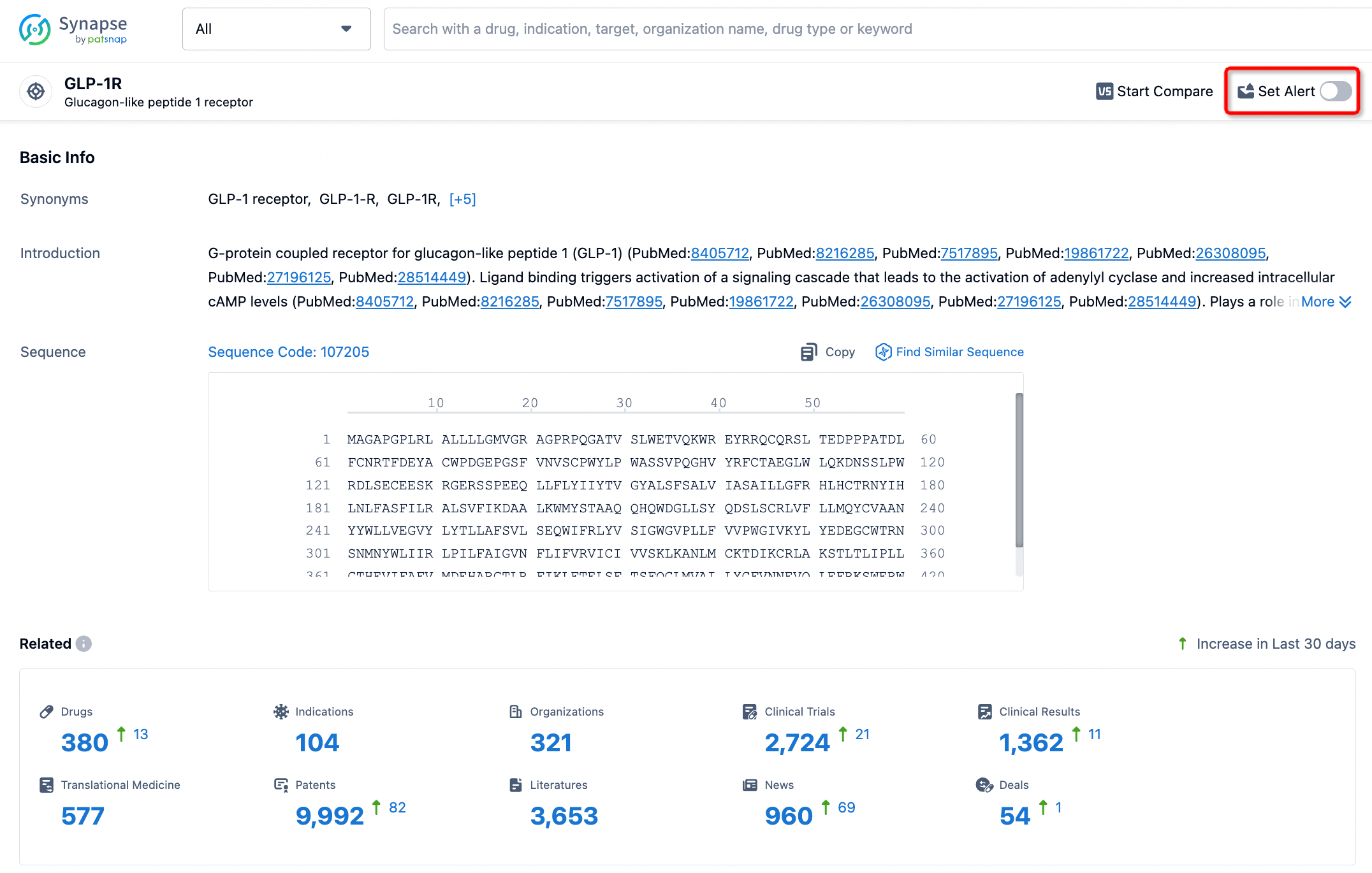
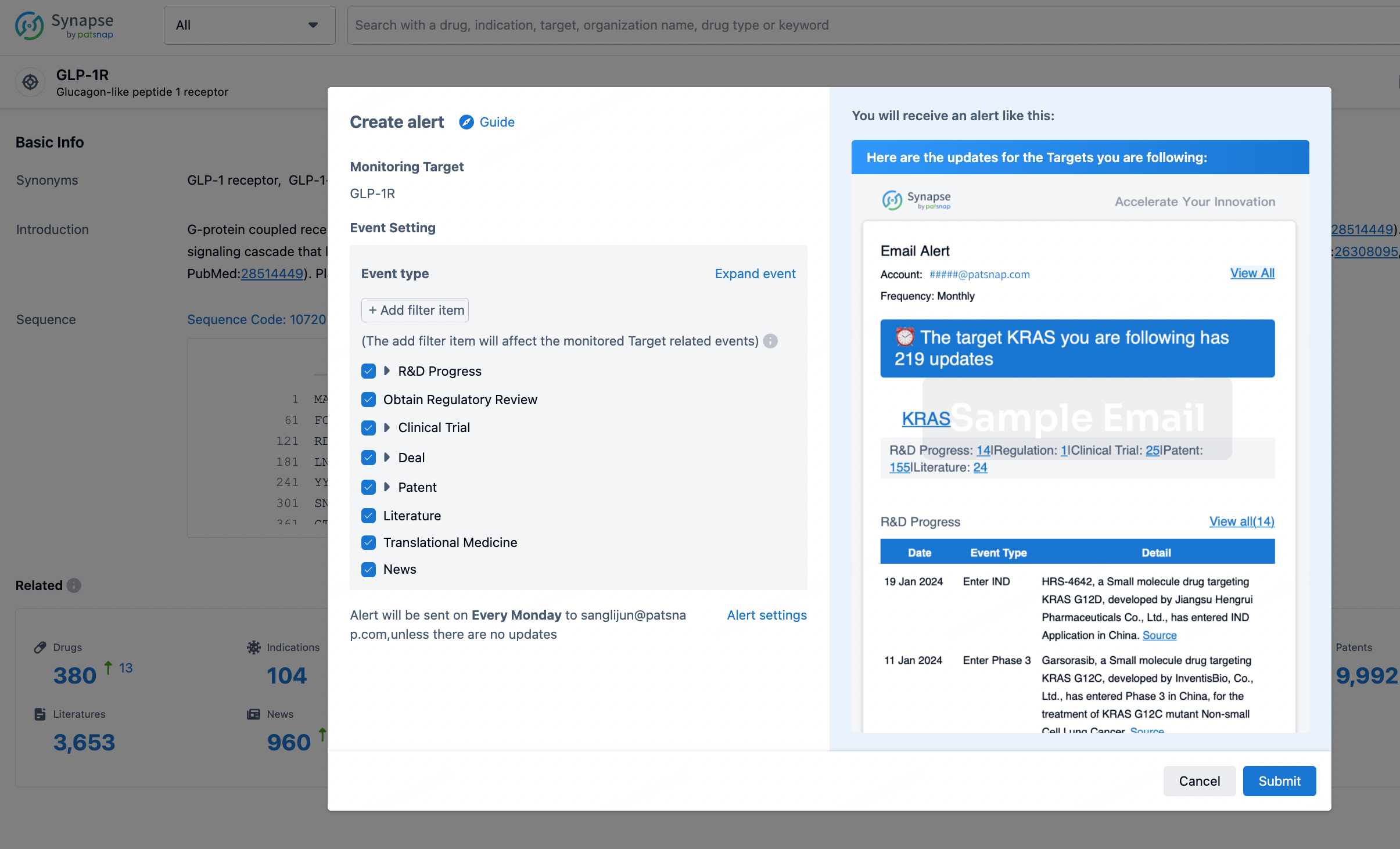
In the Synapse database, you can stay updated on the latest research and development advances of all targets. This service is accessible anytime and anywhere, with updates available daily or weekly. Use the "Set Alert" function to stay informed. Click on the image below to embark on a brand new journey of drug discovery!
AI Agents Built for Biopharma Breakthroughs
Accelerate discovery. Empower decisions. Transform outcomes.
Get started for free today!
Accelerate Strategic R&D decision making with Synapse, PatSnap’s AI-powered Connected Innovation Intelligence Platform Built for Life Sciences Professionals.
Start your data trial now!
Synapse data is also accessible to external entities via APIs or data packages. Empower better decisions with the latest in pharmaceutical intelligence.