Request Demo
What are decentralized clinical trials (DCTs)?
29 May 2025
Introduction to Decentralized Clinical Trials
Decentralized Clinical Trials (DCTs) are revolutionizing the way clinical research is conducted, offering a more patient-centric approach that leverages technology to enhance participation, data collection, and overall trial efficiency. Unlike traditional clinical trials that often require participants to visit specific sites for assessments, DCTs allow for remote participation, making it easier for diverse populations to engage in medical research. This shift not only increases accessibility but also aims to streamline the entire research process.
The Evolution of Clinical Trials
Historically, clinical trials have been conducted in centralized locations, such as hospitals or specialized research facilities. These trials require participants to travel to these sites, which can be inconvenient and limit participation to those who live nearby or can afford travel expenses. Recognizing these challenges, the industry began exploring decentralized models. The rise of digital technologies, such as telemedicine, mobile health apps, and wearable devices, has paved the way for DCTs, allowing data collection and patient monitoring to happen from anywhere.
Key Components of DCTs
1. Remote Patient Monitoring:
DCTs utilize digital devices and applications to monitor patients' health remotely. Wearable devices, such as smartwatches or medical-grade sensors, can collect real-time data, including heart rate, activity levels, and sleep patterns. This continuous monitoring not only provides comprehensive data but also enhances patient safety by enabling prompt responses to any health changes.
2. Telemedicine and Virtual Visits:
Telemedicine is a cornerstone of DCTs, allowing participants to engage with healthcare professionals through video calls or online platforms. This approach reduces the need for in-person visits, saving time for both researchers and participants while maintaining high-quality interactions. Virtual visits facilitate regular check-ins, ensuring participants remain informed and engaged throughout the trial.
3. Direct-to-Patient Shipping:
In DCTs, medications, and trial materials can be shipped directly to participants' homes. This not only simplifies logistics but also ensures that participants have easy access to necessary treatments and study materials, reducing barriers to participation.
4. Electronic Consent:
Obtaining informed consent is a crucial aspect of clinical trials. DCTs use electronic consent forms, allowing participants to review, understand, and sign documents online at their convenience. This digital approach ensures that participants are fully informed while providing researchers with efficient documentation and tracking.
Advantages of Decentralized Clinical Trials
1. Increased Accessibility:
DCTs make it easier for individuals from varying locations and backgrounds to participate, reducing geographic and socioeconomic barriers. This inclusivity can lead to more diverse data, improving the generalizability of trial results.
2. Enhanced Patient Engagement:
By allowing participants to engage from their homes, DCTs can increase patient comfort and satisfaction, fostering a more cooperative and committed trial environment. The flexibility of participation often leads to higher retention rates and more reliable data.
3. Cost-Effectiveness:
Remote monitoring and virtual visits can significantly reduce the costs associated with site management and participant travel. These savings can be redirected to other essential aspects of research, making trials more financially sustainable.
Challenges and Considerations
While DCTs offer numerous benefits, there are challenges that researchers must address. Ensuring data security and privacy is paramount, given the digital nature of these trials. Additionally, the technological literacy of participants can vary, requiring researchers to provide adequate support and resources. Regulatory compliance remains a critical consideration, as guidelines for DCTs continue to evolve alongside technological advancements.
Conclusion
Decentralized Clinical Trials represent a significant shift in clinical research methodology, aligning with modern technological capabilities and patient needs. By prioritizing accessibility, convenience, and efficiency, DCTs have the potential to transform medical research, enabling broader participation and faster, more reliable results. As the industry continues to embrace this innovative approach, ongoing collaboration and adaptation will be necessary to navigate challenges and fully realize the benefits of decentralized trials.
Decentralized Clinical Trials (DCTs) are revolutionizing the way clinical research is conducted, offering a more patient-centric approach that leverages technology to enhance participation, data collection, and overall trial efficiency. Unlike traditional clinical trials that often require participants to visit specific sites for assessments, DCTs allow for remote participation, making it easier for diverse populations to engage in medical research. This shift not only increases accessibility but also aims to streamline the entire research process.
The Evolution of Clinical Trials
Historically, clinical trials have been conducted in centralized locations, such as hospitals or specialized research facilities. These trials require participants to travel to these sites, which can be inconvenient and limit participation to those who live nearby or can afford travel expenses. Recognizing these challenges, the industry began exploring decentralized models. The rise of digital technologies, such as telemedicine, mobile health apps, and wearable devices, has paved the way for DCTs, allowing data collection and patient monitoring to happen from anywhere.
Key Components of DCTs
1. Remote Patient Monitoring:
DCTs utilize digital devices and applications to monitor patients' health remotely. Wearable devices, such as smartwatches or medical-grade sensors, can collect real-time data, including heart rate, activity levels, and sleep patterns. This continuous monitoring not only provides comprehensive data but also enhances patient safety by enabling prompt responses to any health changes.
2. Telemedicine and Virtual Visits:
Telemedicine is a cornerstone of DCTs, allowing participants to engage with healthcare professionals through video calls or online platforms. This approach reduces the need for in-person visits, saving time for both researchers and participants while maintaining high-quality interactions. Virtual visits facilitate regular check-ins, ensuring participants remain informed and engaged throughout the trial.
3. Direct-to-Patient Shipping:
In DCTs, medications, and trial materials can be shipped directly to participants' homes. This not only simplifies logistics but also ensures that participants have easy access to necessary treatments and study materials, reducing barriers to participation.
4. Electronic Consent:
Obtaining informed consent is a crucial aspect of clinical trials. DCTs use electronic consent forms, allowing participants to review, understand, and sign documents online at their convenience. This digital approach ensures that participants are fully informed while providing researchers with efficient documentation and tracking.
Advantages of Decentralized Clinical Trials
1. Increased Accessibility:
DCTs make it easier for individuals from varying locations and backgrounds to participate, reducing geographic and socioeconomic barriers. This inclusivity can lead to more diverse data, improving the generalizability of trial results.
2. Enhanced Patient Engagement:
By allowing participants to engage from their homes, DCTs can increase patient comfort and satisfaction, fostering a more cooperative and committed trial environment. The flexibility of participation often leads to higher retention rates and more reliable data.
3. Cost-Effectiveness:
Remote monitoring and virtual visits can significantly reduce the costs associated with site management and participant travel. These savings can be redirected to other essential aspects of research, making trials more financially sustainable.
Challenges and Considerations
While DCTs offer numerous benefits, there are challenges that researchers must address. Ensuring data security and privacy is paramount, given the digital nature of these trials. Additionally, the technological literacy of participants can vary, requiring researchers to provide adequate support and resources. Regulatory compliance remains a critical consideration, as guidelines for DCTs continue to evolve alongside technological advancements.
Conclusion
Decentralized Clinical Trials represent a significant shift in clinical research methodology, aligning with modern technological capabilities and patient needs. By prioritizing accessibility, convenience, and efficiency, DCTs have the potential to transform medical research, enabling broader participation and faster, more reliable results. As the industry continues to embrace this innovative approach, ongoing collaboration and adaptation will be necessary to navigate challenges and fully realize the benefits of decentralized trials.
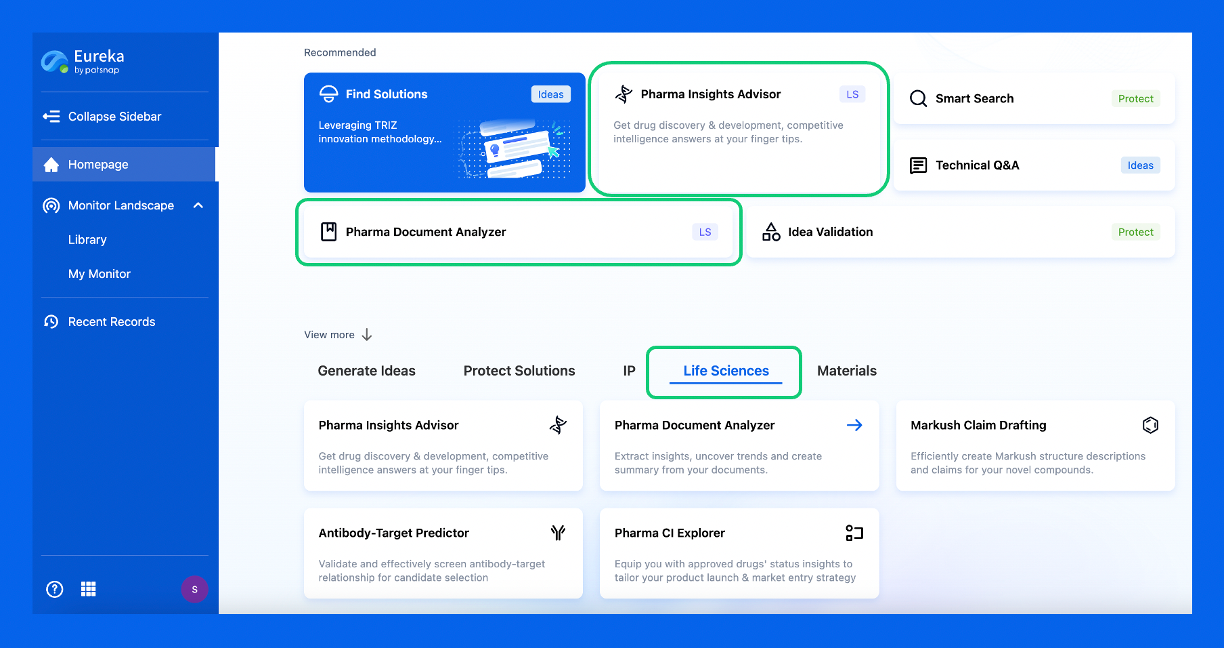
Discover Eureka LS: AI Agents Built for Biopharma Efficiency
Stop wasting time on biopharma busywork. Meet Eureka LS - your AI agent squad for drug discovery.
▶ See how 50+ research teams saved 300+ hours/month
From reducing screening time to simplifying Markush drafting, our AI Agents are ready to deliver immediate value. Explore Eureka LS today and unlock powerful capabilities that help you innovate with confidence.
AI Agents Built for Biopharma Breakthroughs
Accelerate discovery. Empower decisions. Transform outcomes.
Get started for free today!
Accelerate Strategic R&D decision making with Synapse, PatSnap’s AI-powered Connected Innovation Intelligence Platform Built for Life Sciences Professionals.
Start your data trial now!
Synapse data is also accessible to external entities via APIs or data packages. Empower better decisions with the latest in pharmaceutical intelligence.