Request Demo
What are EGFR exon 20 inhibitors and how do they work?
21 June 2024
In recent years, the landscape of cancer treatment has dramatically evolved, driven by an enhanced understanding of the molecular mechanisms underlying tumor growth and proliferation. One of the critical discoveries in this field is the role of the Epidermal Growth Factor Receptor (EGFR) in non-small cell lung cancer (NSCLC). Specifically, mutations in the EGFR gene, particularly those found in exon 20, have emerged as significant targets for novel therapeutic approaches. This article delves into the fascinating world of EGFR exon 20 inhibitors, shedding light on their mechanism of action and their clinical applications.
EGFR exon 20 inhibitors are a class of targeted therapies designed to specifically bind to and inhibit the activity of mutant EGFR proteins, particularly those with exon 20 insertions. These insertions are unique because they cause structural changes in the receptor’s kinase domain, which can lead to uncontrolled cell growth and cancer. Traditional EGFR inhibitors, like gefitinib and erlotinib, have been effective against common EGFR mutations but are less effective against exon 20 insertions due to these structural differences.
The mechanism of action of EGFR exon 20 inhibitors is tailored to overcome this challenge. These inhibitors are designed to bind more effectively to the altered kinase domain of the EGFR protein, blocking its activity and thereby hindering the downstream signaling pathways that promote tumor growth and survival. By interfering with these pathways, EGFR exon 20 inhibitors can induce apoptosis (programmed cell death) in cancer cells, reduce tumor size, and slow disease progression.
Developing these inhibitors requires a deep understanding of the structural biology of the EGFR protein. Scientists use advanced techniques such as X-ray crystallography and molecular modeling to design drugs that can fit precisely into the mutated kinase domain of EGFR. Additionally, these inhibitors undergo rigorous preclinical testing in cellular and animal models to assess their efficacy and safety before advancing to clinical trials.
EGFR exon 20 inhibitors represent a promising advancement in the treatment of NSCLC, particularly for patients whose tumors harbor these specific mutations. Traditionally, patients with EGFR exon 20 insertions had limited treatment options and poorer prognoses compared to those with more common EGFR mutations. However, the advent of exon 20 inhibitors has provided new hope for these patients.
One of the primary uses of EGFR exon 20 inhibitors is in the treatment of advanced or metastatic NSCLC. Clinical trials have shown that these inhibitors can achieve significant tumor shrinkage and extend progression-free survival in patients with exon 20 insertions. Moreover, some EGFR exon 20 inhibitors have received regulatory approval based on their positive clinical trial outcomes, offering a new line of therapy for patients who previously had limited options.
In addition to treating NSCLC, researchers are exploring the potential of EGFR exon 20 inhibitors in other cancers with similar mutations. While lung cancer remains the primary focus, the principles underlying the use of these inhibitors could be applicable to other malignancies driven by EGFR mutations. This broadens the potential impact of these drugs beyond lung cancer and into other areas of oncology.
Furthermore, the development of EGFR exon 20 inhibitors underscores the importance of precision medicine in cancer treatment. By tailoring therapies to the specific genetic alterations in a patient’s tumor, oncologists can provide more effective and personalized treatment plans. This approach not only enhances the efficacy of the treatment but also minimizes unnecessary side effects by avoiding therapies unlikely to benefit the patient.
As research continues, we can anticipate further refinements in EGFR exon 20 inhibitors, improved patient outcomes, and potentially new applications in various cancer types. The journey of these inhibitors from the lab to the clinic exemplifies the power of targeted therapy and the ongoing commitment to advancing cancer treatment through innovative science.
EGFR exon 20 inhibitors are a class of targeted therapies designed to specifically bind to and inhibit the activity of mutant EGFR proteins, particularly those with exon 20 insertions. These insertions are unique because they cause structural changes in the receptor’s kinase domain, which can lead to uncontrolled cell growth and cancer. Traditional EGFR inhibitors, like gefitinib and erlotinib, have been effective against common EGFR mutations but are less effective against exon 20 insertions due to these structural differences.
The mechanism of action of EGFR exon 20 inhibitors is tailored to overcome this challenge. These inhibitors are designed to bind more effectively to the altered kinase domain of the EGFR protein, blocking its activity and thereby hindering the downstream signaling pathways that promote tumor growth and survival. By interfering with these pathways, EGFR exon 20 inhibitors can induce apoptosis (programmed cell death) in cancer cells, reduce tumor size, and slow disease progression.
Developing these inhibitors requires a deep understanding of the structural biology of the EGFR protein. Scientists use advanced techniques such as X-ray crystallography and molecular modeling to design drugs that can fit precisely into the mutated kinase domain of EGFR. Additionally, these inhibitors undergo rigorous preclinical testing in cellular and animal models to assess their efficacy and safety before advancing to clinical trials.
EGFR exon 20 inhibitors represent a promising advancement in the treatment of NSCLC, particularly for patients whose tumors harbor these specific mutations. Traditionally, patients with EGFR exon 20 insertions had limited treatment options and poorer prognoses compared to those with more common EGFR mutations. However, the advent of exon 20 inhibitors has provided new hope for these patients.
One of the primary uses of EGFR exon 20 inhibitors is in the treatment of advanced or metastatic NSCLC. Clinical trials have shown that these inhibitors can achieve significant tumor shrinkage and extend progression-free survival in patients with exon 20 insertions. Moreover, some EGFR exon 20 inhibitors have received regulatory approval based on their positive clinical trial outcomes, offering a new line of therapy for patients who previously had limited options.
In addition to treating NSCLC, researchers are exploring the potential of EGFR exon 20 inhibitors in other cancers with similar mutations. While lung cancer remains the primary focus, the principles underlying the use of these inhibitors could be applicable to other malignancies driven by EGFR mutations. This broadens the potential impact of these drugs beyond lung cancer and into other areas of oncology.
Furthermore, the development of EGFR exon 20 inhibitors underscores the importance of precision medicine in cancer treatment. By tailoring therapies to the specific genetic alterations in a patient’s tumor, oncologists can provide more effective and personalized treatment plans. This approach not only enhances the efficacy of the treatment but also minimizes unnecessary side effects by avoiding therapies unlikely to benefit the patient.
As research continues, we can anticipate further refinements in EGFR exon 20 inhibitors, improved patient outcomes, and potentially new applications in various cancer types. The journey of these inhibitors from the lab to the clinic exemplifies the power of targeted therapy and the ongoing commitment to advancing cancer treatment through innovative science.
How to obtain the latest development progress of all targets?
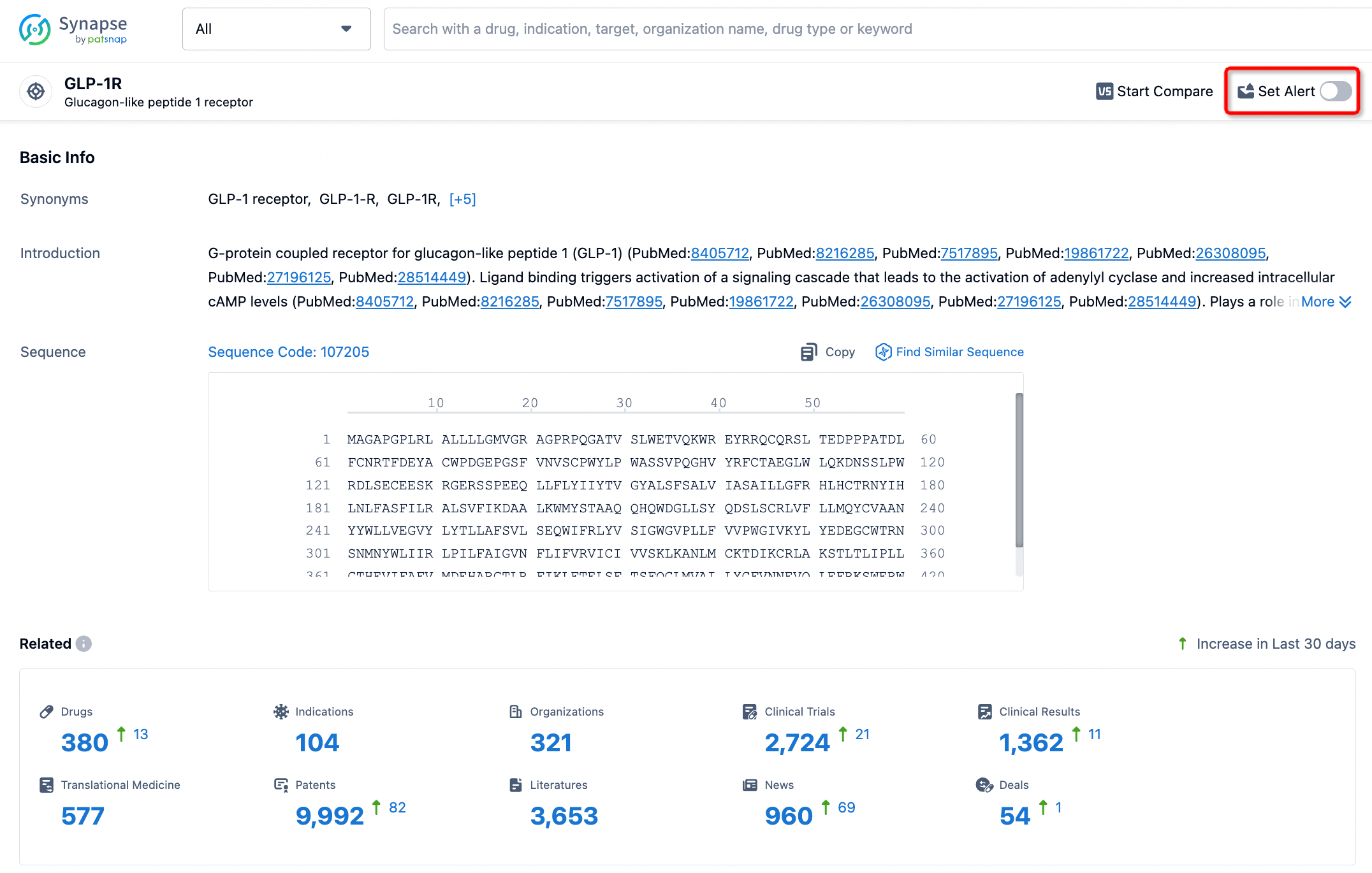
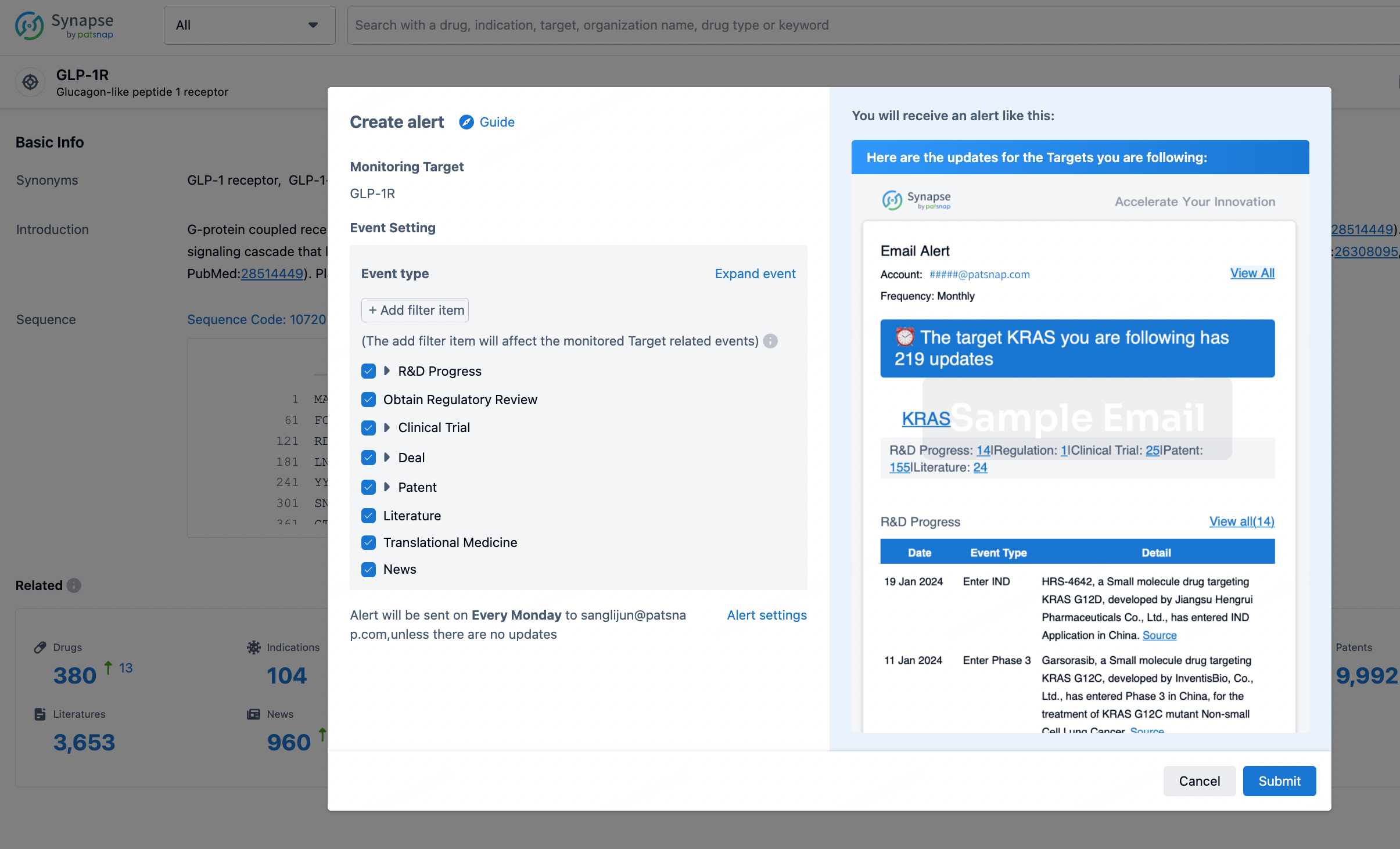
In the Synapse database, you can stay updated on the latest research and development advances of all targets. This service is accessible anytime and anywhere, with updates available daily or weekly. Use the "Set Alert" function to stay informed. Click on the image below to embark on a brand new journey of drug discovery!

AI Agents Built for Biopharma Breakthroughs
Accelerate discovery. Empower decisions. Transform outcomes.
Get started for free today!
Accelerate Strategic R&D decision making with Synapse, PatSnap’s AI-powered Connected Innovation Intelligence Platform Built for Life Sciences Professionals.
Start your data trial now!
Synapse data is also accessible to external entities via APIs or data packages. Empower better decisions with the latest in pharmaceutical intelligence.