Request Demo
What are EIF2AK4 stimulants and how do they work?
25 June 2024
The human body operates through a delicate balance of cellular mechanisms, and protein kinases play a crucial role in regulating these processes. One such protein kinase, EIF2AK4, also known as GCN2, has recently garnered attention for its potential therapeutic applications. EIF2AK4 stimulants are a new frontier in medical research, promising to offer novel treatments for a variety of conditions. In this blog post, we will delve into the fascinating world of EIF2AK4 stimulants, exploring how they work, and their potential uses in modern medicine.
### Introduction to EIF2AK4 Stimulants
EIF2AK4, or Eukaryotic Initiation Factor 2 Alpha Kinase 4, is a protein kinase involved in the regulation of protein synthesis. It plays a key role in the cellular response to various types of stress, including nutrient deprivation, viral infection, and oxidative stress. EIF2AK4 is part of the integrated stress response (ISR) pathway, which helps cells survive adverse conditions by modulating protein synthesis and promoting stress resistance.
Stimulants of EIF2AK4 have been identified as potential therapeutic agents that can activate this kinase, thereby enhancing the cell's ability to cope with stress. These stimulants can be small molecules, peptides, or other types of compounds designed to specifically increase the activity of EIF2AK4.
### How Do EIF2AK4 Stimulants Work?
EIF2AK4 stimulants operate by activating the kinase, leading to a cascade of cellular events that culminate in the adaptation to stress. Under normal conditions, EIF2AK4 is relatively inactive. However, in response to specific stress signals, it becomes activated and phosphorylates the alpha subunit of eukaryotic initiation factor 2 (eIF2α). This phosphorylation event is crucial because it leads to a reduction in global protein translation, allowing the cell to conserve resources and focus on producing proteins that help mitigate stress.
When EIF2AK4 is stimulated, it essentially mimics this natural activation process. The stimulants bind to the EIF2AK4 kinase, inducing a conformational change that enhances its activity. This activation results in increased phosphorylation of eIF2α, thereby initiating the ISR. The ISR then orchestrates a robust cellular response to stress, including the upregulation of genes involved in antioxidant defense, protein folding, and other protective mechanisms.
### What Are EIF2AK4 Stimulants Used For?
The therapeutic potential of EIF2AK4 stimulants is vast, given the central role of this kinase in stress response pathways. Here are some of the most promising applications currently being explored:
#### 1. Neurodegenerative Diseases
Neurodegenerative diseases like Alzheimer's, Parkinson's, and Amyotrophic Lateral Sclerosis (ALS) are characterized by the accumulation of misfolded proteins and oxidative stress. By activating EIF2AK4, scientists hope to enhance the cell's ability to manage these stressors, potentially slowing the progression of these debilitating conditions. Animal studies have shown promising results, and clinical trials are eagerly awaited.
#### 2. Cancer Therapy
Cancer cells often experience high levels of metabolic and oxidative stress due to their rapid growth and proliferation. EIF2AK4 stimulants could potentially be used to exploit this vulnerability. By selectively enhancing stress in cancer cells, these stimulants may push the cells beyond their threshold, leading to cell death. Alternatively, they could be used to protect normal cells from the adverse effects of chemotherapy and radiation therapy, thereby improving treatment outcomes.
#### 3. Viral Infections
Viruses rely on the host cell's machinery to replicate and propagate. Activation of EIF2AK4 can inhibit protein synthesis, thereby limiting viral replication. This makes EIF2AK4 stimulants a potential antiviral therapy, especially for viruses that induce significant stress responses in host cells. Research is ongoing to determine the efficacy of these stimulants against various viral infections.
#### 4. Metabolic Disorders
Conditions like obesity and diabetes are associated with chronic low-grade stress and inflammation. EIF2AK4 stimulants could potentially ameliorate these conditions by activating stress response pathways that improve cellular metabolism and reduce inflammation. Early research suggests that these stimulants may help enhance insulin sensitivity and reduce adiposity.
### Conclusion
EIF2AK4 stimulants represent a promising avenue for therapeutic intervention across a range of diseases. By harnessing the power of the integrated stress response, these agents have the potential to improve outcomes in neurodegenerative diseases, cancer, viral infections, and metabolic disorders. As research progresses, we can expect to see more targeted and effective treatments emerging from this exciting field of study.
### Introduction to EIF2AK4 Stimulants
EIF2AK4, or Eukaryotic Initiation Factor 2 Alpha Kinase 4, is a protein kinase involved in the regulation of protein synthesis. It plays a key role in the cellular response to various types of stress, including nutrient deprivation, viral infection, and oxidative stress. EIF2AK4 is part of the integrated stress response (ISR) pathway, which helps cells survive adverse conditions by modulating protein synthesis and promoting stress resistance.
Stimulants of EIF2AK4 have been identified as potential therapeutic agents that can activate this kinase, thereby enhancing the cell's ability to cope with stress. These stimulants can be small molecules, peptides, or other types of compounds designed to specifically increase the activity of EIF2AK4.
### How Do EIF2AK4 Stimulants Work?
EIF2AK4 stimulants operate by activating the kinase, leading to a cascade of cellular events that culminate in the adaptation to stress. Under normal conditions, EIF2AK4 is relatively inactive. However, in response to specific stress signals, it becomes activated and phosphorylates the alpha subunit of eukaryotic initiation factor 2 (eIF2α). This phosphorylation event is crucial because it leads to a reduction in global protein translation, allowing the cell to conserve resources and focus on producing proteins that help mitigate stress.
When EIF2AK4 is stimulated, it essentially mimics this natural activation process. The stimulants bind to the EIF2AK4 kinase, inducing a conformational change that enhances its activity. This activation results in increased phosphorylation of eIF2α, thereby initiating the ISR. The ISR then orchestrates a robust cellular response to stress, including the upregulation of genes involved in antioxidant defense, protein folding, and other protective mechanisms.
### What Are EIF2AK4 Stimulants Used For?
The therapeutic potential of EIF2AK4 stimulants is vast, given the central role of this kinase in stress response pathways. Here are some of the most promising applications currently being explored:
#### 1. Neurodegenerative Diseases
Neurodegenerative diseases like Alzheimer's, Parkinson's, and Amyotrophic Lateral Sclerosis (ALS) are characterized by the accumulation of misfolded proteins and oxidative stress. By activating EIF2AK4, scientists hope to enhance the cell's ability to manage these stressors, potentially slowing the progression of these debilitating conditions. Animal studies have shown promising results, and clinical trials are eagerly awaited.
#### 2. Cancer Therapy
Cancer cells often experience high levels of metabolic and oxidative stress due to their rapid growth and proliferation. EIF2AK4 stimulants could potentially be used to exploit this vulnerability. By selectively enhancing stress in cancer cells, these stimulants may push the cells beyond their threshold, leading to cell death. Alternatively, they could be used to protect normal cells from the adverse effects of chemotherapy and radiation therapy, thereby improving treatment outcomes.
#### 3. Viral Infections
Viruses rely on the host cell's machinery to replicate and propagate. Activation of EIF2AK4 can inhibit protein synthesis, thereby limiting viral replication. This makes EIF2AK4 stimulants a potential antiviral therapy, especially for viruses that induce significant stress responses in host cells. Research is ongoing to determine the efficacy of these stimulants against various viral infections.
#### 4. Metabolic Disorders
Conditions like obesity and diabetes are associated with chronic low-grade stress and inflammation. EIF2AK4 stimulants could potentially ameliorate these conditions by activating stress response pathways that improve cellular metabolism and reduce inflammation. Early research suggests that these stimulants may help enhance insulin sensitivity and reduce adiposity.
### Conclusion
EIF2AK4 stimulants represent a promising avenue for therapeutic intervention across a range of diseases. By harnessing the power of the integrated stress response, these agents have the potential to improve outcomes in neurodegenerative diseases, cancer, viral infections, and metabolic disorders. As research progresses, we can expect to see more targeted and effective treatments emerging from this exciting field of study.
How to obtain the latest development progress of all targets?
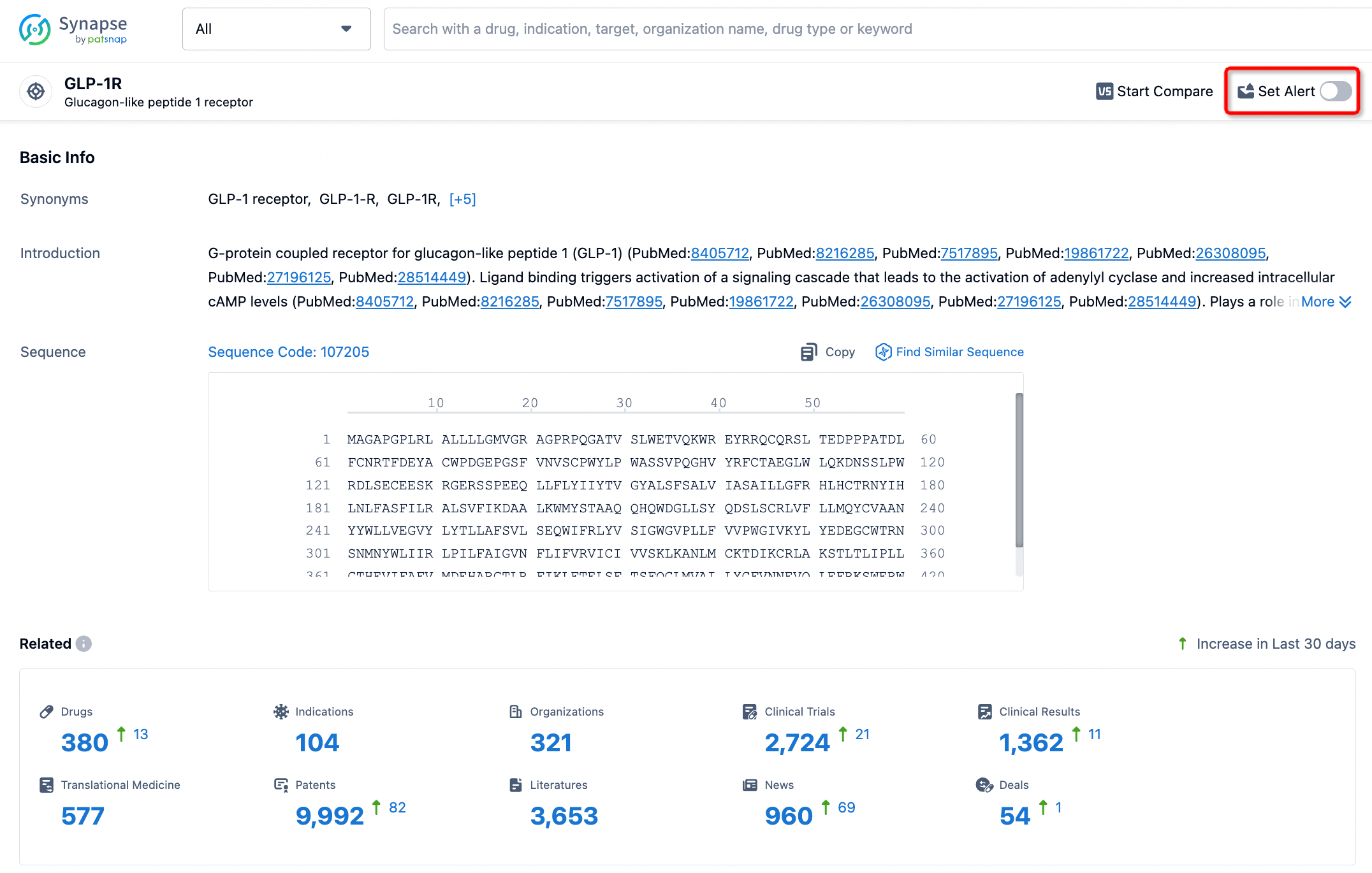
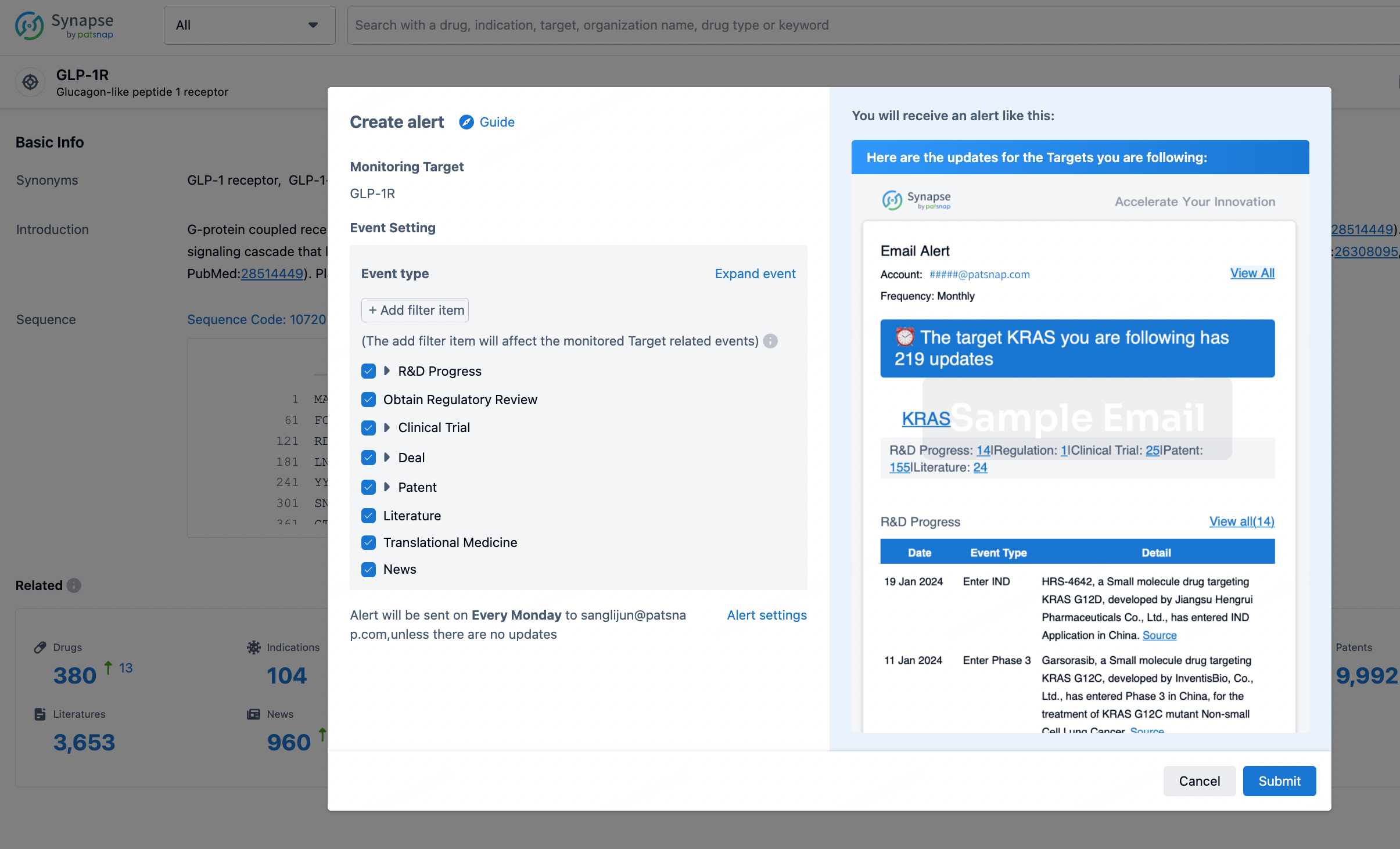
In the Synapse database, you can stay updated on the latest research and development advances of all targets. This service is accessible anytime and anywhere, with updates available daily or weekly. Use the "Set Alert" function to stay informed. Click on the image below to embark on a brand new journey of drug discovery!
AI Agents Built for Biopharma Breakthroughs
Accelerate discovery. Empower decisions. Transform outcomes.
Get started for free today!
Accelerate Strategic R&D decision making with Synapse, PatSnap’s AI-powered Connected Innovation Intelligence Platform Built for Life Sciences Professionals.
Start your data trial now!
Synapse data is also accessible to external entities via APIs or data packages. Empower better decisions with the latest in pharmaceutical intelligence.