Request Demo
What are eotaxin-2 inhibitors and how do they work?
25 June 2024
Eotaxin-2 inhibitors represent a fascinating and promising area in medical research, particularly in the field of immunology and chronic inflammatory diseases. Eotaxin-2 is a chemokine, a type of signaling protein, that plays a crucial role in the migration and activation of eosinophils. Eosinophils are white blood cells involved in the body's immune response, especially in allergic reactions and asthma. Elevated levels of eotaxin-2 are often found in patients suffering from asthma and other allergic conditions, making it a significant target for therapeutic intervention. The development of eotaxin-2 inhibitors aims to mitigate the pathological effects of excessive eosinophil activity, offering new hope for patients with chronic inflammatory diseases.
Eotaxin-2 inhibitors work by targeting and neutralizing the activity of eotaxin-2, thereby preventing it from binding to its receptor, CCR3, on the surface of eosinophils. Under normal circumstances, eotaxin-2 binds to CCR3, which triggers a cascade of signaling events that prompt eosinophils to migrate to sites of inflammation and become activated. By inhibiting this process, eotaxin-2 inhibitors reduce the recruitment and activation of eosinophils, thereby diminishing inflammation and tissue damage. These inhibitors can be designed as small molecules, monoclonal antibodies, or peptide-based drugs, each with unique mechanisms for blocking eotaxin-2 activity. The specific mode of inhibition can vary, but the overarching goal is to disrupt the interaction between eotaxin-2 and its receptor, thus preventing the downstream inflammatory effects.
The primary application for eotaxin-2 inhibitors is in the treatment of asthma, particularly severe eosinophilic asthma. Patients with this form of asthma often exhibit high levels of eosinophils in their airways, leading to chronic inflammation, airway hyperresponsiveness, and frequent exacerbations. Traditional asthma treatments, such as corticosteroids and bronchodilators, may not be effective in managing severe eosinophilic asthma. Eotaxin-2 inhibitors offer an alternative approach by specifically targeting the underlying eosinophilic inflammation. Clinical trials have shown that these inhibitors can significantly reduce eosinophil counts in the blood and airways, improve lung function, and decrease the frequency of asthma exacerbations.
Beyond asthma, eotaxin-2 inhibitors are being explored for their potential in treating other conditions characterized by eosinophilic inflammation. Allergic rhinitis, also known as hay fever, is one such condition. Like asthma, allergic rhinitis involves the activation and recruitment of eosinophils, leading to symptoms such as nasal congestion, sneezing, and itching. By inhibiting eotaxin-2, these drugs may help alleviate these symptoms and improve the quality of life for individuals with allergic rhinitis.
Another promising area of research is the use of eotaxin-2 inhibitors in eosinophilic esophagitis (EoE), a chronic allergic/immune condition characterized by the presence of a high number of eosinophils in the esophagus. EoE can lead to symptoms such as difficulty swallowing, food impaction, and esophageal pain. Current treatment options for EoE are limited and often include dietary changes and corticosteroids. Eotaxin-2 inhibitors could provide a targeted therapeutic option by directly addressing the eosinophilic inflammation in the esophagus.
In addition to these conditions, there is ongoing research into the role of eotaxin-2 and its inhibitors in other diseases, such as chronic obstructive pulmonary disease (COPD), certain autoimmune disorders, and even some cancers. The ability to modulate eosinophilic activity through eotaxin-2 inhibition opens up a wide array of potential therapeutic applications.
In conclusion, eotaxin-2 inhibitors represent a novel and targeted approach to treating diseases characterized by eosinophilic inflammation. By interfering with the eotaxin-2/CCR3 interaction, these inhibitors can reduce eosinophil recruitment and activation, leading to decreased inflammation and improved clinical outcomes. While much of the current research focuses on asthma and allergic conditions, the potential applications of eotaxin-2 inhibitors are vast, offering hope for patients with a variety of chronic inflammatory diseases. As research progresses, we can expect to see more refined and effective eotaxin-2 inhibitors entering clinical practice, heralding a new era in the management of eosinophil-driven diseases.
Eotaxin-2 inhibitors work by targeting and neutralizing the activity of eotaxin-2, thereby preventing it from binding to its receptor, CCR3, on the surface of eosinophils. Under normal circumstances, eotaxin-2 binds to CCR3, which triggers a cascade of signaling events that prompt eosinophils to migrate to sites of inflammation and become activated. By inhibiting this process, eotaxin-2 inhibitors reduce the recruitment and activation of eosinophils, thereby diminishing inflammation and tissue damage. These inhibitors can be designed as small molecules, monoclonal antibodies, or peptide-based drugs, each with unique mechanisms for blocking eotaxin-2 activity. The specific mode of inhibition can vary, but the overarching goal is to disrupt the interaction between eotaxin-2 and its receptor, thus preventing the downstream inflammatory effects.
The primary application for eotaxin-2 inhibitors is in the treatment of asthma, particularly severe eosinophilic asthma. Patients with this form of asthma often exhibit high levels of eosinophils in their airways, leading to chronic inflammation, airway hyperresponsiveness, and frequent exacerbations. Traditional asthma treatments, such as corticosteroids and bronchodilators, may not be effective in managing severe eosinophilic asthma. Eotaxin-2 inhibitors offer an alternative approach by specifically targeting the underlying eosinophilic inflammation. Clinical trials have shown that these inhibitors can significantly reduce eosinophil counts in the blood and airways, improve lung function, and decrease the frequency of asthma exacerbations.
Beyond asthma, eotaxin-2 inhibitors are being explored for their potential in treating other conditions characterized by eosinophilic inflammation. Allergic rhinitis, also known as hay fever, is one such condition. Like asthma, allergic rhinitis involves the activation and recruitment of eosinophils, leading to symptoms such as nasal congestion, sneezing, and itching. By inhibiting eotaxin-2, these drugs may help alleviate these symptoms and improve the quality of life for individuals with allergic rhinitis.
Another promising area of research is the use of eotaxin-2 inhibitors in eosinophilic esophagitis (EoE), a chronic allergic/immune condition characterized by the presence of a high number of eosinophils in the esophagus. EoE can lead to symptoms such as difficulty swallowing, food impaction, and esophageal pain. Current treatment options for EoE are limited and often include dietary changes and corticosteroids. Eotaxin-2 inhibitors could provide a targeted therapeutic option by directly addressing the eosinophilic inflammation in the esophagus.
In addition to these conditions, there is ongoing research into the role of eotaxin-2 and its inhibitors in other diseases, such as chronic obstructive pulmonary disease (COPD), certain autoimmune disorders, and even some cancers. The ability to modulate eosinophilic activity through eotaxin-2 inhibition opens up a wide array of potential therapeutic applications.
In conclusion, eotaxin-2 inhibitors represent a novel and targeted approach to treating diseases characterized by eosinophilic inflammation. By interfering with the eotaxin-2/CCR3 interaction, these inhibitors can reduce eosinophil recruitment and activation, leading to decreased inflammation and improved clinical outcomes. While much of the current research focuses on asthma and allergic conditions, the potential applications of eotaxin-2 inhibitors are vast, offering hope for patients with a variety of chronic inflammatory diseases. As research progresses, we can expect to see more refined and effective eotaxin-2 inhibitors entering clinical practice, heralding a new era in the management of eosinophil-driven diseases.
How to obtain the latest development progress of all targets?
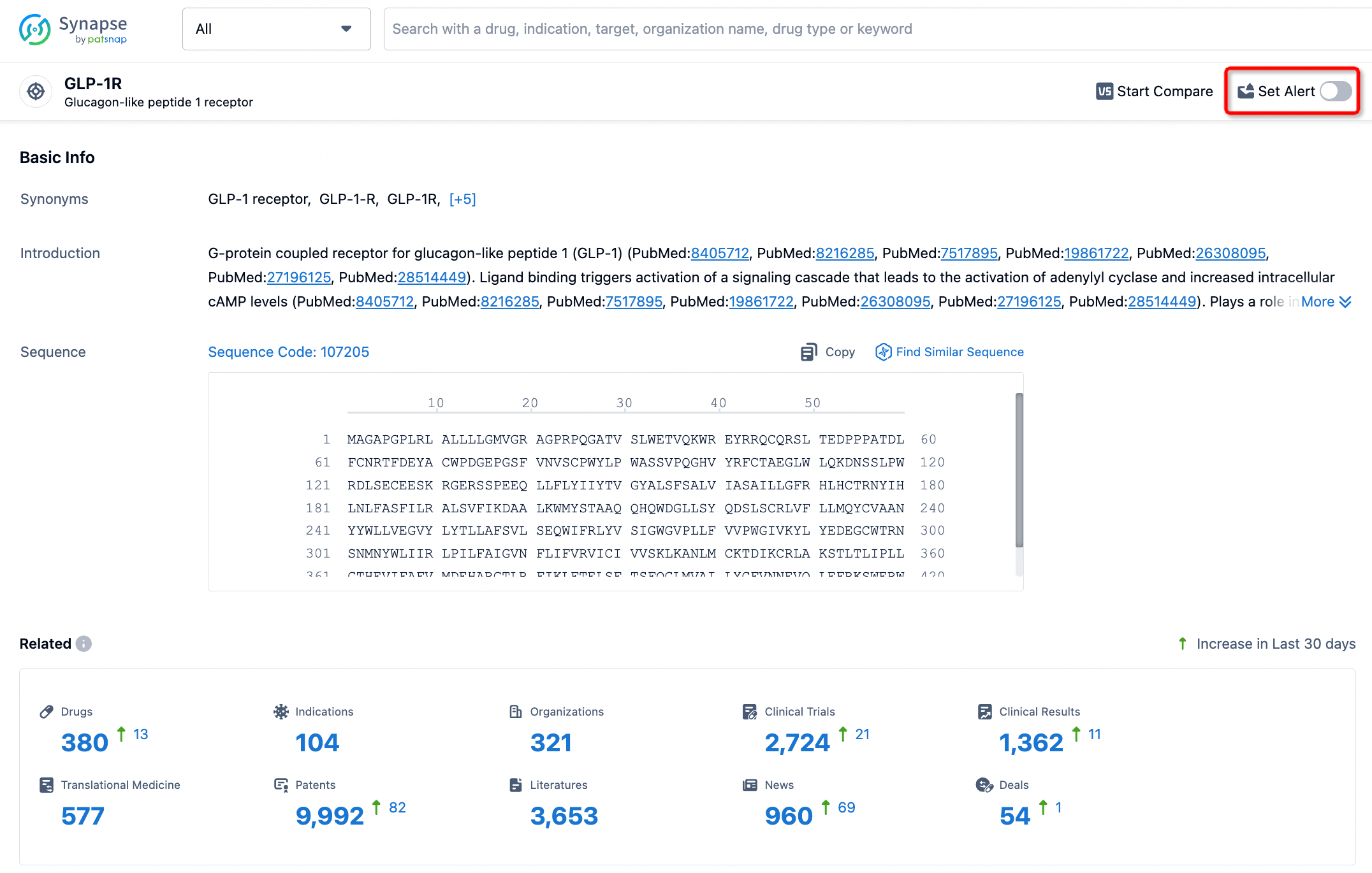
In the Synapse database, you can stay updated on the latest research and development advances of all targets. This service is accessible anytime and anywhere, with updates available daily or weekly. Use the "Set Alert" function to stay informed. Click on the image below to embark on a brand new journey of drug discovery!

AI Agents Built for Biopharma Breakthroughs
Accelerate discovery. Empower decisions. Transform outcomes.
Get started for free today!
Accelerate Strategic R&D decision making with Synapse, PatSnap’s AI-powered Connected Innovation Intelligence Platform Built for Life Sciences Professionals.
Start your data trial now!
Synapse data is also accessible to external entities via APIs or data packages. Empower better decisions with the latest in pharmaceutical intelligence.