Request Demo
What are EPHA5 inhibitors and how do they work?
25 June 2024
In recent years, the field of cancer research has seen groundbreaking advancements, one of which involves the study and application of EPHA5 inhibitors. These inhibitors are part of a larger group of compounds known as receptor tyrosine kinase inhibitors, and they hold significant promise in the treatment of various types of cancer. This post will explore the basics of EPHA5 inhibitors, how they work, and their potential uses in medical science.
EPHA5, or Ephrin type-A receptor 5, is a member of the Eph receptor family, which is the largest group of receptor tyrosine kinases. These receptors play a crucial role in numerous cellular processes, including cell attachment, shape, and movement. They are also involved in the regulation of neuronal development and the formation of vascular networks. EPHA5, in particular, is primarily expressed in the nervous system but has also been found to play a role in cancer progression and metastasis. This makes it a promising target for therapeutic intervention via EPHA5 inhibitors.
EPHA5 inhibitors work by specifically targeting and binding to the EPHA5 receptor, thereby inhibiting its normal function. This interaction can block the downstream signaling pathways that are crucial for tumor growth and survival. By preventing the receptor from activating these pathways, EPHA5 inhibitors can reduce cancer cell proliferation, induce apoptosis (programmed cell death), and inhibit angiogenesis (the formation of new blood vessels), which is essential for tumor growth and metastasis.
The inhibition of EPHA5 can also disrupt the communication between cancer cells and their surrounding microenvironment, making the tumor less able to invade adjacent tissues and spread to other parts of the body. Additionally, EPHA5 inhibitors can synergize with other cancer therapies, such as chemotherapy and radiation, enhancing their efficacy and potentially reducing the required dosages, thus minimizing adverse side effects.
EPHA5 inhibitors are primarily being investigated for their potential in oncology. Given the receptor's involvement in various types of cancer, including lung, breast, and ovarian cancers, these inhibitors offer a broad spectrum of applications. Preclinical studies have shown that EPHA5 inhibitors can effectively reduce tumor growth in animal models, providing a strong rationale for their continued development and clinical testing.
In lung cancer, for example, EPHA5 overexpression has been linked to poor prognosis and increased metastasis. By using EPHA5 inhibitors, researchers aim to improve survival rates and reduce the spread of cancer cells. Similarly, in breast cancer, studies have indicated that EPHA5 plays a role in tumor progression and resistance to conventional therapies. Targeting this receptor could, therefore, provide a new therapeutic avenue for patients who do not respond well to existing treatments.
Beyond oncology, there is emerging evidence suggesting that EPHA5 inhibitors could be beneficial in other areas of medicine. For instance, since EPHA5 is involved in neural development, these inhibitors may have potential applications in neurodegenerative diseases or conditions characterized by abnormal neuronal growth and connectivity. However, this is still a relatively unexplored area that requires further research to fully understand the implications and therapeutic potential.
In summary, EPHA5 inhibitors represent a promising frontier in the fight against cancer and possibly other diseases. By targeting a key receptor involved in tumor growth and metastasis, these inhibitors offer a novel approach to therapy that could complement existing treatments and improve patient outcomes. As research progresses, it is hoped that EPHA5 inhibitors will move from the laboratory to the clinic, providing new hope for patients battling cancer and other challenging conditions.
EPHA5, or Ephrin type-A receptor 5, is a member of the Eph receptor family, which is the largest group of receptor tyrosine kinases. These receptors play a crucial role in numerous cellular processes, including cell attachment, shape, and movement. They are also involved in the regulation of neuronal development and the formation of vascular networks. EPHA5, in particular, is primarily expressed in the nervous system but has also been found to play a role in cancer progression and metastasis. This makes it a promising target for therapeutic intervention via EPHA5 inhibitors.
EPHA5 inhibitors work by specifically targeting and binding to the EPHA5 receptor, thereby inhibiting its normal function. This interaction can block the downstream signaling pathways that are crucial for tumor growth and survival. By preventing the receptor from activating these pathways, EPHA5 inhibitors can reduce cancer cell proliferation, induce apoptosis (programmed cell death), and inhibit angiogenesis (the formation of new blood vessels), which is essential for tumor growth and metastasis.
The inhibition of EPHA5 can also disrupt the communication between cancer cells and their surrounding microenvironment, making the tumor less able to invade adjacent tissues and spread to other parts of the body. Additionally, EPHA5 inhibitors can synergize with other cancer therapies, such as chemotherapy and radiation, enhancing their efficacy and potentially reducing the required dosages, thus minimizing adverse side effects.
EPHA5 inhibitors are primarily being investigated for their potential in oncology. Given the receptor's involvement in various types of cancer, including lung, breast, and ovarian cancers, these inhibitors offer a broad spectrum of applications. Preclinical studies have shown that EPHA5 inhibitors can effectively reduce tumor growth in animal models, providing a strong rationale for their continued development and clinical testing.
In lung cancer, for example, EPHA5 overexpression has been linked to poor prognosis and increased metastasis. By using EPHA5 inhibitors, researchers aim to improve survival rates and reduce the spread of cancer cells. Similarly, in breast cancer, studies have indicated that EPHA5 plays a role in tumor progression and resistance to conventional therapies. Targeting this receptor could, therefore, provide a new therapeutic avenue for patients who do not respond well to existing treatments.
Beyond oncology, there is emerging evidence suggesting that EPHA5 inhibitors could be beneficial in other areas of medicine. For instance, since EPHA5 is involved in neural development, these inhibitors may have potential applications in neurodegenerative diseases or conditions characterized by abnormal neuronal growth and connectivity. However, this is still a relatively unexplored area that requires further research to fully understand the implications and therapeutic potential.
In summary, EPHA5 inhibitors represent a promising frontier in the fight against cancer and possibly other diseases. By targeting a key receptor involved in tumor growth and metastasis, these inhibitors offer a novel approach to therapy that could complement existing treatments and improve patient outcomes. As research progresses, it is hoped that EPHA5 inhibitors will move from the laboratory to the clinic, providing new hope for patients battling cancer and other challenging conditions.
How to obtain the latest development progress of all targets?
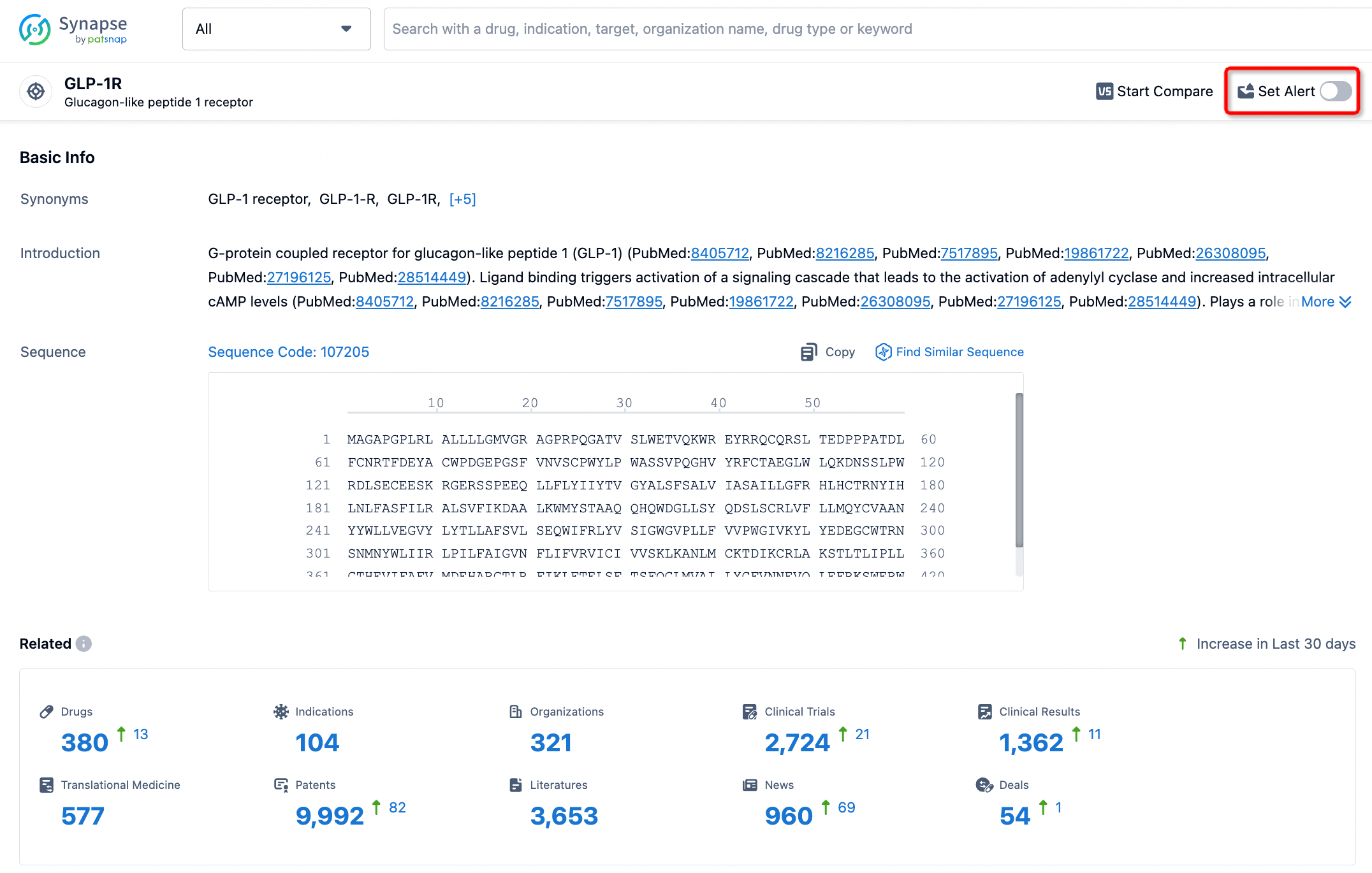
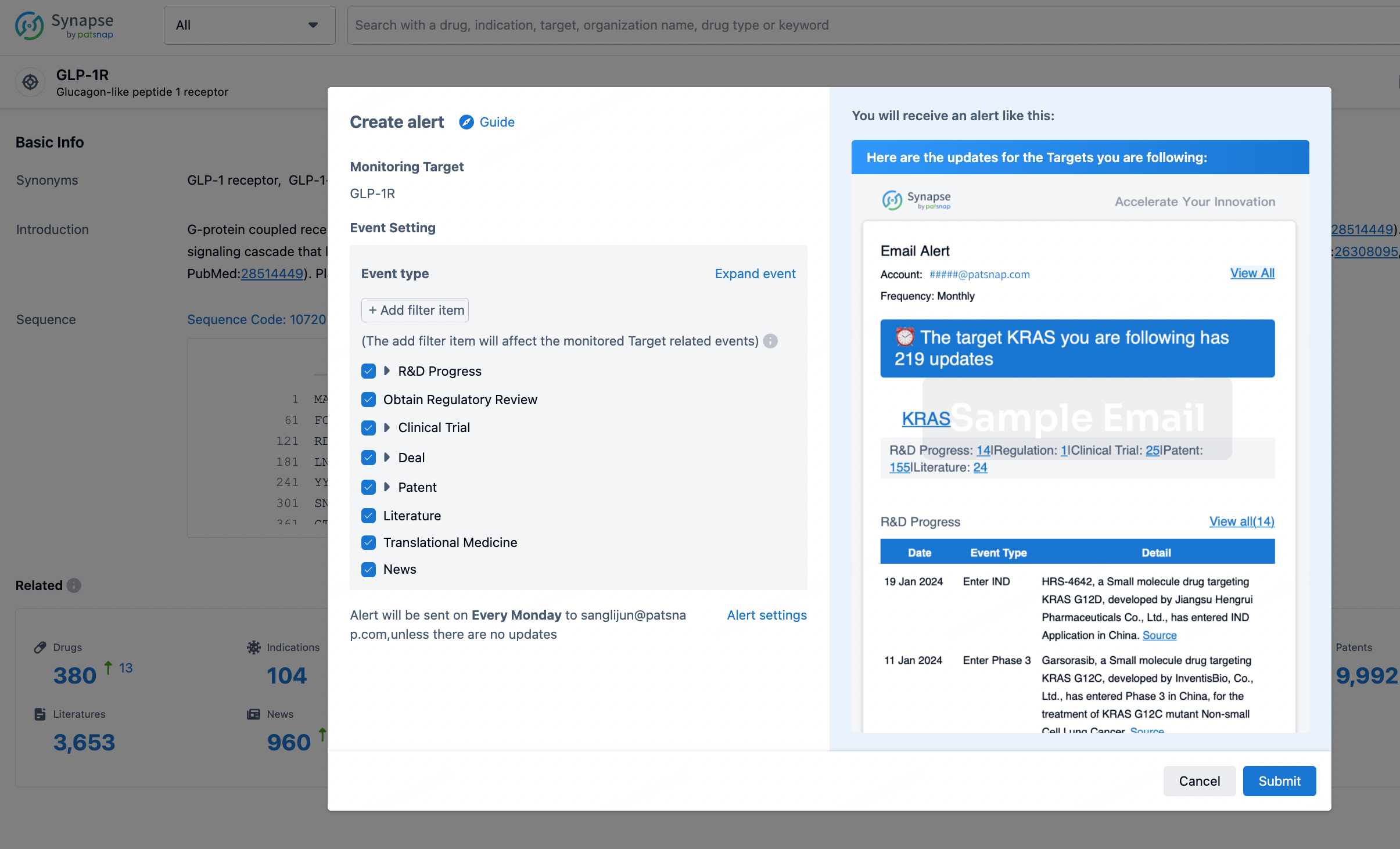
In the Synapse database, you can stay updated on the latest research and development advances of all targets. This service is accessible anytime and anywhere, with updates available daily or weekly. Use the "Set Alert" function to stay informed. Click on the image below to embark on a brand new journey of drug discovery!

AI Agents Built for Biopharma Breakthroughs
Accelerate discovery. Empower decisions. Transform outcomes.
Get started for free today!
Accelerate Strategic R&D decision making with Synapse, PatSnap’s AI-powered Connected Innovation Intelligence Platform Built for Life Sciences Professionals.
Start your data trial now!
Synapse data is also accessible to external entities via APIs or data packages. Empower better decisions with the latest in pharmaceutical intelligence.