Request Demo
What are Factor IX gene transference and how do they work?
21 June 2024
Factor IX gene transference is a groundbreaking approach in the field of genetic medicine that aims to treat Hemophilia B, a genetic disorder caused by a deficiency of Factor IX, a critical protein for blood clotting. This innovative therapy offers promising potential to transform the lives of individuals suffering from this debilitating condition. In this blog post, we will explore how Factor IX gene transference works and the significant implications it holds for patients with Hemophilia B.
Gene transference involves the introduction of a functional gene into a patient's cells to replace or supplement a defective gene responsible for a disease. In the case of Factor IX gene transference, the goal is to provide a functional copy of the Factor IX gene to individuals with Hemophilia B, who have a mutated or deficient version of this gene. By doing so, the therapy aims to restore normal blood clotting function and alleviate the symptoms associated with the disorder.
**How does Factor IX gene transference work?**
Factor IX gene transference relies on advanced techniques in molecular biology and gene therapy. The process typically involves the use of viral vectors, which are engineered viruses capable of delivering genetic material into human cells. Adeno-associated virus (AAV) vectors are commonly used for this purpose due to their ability to efficiently and safely transfer genes without causing disease.
The procedure begins with the extraction of the patient's own cells, often from the liver, as this organ plays a crucial role in producing Factor IX. These cells are then cultured and prepared for genetic modification. The AAV vector carrying the functional Factor IX gene is introduced into the cultured cells, allowing the gene to integrate into the cellular DNA. This integration enables the cells to produce the necessary Factor IX protein.
Once the modified cells are ready, they are reintroduced into the patient's body, either through intravenous infusion or direct injection into the target tissue. The modified cells begin to produce and secrete functional Factor IX protein, which enters the bloodstream and contributes to normal clotting processes. Over time, this can significantly reduce or even eliminate the bleeding episodes characteristic of Hemophilia B.
**What are Factor IX gene transference used for?**
Factor IX gene transference is primarily used to treat Hemophilia B, a genetic bleeding disorder resulting from a deficiency of Factor IX. Hemophilia B affects approximately 1 in 25,000 male births, making it a relatively rare but serious condition. Traditional treatments for Hemophilia B involve regular infusions of clotting factor concentrates to manage bleeding episodes, a process that can be burdensome and costly for patients.
The advent of Factor IX gene transference offers a potential long-term solution for individuals with Hemophilia B. By providing a functional copy of the Factor IX gene, this therapy can restore the body's ability to produce adequate levels of Factor IX protein, reducing the need for frequent factor replacement therapy. This not only improves the patient's quality of life but also lowers the risk of complications associated with repeated infusions, such as the development of inhibitors that neutralize the infused clotting factors.
Beyond its application in Hemophilia B, Factor IX gene transference represents a significant milestone in the broader field of gene therapy. The success of this approach paves the way for similar strategies to treat other genetic disorders caused by single-gene mutations. Researchers are actively exploring the potential of gene transference to address conditions such as cystic fibrosis, muscular dystrophy, and certain inherited forms of blindness.
In conclusion, Factor IX gene transference is a revolutionary therapeutic approach with the potential to transform the treatment landscape for Hemophilia B. By harnessing the power of gene therapy, this technique offers a promising avenue to restore normal clotting function and improve the lives of individuals affected by this genetic disorder. As research and clinical trials continue to advance, the future holds great promise for the broader application of gene transference to address a wide array of genetic diseases, ultimately ushering in a new era of precision medicine.
Gene transference involves the introduction of a functional gene into a patient's cells to replace or supplement a defective gene responsible for a disease. In the case of Factor IX gene transference, the goal is to provide a functional copy of the Factor IX gene to individuals with Hemophilia B, who have a mutated or deficient version of this gene. By doing so, the therapy aims to restore normal blood clotting function and alleviate the symptoms associated with the disorder.
**How does Factor IX gene transference work?**
Factor IX gene transference relies on advanced techniques in molecular biology and gene therapy. The process typically involves the use of viral vectors, which are engineered viruses capable of delivering genetic material into human cells. Adeno-associated virus (AAV) vectors are commonly used for this purpose due to their ability to efficiently and safely transfer genes without causing disease.
The procedure begins with the extraction of the patient's own cells, often from the liver, as this organ plays a crucial role in producing Factor IX. These cells are then cultured and prepared for genetic modification. The AAV vector carrying the functional Factor IX gene is introduced into the cultured cells, allowing the gene to integrate into the cellular DNA. This integration enables the cells to produce the necessary Factor IX protein.
Once the modified cells are ready, they are reintroduced into the patient's body, either through intravenous infusion or direct injection into the target tissue. The modified cells begin to produce and secrete functional Factor IX protein, which enters the bloodstream and contributes to normal clotting processes. Over time, this can significantly reduce or even eliminate the bleeding episodes characteristic of Hemophilia B.
**What are Factor IX gene transference used for?**
Factor IX gene transference is primarily used to treat Hemophilia B, a genetic bleeding disorder resulting from a deficiency of Factor IX. Hemophilia B affects approximately 1 in 25,000 male births, making it a relatively rare but serious condition. Traditional treatments for Hemophilia B involve regular infusions of clotting factor concentrates to manage bleeding episodes, a process that can be burdensome and costly for patients.
The advent of Factor IX gene transference offers a potential long-term solution for individuals with Hemophilia B. By providing a functional copy of the Factor IX gene, this therapy can restore the body's ability to produce adequate levels of Factor IX protein, reducing the need for frequent factor replacement therapy. This not only improves the patient's quality of life but also lowers the risk of complications associated with repeated infusions, such as the development of inhibitors that neutralize the infused clotting factors.
Beyond its application in Hemophilia B, Factor IX gene transference represents a significant milestone in the broader field of gene therapy. The success of this approach paves the way for similar strategies to treat other genetic disorders caused by single-gene mutations. Researchers are actively exploring the potential of gene transference to address conditions such as cystic fibrosis, muscular dystrophy, and certain inherited forms of blindness.
In conclusion, Factor IX gene transference is a revolutionary therapeutic approach with the potential to transform the treatment landscape for Hemophilia B. By harnessing the power of gene therapy, this technique offers a promising avenue to restore normal clotting function and improve the lives of individuals affected by this genetic disorder. As research and clinical trials continue to advance, the future holds great promise for the broader application of gene transference to address a wide array of genetic diseases, ultimately ushering in a new era of precision medicine.
How to obtain the latest development progress of all targets?
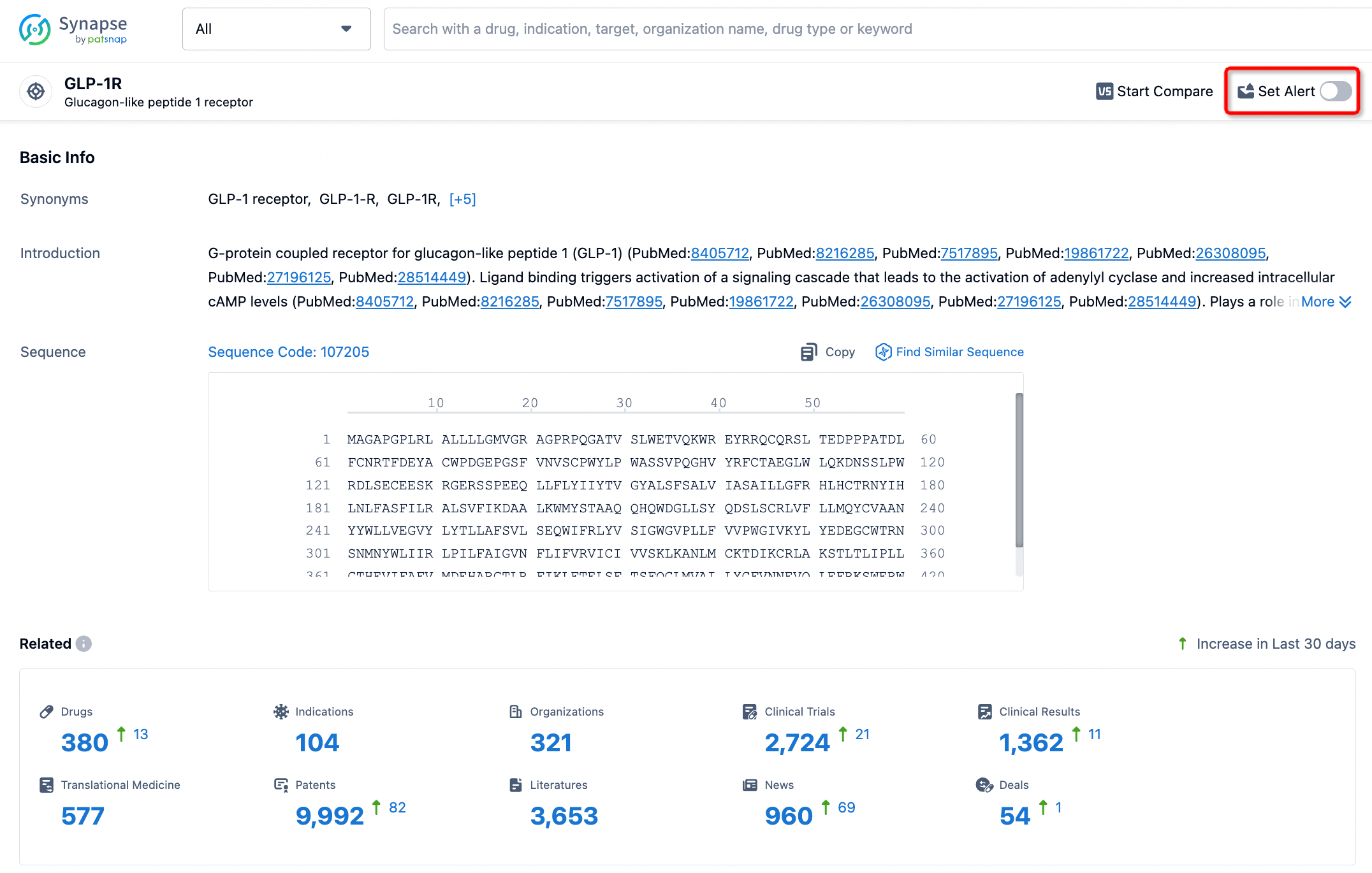
In the Synapse database, you can stay updated on the latest research and development advances of all targets. This service is accessible anytime and anywhere, with updates available daily or weekly. Use the "Set Alert" function to stay informed. Click on the image below to embark on a brand new journey of drug discovery!


AI Agents Built for Biopharma Breakthroughs
Accelerate discovery. Empower decisions. Transform outcomes.
Get started for free today!
Accelerate Strategic R&D decision making with Synapse, PatSnap’s AI-powered Connected Innovation Intelligence Platform Built for Life Sciences Professionals.
Start your data trial now!
Synapse data is also accessible to external entities via APIs or data packages. Empower better decisions with the latest in pharmaceutical intelligence.