Request Demo
What are FANCA gene transference and how do they work?
21 June 2024
The FANCA (Fanconi Anemia Complementation Group A) gene plays a crucial role in the repair of damaged DNA. Mutations in this gene can lead to Fanconi Anemia (FA), a rare genetic disorder characterized by bone marrow failure, congenital abnormalities, and a predisposition to cancer. The concept of FANCA gene transference is emerging as a promising therapeutic strategy to treat individuals affected by Fanconi Anemia, aiming to correct the underlying genetic defect at its source.
Gene transference, also known as gene therapy, involves introducing healthy copies of the FANCA gene into the cells of patients with Fanconi Anemia. This process typically employs vectors, such as viruses, to deliver the correct gene into the patient’s cells. The healthy gene then integrates into the patient's genome, enabling the production of functional FANCA proteins needed for DNA repair. By restoring the DNA repair capability, gene transference holds the potential to alleviate the symptoms of Fanconi Anemia and significantly improve the quality of life for affected individuals.
The mechanics of FANCA gene transference are intricate and involve multiple steps. Firstly, patient-derived cells, often hematopoietic stem cells, are harvested. These cells are chosen because they have the ability to develop into various types of blood cells, and their successful genetic correction can potentially restore normal blood cell production. The target cells are then exposed to viral vectors engineered to carry the healthy FANCA gene. Lentiviruses are commonly used vectors because they can integrate their genetic material into the host cell’s DNA efficiently.
Once the vectors introduce the healthy FANCA gene into the patient’s cells, these genetically modified cells are expanded and then re-infused into the patient’s bloodstream. This process aims to ensure that a sufficient number of corrected cells are introduced to replace the faulty ones. The newly introduced FANCA gene within the patient's cells should ideally lead to the production of functional FANCA protein, thereby enhancing the DNA repair processes and mitigating the symptoms associated with Fanconi Anemia.
FANCA gene transference is primarily used as a therapeutic intervention for patients with Fanconi Anemia. Traditional treatments for FA, such as bone marrow transplants, carry significant risks and are not always a viable option due to the scarcity of suitable donors and potential complications like graft-versus-host disease. Gene transference offers an alternative that circumvents these issues by using the patient's own cells, thereby reducing the risk of immune rejection.
Moreover, FANCA gene transference is a promising strategy for addressing the root cause of Fanconi Anemia rather than merely managing its symptoms. By focusing on the underlying genetic defect, this approach aims to provide a long-term solution. Preclinical studies and early-phase clinical trials have shown encouraging results, with patients exhibiting improved bone marrow function and increased resistance to DNA-damaging agents.
Beyond treating Fanconi Anemia, the principles of FANCA gene transference could potentially be applied to other genetic disorders involving similar mechanisms of DNA repair deficiencies. The advancements in gene therapy technologies are expanding the horizon for treating a wide array of genetic conditions, showcasing the versatility and transformative potential of this approach.
In summary, FANCA gene transference represents a frontier in genetic therapy, offering hope to patients with Fanconi Anemia through the correction of the underlying genetic defect. This innovative approach works by delivering a functional copy of the FANCA gene into the patient’s cells, thereby restoring normal DNA repair mechanisms. As research progresses, gene transference could become a cornerstone in the treatment of genetic disorders, providing durable and effective solutions that target the root causes of these diseases.
Gene transference, also known as gene therapy, involves introducing healthy copies of the FANCA gene into the cells of patients with Fanconi Anemia. This process typically employs vectors, such as viruses, to deliver the correct gene into the patient’s cells. The healthy gene then integrates into the patient's genome, enabling the production of functional FANCA proteins needed for DNA repair. By restoring the DNA repair capability, gene transference holds the potential to alleviate the symptoms of Fanconi Anemia and significantly improve the quality of life for affected individuals.
The mechanics of FANCA gene transference are intricate and involve multiple steps. Firstly, patient-derived cells, often hematopoietic stem cells, are harvested. These cells are chosen because they have the ability to develop into various types of blood cells, and their successful genetic correction can potentially restore normal blood cell production. The target cells are then exposed to viral vectors engineered to carry the healthy FANCA gene. Lentiviruses are commonly used vectors because they can integrate their genetic material into the host cell’s DNA efficiently.
Once the vectors introduce the healthy FANCA gene into the patient’s cells, these genetically modified cells are expanded and then re-infused into the patient’s bloodstream. This process aims to ensure that a sufficient number of corrected cells are introduced to replace the faulty ones. The newly introduced FANCA gene within the patient's cells should ideally lead to the production of functional FANCA protein, thereby enhancing the DNA repair processes and mitigating the symptoms associated with Fanconi Anemia.
FANCA gene transference is primarily used as a therapeutic intervention for patients with Fanconi Anemia. Traditional treatments for FA, such as bone marrow transplants, carry significant risks and are not always a viable option due to the scarcity of suitable donors and potential complications like graft-versus-host disease. Gene transference offers an alternative that circumvents these issues by using the patient's own cells, thereby reducing the risk of immune rejection.
Moreover, FANCA gene transference is a promising strategy for addressing the root cause of Fanconi Anemia rather than merely managing its symptoms. By focusing on the underlying genetic defect, this approach aims to provide a long-term solution. Preclinical studies and early-phase clinical trials have shown encouraging results, with patients exhibiting improved bone marrow function and increased resistance to DNA-damaging agents.
Beyond treating Fanconi Anemia, the principles of FANCA gene transference could potentially be applied to other genetic disorders involving similar mechanisms of DNA repair deficiencies. The advancements in gene therapy technologies are expanding the horizon for treating a wide array of genetic conditions, showcasing the versatility and transformative potential of this approach.
In summary, FANCA gene transference represents a frontier in genetic therapy, offering hope to patients with Fanconi Anemia through the correction of the underlying genetic defect. This innovative approach works by delivering a functional copy of the FANCA gene into the patient’s cells, thereby restoring normal DNA repair mechanisms. As research progresses, gene transference could become a cornerstone in the treatment of genetic disorders, providing durable and effective solutions that target the root causes of these diseases.
How to obtain the latest development progress of all targets?
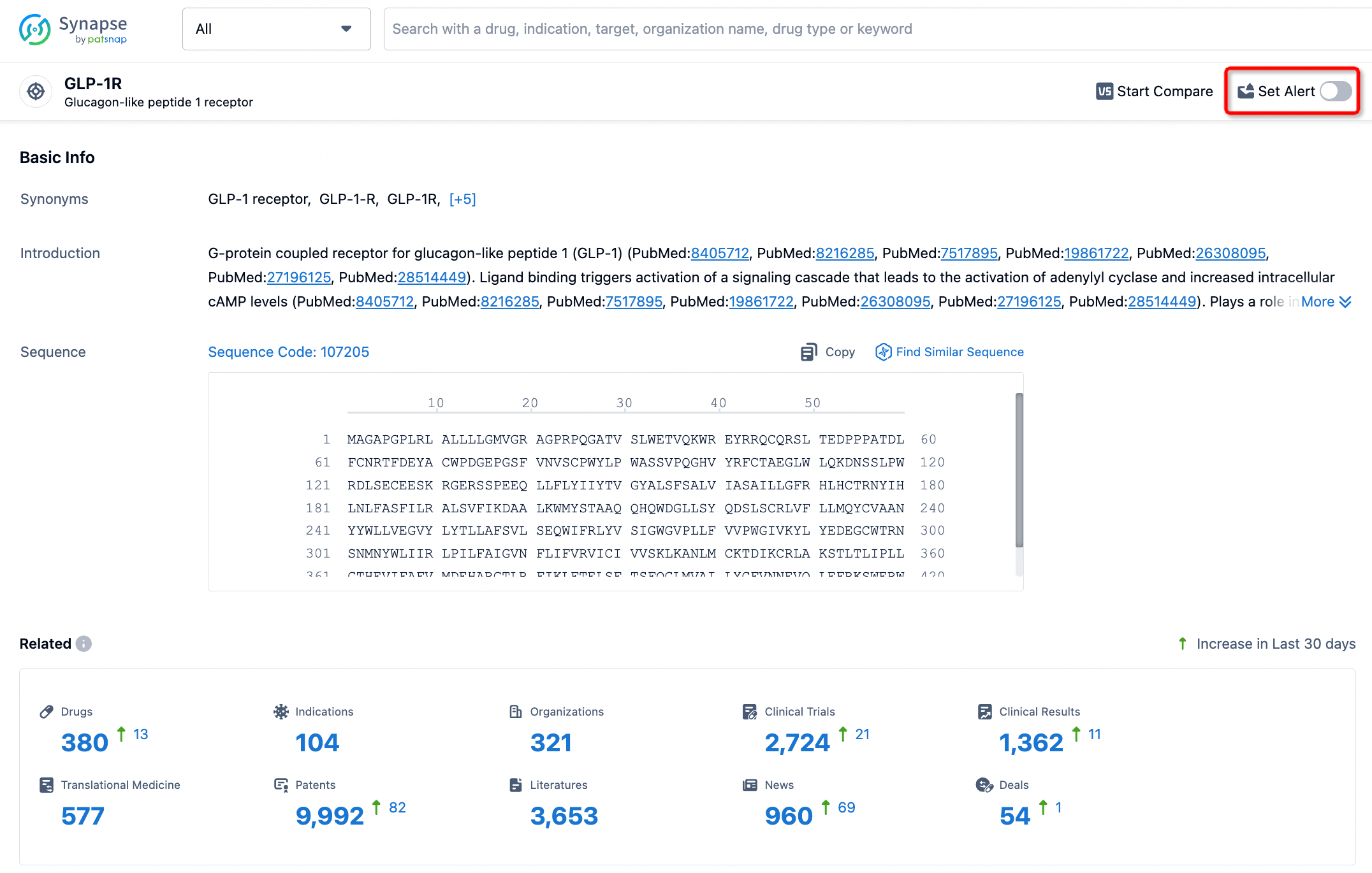
In the Synapse database, you can stay updated on the latest research and development advances of all targets. This service is accessible anytime and anywhere, with updates available daily or weekly. Use the "Set Alert" function to stay informed. Click on the image below to embark on a brand new journey of drug discovery!


AI Agents Built for Biopharma Breakthroughs
Accelerate discovery. Empower decisions. Transform outcomes.
Get started for free today!
Accelerate Strategic R&D decision making with Synapse, PatSnap’s AI-powered Connected Innovation Intelligence Platform Built for Life Sciences Professionals.
Start your data trial now!
Synapse data is also accessible to external entities via APIs or data packages. Empower better decisions with the latest in pharmaceutical intelligence.