Request Demo
What are FIS1 inhibitors and how do they work?
25 June 2024
FIS1 inhibitors are an emerging class of therapeutic agents garnering significant attention in the field of medical science, particularly for their potential applications in treating mitochondrial dysfunctions and various neurodegenerative diseases. FIS1, or Fission 1, is a protein localized on the outer mitochondrial membrane that plays a crucial role in mitochondrial fission. Dysregulation of this process is implicated in numerous pathological conditions. This blog post aims to provide an overview of FIS1 inhibitors, elucidate their mechanisms of action, and highlight their potential therapeutic uses.
FIS1 inhibitors primarily function by disrupting the activity of the FIS1 protein, which is instrumental in mitochondrial fission. Mitochondria are dynamic organelles that constantly undergo fission and fusion to maintain their function and integrity. FIS1, along with its interacting partners DRP1 (Dynamin-related protein 1) and MFF (Mitochondrial Fission Factor), promotes the division of mitochondria. When FIS1 is overactive, it can lead to excessive mitochondrial fragmentation, a condition often associated with cellular stress and apoptosis.
Inhibitors of FIS1 typically act by binding to the FIS1 protein or its interaction sites, thereby preventing it from recruiting DRP1 to the mitochondrial surface. This disruption in the mitochondrial fission process helps in maintaining mitochondrial integrity and function. By inhibiting FIS1, these compounds aim to restore a balance between fission and fusion, which can be particularly beneficial in conditions where excessive mitochondrial fragmentation is detrimental.
The therapeutic potential of FIS1 inhibitors is vast, given the central role of mitochondria in cellular metabolism and homeostasis. One of the primary areas of application is in the treatment of neurodegenerative diseases such as Alzheimer's, Parkinson's, and Huntington's disease. In these conditions, mitochondrial dysfunction is a common pathological feature. Excessive mitochondrial fission leads to energy deficits, increased oxidative stress, and neuronal death. By inhibiting FIS1, it may be possible to alleviate some of these pathological processes, thereby slowing disease progression and improving neuronal survival.
Another promising application is in the context of ischemic injuries, such as those occurring during heart attacks or strokes. These events cause significant cellular stress and mitochondrial damage. FIS1 inhibitors could potentially mitigate the extent of mitochondrial dysfunction and cell death, thereby improving outcomes following such ischemic events.
Cancer is another area where FIS1 inhibitors are being explored. Cancer cells often exhibit altered mitochondrial dynamics to support their rapid growth and survival. By disrupting mitochondrial fission through FIS1 inhibition, it may be possible to undermine the energy production and survival mechanisms of cancer cells, thereby enhancing the efficacy of existing cancer treatments.
Additionally, emerging research suggests potential applications of FIS1 inhibitors in metabolic disorders. Conditions such as obesity, diabetes, and non-alcoholic fatty liver disease (NAFLD) are characterized by mitochondrial dysfunction and altered energy metabolism. By modulating mitochondrial dynamics through FIS1 inhibition, there may be therapeutic benefits in restoring metabolic balance and improving cellular function.
In conclusion, FIS1 inhibitors represent a promising frontier in medical research, with potential applications spanning neurodegenerative diseases, ischemic injuries, cancer, and metabolic disorders. Their ability to modulate mitochondrial dynamics offers a unique therapeutic avenue for a variety of conditions characterized by mitochondrial dysfunction. As research in this area progresses, we can expect to gain a deeper understanding of the mechanisms underlying FIS1 inhibition and its full therapeutic potential.
FIS1 inhibitors primarily function by disrupting the activity of the FIS1 protein, which is instrumental in mitochondrial fission. Mitochondria are dynamic organelles that constantly undergo fission and fusion to maintain their function and integrity. FIS1, along with its interacting partners DRP1 (Dynamin-related protein 1) and MFF (Mitochondrial Fission Factor), promotes the division of mitochondria. When FIS1 is overactive, it can lead to excessive mitochondrial fragmentation, a condition often associated with cellular stress and apoptosis.
Inhibitors of FIS1 typically act by binding to the FIS1 protein or its interaction sites, thereby preventing it from recruiting DRP1 to the mitochondrial surface. This disruption in the mitochondrial fission process helps in maintaining mitochondrial integrity and function. By inhibiting FIS1, these compounds aim to restore a balance between fission and fusion, which can be particularly beneficial in conditions where excessive mitochondrial fragmentation is detrimental.
The therapeutic potential of FIS1 inhibitors is vast, given the central role of mitochondria in cellular metabolism and homeostasis. One of the primary areas of application is in the treatment of neurodegenerative diseases such as Alzheimer's, Parkinson's, and Huntington's disease. In these conditions, mitochondrial dysfunction is a common pathological feature. Excessive mitochondrial fission leads to energy deficits, increased oxidative stress, and neuronal death. By inhibiting FIS1, it may be possible to alleviate some of these pathological processes, thereby slowing disease progression and improving neuronal survival.
Another promising application is in the context of ischemic injuries, such as those occurring during heart attacks or strokes. These events cause significant cellular stress and mitochondrial damage. FIS1 inhibitors could potentially mitigate the extent of mitochondrial dysfunction and cell death, thereby improving outcomes following such ischemic events.
Cancer is another area where FIS1 inhibitors are being explored. Cancer cells often exhibit altered mitochondrial dynamics to support their rapid growth and survival. By disrupting mitochondrial fission through FIS1 inhibition, it may be possible to undermine the energy production and survival mechanisms of cancer cells, thereby enhancing the efficacy of existing cancer treatments.
Additionally, emerging research suggests potential applications of FIS1 inhibitors in metabolic disorders. Conditions such as obesity, diabetes, and non-alcoholic fatty liver disease (NAFLD) are characterized by mitochondrial dysfunction and altered energy metabolism. By modulating mitochondrial dynamics through FIS1 inhibition, there may be therapeutic benefits in restoring metabolic balance and improving cellular function.
In conclusion, FIS1 inhibitors represent a promising frontier in medical research, with potential applications spanning neurodegenerative diseases, ischemic injuries, cancer, and metabolic disorders. Their ability to modulate mitochondrial dynamics offers a unique therapeutic avenue for a variety of conditions characterized by mitochondrial dysfunction. As research in this area progresses, we can expect to gain a deeper understanding of the mechanisms underlying FIS1 inhibition and its full therapeutic potential.
How to obtain the latest development progress of all targets?
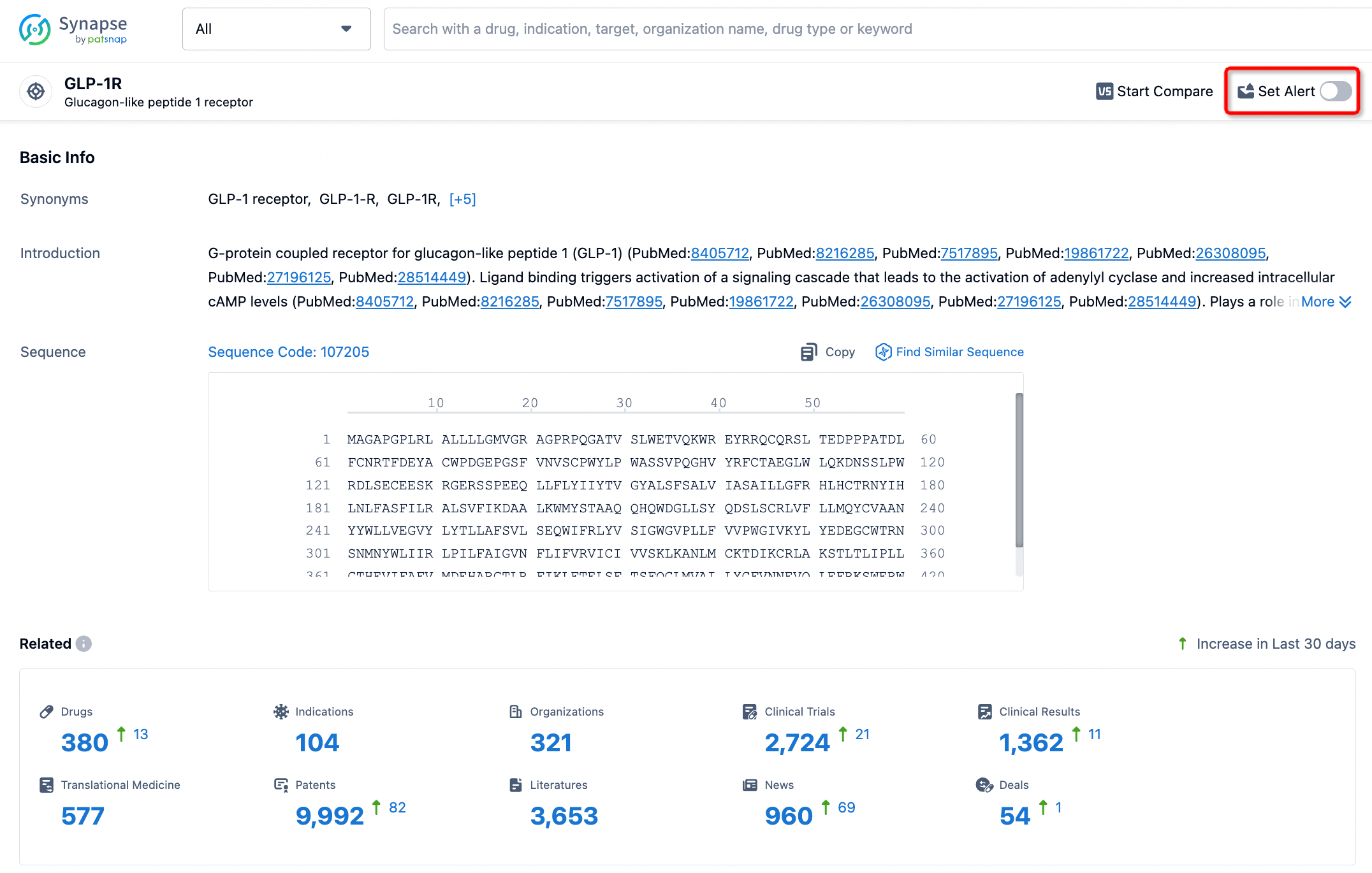
In the Synapse database, you can stay updated on the latest research and development advances of all targets. This service is accessible anytime and anywhere, with updates available daily or weekly. Use the "Set Alert" function to stay informed. Click on the image below to embark on a brand new journey of drug discovery!

AI Agents Built for Biopharma Breakthroughs
Accelerate discovery. Empower decisions. Transform outcomes.
Get started for free today!
Accelerate Strategic R&D decision making with Synapse, PatSnap’s AI-powered Connected Innovation Intelligence Platform Built for Life Sciences Professionals.
Start your data trial now!
Synapse data is also accessible to external entities via APIs or data packages. Empower better decisions with the latest in pharmaceutical intelligence.