Request Demo
What are FPR1 agonists and how do they work?
25 June 2024
Formyl peptide receptor 1 (FPR1) is a G-protein-coupled receptor that plays a crucial role in the immune response by mediating the activation and migration of immune cells towards sites of infection or inflammation. FPR1 agonists are compounds that can specifically bind to and activate this receptor, leading to a cascade of biochemical events that enhance the immune system's ability to combat pathogens and repair tissue damage. This blog post delves into the fascinating world of FPR1 agonists, exploring their mechanisms of action, therapeutic applications, and potential benefits in medical science.
FPR1 agonists work by targeting the FPR1 receptor, which is predominantly expressed on the surface of various immune cells, including neutrophils, monocytes, and macrophages. When an FPR1 agonist binds to the receptor, it triggers a series of intracellular signaling pathways. This binding activates G-proteins, which then initiate multiple downstream signaling cascades involving phospholipase C, protein kinase C, and the MAPK/ERK pathway, among others. These signaling events lead to changes in cell behavior, such as enhanced chemotaxis, increased production of reactive oxygen species (ROS), and the release of pro-inflammatory cytokines. Chemotaxis, the directed movement of immune cells toward the source of the agonist, is particularly important, as it ensures that immune cells are rapidly recruited to sites of infection or injury.
The activation of FPR1 also enhances the phagocytic activity of immune cells, allowing them to more effectively engulf and destroy pathogens. Additionally, FPR1 activation can promote the resolution of inflammation by facilitating the clearance of apoptotic cells and debris, thereby aiding in tissue repair and regeneration. By modulating these key aspects of the immune response, FPR1 agonists hold significant promise for various therapeutic applications.
FPR1 agonists have been investigated for their potential use in a wide range of clinical indications. One of the most promising areas of research is in the treatment of bacterial infections. By enhancing the chemotactic and phagocytic activities of immune cells, FPR1 agonists can potentially boost the body's ability to fight off bacterial pathogens, making them a valuable adjunct to traditional antibiotic therapies. This is particularly relevant in the context of antibiotic-resistant infections, where enhancing the host's immune response could provide a critical advantage.
In addition to their antimicrobial potential, FPR1 agonists have shown promise in the field of oncology. The immune system's ability to recognize and eliminate cancer cells is a key aspect of anti-tumor immunity. FPR1 agonists can enhance the recruitment and activation of immune cells within the tumor microenvironment, potentially improving the efficacy of immunotherapies such as checkpoint inhibitors. Moreover, FPR1 activation can facilitate the clearance of dead and dying cancer cells following treatments like chemotherapy and radiation, thereby aiding in the overall anti-tumor response.
Another area where FPR1 agonists are being explored is in the treatment of chronic inflammatory diseases, such as rheumatoid arthritis and inflammatory bowel disease. By modulating the immune response and promoting the resolution of inflammation, FPR1 agonists could help to alleviate the symptoms and progression of these debilitating conditions. Additionally, their ability to enhance tissue repair mechanisms suggests potential applications in wound healing and regenerative medicine.
Furthermore, FPR1 agonists have also been investigated for their neuroprotective effects. In neurodegenerative diseases like Alzheimer's and Parkinson's, chronic inflammation and impaired clearance of toxic protein aggregates contribute to disease progression. FPR1 agonists may help to mitigate these pathological processes by enhancing the recruitment and activity of microglia, the brain's resident immune cells, thus promoting the clearance of harmful substances and supporting neuronal survival.
In conclusion, FPR1 agonists represent a promising class of therapeutic agents with diverse potential applications in infectious diseases, oncology, chronic inflammatory conditions, and neurodegenerative disorders. By harnessing the power of the immune system, these compounds offer a novel approach to treating a variety of medical challenges. As research in this field continues to advance, we can expect to see further developments and clinical trials that will help to unlock the full therapeutic potential of FPR1 agonists.
FPR1 agonists work by targeting the FPR1 receptor, which is predominantly expressed on the surface of various immune cells, including neutrophils, monocytes, and macrophages. When an FPR1 agonist binds to the receptor, it triggers a series of intracellular signaling pathways. This binding activates G-proteins, which then initiate multiple downstream signaling cascades involving phospholipase C, protein kinase C, and the MAPK/ERK pathway, among others. These signaling events lead to changes in cell behavior, such as enhanced chemotaxis, increased production of reactive oxygen species (ROS), and the release of pro-inflammatory cytokines. Chemotaxis, the directed movement of immune cells toward the source of the agonist, is particularly important, as it ensures that immune cells are rapidly recruited to sites of infection or injury.
The activation of FPR1 also enhances the phagocytic activity of immune cells, allowing them to more effectively engulf and destroy pathogens. Additionally, FPR1 activation can promote the resolution of inflammation by facilitating the clearance of apoptotic cells and debris, thereby aiding in tissue repair and regeneration. By modulating these key aspects of the immune response, FPR1 agonists hold significant promise for various therapeutic applications.
FPR1 agonists have been investigated for their potential use in a wide range of clinical indications. One of the most promising areas of research is in the treatment of bacterial infections. By enhancing the chemotactic and phagocytic activities of immune cells, FPR1 agonists can potentially boost the body's ability to fight off bacterial pathogens, making them a valuable adjunct to traditional antibiotic therapies. This is particularly relevant in the context of antibiotic-resistant infections, where enhancing the host's immune response could provide a critical advantage.
In addition to their antimicrobial potential, FPR1 agonists have shown promise in the field of oncology. The immune system's ability to recognize and eliminate cancer cells is a key aspect of anti-tumor immunity. FPR1 agonists can enhance the recruitment and activation of immune cells within the tumor microenvironment, potentially improving the efficacy of immunotherapies such as checkpoint inhibitors. Moreover, FPR1 activation can facilitate the clearance of dead and dying cancer cells following treatments like chemotherapy and radiation, thereby aiding in the overall anti-tumor response.
Another area where FPR1 agonists are being explored is in the treatment of chronic inflammatory diseases, such as rheumatoid arthritis and inflammatory bowel disease. By modulating the immune response and promoting the resolution of inflammation, FPR1 agonists could help to alleviate the symptoms and progression of these debilitating conditions. Additionally, their ability to enhance tissue repair mechanisms suggests potential applications in wound healing and regenerative medicine.
Furthermore, FPR1 agonists have also been investigated for their neuroprotective effects. In neurodegenerative diseases like Alzheimer's and Parkinson's, chronic inflammation and impaired clearance of toxic protein aggregates contribute to disease progression. FPR1 agonists may help to mitigate these pathological processes by enhancing the recruitment and activity of microglia, the brain's resident immune cells, thus promoting the clearance of harmful substances and supporting neuronal survival.
In conclusion, FPR1 agonists represent a promising class of therapeutic agents with diverse potential applications in infectious diseases, oncology, chronic inflammatory conditions, and neurodegenerative disorders. By harnessing the power of the immune system, these compounds offer a novel approach to treating a variety of medical challenges. As research in this field continues to advance, we can expect to see further developments and clinical trials that will help to unlock the full therapeutic potential of FPR1 agonists.
How to obtain the latest development progress of all targets?
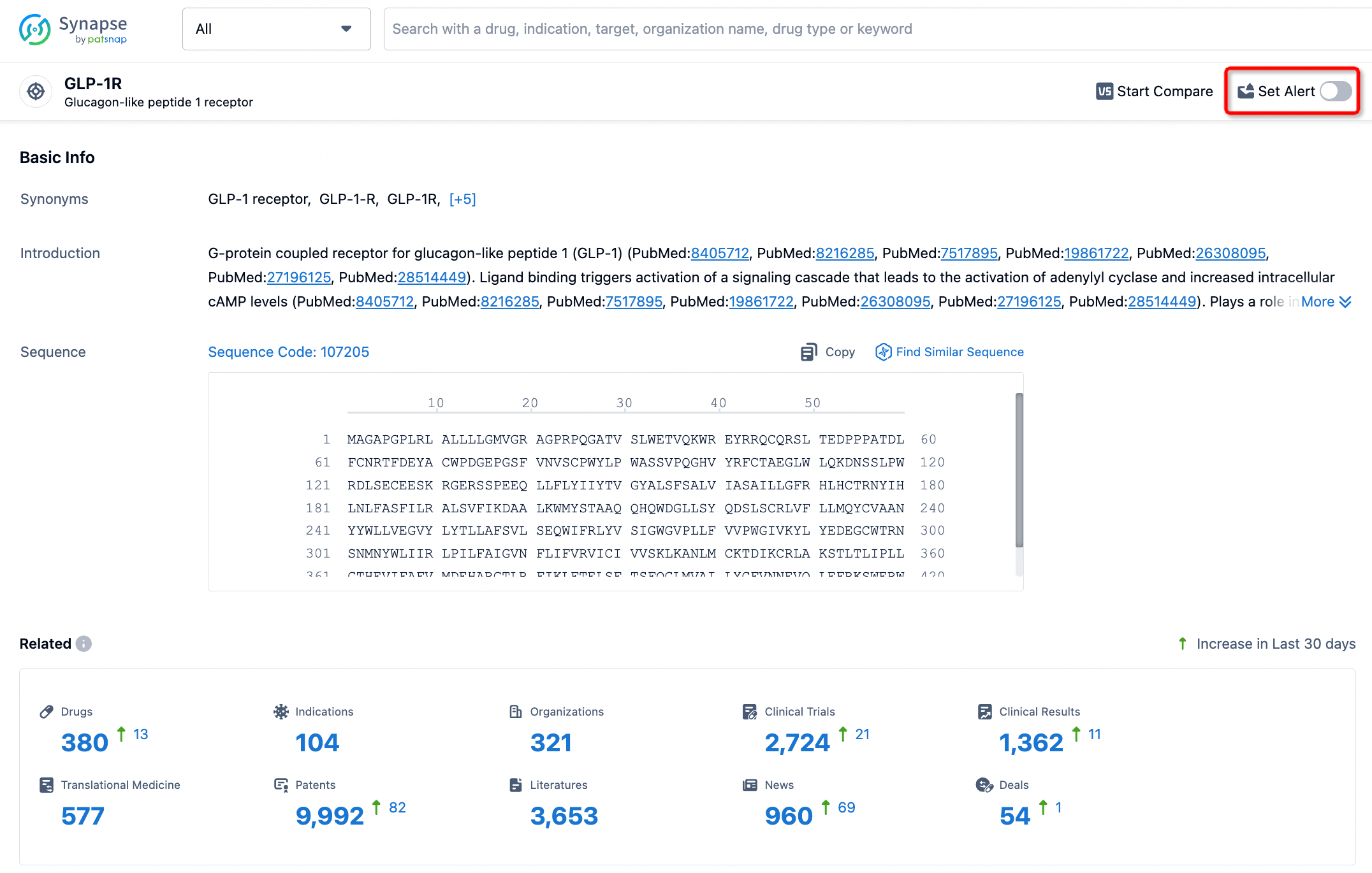
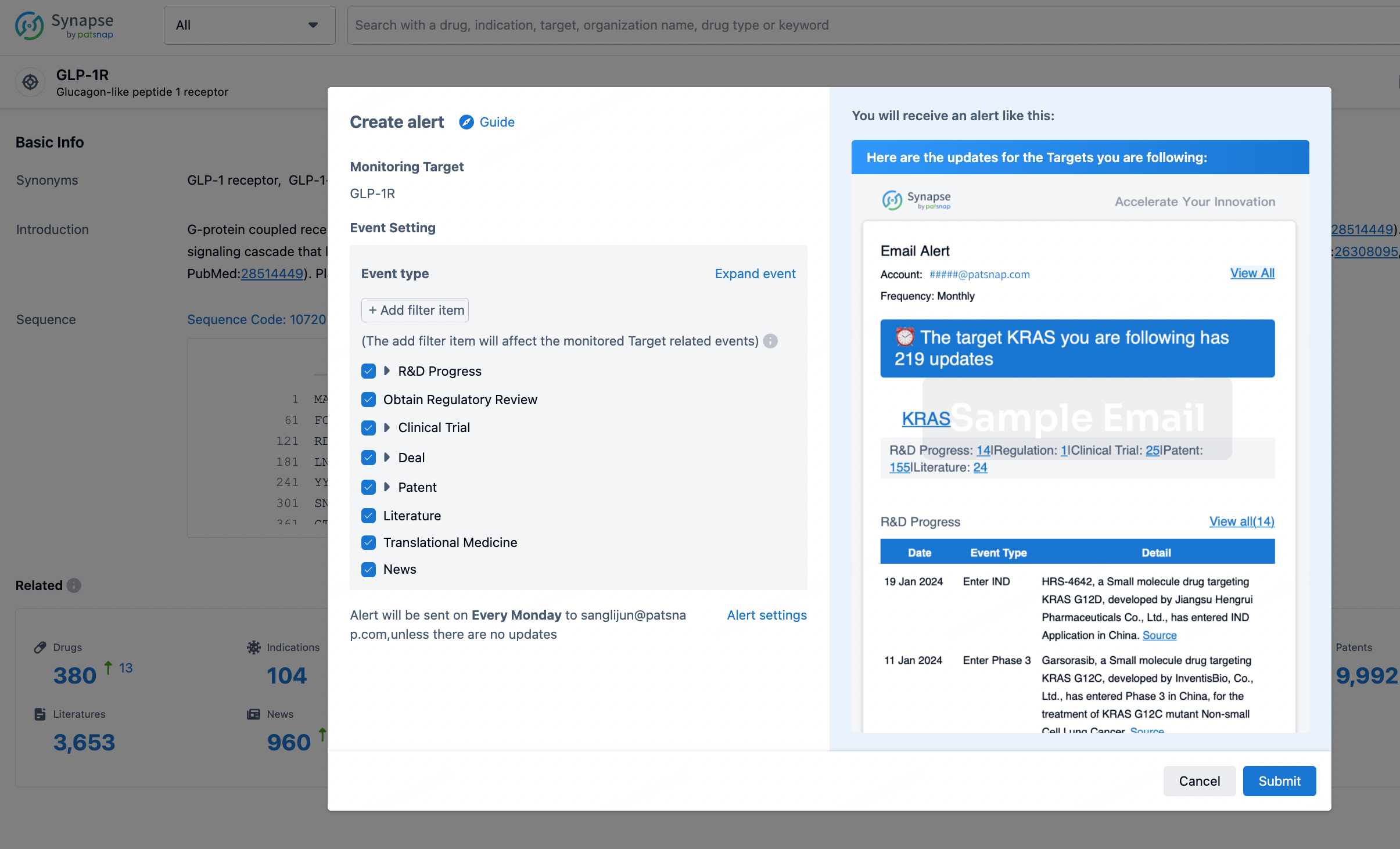
In the Synapse database, you can stay updated on the latest research and development advances of all targets. This service is accessible anytime and anywhere, with updates available daily or weekly. Use the "Set Alert" function to stay informed. Click on the image below to embark on a brand new journey of drug discovery!
Hiro LS Researcher
The AI Search Engine Built to Accelerate Biopharma Decisions
Search across billion-scale life sciences data to uncover signals, validate evidence, and act with confidence.
Ask any biopharma research question→
Get started for free today!
Accelerate Strategic R&D decision making with Synapse, Patsnap’s AI-powered Connected Innovation Intelligence Platform Built for Life Sciences Professionals.
Discover Synapse Data Servers
Synapse data is now integrated into the PatSnap LS Model Context Protocol (MCP) service. Customize your LLM agent now using our MCP server!