Request Demo
What are HIV gag inhibitors and how do they work?
21 June 2024
Human Immunodeficiency Virus (HIV) remains a significant global health challenge, with millions of people affected by the virus. While antiretroviral therapy (ART) has transformed HIV from a fatal disease to a manageable chronic condition, the search for more effective treatments continues. One promising avenue is the development of HIV Gag inhibitors. This innovative class of drugs focuses on a different aspect of the virus's lifecycle, offering new hope for improved treatment regimens.
Gag, which stands for Group-specific Antigen, is a polyprotein crucial to the HIV lifecycle. It plays a vital role in virus assembly, maturation, and release. The Gag protein is processed by the viral protease into smaller proteins essential for the formation of infectious viral particles. By targeting the Gag protein, HIV Gag inhibitors aim to disrupt these processes, thereby hindering the virus's ability to reproduce and spread.
HIV Gag inhibitors work by interfering with various stages of the virus's lifecycle that involve the Gag protein. One of the key stages is the assembly of new viral particles. During this phase, the Gag protein directs the formation of virus-like particles within the host cell. These particles eventually bud off from the cell membrane, forming immature viral particles that need further processing to become infectious. By inhibiting the Gag protein's function, these drugs prevent the proper assembly of new viral particles, thereby reducing the number of infectious viruses produced.
Additionally, HIV Gag inhibitors target the maturation process of the virus. After budding from the host cell, immature virus particles undergo a maturation process driven by the viral protease, which cleaves the Gag polyprotein into its functional components. Inhibiting the Gag protein can disrupt this cleavage, leading to the production of non-infectious viral particles. This dual mechanism—blocking assembly and maturation—makes HIV Gag inhibitors a potent tool in combating the virus.
HIV Gag inhibitors are being investigated for several potential uses. First and foremost, they have shown promise in enhancing the effectiveness of existing ART regimens. Current ART primarily targets the reverse transcriptase, integrase, and protease enzymes of the virus. By adding Gag inhibitors to this mix, researchers hope to create a more comprehensive approach that targets multiple stages of the viral lifecycle, thereby reducing the likelihood of resistance development.
Moreover, HIV Gag inhibitors may offer a solution for individuals who have developed resistance to existing ART drugs. Drug resistance remains a significant challenge in HIV treatment, as the virus can mutate rapidly. Gag inhibitors work through a different mechanism compared to traditional ART, which means they may be effective against strains of the virus that have become resistant to other drugs. This could provide a valuable lifeline for patients with limited treatment options.
Another potential application of HIV Gag inhibitors lies in the field of HIV prevention. Pre-exposure prophylaxis (PrEP) is a preventive strategy where individuals at high risk of HIV infection take medication to reduce their chances of contracting the virus. Adding Gag inhibitors to PrEP regimens could potentially enhance their efficacy, offering better protection against HIV infection.
Additionally, the unique mechanism of action of HIV Gag inhibitors might make them suitable for combination therapies with other novel antiviral agents. This could lead to the development of multi-faceted treatment approaches that attack the virus on several fronts, further improving patient outcomes.
HIV Gag inhibitors represent a promising development in the fight against HIV. By targeting the Gag protein, these drugs disrupt critical stages of the virus's lifecycle, offering potential benefits in treatment, prevention, and overcoming drug resistance. While research is still ongoing, the early results are encouraging, providing hope for more effective and comprehensive HIV treatment strategies in the future.
Gag, which stands for Group-specific Antigen, is a polyprotein crucial to the HIV lifecycle. It plays a vital role in virus assembly, maturation, and release. The Gag protein is processed by the viral protease into smaller proteins essential for the formation of infectious viral particles. By targeting the Gag protein, HIV Gag inhibitors aim to disrupt these processes, thereby hindering the virus's ability to reproduce and spread.
HIV Gag inhibitors work by interfering with various stages of the virus's lifecycle that involve the Gag protein. One of the key stages is the assembly of new viral particles. During this phase, the Gag protein directs the formation of virus-like particles within the host cell. These particles eventually bud off from the cell membrane, forming immature viral particles that need further processing to become infectious. By inhibiting the Gag protein's function, these drugs prevent the proper assembly of new viral particles, thereby reducing the number of infectious viruses produced.
Additionally, HIV Gag inhibitors target the maturation process of the virus. After budding from the host cell, immature virus particles undergo a maturation process driven by the viral protease, which cleaves the Gag polyprotein into its functional components. Inhibiting the Gag protein can disrupt this cleavage, leading to the production of non-infectious viral particles. This dual mechanism—blocking assembly and maturation—makes HIV Gag inhibitors a potent tool in combating the virus.
HIV Gag inhibitors are being investigated for several potential uses. First and foremost, they have shown promise in enhancing the effectiveness of existing ART regimens. Current ART primarily targets the reverse transcriptase, integrase, and protease enzymes of the virus. By adding Gag inhibitors to this mix, researchers hope to create a more comprehensive approach that targets multiple stages of the viral lifecycle, thereby reducing the likelihood of resistance development.
Moreover, HIV Gag inhibitors may offer a solution for individuals who have developed resistance to existing ART drugs. Drug resistance remains a significant challenge in HIV treatment, as the virus can mutate rapidly. Gag inhibitors work through a different mechanism compared to traditional ART, which means they may be effective against strains of the virus that have become resistant to other drugs. This could provide a valuable lifeline for patients with limited treatment options.
Another potential application of HIV Gag inhibitors lies in the field of HIV prevention. Pre-exposure prophylaxis (PrEP) is a preventive strategy where individuals at high risk of HIV infection take medication to reduce their chances of contracting the virus. Adding Gag inhibitors to PrEP regimens could potentially enhance their efficacy, offering better protection against HIV infection.
Additionally, the unique mechanism of action of HIV Gag inhibitors might make them suitable for combination therapies with other novel antiviral agents. This could lead to the development of multi-faceted treatment approaches that attack the virus on several fronts, further improving patient outcomes.
HIV Gag inhibitors represent a promising development in the fight against HIV. By targeting the Gag protein, these drugs disrupt critical stages of the virus's lifecycle, offering potential benefits in treatment, prevention, and overcoming drug resistance. While research is still ongoing, the early results are encouraging, providing hope for more effective and comprehensive HIV treatment strategies in the future.
How to obtain the latest development progress of all targets?
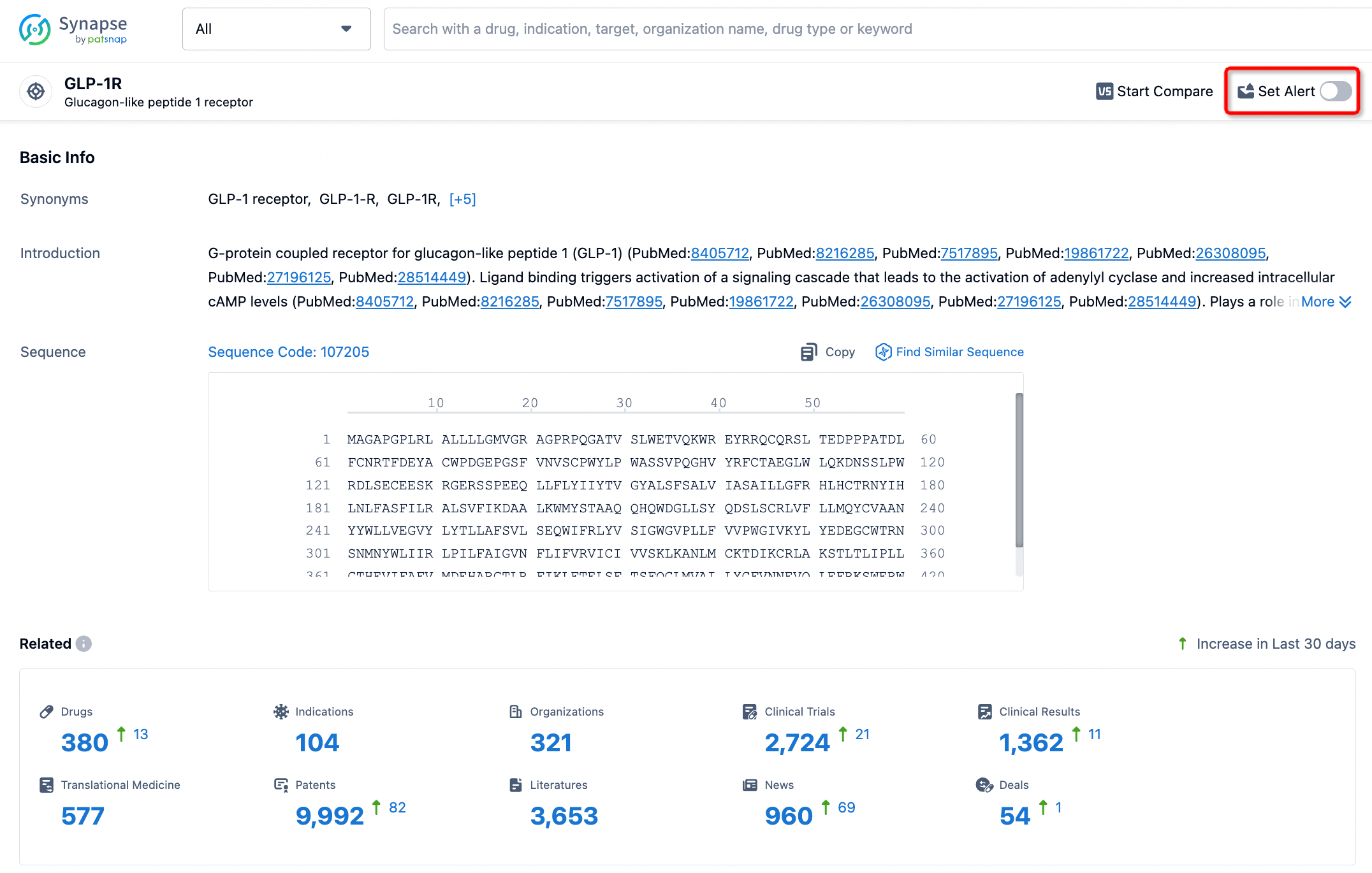
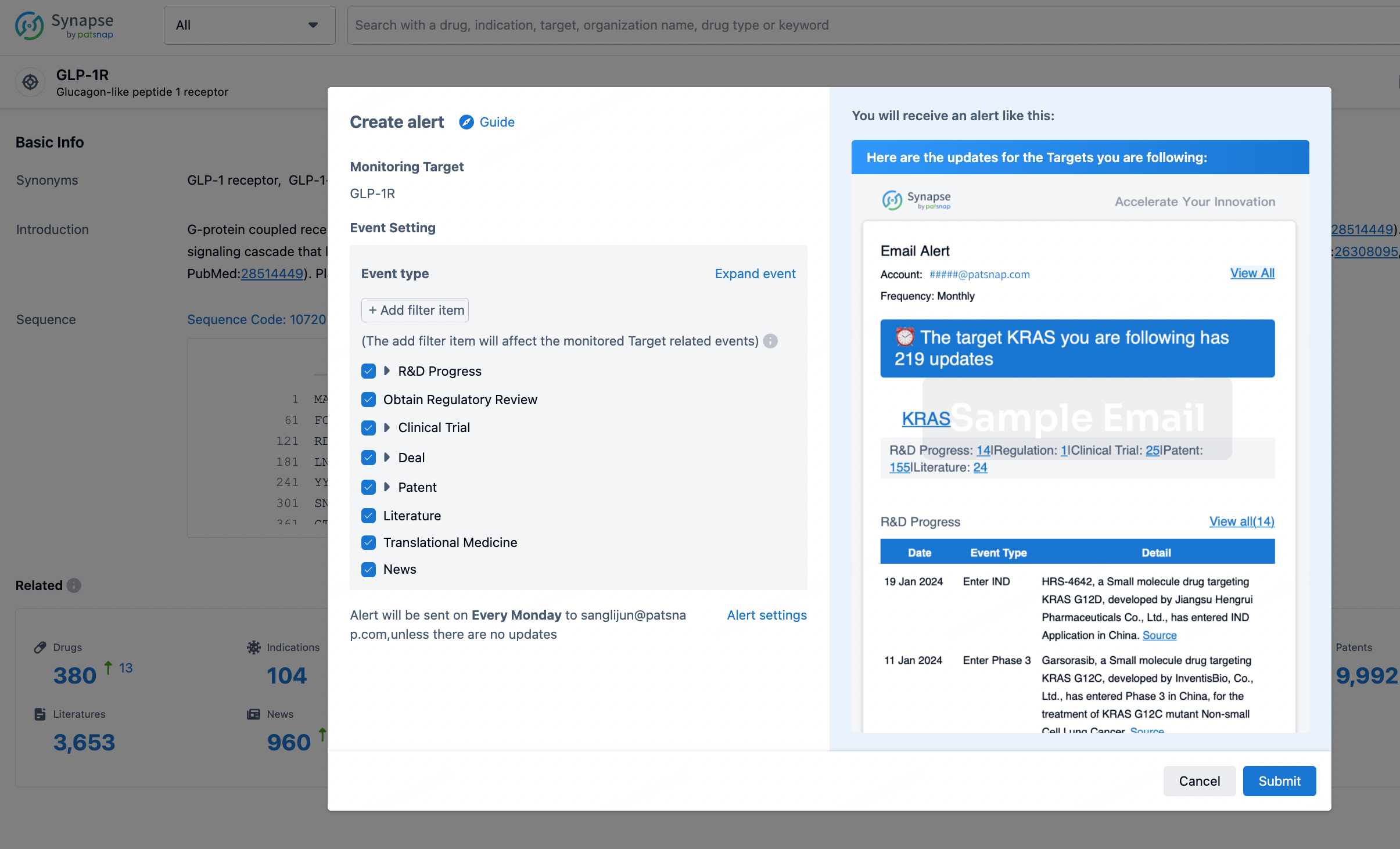
In the Synapse database, you can stay updated on the latest research and development advances of all targets. This service is accessible anytime and anywhere, with updates available daily or weekly. Use the "Set Alert" function to stay informed. Click on the image below to embark on a brand new journey of drug discovery!
AI Agents Built for Biopharma Breakthroughs
Accelerate discovery. Empower decisions. Transform outcomes.
Get started for free today!
Accelerate Strategic R&D decision making with Synapse, PatSnap’s AI-powered Connected Innovation Intelligence Platform Built for Life Sciences Professionals.
Start your data trial now!
Synapse data is also accessible to external entities via APIs or data packages. Empower better decisions with the latest in pharmaceutical intelligence.