Request Demo
What are Hla Toxin inhibitors and how do they work?
26 June 2024
In the realm of microbiology and infectious diseases, Hla toxin inhibitors have emerged as a promising frontier in combating antibiotic-resistant bacteria. Hla toxin, or alpha-hemolysin, is a virulent factor produced by Staphylococcus aureus, a common pathogen responsible for a range of infections, from minor skin conditions to life-threatening diseases like pneumonia, sepsis, and toxic shock syndrome. By understanding how Hla toxin inhibitors work and their applications, we can appreciate their potential in the fight against stubborn bacterial infections.
Hla toxin inhibitors function by targeting the alpha-hemolysin toxin, a protein secreted by Staphylococcus aureus that disrupts cellular membranes, leading to cell lysis and tissue damage. Alpha-hemolysin forms heptameric pores in the membranes of host cells, a process crucial for the bacterium's pathogenicity. By inhibiting this toxin, these inhibitors prevent the formation of pores, thereby shielding host cells from damage and reducing the virulence of the bacterial infection.
To grasp how Hla toxin inhibitors work, we need to delve into the molecular mechanisms they employ. Firstly, these inhibitors can bind directly to the alpha-hemolysin molecule, blocking its ability to interact with the host cell membrane. This binding can occur at various stages of the toxin's lifecycle, such as during its synthesis, secretion, or when it’s trying to assemble into a pore-forming complex on the host cell surface. By hampering these critical stages, Hla toxin inhibitors effectively neutralize the toxin's harmful effects.
Moreover, some Hla toxin inhibitors work by enhancing the host's immune response. These agents can activate or upregulate immune factors that specifically target and neutralize the alpha-hemolysin toxin. This dual approach of directly inhibiting the toxin and fortifying the host's defense mechanisms provides a robust method for mitigating the damage caused by Staphylococcus aureus infections.
The applications of Hla toxin inhibitors are diverse and hold immense potential in both clinical and therapeutic settings. One of the primary uses is in treating infections caused by antibiotic-resistant strains of Staphylococcus aureus, such as Methicillin-resistant Staphylococcus aureus (MRSA). These resistant strains pose a significant challenge in healthcare due to their ability to evade conventional antibiotics. Hla toxin inhibitors offer an alternative or adjunctive treatment strategy, helping to control infections that are otherwise difficult to manage with standard antibiotic therapy.
In addition to treating resistant infections, Hla toxin inhibitors have shown promise in preventing the onset and progression of severe diseases linked to Staphylococcus aureus. For instance, in surgical settings, these inhibitors can be used prophylactically to reduce the risk of post-operative infections. By curbing the activity of alpha-hemolysin, these inhibitors can minimize tissue damage and promote better recovery outcomes for patients undergoing invasive procedures.
Another significant application of Hla toxin inhibitors lies in the management of chronic conditions exacerbated by Staphylococcus aureus infections, such as atopic dermatitis and cystic fibrosis. Patients with these conditions often suffer from recurrent infections that complicate their primary disease. By incorporating Hla toxin inhibitors into their treatment regimen, healthcare providers can help reduce the frequency and severity of these infections, thereby improving the overall quality of life for these patients.
The potential of Hla toxin inhibitors extends beyond human medicine into veterinary applications as well. Staphylococcus aureus is a known pathogen in livestock, capable of causing mastitis in dairy cows, which leads to substantial economic losses. Hla toxin inhibitors can be employed to prevent and treat these infections in animals, enhancing animal health and productivity.
In conclusion, Hla toxin inhibitors represent a groundbreaking advancement in our fight against bacterial infections, especially those caused by antibiotic-resistant strains. By specifically targeting the alpha-hemolysin toxin, these inhibitors offer a novel mechanism of action that complements existing antibiotic therapies. Their diverse applications in both human and veterinary medicine underscore their potential to transform the landscape of infection control and treatment, heralding a new era of targeted antimicrobial strategies.
Hla toxin inhibitors function by targeting the alpha-hemolysin toxin, a protein secreted by Staphylococcus aureus that disrupts cellular membranes, leading to cell lysis and tissue damage. Alpha-hemolysin forms heptameric pores in the membranes of host cells, a process crucial for the bacterium's pathogenicity. By inhibiting this toxin, these inhibitors prevent the formation of pores, thereby shielding host cells from damage and reducing the virulence of the bacterial infection.
To grasp how Hla toxin inhibitors work, we need to delve into the molecular mechanisms they employ. Firstly, these inhibitors can bind directly to the alpha-hemolysin molecule, blocking its ability to interact with the host cell membrane. This binding can occur at various stages of the toxin's lifecycle, such as during its synthesis, secretion, or when it’s trying to assemble into a pore-forming complex on the host cell surface. By hampering these critical stages, Hla toxin inhibitors effectively neutralize the toxin's harmful effects.
Moreover, some Hla toxin inhibitors work by enhancing the host's immune response. These agents can activate or upregulate immune factors that specifically target and neutralize the alpha-hemolysin toxin. This dual approach of directly inhibiting the toxin and fortifying the host's defense mechanisms provides a robust method for mitigating the damage caused by Staphylococcus aureus infections.
The applications of Hla toxin inhibitors are diverse and hold immense potential in both clinical and therapeutic settings. One of the primary uses is in treating infections caused by antibiotic-resistant strains of Staphylococcus aureus, such as Methicillin-resistant Staphylococcus aureus (MRSA). These resistant strains pose a significant challenge in healthcare due to their ability to evade conventional antibiotics. Hla toxin inhibitors offer an alternative or adjunctive treatment strategy, helping to control infections that are otherwise difficult to manage with standard antibiotic therapy.
In addition to treating resistant infections, Hla toxin inhibitors have shown promise in preventing the onset and progression of severe diseases linked to Staphylococcus aureus. For instance, in surgical settings, these inhibitors can be used prophylactically to reduce the risk of post-operative infections. By curbing the activity of alpha-hemolysin, these inhibitors can minimize tissue damage and promote better recovery outcomes for patients undergoing invasive procedures.
Another significant application of Hla toxin inhibitors lies in the management of chronic conditions exacerbated by Staphylococcus aureus infections, such as atopic dermatitis and cystic fibrosis. Patients with these conditions often suffer from recurrent infections that complicate their primary disease. By incorporating Hla toxin inhibitors into their treatment regimen, healthcare providers can help reduce the frequency and severity of these infections, thereby improving the overall quality of life for these patients.
The potential of Hla toxin inhibitors extends beyond human medicine into veterinary applications as well. Staphylococcus aureus is a known pathogen in livestock, capable of causing mastitis in dairy cows, which leads to substantial economic losses. Hla toxin inhibitors can be employed to prevent and treat these infections in animals, enhancing animal health and productivity.
In conclusion, Hla toxin inhibitors represent a groundbreaking advancement in our fight against bacterial infections, especially those caused by antibiotic-resistant strains. By specifically targeting the alpha-hemolysin toxin, these inhibitors offer a novel mechanism of action that complements existing antibiotic therapies. Their diverse applications in both human and veterinary medicine underscore their potential to transform the landscape of infection control and treatment, heralding a new era of targeted antimicrobial strategies.
How to obtain the latest development progress of all targets?
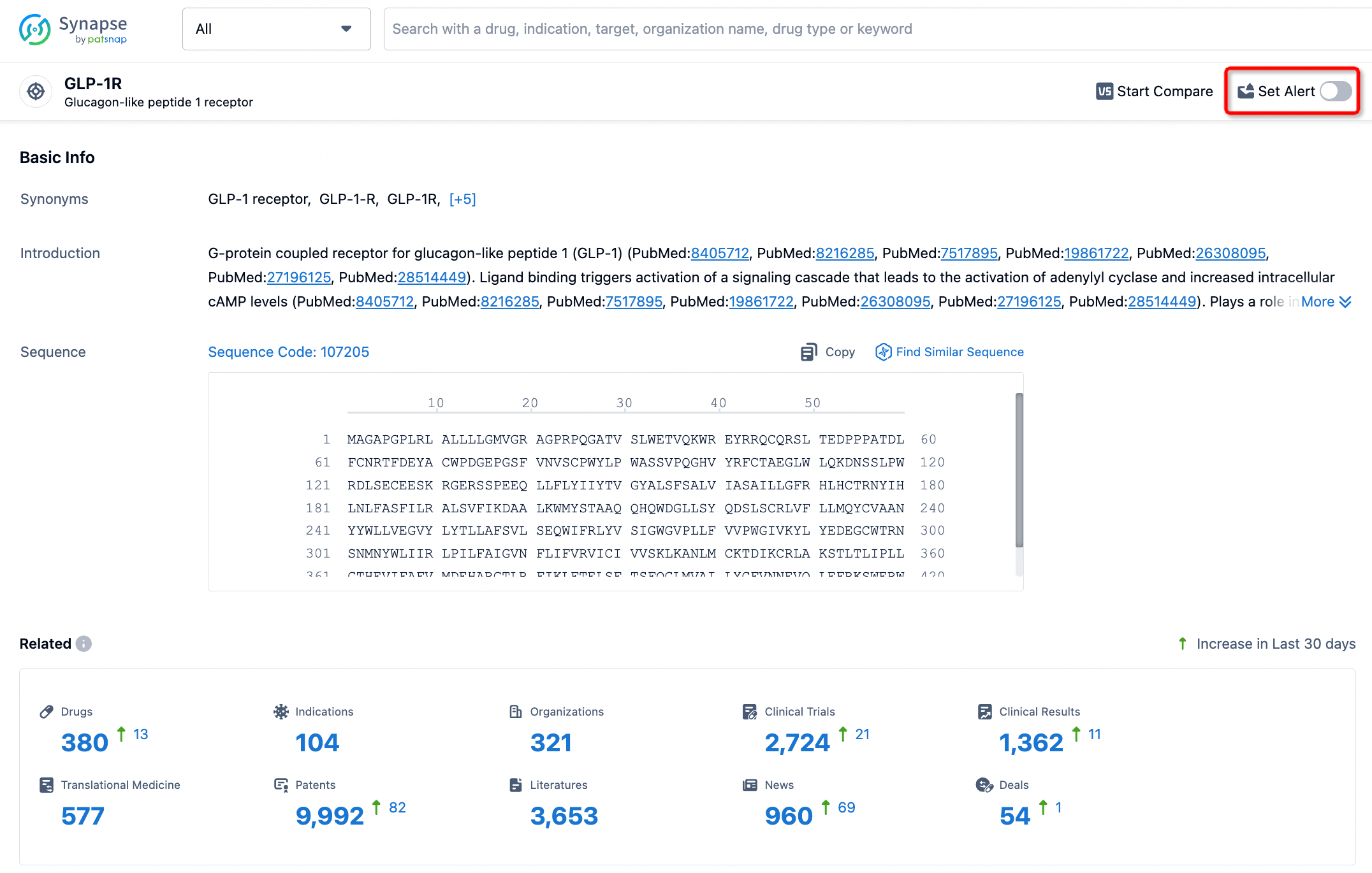
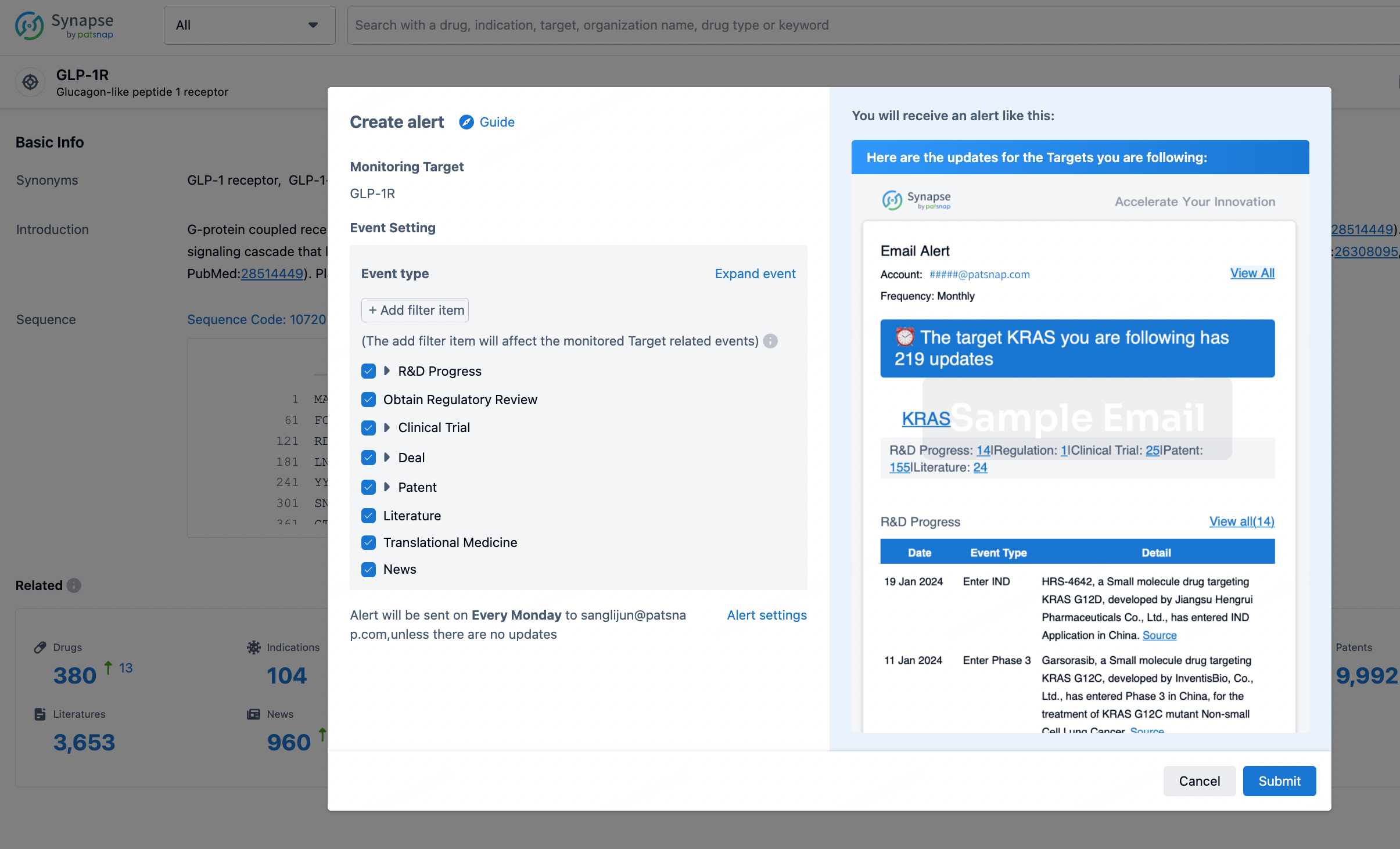
In the Synapse database, you can stay updated on the latest research and development advances of all targets. This service is accessible anytime and anywhere, with updates available daily or weekly. Use the "Set Alert" function to stay informed. Click on the image below to embark on a brand new journey of drug discovery!

AI Agents Built for Biopharma Breakthroughs
Accelerate discovery. Empower decisions. Transform outcomes.
Get started for free today!
Accelerate Strategic R&D decision making with Synapse, PatSnap’s AI-powered Connected Innovation Intelligence Platform Built for Life Sciences Professionals.
Start your data trial now!
Synapse data is also accessible to external entities via APIs or data packages. Empower better decisions with the latest in pharmaceutical intelligence.