Request Demo
What are HSC70 inhibitors and how do they work?
25 June 2024
HSC70 inhibitors have emerged as a significant area of interest in the field of biomedical research due to their potential therapeutic applications. This blog post aims to provide an introduction to HSC70 inhibitors, explain their mechanism of action, and discuss their potential uses in medical science.
Introduction to HSC70 inhibitors
HSC70, or Heat Shock Cognate 70, is a member of the heat shock protein family, which plays a crucial role in protein folding, repair, and transport within the cell. These proteins are essential for maintaining cellular homeostasis, especially under stressful conditions. HSC70 is ubiquitous, meaning it is found in nearly all forms of life, from bacteria to humans. It acts as a molecular chaperone, ensuring that proteins attain and maintain their proper functional conformations, thus preventing the aggregation of misfolded proteins that could be detrimental to cellular health.
HSC70 inhibitors are compounds that specifically target and inhibit the function of HSC70. Given the importance of HSC70 in numerous cellular processes, inhibition of this protein can have wide-ranging effects, making HSC70 inhibitors a powerful tool for scientific research and potential therapeutic development.
How do HSC70 inhibitors work?
HSC70 inhibitors operate by interfering with the ATPase activity of the HSC70 protein. HSC70 functions through an ATP-dependent mechanism, where ATP binding and hydrolysis are critical for its chaperone activity. The binding of ATP to HSC70 induces conformational changes that allow the protein to interact with its substrates (i.e., the proteins that require folding or refolding). Hydrolysis of ATP to ADP then triggers another conformational change, releasing the substrate in a properly folded state.
HSC70 inhibitors typically bind to the ATP-binding domain of the HSC70 protein, preventing ATP from binding and being hydrolyzed. This inhibition disrupts the conformational cycling necessary for HSC70’s chaperone activity, thereby preventing the proper folding of substrate proteins. As a result, cells may accumulate misfolded proteins, leading to various downstream effects depending on the cellular context. In a research setting, this can help scientists understand the role of specific proteins and pathways. In a therapeutic setting, such inhibitors could be used to target diseases characterized by protein misfolding or overactivity of HSC70.
What are HSC70 inhibitors used for?
HSC70 inhibitors have a range of potential applications in both research and medicine. One of the most promising areas of application is in cancer therapy. Many cancer cells exhibit elevated levels of HSPs, including HSC70, which helps them survive the stressful conditions of rapid growth and proliferation. By inhibiting HSC70, researchers hope to induce the accumulation of misfolded proteins within cancer cells, leading to cellular stress and eventually cell death. This approach could potentially target cancer cells specifically while sparing normal cells, which do not rely as heavily on HSC70.
Another significant application of HSC70 inhibitors is in the study and treatment of neurodegenerative diseases. Diseases such as Alzheimer’s, Parkinson’s, and Huntington’s are characterized by the accumulation of misfolded proteins that form toxic aggregates. While this might seem counterintuitive, inhibiting HSC70 in a controlled manner could help to better understand these diseases and identify new therapeutic targets. Moreover, in certain contexts, inhibiting HSC70 might assist in clearing these aggregates through cellular pathways such as autophagy.
Additionally, HSC70 inhibitors are being investigated for their potential to treat infectious diseases. Some pathogens, including certain viruses and bacteria, hijack the host’s HSC70 machinery to facilitate their own replication and survival. Inhibiting HSC70 could disrupt this process, thereby limiting the ability of the pathogen to thrive within the host.
In conclusion, HSC70 inhibitors represent a fascinating area of research with the potential to impact a variety of fields, including cancer therapy, neurodegenerative disease treatment, and infectious disease control. As our understanding of HSC70 and its inhibitors grows, so too will the possibilities for new and innovative treatments that could significantly improve human health.
Introduction to HSC70 inhibitors
HSC70, or Heat Shock Cognate 70, is a member of the heat shock protein family, which plays a crucial role in protein folding, repair, and transport within the cell. These proteins are essential for maintaining cellular homeostasis, especially under stressful conditions. HSC70 is ubiquitous, meaning it is found in nearly all forms of life, from bacteria to humans. It acts as a molecular chaperone, ensuring that proteins attain and maintain their proper functional conformations, thus preventing the aggregation of misfolded proteins that could be detrimental to cellular health.
HSC70 inhibitors are compounds that specifically target and inhibit the function of HSC70. Given the importance of HSC70 in numerous cellular processes, inhibition of this protein can have wide-ranging effects, making HSC70 inhibitors a powerful tool for scientific research and potential therapeutic development.
How do HSC70 inhibitors work?
HSC70 inhibitors operate by interfering with the ATPase activity of the HSC70 protein. HSC70 functions through an ATP-dependent mechanism, where ATP binding and hydrolysis are critical for its chaperone activity. The binding of ATP to HSC70 induces conformational changes that allow the protein to interact with its substrates (i.e., the proteins that require folding or refolding). Hydrolysis of ATP to ADP then triggers another conformational change, releasing the substrate in a properly folded state.
HSC70 inhibitors typically bind to the ATP-binding domain of the HSC70 protein, preventing ATP from binding and being hydrolyzed. This inhibition disrupts the conformational cycling necessary for HSC70’s chaperone activity, thereby preventing the proper folding of substrate proteins. As a result, cells may accumulate misfolded proteins, leading to various downstream effects depending on the cellular context. In a research setting, this can help scientists understand the role of specific proteins and pathways. In a therapeutic setting, such inhibitors could be used to target diseases characterized by protein misfolding or overactivity of HSC70.
What are HSC70 inhibitors used for?
HSC70 inhibitors have a range of potential applications in both research and medicine. One of the most promising areas of application is in cancer therapy. Many cancer cells exhibit elevated levels of HSPs, including HSC70, which helps them survive the stressful conditions of rapid growth and proliferation. By inhibiting HSC70, researchers hope to induce the accumulation of misfolded proteins within cancer cells, leading to cellular stress and eventually cell death. This approach could potentially target cancer cells specifically while sparing normal cells, which do not rely as heavily on HSC70.
Another significant application of HSC70 inhibitors is in the study and treatment of neurodegenerative diseases. Diseases such as Alzheimer’s, Parkinson’s, and Huntington’s are characterized by the accumulation of misfolded proteins that form toxic aggregates. While this might seem counterintuitive, inhibiting HSC70 in a controlled manner could help to better understand these diseases and identify new therapeutic targets. Moreover, in certain contexts, inhibiting HSC70 might assist in clearing these aggregates through cellular pathways such as autophagy.
Additionally, HSC70 inhibitors are being investigated for their potential to treat infectious diseases. Some pathogens, including certain viruses and bacteria, hijack the host’s HSC70 machinery to facilitate their own replication and survival. Inhibiting HSC70 could disrupt this process, thereby limiting the ability of the pathogen to thrive within the host.
In conclusion, HSC70 inhibitors represent a fascinating area of research with the potential to impact a variety of fields, including cancer therapy, neurodegenerative disease treatment, and infectious disease control. As our understanding of HSC70 and its inhibitors grows, so too will the possibilities for new and innovative treatments that could significantly improve human health.
How to obtain the latest development progress of all targets?
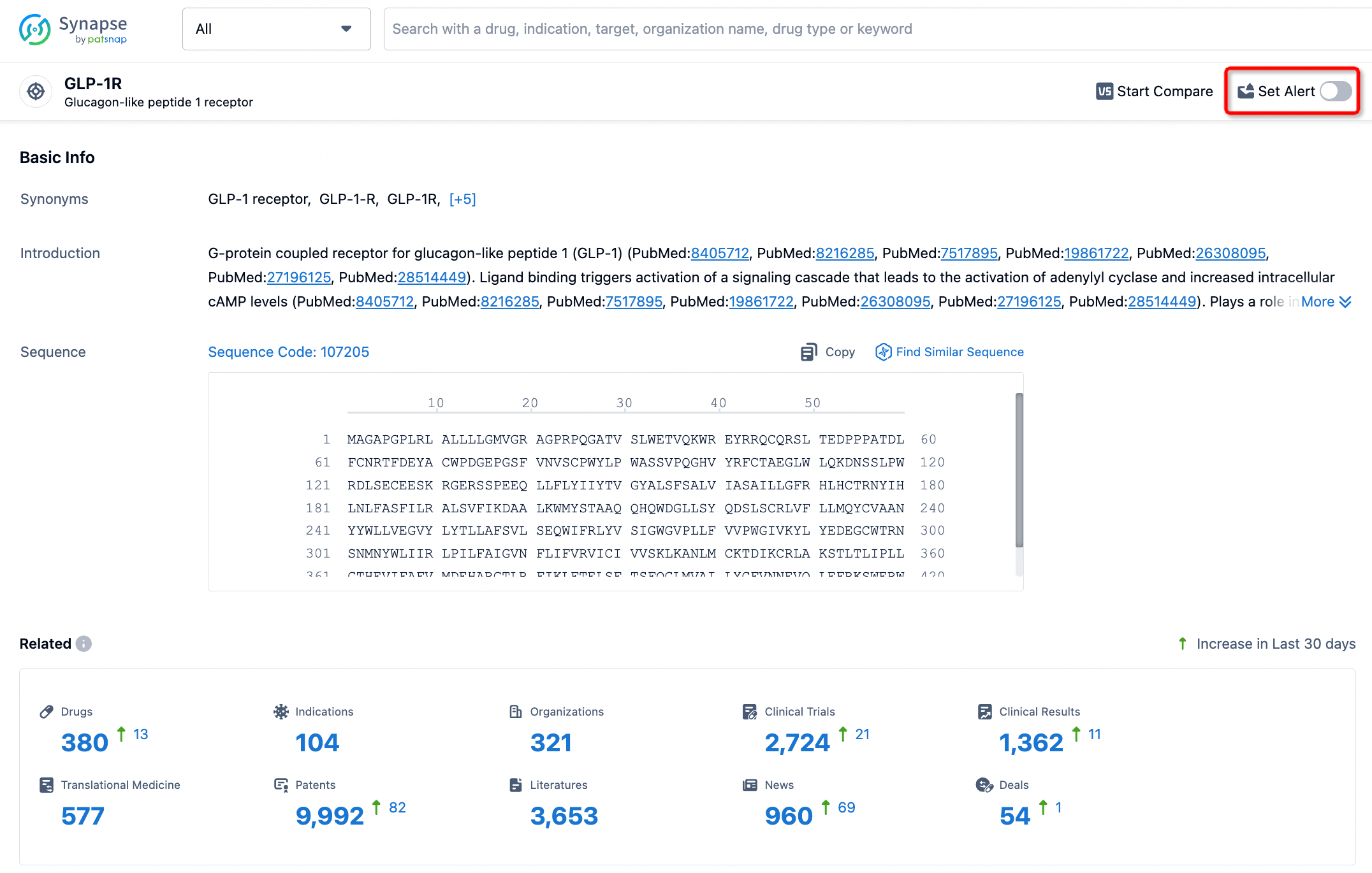
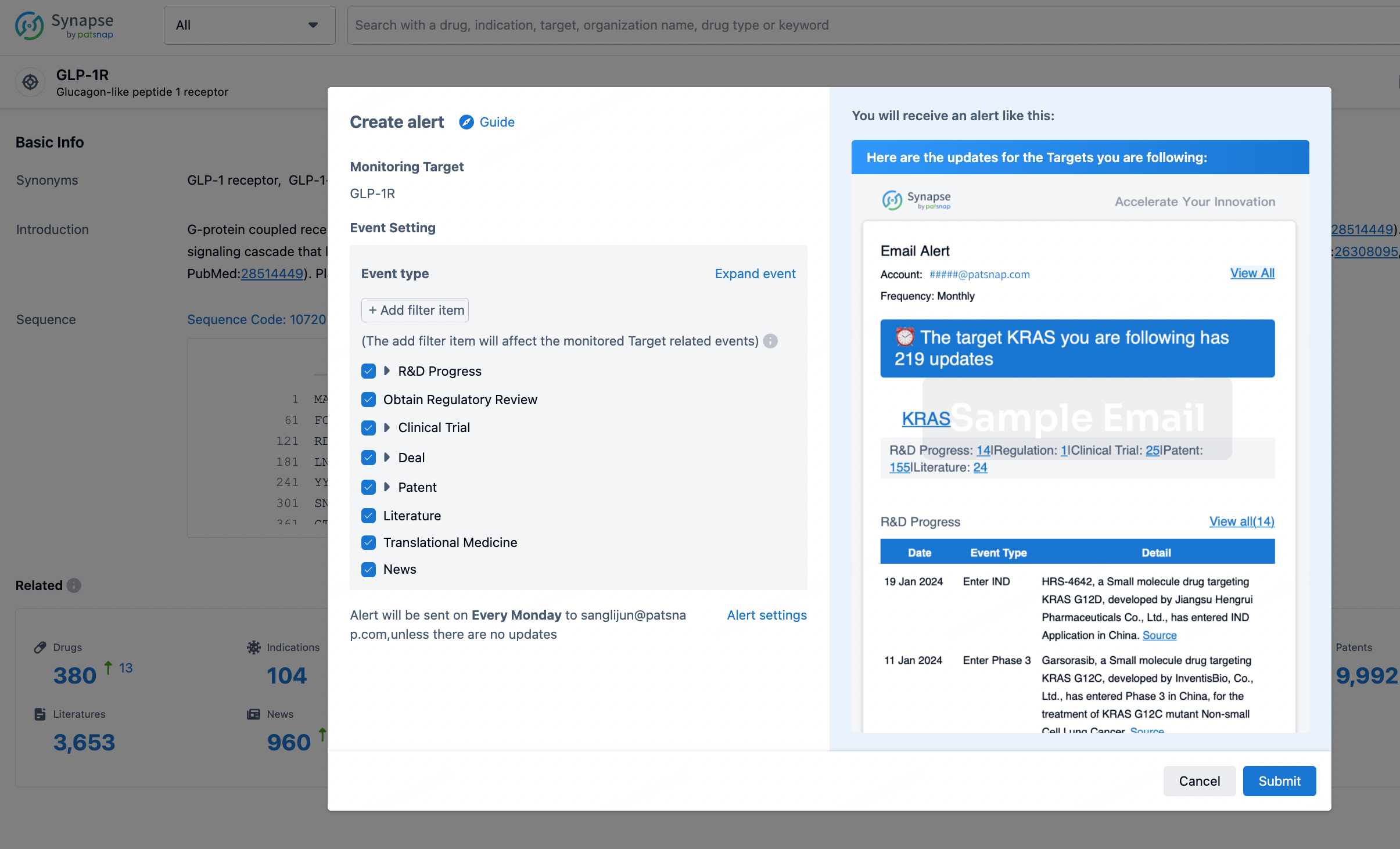
In the Synapse database, you can stay updated on the latest research and development advances of all targets. This service is accessible anytime and anywhere, with updates available daily or weekly. Use the "Set Alert" function to stay informed. Click on the image below to embark on a brand new journey of drug discovery!

AI Agents Built for Biopharma Breakthroughs
Accelerate discovery. Empower decisions. Transform outcomes.
Get started for free today!
Accelerate Strategic R&D decision making with Synapse, PatSnap’s AI-powered Connected Innovation Intelligence Platform Built for Life Sciences Professionals.
Start your data trial now!
Synapse data is also accessible to external entities via APIs or data packages. Empower better decisions with the latest in pharmaceutical intelligence.