Request Demo
What are IFNβ modulators and how do they work?
21 June 2024
Interferon beta (IFNβ) modulators represent a significant advancement in the field of immunotherapy, particularly in the treatment of autoimmune diseases such as multiple sclerosis (MS). Interferons are proteins that play a crucial role in the immune response, helping to protect the body against viral infections and other pathogens. IFNβ is a specific type of interferon that has become a cornerstone in the management of MS due to its ability to modulate the immune system and reduce the frequency and severity of disease relapses.
IFNβ modulators work by interacting with specific receptors on the surface of immune cells, triggering a cascade of intracellular events that ultimately lead to an altered immune response. When IFNβ binds to its receptor, it activates a series of signaling pathways, such as the JAK-STAT pathway, which results in the expression of numerous genes involved in the immune response. These genes can produce various effects, including antiviral activity, inhibition of cell proliferation, and modulation of immune cell function.
One of the key actions of IFNβ modulators is the reduction of pro-inflammatory cytokines, which are molecules that promote inflammation. By decreasing the levels of these cytokines, IFNβ helps to mitigate the inflammatory processes that are central to the pathogenesis of MS. Additionally, IFNβ upregulates the expression of anti-inflammatory cytokines, which further aids in controlling inflammation. This dual action helps to restore a more balanced immune environment, thereby reducing the damage to nervous system tissues that is characteristic of MS.
Moreover, IFNβ modulators can inhibit the migration of immune cells across the blood-brain barrier, a critical step in the development of MS lesions. By preventing these cells from entering the central nervous system, IFNβ reduces the autoimmune attack on myelin, the protective sheath surrounding nerve fibers. This preservation of myelin is crucial for maintaining proper nerve function and slowing the progression of disability in MS patients.
IFNβ modulators are primarily used in the management of multiple sclerosis, particularly relapsing-remitting MS (RRMS), which is the most common form of the disease. RRMS is characterized by episodes of neurological symptoms (relapses) followed by periods of partial or complete recovery (remissions). The use of IFNβ modulators in RRMS has been shown to reduce the frequency and severity of relapses, slow the accumulation of lesions in the brain and spinal cord, and delay the progression of disability.
Several IFNβ formulations are available for clinical use, including IFNβ-1a and IFNβ-1b, which differ in their molecular structures and routes of administration. IFNβ-1a is typically administered by intramuscular or subcutaneous injection, while IFNβ-1b is given subcutaneously. The choice of formulation and administration schedule can be tailored to the individual needs of the patient, taking into account factors such as convenience, tolerability, and response to therapy.
In addition to MS, there is ongoing research into the potential applications of IFNβ modulators in other autoimmune and inflammatory conditions. For example, studies are exploring their use in diseases such as systemic lupus erythematosus (SLE), rheumatoid arthritis (RA), and even certain types of viral infections, given the broad immunomodulatory and antiviral properties of IFNβ.
While IFNβ modulators have revolutionized the treatment of MS, they are not without side effects. Common adverse effects include flu-like symptoms, injection site reactions, and liver enzyme abnormalities. Nonetheless, the benefits of IFNβ in reducing disease activity and improving quality of life for MS patients generally outweigh these potential risks. Ongoing research and clinical trials continue to refine the use of IFNβ modulators, aiming to enhance their efficacy, reduce side effects, and expand their therapeutic applications.
In summary, IFNβ modulators are a vital tool in the treatment of multiple sclerosis, offering significant benefits in terms of disease management and patient outcomes. By modulating the immune response, reducing inflammation, and protecting nervous system tissues, these therapies provide hope and improved quality of life for individuals affected by this challenging condition. As research progresses, the potential for IFNβ modulators to benefit a broader range of diseases holds promise for the future of immunotherapy.
IFNβ modulators work by interacting with specific receptors on the surface of immune cells, triggering a cascade of intracellular events that ultimately lead to an altered immune response. When IFNβ binds to its receptor, it activates a series of signaling pathways, such as the JAK-STAT pathway, which results in the expression of numerous genes involved in the immune response. These genes can produce various effects, including antiviral activity, inhibition of cell proliferation, and modulation of immune cell function.
One of the key actions of IFNβ modulators is the reduction of pro-inflammatory cytokines, which are molecules that promote inflammation. By decreasing the levels of these cytokines, IFNβ helps to mitigate the inflammatory processes that are central to the pathogenesis of MS. Additionally, IFNβ upregulates the expression of anti-inflammatory cytokines, which further aids in controlling inflammation. This dual action helps to restore a more balanced immune environment, thereby reducing the damage to nervous system tissues that is characteristic of MS.
Moreover, IFNβ modulators can inhibit the migration of immune cells across the blood-brain barrier, a critical step in the development of MS lesions. By preventing these cells from entering the central nervous system, IFNβ reduces the autoimmune attack on myelin, the protective sheath surrounding nerve fibers. This preservation of myelin is crucial for maintaining proper nerve function and slowing the progression of disability in MS patients.
IFNβ modulators are primarily used in the management of multiple sclerosis, particularly relapsing-remitting MS (RRMS), which is the most common form of the disease. RRMS is characterized by episodes of neurological symptoms (relapses) followed by periods of partial or complete recovery (remissions). The use of IFNβ modulators in RRMS has been shown to reduce the frequency and severity of relapses, slow the accumulation of lesions in the brain and spinal cord, and delay the progression of disability.
Several IFNβ formulations are available for clinical use, including IFNβ-1a and IFNβ-1b, which differ in their molecular structures and routes of administration. IFNβ-1a is typically administered by intramuscular or subcutaneous injection, while IFNβ-1b is given subcutaneously. The choice of formulation and administration schedule can be tailored to the individual needs of the patient, taking into account factors such as convenience, tolerability, and response to therapy.
In addition to MS, there is ongoing research into the potential applications of IFNβ modulators in other autoimmune and inflammatory conditions. For example, studies are exploring their use in diseases such as systemic lupus erythematosus (SLE), rheumatoid arthritis (RA), and even certain types of viral infections, given the broad immunomodulatory and antiviral properties of IFNβ.
While IFNβ modulators have revolutionized the treatment of MS, they are not without side effects. Common adverse effects include flu-like symptoms, injection site reactions, and liver enzyme abnormalities. Nonetheless, the benefits of IFNβ in reducing disease activity and improving quality of life for MS patients generally outweigh these potential risks. Ongoing research and clinical trials continue to refine the use of IFNβ modulators, aiming to enhance their efficacy, reduce side effects, and expand their therapeutic applications.
In summary, IFNβ modulators are a vital tool in the treatment of multiple sclerosis, offering significant benefits in terms of disease management and patient outcomes. By modulating the immune response, reducing inflammation, and protecting nervous system tissues, these therapies provide hope and improved quality of life for individuals affected by this challenging condition. As research progresses, the potential for IFNβ modulators to benefit a broader range of diseases holds promise for the future of immunotherapy.
How to obtain the latest development progress of all targets?
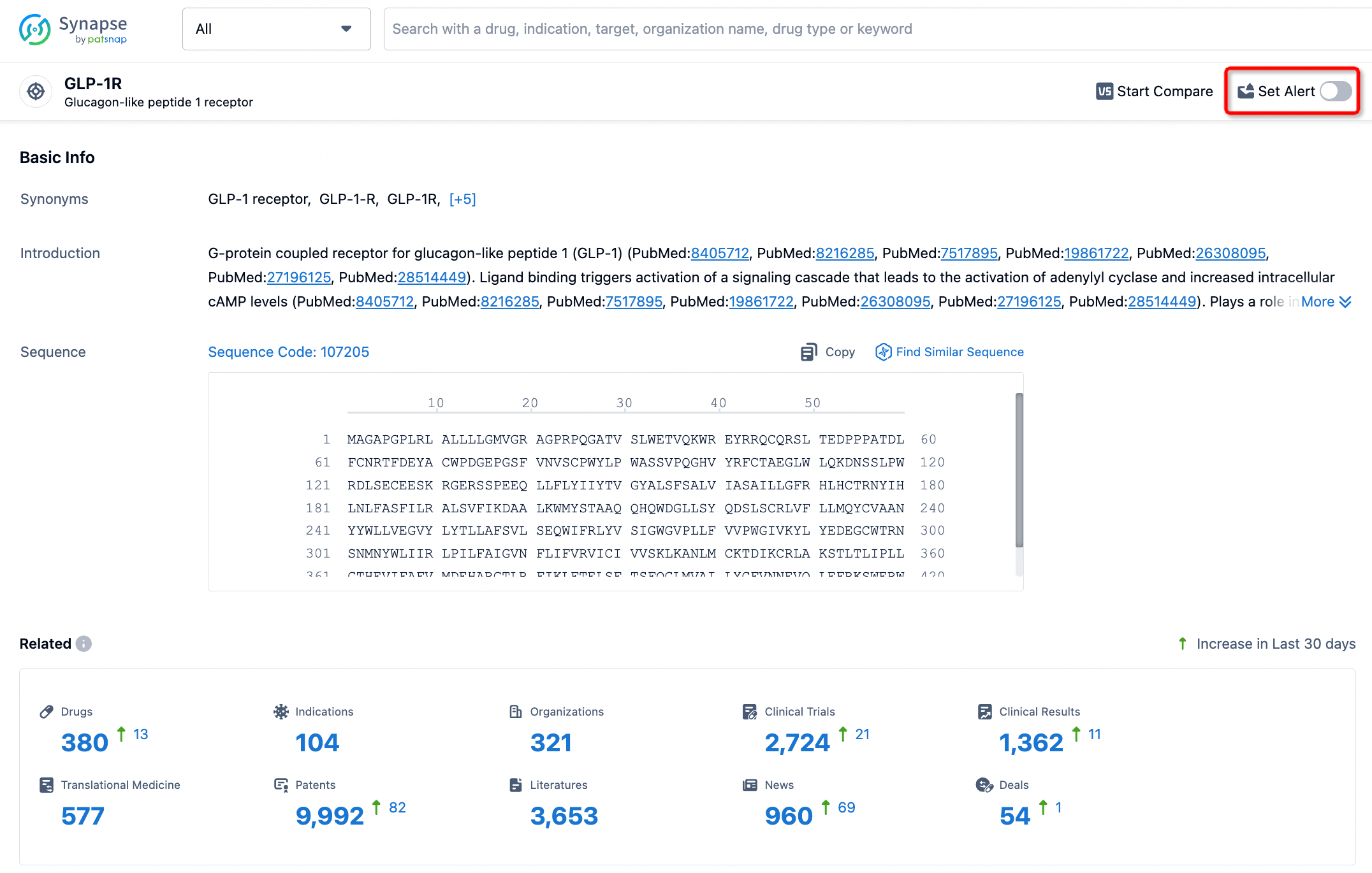
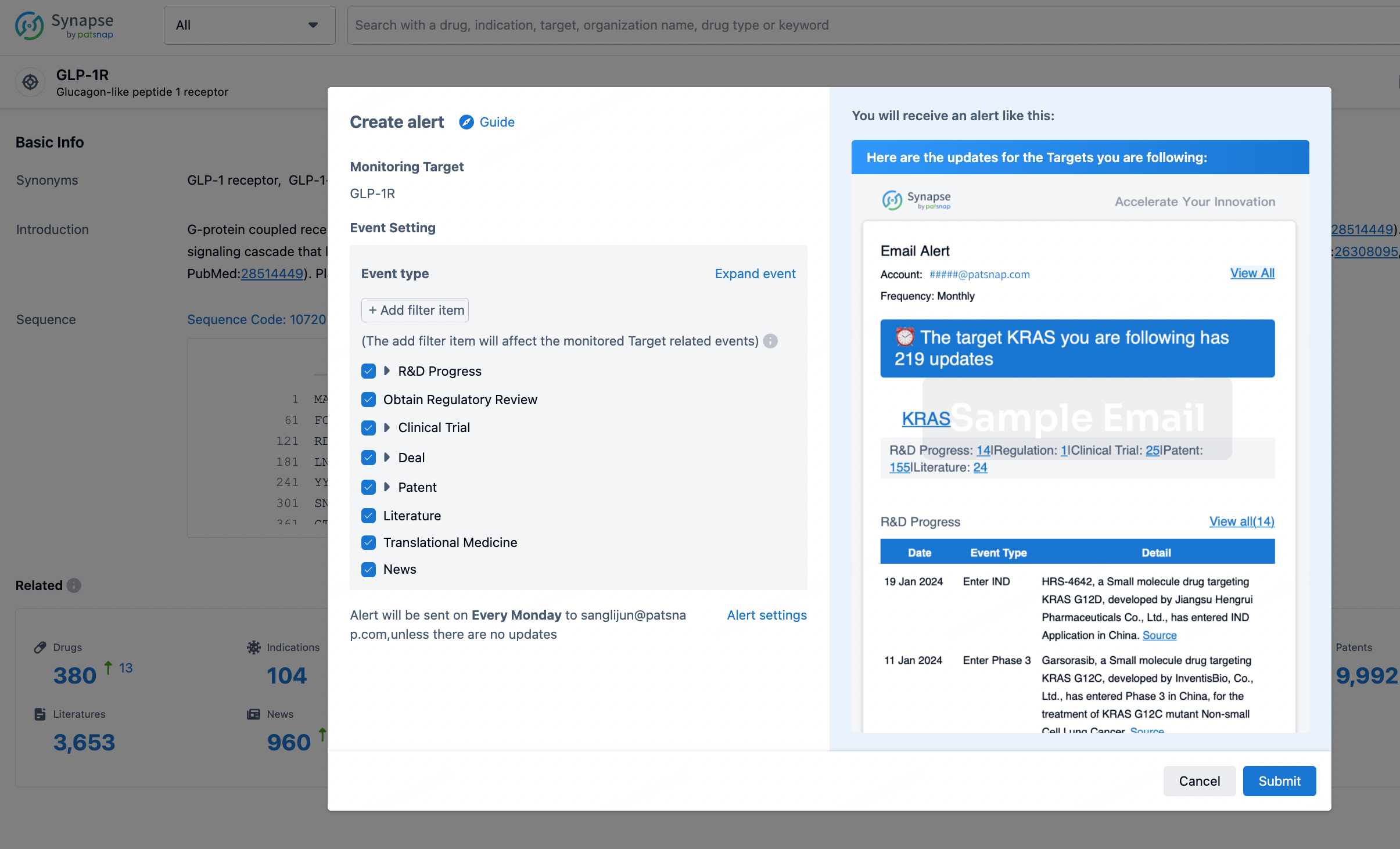
In the Synapse database, you can stay updated on the latest research and development advances of all targets. This service is accessible anytime and anywhere, with updates available daily or weekly. Use the "Set Alert" function to stay informed. Click on the image below to embark on a brand new journey of drug discovery!

AI Agents Built for Biopharma Breakthroughs
Accelerate discovery. Empower decisions. Transform outcomes.
Get started for free today!
Accelerate Strategic R&D decision making with Synapse, PatSnap’s AI-powered Connected Innovation Intelligence Platform Built for Life Sciences Professionals.
Start your data trial now!
Synapse data is also accessible to external entities via APIs or data packages. Empower better decisions with the latest in pharmaceutical intelligence.