Request Demo
What are IFNβ stimulants and how do they work?
21 June 2024
Interferon-beta (IFNβ) stimulants are a class of medications that have become integral to the treatment of several autoimmune and viral conditions. These substances are designed to enhance the body's natural production of IFNβ, a type of protein that plays a critical role in the immune response. By bolstering the levels of this protein, IFNβ stimulants help modulate the immune system and can significantly alter the course of certain diseases.
The human body's immune system is a complex network of cells and proteins designed to protect against infections and other ailments. One of the key players in this defense mechanism is interferon-beta. IFNβ is a cytokine, a small protein that is released by cells in response to pathogens such as viruses. It has antiviral, antiproliferative, and immunomodulatory properties, making it essential for maintaining health. IFNβ stimulants work by promoting the body's natural production of this crucial protein, thereby enhancing the immune system's ability to fight off infections and control abnormal immune responses.
The mechanism of action of IFNβ stimulants is quite fascinating. When a virus infects a cell, the cell’s innate immune system detects the intruder through pattern recognition receptors (PRRs). This detection triggers the production of interferons, including IFNβ. Once released, IFNβ binds to specific receptors on the surface of neighboring cells. This binding initiates a cascade of biochemical events within the cells, leading to the activation of genes involved in antiviral responses. By stimulating the production of IFNβ, these medications amplify this natural process.
Additionally, IFNβ has the ability to modulate the immune system by influencing various types of immune cells. For instance, IFNβ can reduce the activity of T cells that are involved in autoimmune responses, thereby decreasing inflammation and tissue damage. It also affects dendritic cells, which are crucial for antigen presentation and the activation of other immune cells. By acting on multiple facets of the immune system, IFNβ stimulants provide a broad-spectrum approach to disease management.
IFNβ stimulants are primarily used in the treatment of multiple sclerosis (MS), a debilitating autoimmune disease that affects the central nervous system. In MS, the immune system mistakenly attacks the protective covering of nerve fibers, leading to inflammation and scarring. This disrupts communication between the brain and the rest of the body, resulting in a range of symptoms, from muscle weakness to cognitive difficulties. IFNβ stimulants help reduce the frequency and severity of MS relapses and slow the progression of the disease.
Beyond multiple sclerosis, IFNβ stimulants have also shown promise in treating other conditions. For instance, they are being explored as potential therapies for certain viral infections, such as Hepatitis C and COVID-19. These infections can cause severe complications, and enhancing the body's natural antiviral responses through IFNβ stimulation could offer a novel treatment approach. Research is ongoing to determine the efficacy and safety of IFNβ stimulants in these contexts.
Moreover, IFNβ stimulants have been investigated for their potential in managing other autoimmune diseases, such as systemic lupus erythematosus (SLE) and rheumatoid arthritis (RA). These conditions, like MS, involve an overactive immune response that leads to chronic inflammation and tissue damage. By modulating the immune system, IFNβ stimulants could potentially alleviate symptoms and improve the quality of life for patients with these diseases.
In conclusion, IFNβ stimulants represent a significant advancement in the field of immunotherapy. By enhancing the body's natural immune responses, these medications offer a powerful tool for managing a variety of autoimmune and viral diseases. While multiple sclerosis remains the primary indication for IFNβ stimulants, ongoing research continues to uncover new potential applications, promising a broader impact in the future. As our understanding of the immune system deepens, IFNβ stimulants are likely to play an increasingly important role in disease management and therapy.
The human body's immune system is a complex network of cells and proteins designed to protect against infections and other ailments. One of the key players in this defense mechanism is interferon-beta. IFNβ is a cytokine, a small protein that is released by cells in response to pathogens such as viruses. It has antiviral, antiproliferative, and immunomodulatory properties, making it essential for maintaining health. IFNβ stimulants work by promoting the body's natural production of this crucial protein, thereby enhancing the immune system's ability to fight off infections and control abnormal immune responses.
The mechanism of action of IFNβ stimulants is quite fascinating. When a virus infects a cell, the cell’s innate immune system detects the intruder through pattern recognition receptors (PRRs). This detection triggers the production of interferons, including IFNβ. Once released, IFNβ binds to specific receptors on the surface of neighboring cells. This binding initiates a cascade of biochemical events within the cells, leading to the activation of genes involved in antiviral responses. By stimulating the production of IFNβ, these medications amplify this natural process.
Additionally, IFNβ has the ability to modulate the immune system by influencing various types of immune cells. For instance, IFNβ can reduce the activity of T cells that are involved in autoimmune responses, thereby decreasing inflammation and tissue damage. It also affects dendritic cells, which are crucial for antigen presentation and the activation of other immune cells. By acting on multiple facets of the immune system, IFNβ stimulants provide a broad-spectrum approach to disease management.
IFNβ stimulants are primarily used in the treatment of multiple sclerosis (MS), a debilitating autoimmune disease that affects the central nervous system. In MS, the immune system mistakenly attacks the protective covering of nerve fibers, leading to inflammation and scarring. This disrupts communication between the brain and the rest of the body, resulting in a range of symptoms, from muscle weakness to cognitive difficulties. IFNβ stimulants help reduce the frequency and severity of MS relapses and slow the progression of the disease.
Beyond multiple sclerosis, IFNβ stimulants have also shown promise in treating other conditions. For instance, they are being explored as potential therapies for certain viral infections, such as Hepatitis C and COVID-19. These infections can cause severe complications, and enhancing the body's natural antiviral responses through IFNβ stimulation could offer a novel treatment approach. Research is ongoing to determine the efficacy and safety of IFNβ stimulants in these contexts.
Moreover, IFNβ stimulants have been investigated for their potential in managing other autoimmune diseases, such as systemic lupus erythematosus (SLE) and rheumatoid arthritis (RA). These conditions, like MS, involve an overactive immune response that leads to chronic inflammation and tissue damage. By modulating the immune system, IFNβ stimulants could potentially alleviate symptoms and improve the quality of life for patients with these diseases.
In conclusion, IFNβ stimulants represent a significant advancement in the field of immunotherapy. By enhancing the body's natural immune responses, these medications offer a powerful tool for managing a variety of autoimmune and viral diseases. While multiple sclerosis remains the primary indication for IFNβ stimulants, ongoing research continues to uncover new potential applications, promising a broader impact in the future. As our understanding of the immune system deepens, IFNβ stimulants are likely to play an increasingly important role in disease management and therapy.
How to obtain the latest development progress of all targets?
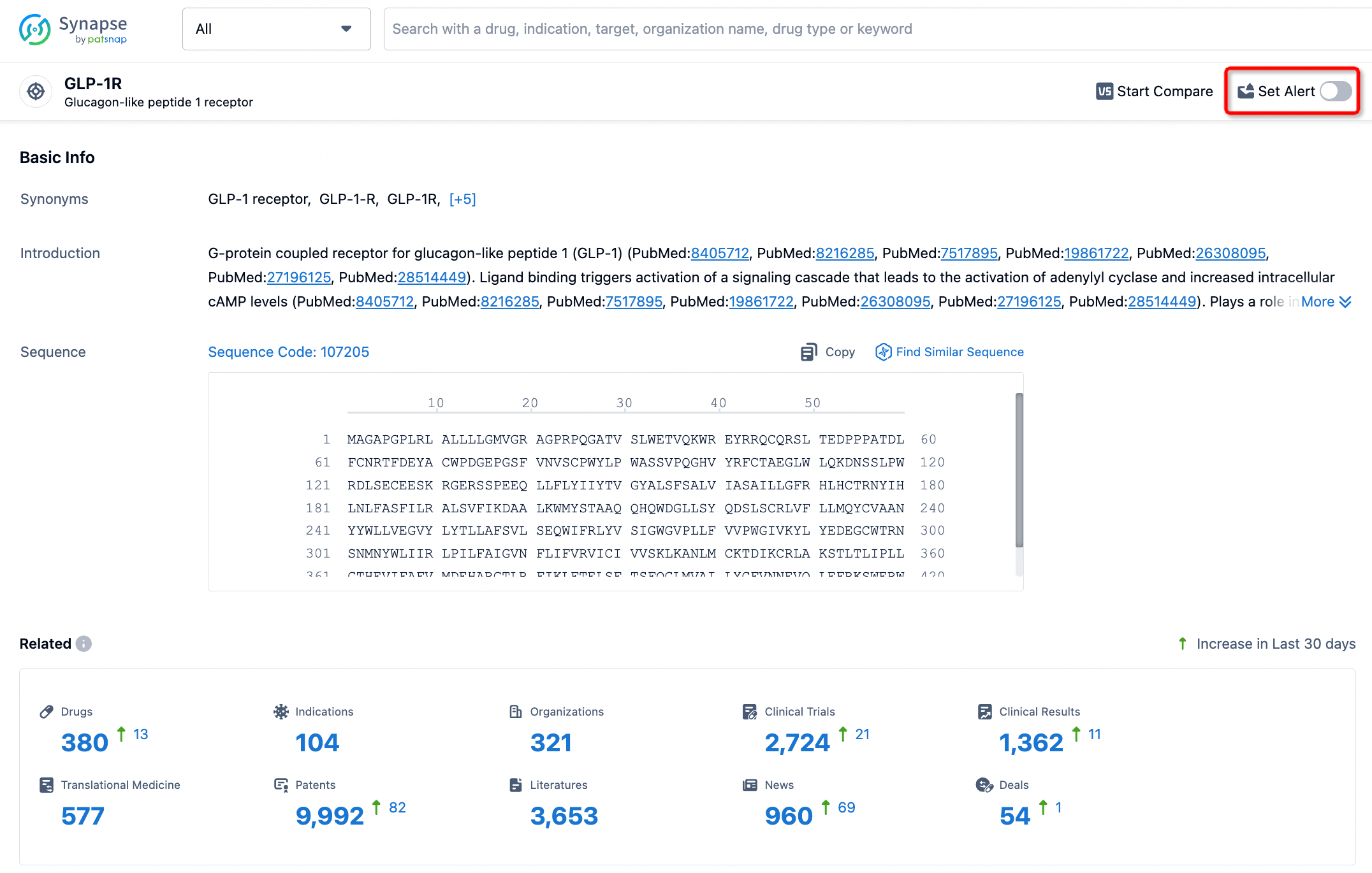
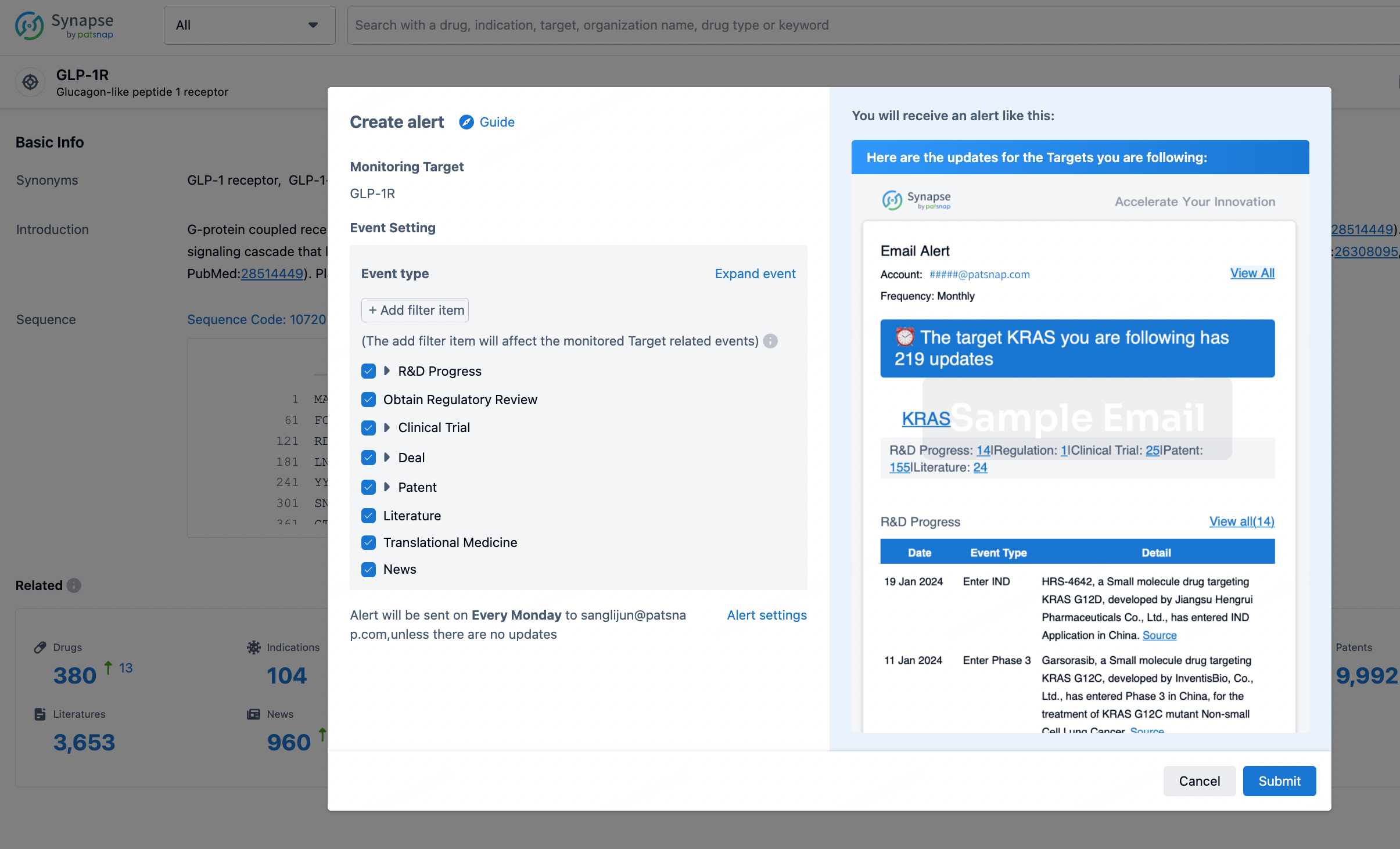
In the Synapse database, you can stay updated on the latest research and development advances of all targets. This service is accessible anytime and anywhere, with updates available daily or weekly. Use the "Set Alert" function to stay informed. Click on the image below to embark on a brand new journey of drug discovery!
AI Agents Built for Biopharma Breakthroughs
Accelerate discovery. Empower decisions. Transform outcomes.
Get started for free today!
Accelerate Strategic R&D decision making with Synapse, PatSnap’s AI-powered Connected Innovation Intelligence Platform Built for Life Sciences Professionals.
Start your data trial now!
Synapse data is also accessible to external entities via APIs or data packages. Empower better decisions with the latest in pharmaceutical intelligence.