Request Demo
What are IGF2BP1 modulators and how do they work?
26 June 2024
The burgeoning field of RNA-binding proteins has garnered significant attention over the past few years, with IGF2BP1 (Insulin-like Growth Factor 2 mRNA-binding Protein 1) standing out as one of the most compelling targets for therapeutic intervention. IGF2BP1, a member of a family of proteins that also includes IGF2BP2 and IGF2BP3, plays a critical role in mRNA stability, localization, and translation. In this blog post, we will delve into the intriguing world of IGF2BP1 modulators, elucidate their mechanisms of action, and explore their potential applications in medicine.
IGF2BP1 modulators are compounds or molecules that can either inhibit or enhance the activity of IGF2BP1. These modulators can be small molecules, peptides, or even RNA-based therapeutics like small interfering RNAs (siRNAs) and antisense oligonucleotides (ASOs). By interacting with IGF2BP1, these modulators can influence the protein’s ability to bind its mRNA targets, thereby altering the expression of a plethora of genes involved in critical cellular processes such as proliferation, differentiation, and survival.
Understanding how IGF2BP1 modulators work necessitates a closer look at the molecular architecture and function of IGF2BP1 itself. IGF2BP1 contains several RNA-recognition motifs (RRMs) and KH domains, which enable it to bind to specific RNA sequences. Upon binding to its target mRNAs, IGF2BP1 can stabilize these mRNAs, protect them from degradation, and facilitate their translation into proteins. IGF2BP1 modulators typically work by either blocking these RNA-binding domains or altering their configuration, thereby preventing IGF2BP1 from interacting with its target mRNAs. For instance, small molecule inhibitors might bind to the RRMs or KH domains, whereas RNA-based therapies might sequester the IGF2BP1 protein or degrade its mRNA targets.
The therapeutic potential of IGF2BP1 modulators is immense, given the protein’s involvement in various pathophysiological conditions. One of the most promising applications is in oncology. IGF2BP1 is often overexpressed in several types of cancer, including colorectal, breast, and lung cancers. By stabilizing mRNAs that code for oncogenic proteins, IGF2BP1 contributes to tumor growth and metastasis. Inhibitors of IGF2BP1 can disrupt this process, reducing tumor proliferation and potentially enhancing the efficacy of existing chemotherapy agents. Preclinical studies have shown that targeting IGF2BP1 can lead to significant tumor regression in animal models, laying the groundwork for future clinical trials.
In addition to cancer, IGF2BP1 modulators may have applications in regenerative medicine. IGF2BP1 is known to play a role in stem cell maintenance and differentiation. Modulating its activity could therefore influence stem cell fate decisions, which is crucial for tissue repair and regeneration. For example, enhancing the activity of IGF2BP1 in neural stem cells might promote their differentiation into neurons, offering potential treatments for neurodegenerative diseases like Parkinson’s or Alzheimer’s.
Moreover, IGF2BP1 modulators could be instrumental in treating metabolic disorders. IGF2BP1 is involved in the regulation of insulin signaling pathways, and its dysregulation has been linked to conditions such as diabetes and obesity. By fine-tuning the activity of IGF2BP1, it may be possible to restore normal insulin sensitivity and glucose metabolism, providing a novel approach to managing these widespread health issues.
Despite the promising potential, the development of IGF2BP1 modulators is not without challenges. Achieving specificity is a significant hurdle, given the structural similarities between IGF2BP1 and its family members, IGF2BP2 and IGF2BP3. Off-target effects could lead to unintended consequences, complicating the clinical application of these modulators. Additionally, the delivery of RNA-based therapies poses its own set of challenges, including stability, cellular uptake, and immune response.
In conclusion, IGF2BP1 modulators represent a cutting-edge frontier in therapeutic development with wide-ranging applications from oncology to regenerative medicine and metabolic disorders. As research continues to unravel the complexities of IGF2BP1 function and its role in disease, the future holds great promise for these novel therapeutic agents.
IGF2BP1 modulators are compounds or molecules that can either inhibit or enhance the activity of IGF2BP1. These modulators can be small molecules, peptides, or even RNA-based therapeutics like small interfering RNAs (siRNAs) and antisense oligonucleotides (ASOs). By interacting with IGF2BP1, these modulators can influence the protein’s ability to bind its mRNA targets, thereby altering the expression of a plethora of genes involved in critical cellular processes such as proliferation, differentiation, and survival.
Understanding how IGF2BP1 modulators work necessitates a closer look at the molecular architecture and function of IGF2BP1 itself. IGF2BP1 contains several RNA-recognition motifs (RRMs) and KH domains, which enable it to bind to specific RNA sequences. Upon binding to its target mRNAs, IGF2BP1 can stabilize these mRNAs, protect them from degradation, and facilitate their translation into proteins. IGF2BP1 modulators typically work by either blocking these RNA-binding domains or altering their configuration, thereby preventing IGF2BP1 from interacting with its target mRNAs. For instance, small molecule inhibitors might bind to the RRMs or KH domains, whereas RNA-based therapies might sequester the IGF2BP1 protein or degrade its mRNA targets.
The therapeutic potential of IGF2BP1 modulators is immense, given the protein’s involvement in various pathophysiological conditions. One of the most promising applications is in oncology. IGF2BP1 is often overexpressed in several types of cancer, including colorectal, breast, and lung cancers. By stabilizing mRNAs that code for oncogenic proteins, IGF2BP1 contributes to tumor growth and metastasis. Inhibitors of IGF2BP1 can disrupt this process, reducing tumor proliferation and potentially enhancing the efficacy of existing chemotherapy agents. Preclinical studies have shown that targeting IGF2BP1 can lead to significant tumor regression in animal models, laying the groundwork for future clinical trials.
In addition to cancer, IGF2BP1 modulators may have applications in regenerative medicine. IGF2BP1 is known to play a role in stem cell maintenance and differentiation. Modulating its activity could therefore influence stem cell fate decisions, which is crucial for tissue repair and regeneration. For example, enhancing the activity of IGF2BP1 in neural stem cells might promote their differentiation into neurons, offering potential treatments for neurodegenerative diseases like Parkinson’s or Alzheimer’s.
Moreover, IGF2BP1 modulators could be instrumental in treating metabolic disorders. IGF2BP1 is involved in the regulation of insulin signaling pathways, and its dysregulation has been linked to conditions such as diabetes and obesity. By fine-tuning the activity of IGF2BP1, it may be possible to restore normal insulin sensitivity and glucose metabolism, providing a novel approach to managing these widespread health issues.
Despite the promising potential, the development of IGF2BP1 modulators is not without challenges. Achieving specificity is a significant hurdle, given the structural similarities between IGF2BP1 and its family members, IGF2BP2 and IGF2BP3. Off-target effects could lead to unintended consequences, complicating the clinical application of these modulators. Additionally, the delivery of RNA-based therapies poses its own set of challenges, including stability, cellular uptake, and immune response.
In conclusion, IGF2BP1 modulators represent a cutting-edge frontier in therapeutic development with wide-ranging applications from oncology to regenerative medicine and metabolic disorders. As research continues to unravel the complexities of IGF2BP1 function and its role in disease, the future holds great promise for these novel therapeutic agents.
How to obtain the latest development progress of all targets?
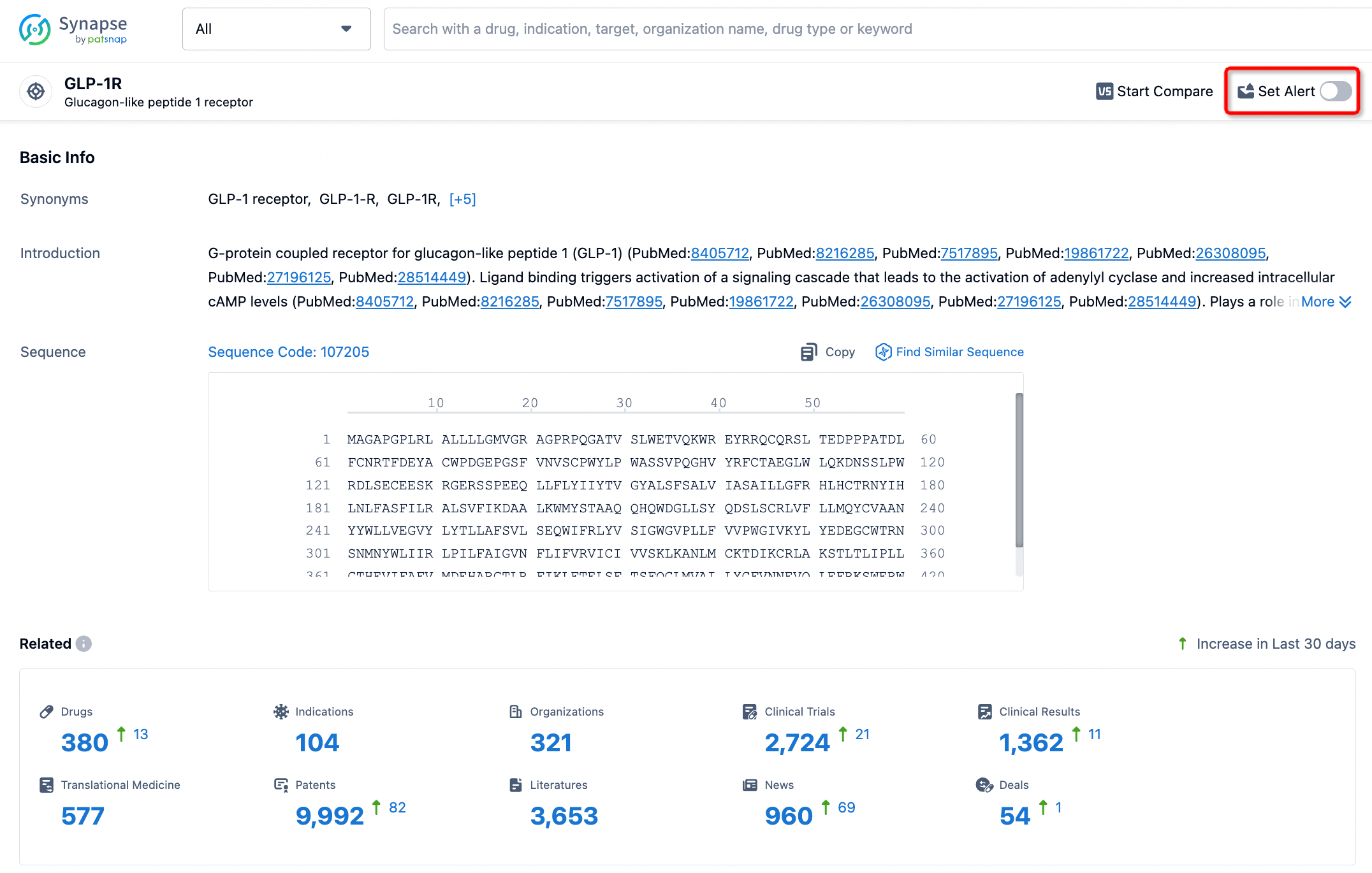
In the Synapse database, you can stay updated on the latest research and development advances of all targets. This service is accessible anytime and anywhere, with updates available daily or weekly. Use the "Set Alert" function to stay informed. Click on the image below to embark on a brand new journey of drug discovery!


Hiro LS Researcher
The AI Search Engine Built to Accelerate Biopharma Decisions
Search across billion-scale life sciences data to uncover signals, validate evidence, and act with confidence.
Ask any biopharma research question→
Get started for free today!
Accelerate Strategic R&D decision making with Synapse, Patsnap’s AI-powered Connected Innovation Intelligence Platform Built for Life Sciences Professionals.
Discover Synapse Data Servers
Synapse data is now integrated into the PatSnap LS Model Context Protocol (MCP) service. Customize your LLM agent now using our MCP server!