Request Demo
What are IL-12R stimulants and how do they work?
21 June 2024
The immune system is a complex network of cells, tissues, and organs working in harmony to protect the body from harmful invaders such as bacteria, viruses, and cancer cells. Integral to this system are cytokines, small proteins that facilitate communication between immune cells. Interleukin-12 (IL-12) is one such cytokine, playing a pivotal role in the body's defense mechanism. IL-12 exerts its effects through the IL-12 receptor (IL-12R), making IL-12R stimulants a topic of considerable interest in immunotherapy and pharmaceutical research. This blog post delves into the mechanisms, applications, and potential of IL-12R stimulants.
IL-12R stimulants operate by binding to the IL-12 receptor on the surface of immune cells such as T-cells and natural killer (NK) cells. IL-12R is a heterodimeric receptor composed of two subunits, IL-12Rβ1 and IL-12Rβ2. When IL-12 binds to this receptor, it triggers a cascade of intracellular signaling pathways that lead to the activation and proliferation of these immune cells. Importantly, IL-12R engagement results in the production of interferon-gamma (IFN-γ), a cytokine critical for the immune response against intracellular pathogens and tumor cells.
The activation of IL-12R not only boosts the cytotoxic activity of NK cells but also enhances the differentiation of naïve T cells into Th1 cells. Th1 cells produce IFN-γ and other pro-inflammatory cytokines, which are crucial for the eradication of intracellular pathogens and tumor cells. This makes IL-12R stimulants particularly effective in mounting a robust immune response. Furthermore, the IL-12/IL-12R axis has been shown to promote the expression of major histocompatibility complex (MHC) class I molecules, enhancing the ability of immune cells to recognize and destroy infected or malignant cells.
IL-12R stimulants have garnered attention for their potential in treating a variety of conditions, particularly those involving immune dysregulation or malignancy. One of the primary applications of IL-12R stimulants is in cancer immunotherapy. Traditional cancer treatments, such as chemotherapy and radiation, can be effective but often come with significant side effects and risks. IL-12R stimulants offer a targeted approach to boost the body's natural immune response against cancer cells. Clinical trials have investigated the efficacy of IL-12R stimulants in treating melanoma, renal cell carcinoma, and other forms of cancer, with promising results.
In addition to cancer, IL-12R stimulants are being explored for their potential in treating infectious diseases. Given their ability to enhance the immune response, these stimulants could be particularly beneficial in combating chronic infections where the immune system struggles to clear the pathogen. For example, research is ongoing to evaluate the effectiveness of IL-12R stimulants in treating viral infections like HIV and hepatitis C.
IL-12R stimulants also hold promise for autoimmune and inflammatory diseases. Conditions such as rheumatoid arthritis and Crohn's disease are characterized by an imbalance in cytokine production, leading to chronic inflammation and tissue damage. By modulating the immune response, IL-12R stimulants could theoretically restore balance and alleviate symptoms in these conditions. However, this application is still in the experimental stages, and more research is needed to fully understand the therapeutic potential and safety profile of IL-12R stimulants in autoimmune diseases.
Moreover, the versatility of IL-12R stimulants extends to vaccine adjuvants. Adjuvants are substances that enhance the body's immune response to an antigen. By incorporating IL-12R stimulants into vaccines, it may be possible to create more effective immunizations, particularly for diseases where traditional vaccines have limited efficacy.
In summary, IL-12R stimulants represent a promising avenue for enhancing the immune response in a variety of clinical settings. By targeting the IL-12/IL-12R axis, these stimulants can boost the activity of T cells and NK cells, leading to improved outcomes in cancer, infectious diseases, and potentially autoimmune disorders. As research continues, the full therapeutic potential of IL-12R stimulants will undoubtedly become clearer, offering hope for more effective and targeted treatments in the future.
IL-12R stimulants operate by binding to the IL-12 receptor on the surface of immune cells such as T-cells and natural killer (NK) cells. IL-12R is a heterodimeric receptor composed of two subunits, IL-12Rβ1 and IL-12Rβ2. When IL-12 binds to this receptor, it triggers a cascade of intracellular signaling pathways that lead to the activation and proliferation of these immune cells. Importantly, IL-12R engagement results in the production of interferon-gamma (IFN-γ), a cytokine critical for the immune response against intracellular pathogens and tumor cells.
The activation of IL-12R not only boosts the cytotoxic activity of NK cells but also enhances the differentiation of naïve T cells into Th1 cells. Th1 cells produce IFN-γ and other pro-inflammatory cytokines, which are crucial for the eradication of intracellular pathogens and tumor cells. This makes IL-12R stimulants particularly effective in mounting a robust immune response. Furthermore, the IL-12/IL-12R axis has been shown to promote the expression of major histocompatibility complex (MHC) class I molecules, enhancing the ability of immune cells to recognize and destroy infected or malignant cells.
IL-12R stimulants have garnered attention for their potential in treating a variety of conditions, particularly those involving immune dysregulation or malignancy. One of the primary applications of IL-12R stimulants is in cancer immunotherapy. Traditional cancer treatments, such as chemotherapy and radiation, can be effective but often come with significant side effects and risks. IL-12R stimulants offer a targeted approach to boost the body's natural immune response against cancer cells. Clinical trials have investigated the efficacy of IL-12R stimulants in treating melanoma, renal cell carcinoma, and other forms of cancer, with promising results.
In addition to cancer, IL-12R stimulants are being explored for their potential in treating infectious diseases. Given their ability to enhance the immune response, these stimulants could be particularly beneficial in combating chronic infections where the immune system struggles to clear the pathogen. For example, research is ongoing to evaluate the effectiveness of IL-12R stimulants in treating viral infections like HIV and hepatitis C.
IL-12R stimulants also hold promise for autoimmune and inflammatory diseases. Conditions such as rheumatoid arthritis and Crohn's disease are characterized by an imbalance in cytokine production, leading to chronic inflammation and tissue damage. By modulating the immune response, IL-12R stimulants could theoretically restore balance and alleviate symptoms in these conditions. However, this application is still in the experimental stages, and more research is needed to fully understand the therapeutic potential and safety profile of IL-12R stimulants in autoimmune diseases.
Moreover, the versatility of IL-12R stimulants extends to vaccine adjuvants. Adjuvants are substances that enhance the body's immune response to an antigen. By incorporating IL-12R stimulants into vaccines, it may be possible to create more effective immunizations, particularly for diseases where traditional vaccines have limited efficacy.
In summary, IL-12R stimulants represent a promising avenue for enhancing the immune response in a variety of clinical settings. By targeting the IL-12/IL-12R axis, these stimulants can boost the activity of T cells and NK cells, leading to improved outcomes in cancer, infectious diseases, and potentially autoimmune disorders. As research continues, the full therapeutic potential of IL-12R stimulants will undoubtedly become clearer, offering hope for more effective and targeted treatments in the future.
How to obtain the latest development progress of all targets?
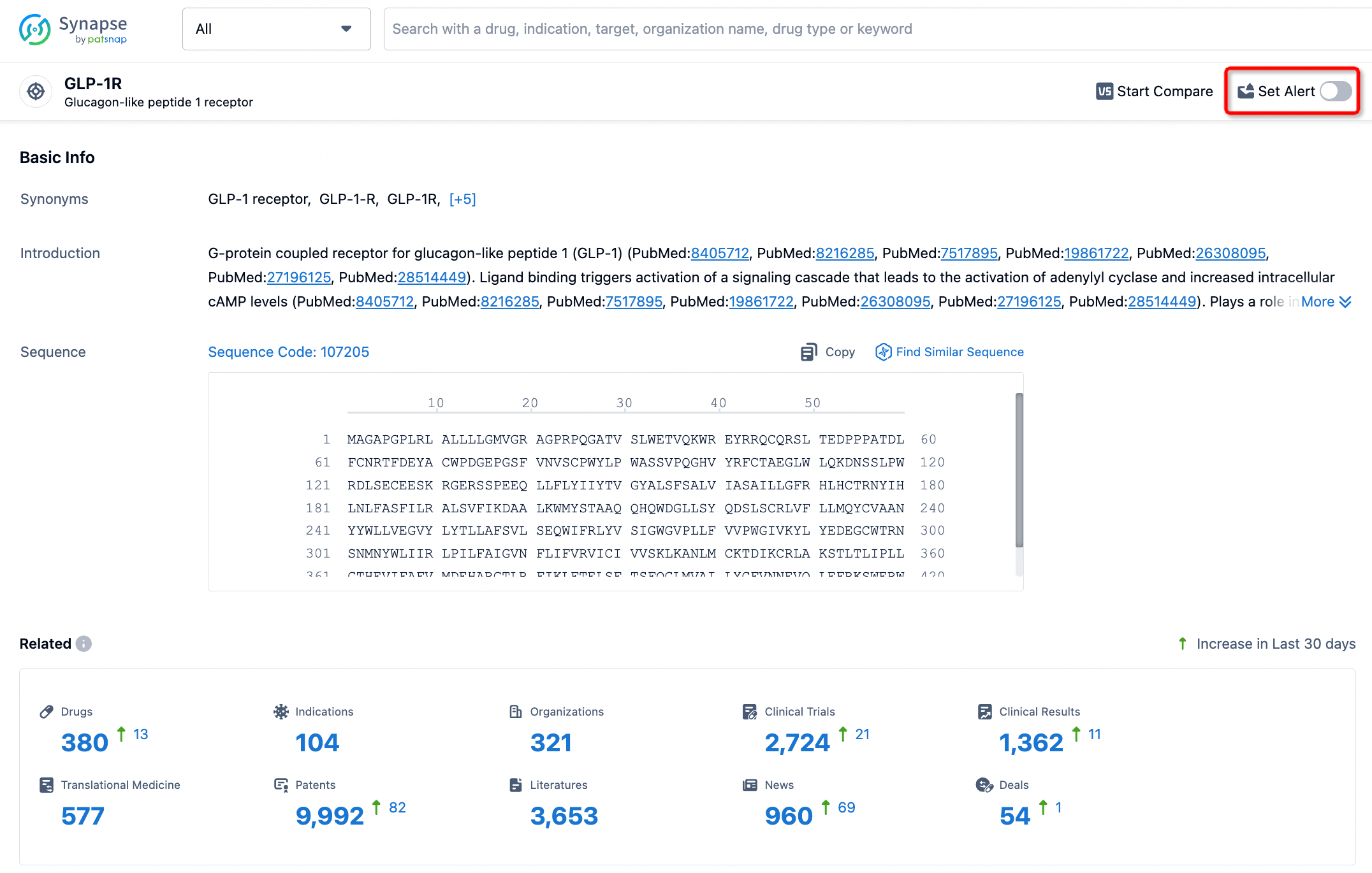
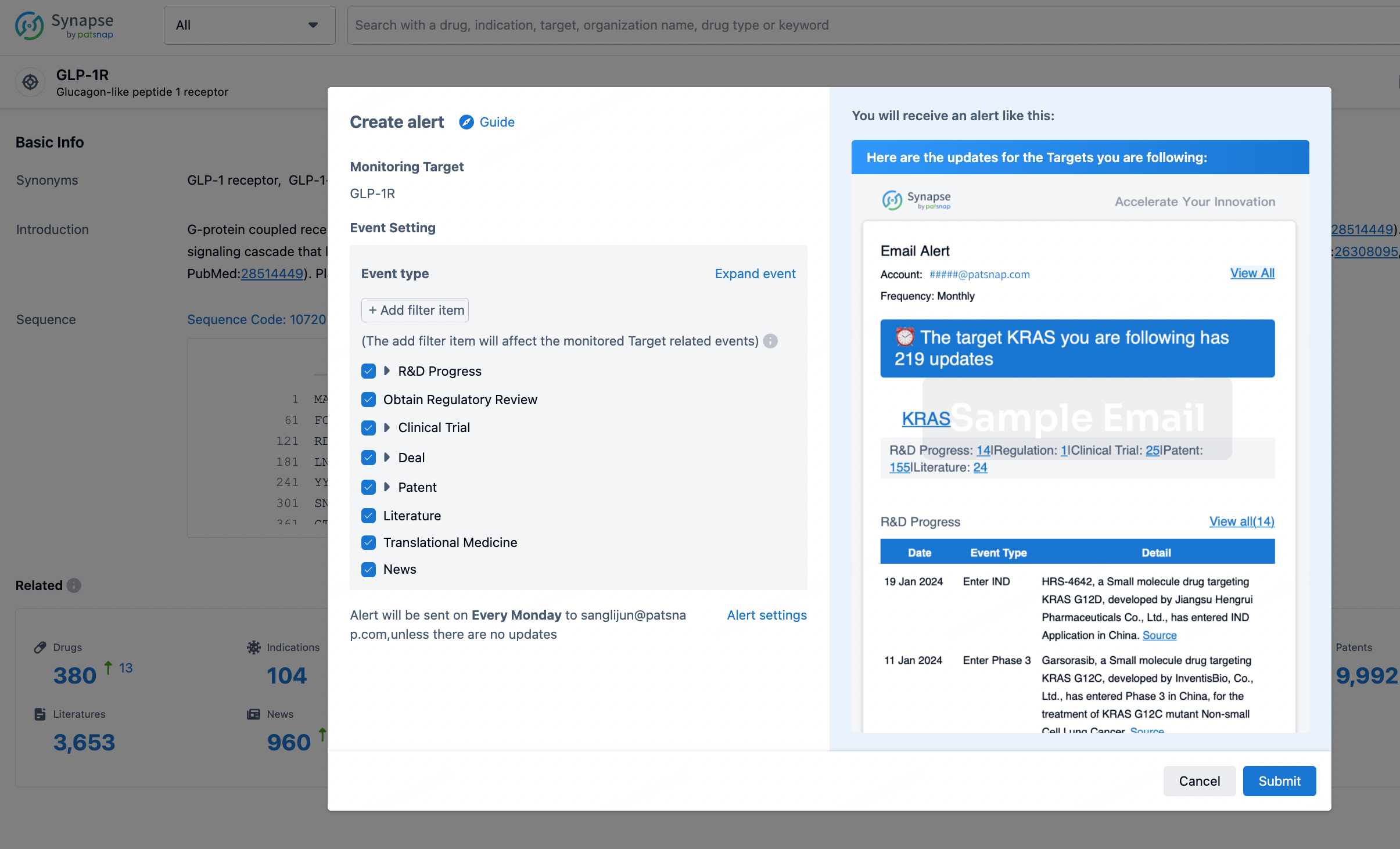
In the Synapse database, you can stay updated on the latest research and development advances of all targets. This service is accessible anytime and anywhere, with updates available daily or weekly. Use the "Set Alert" function to stay informed. Click on the image below to embark on a brand new journey of drug discovery!
AI Agents Built for Biopharma Breakthroughs
Accelerate discovery. Empower decisions. Transform outcomes.
Get started for free today!
Accelerate Strategic R&D decision making with Synapse, PatSnap’s AI-powered Connected Innovation Intelligence Platform Built for Life Sciences Professionals.
Start your data trial now!
Synapse data is also accessible to external entities via APIs or data packages. Empower better decisions with the latest in pharmaceutical intelligence.