Request Demo
What are IL-1β stimulants and how do they work?
25 June 2024
Interleukin-1 beta (IL-1β) is a cytokine that plays a crucial role in the inflammatory response of the immune system. As a primary mediator of inflammation, IL-1β is involved in a wide array of physiological and pathological processes. IL-1β stimulants are agents that can enhance the production or activity of this cytokine, thereby modulating the immune response. Understanding these stimulants is essential for their potential therapeutic applications and their role in disease pathology.
IL-1β stimulants work by activating pathways that lead to the production and secretion of IL-1β from immune cells, predominantly macrophages and monocytes. The process begins with the recognition of pathogen-associated molecular patterns (PAMPs) or damage-associated molecular patterns (DAMPs) by pattern recognition receptors (PRRs) such as Toll-like receptors (TLRs). This recognition triggers a signaling cascade that activates nuclear factor kappa-light-chain-enhancer of activated B cells (NF-κB) and other transcription factors, which then promote the transcription of the IL-1β gene.
Once IL-1β is synthesized as an inactive pro-protein, it requires further processing to become biologically active. This processing is typically mediated by the inflammasome, a multi-protein complex that activates caspase-1. Activated caspase-1 cleaves pro-IL-1β into its active form, IL-1β, which is then secreted out of the cell. By enhancing either the initial signaling pathways or the activity of the inflammasome, IL-1β stimulants increase the levels of active IL-1β, thus amplifying the inflammatory response.
IL-1β stimulants have several therapeutic and research applications. One of their primary uses is in the field of immunotherapy, particularly for diseases where the modulation of the immune response can be beneficial. For example, in cancer treatment, IL-1β stimulants can be used to boost the body's immune response against tumor cells. By increasing IL-1β levels, these stimulants can enhance the infiltration of immune cells into the tumor microenvironment, thereby improving the ability of the immune system to target and destroy cancer cells.
Another significant application is in vaccine adjuvants. Adjuvants are substances that enhance the body's immune response to an antigen. IL-1β stimulants can serve as adjuvants by promoting a more robust and sustained immune response to the vaccine. This is particularly useful in the development of vaccines for pathogens that elicit a weak immune response or in populations with a diminished immunogenic capacity, such as the elderly.
In addition to therapeutic applications, IL-1β stimulants are valuable tools in immunological research. They are used to study the mechanisms of inflammation and the role of IL-1β in various diseases. By manipulating IL-1β levels in experimental models, researchers can gain insights into the cytokine's involvement in conditions such as autoimmune diseases, chronic inflammation, and metabolic disorders.
However, while IL-1β stimulants have promising applications, their use must be carefully controlled due to the potent nature of IL-1β. Excessive IL-1β activity can lead to detrimental effects, including severe inflammation, tissue damage, and the exacerbation of inflammatory diseases. Therefore, understanding the balance between beneficial and harmful effects is crucial for the safe and effective use of IL-1β stimulants.
In conclusion, IL-1β stimulants are powerful agents that enhance the production and activity of IL-1β, a key cytokine in the inflammatory response. They work by activating signaling pathways that lead to the synthesis and secretion of active IL-1β. These stimulants have important applications in immunotherapy, vaccine development, and immunological research. However, their potent effects necessitate careful control to avoid adverse outcomes. As our understanding of IL-1β and its stimulants continues to grow, so too will their potential to contribute to medical science and therapeutic advancements.
IL-1β stimulants work by activating pathways that lead to the production and secretion of IL-1β from immune cells, predominantly macrophages and monocytes. The process begins with the recognition of pathogen-associated molecular patterns (PAMPs) or damage-associated molecular patterns (DAMPs) by pattern recognition receptors (PRRs) such as Toll-like receptors (TLRs). This recognition triggers a signaling cascade that activates nuclear factor kappa-light-chain-enhancer of activated B cells (NF-κB) and other transcription factors, which then promote the transcription of the IL-1β gene.
Once IL-1β is synthesized as an inactive pro-protein, it requires further processing to become biologically active. This processing is typically mediated by the inflammasome, a multi-protein complex that activates caspase-1. Activated caspase-1 cleaves pro-IL-1β into its active form, IL-1β, which is then secreted out of the cell. By enhancing either the initial signaling pathways or the activity of the inflammasome, IL-1β stimulants increase the levels of active IL-1β, thus amplifying the inflammatory response.
IL-1β stimulants have several therapeutic and research applications. One of their primary uses is in the field of immunotherapy, particularly for diseases where the modulation of the immune response can be beneficial. For example, in cancer treatment, IL-1β stimulants can be used to boost the body's immune response against tumor cells. By increasing IL-1β levels, these stimulants can enhance the infiltration of immune cells into the tumor microenvironment, thereby improving the ability of the immune system to target and destroy cancer cells.
Another significant application is in vaccine adjuvants. Adjuvants are substances that enhance the body's immune response to an antigen. IL-1β stimulants can serve as adjuvants by promoting a more robust and sustained immune response to the vaccine. This is particularly useful in the development of vaccines for pathogens that elicit a weak immune response or in populations with a diminished immunogenic capacity, such as the elderly.
In addition to therapeutic applications, IL-1β stimulants are valuable tools in immunological research. They are used to study the mechanisms of inflammation and the role of IL-1β in various diseases. By manipulating IL-1β levels in experimental models, researchers can gain insights into the cytokine's involvement in conditions such as autoimmune diseases, chronic inflammation, and metabolic disorders.
However, while IL-1β stimulants have promising applications, their use must be carefully controlled due to the potent nature of IL-1β. Excessive IL-1β activity can lead to detrimental effects, including severe inflammation, tissue damage, and the exacerbation of inflammatory diseases. Therefore, understanding the balance between beneficial and harmful effects is crucial for the safe and effective use of IL-1β stimulants.
In conclusion, IL-1β stimulants are powerful agents that enhance the production and activity of IL-1β, a key cytokine in the inflammatory response. They work by activating signaling pathways that lead to the synthesis and secretion of active IL-1β. These stimulants have important applications in immunotherapy, vaccine development, and immunological research. However, their potent effects necessitate careful control to avoid adverse outcomes. As our understanding of IL-1β and its stimulants continues to grow, so too will their potential to contribute to medical science and therapeutic advancements.
How to obtain the latest development progress of all targets?
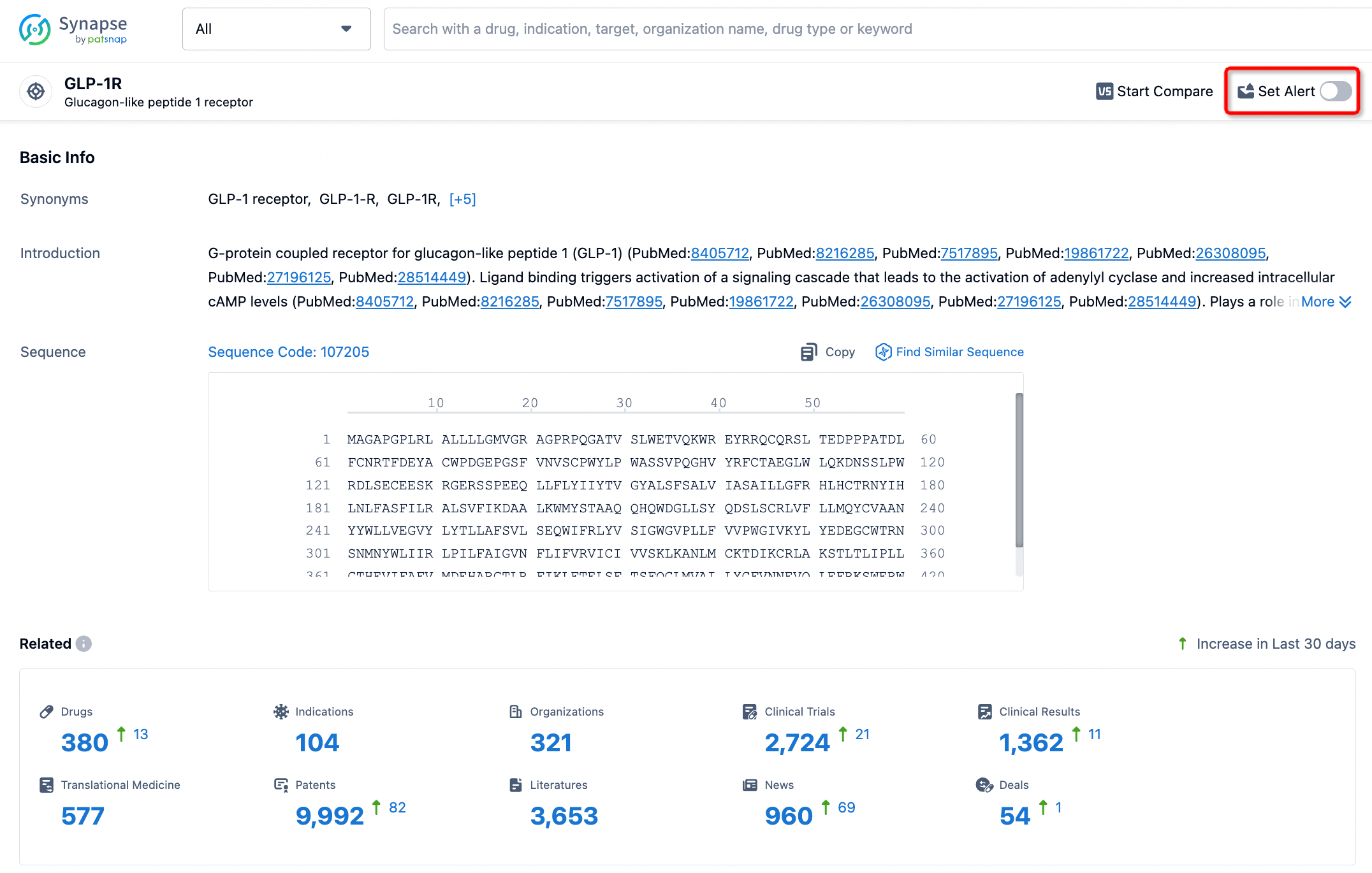
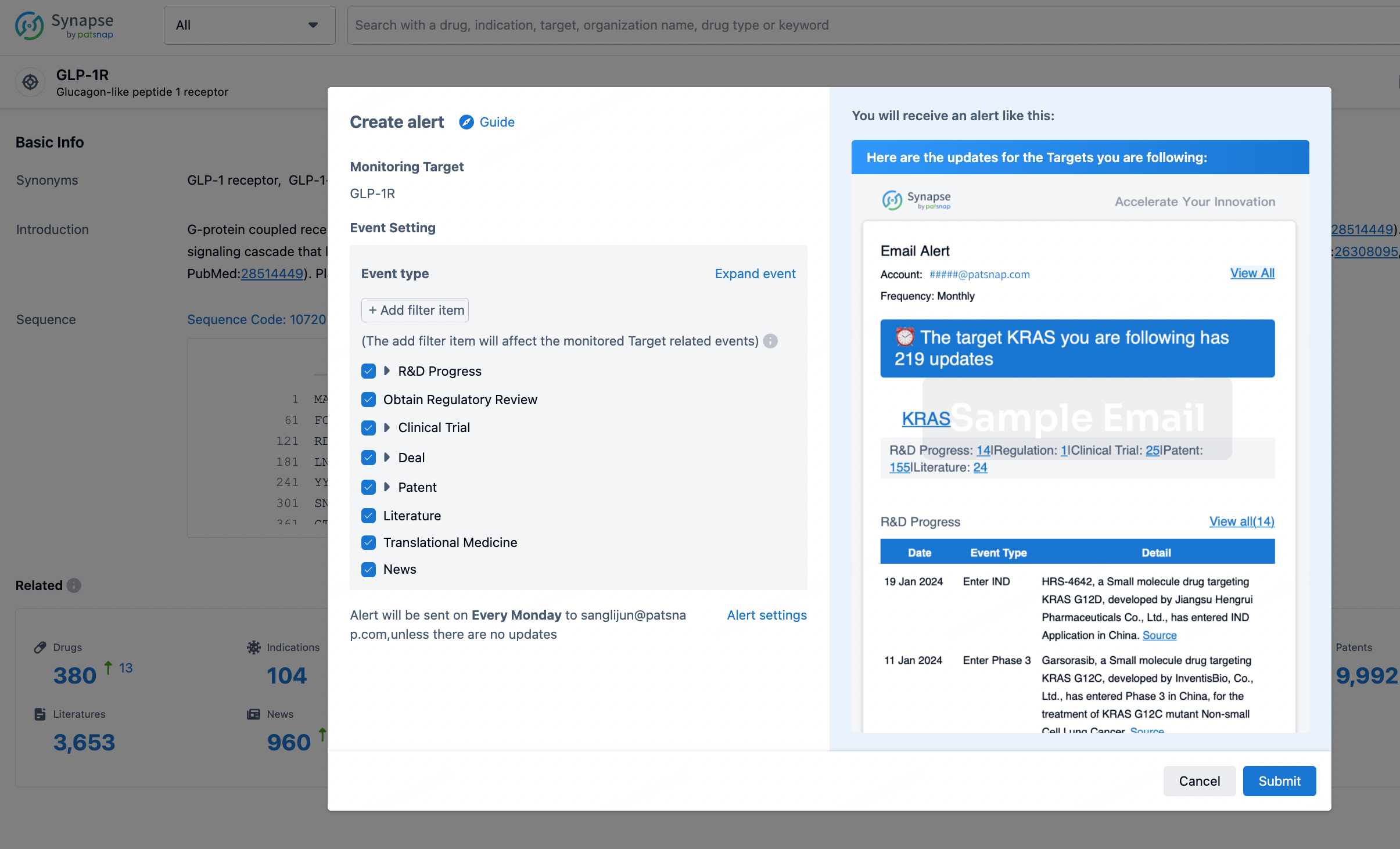
In the Synapse database, you can stay updated on the latest research and development advances of all targets. This service is accessible anytime and anywhere, with updates available daily or weekly. Use the "Set Alert" function to stay informed. Click on the image below to embark on a brand new journey of drug discovery!
AI Agents Built for Biopharma Breakthroughs
Accelerate discovery. Empower decisions. Transform outcomes.
Get started for free today!
Accelerate Strategic R&D decision making with Synapse, PatSnap’s AI-powered Connected Innovation Intelligence Platform Built for Life Sciences Professionals.
Start your data trial now!
Synapse data is also accessible to external entities via APIs or data packages. Empower better decisions with the latest in pharmaceutical intelligence.