Request Demo
What are ITGB4 agonists and how do they work?
25 June 2024
Introduction to ITGB4 Agonists
In recent years, the field of molecular biology has unveiled the pivotal roles that various integrins play in cellular communication, adhesion, and signaling. Among these integrins, the beta-4 integrin (ITGB4) has garnered significant attention due to its unique functions and therapeutic potential. ITGB4 is primarily expressed in epithelial cells and is a crucial component of hemidesmosomes, which are structures that anchor cells to the extracellular matrix. This integrin forms a heterodimer with the alpha-6 integrin subunit, collectively referred to as α6β4. ITGB4 agonists are molecules that can activate this integrin, potentially offering new therapeutic avenues for a range of diseases.
How Do ITGB4 Agonists Work?
ITGB4 agonists function by binding to the β4 integrin subunit, thereby modulating its activity. Normally, ITGB4 plays a vital role in maintaining the structural integrity of epithelial tissues. It does so by facilitating cell adhesion to the basement membrane through its interaction with laminin, a major component of the extracellular matrix. Upon activation, ITGB4 initiates a cascade of intracellular signaling pathways that influence cell survival, proliferation, migration, and differentiation.
One of the key pathways activated by ITGB4 is the phosphoinositide 3-kinase (PI3K)/Akt pathway, which is well-known for its role in promoting cell survival and growth. Additionally, ITGB4 activation can influence the Ras/MAPK pathway, which is involved in cell proliferation and differentiation. Through these pathways, ITGB4 agonists can potentially modulate various cellular outcomes, making them of great interest for therapeutic development.
What Are ITGB4 Agonists Used For?
The therapeutic potential of ITGB4 agonists is vast, spanning several medical fields. Here are some key areas where these molecules are being explored:
1. **Cancer Treatment:**
ITGB4 is often overexpressed in several types of cancer, including breast, colon, and pancreatic cancers. Its activation has been linked to enhanced tumor cell survival, invasion, and metastasis. Paradoxically, while ITGB4 overexpression is correlated with poor prognosis in some cancers, targeted activation of ITGB4 in a controlled manner can potentially inhibit tumor growth by disrupting the cancer cells' ability to adhere and migrate. Moreover, ITGB4 agonists can be used in combination with other therapies, such as chemotherapy and radiotherapy, to enhance their efficacy.
2. **Wound Healing:**
Given ITGB4's role in epithelial cell adhesion and migration, agonists of this integrin have shown promise in accelerating wound healing. By promoting the re-epithelialization process, ITGB4 agonists can facilitate faster closure of wounds, reduce the risk of infection, and improve overall healing outcomes. This application is particularly valuable in chronic wounds, such as diabetic ulcers, which are notoriously difficult to treat.
3. **Skin Disorders:**
ITGB4 is essential for the maintenance of skin integrity. Mutations in the ITGB4 gene are associated with epidermolysis bullosa, a group of genetic skin disorders characterized by fragile skin that blisters easily. ITGB4 agonists could potentially strengthen the adhesion between the epidermis and the dermis, offering a novel therapeutic strategy for these debilitating conditions.
4. **Inflammatory Diseases:**
Chronic inflammation is a hallmark of many diseases, including inflammatory bowel disease (IBD) and rheumatoid arthritis. ITGB4 agonists could modulate the inflammatory response by influencing the migration and activation of immune cells. For instance, in the context of IBD, ITGB4 agonists might enhance the barrier function of the intestinal epithelium, thereby reducing inflammation and promoting mucosal healing.
In conclusion, ITGB4 agonists represent a promising frontier in therapeutic development, with potential applications in cancer treatment, wound healing, skin disorders, and inflammatory diseases. As our understanding of the molecular mechanisms underlying ITGB4 signaling continues to deepen, so too will the opportunities to harness these molecules for clinical benefit. The road ahead is undoubtedly challenging, but the potential rewards make it a journey worth undertaking.
In recent years, the field of molecular biology has unveiled the pivotal roles that various integrins play in cellular communication, adhesion, and signaling. Among these integrins, the beta-4 integrin (ITGB4) has garnered significant attention due to its unique functions and therapeutic potential. ITGB4 is primarily expressed in epithelial cells and is a crucial component of hemidesmosomes, which are structures that anchor cells to the extracellular matrix. This integrin forms a heterodimer with the alpha-6 integrin subunit, collectively referred to as α6β4. ITGB4 agonists are molecules that can activate this integrin, potentially offering new therapeutic avenues for a range of diseases.
How Do ITGB4 Agonists Work?
ITGB4 agonists function by binding to the β4 integrin subunit, thereby modulating its activity. Normally, ITGB4 plays a vital role in maintaining the structural integrity of epithelial tissues. It does so by facilitating cell adhesion to the basement membrane through its interaction with laminin, a major component of the extracellular matrix. Upon activation, ITGB4 initiates a cascade of intracellular signaling pathways that influence cell survival, proliferation, migration, and differentiation.
One of the key pathways activated by ITGB4 is the phosphoinositide 3-kinase (PI3K)/Akt pathway, which is well-known for its role in promoting cell survival and growth. Additionally, ITGB4 activation can influence the Ras/MAPK pathway, which is involved in cell proliferation and differentiation. Through these pathways, ITGB4 agonists can potentially modulate various cellular outcomes, making them of great interest for therapeutic development.
What Are ITGB4 Agonists Used For?
The therapeutic potential of ITGB4 agonists is vast, spanning several medical fields. Here are some key areas where these molecules are being explored:
1. **Cancer Treatment:**
ITGB4 is often overexpressed in several types of cancer, including breast, colon, and pancreatic cancers. Its activation has been linked to enhanced tumor cell survival, invasion, and metastasis. Paradoxically, while ITGB4 overexpression is correlated with poor prognosis in some cancers, targeted activation of ITGB4 in a controlled manner can potentially inhibit tumor growth by disrupting the cancer cells' ability to adhere and migrate. Moreover, ITGB4 agonists can be used in combination with other therapies, such as chemotherapy and radiotherapy, to enhance their efficacy.
2. **Wound Healing:**
Given ITGB4's role in epithelial cell adhesion and migration, agonists of this integrin have shown promise in accelerating wound healing. By promoting the re-epithelialization process, ITGB4 agonists can facilitate faster closure of wounds, reduce the risk of infection, and improve overall healing outcomes. This application is particularly valuable in chronic wounds, such as diabetic ulcers, which are notoriously difficult to treat.
3. **Skin Disorders:**
ITGB4 is essential for the maintenance of skin integrity. Mutations in the ITGB4 gene are associated with epidermolysis bullosa, a group of genetic skin disorders characterized by fragile skin that blisters easily. ITGB4 agonists could potentially strengthen the adhesion between the epidermis and the dermis, offering a novel therapeutic strategy for these debilitating conditions.
4. **Inflammatory Diseases:**
Chronic inflammation is a hallmark of many diseases, including inflammatory bowel disease (IBD) and rheumatoid arthritis. ITGB4 agonists could modulate the inflammatory response by influencing the migration and activation of immune cells. For instance, in the context of IBD, ITGB4 agonists might enhance the barrier function of the intestinal epithelium, thereby reducing inflammation and promoting mucosal healing.
In conclusion, ITGB4 agonists represent a promising frontier in therapeutic development, with potential applications in cancer treatment, wound healing, skin disorders, and inflammatory diseases. As our understanding of the molecular mechanisms underlying ITGB4 signaling continues to deepen, so too will the opportunities to harness these molecules for clinical benefit. The road ahead is undoubtedly challenging, but the potential rewards make it a journey worth undertaking.
How to obtain the latest development progress of all targets?
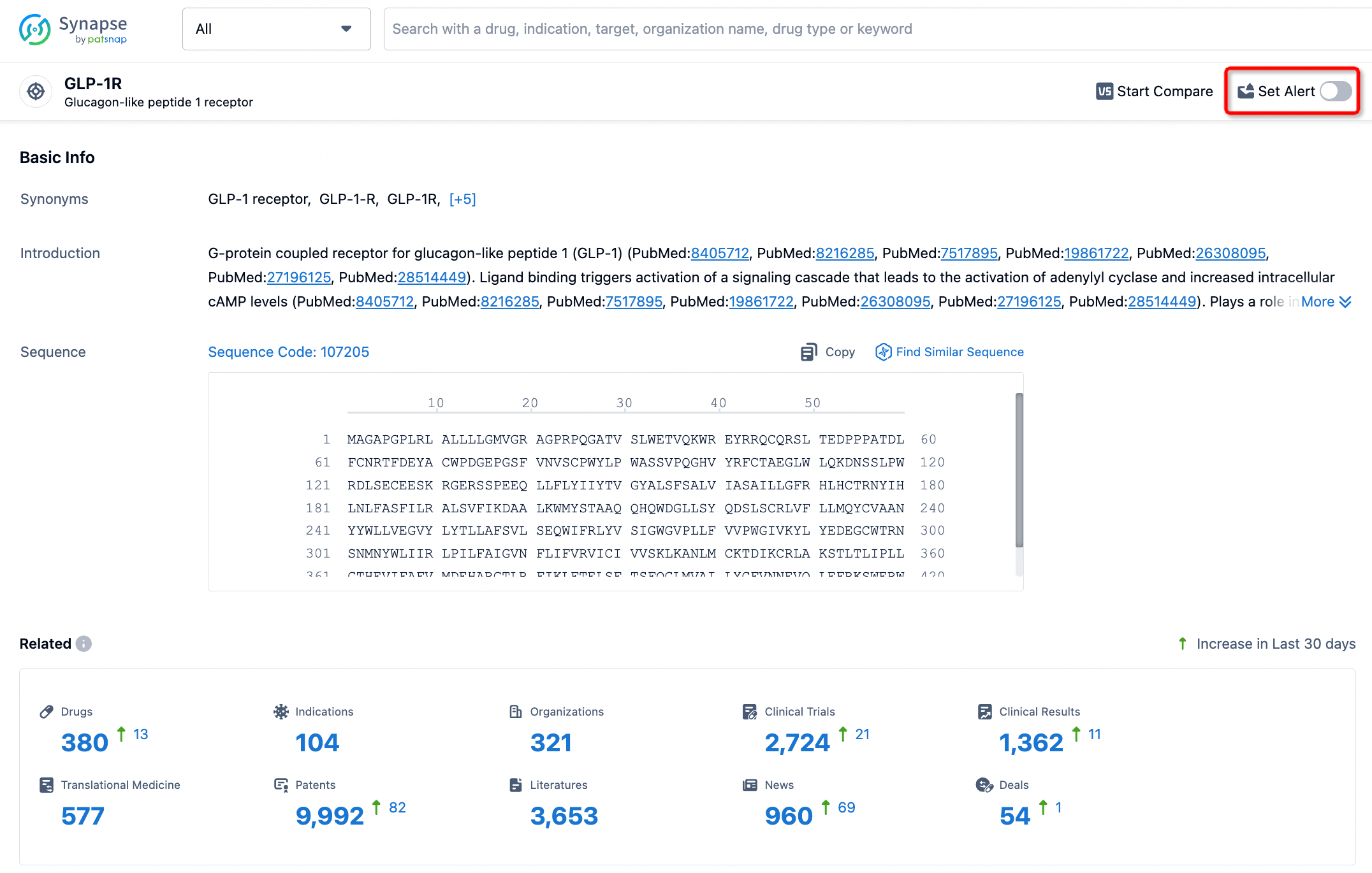
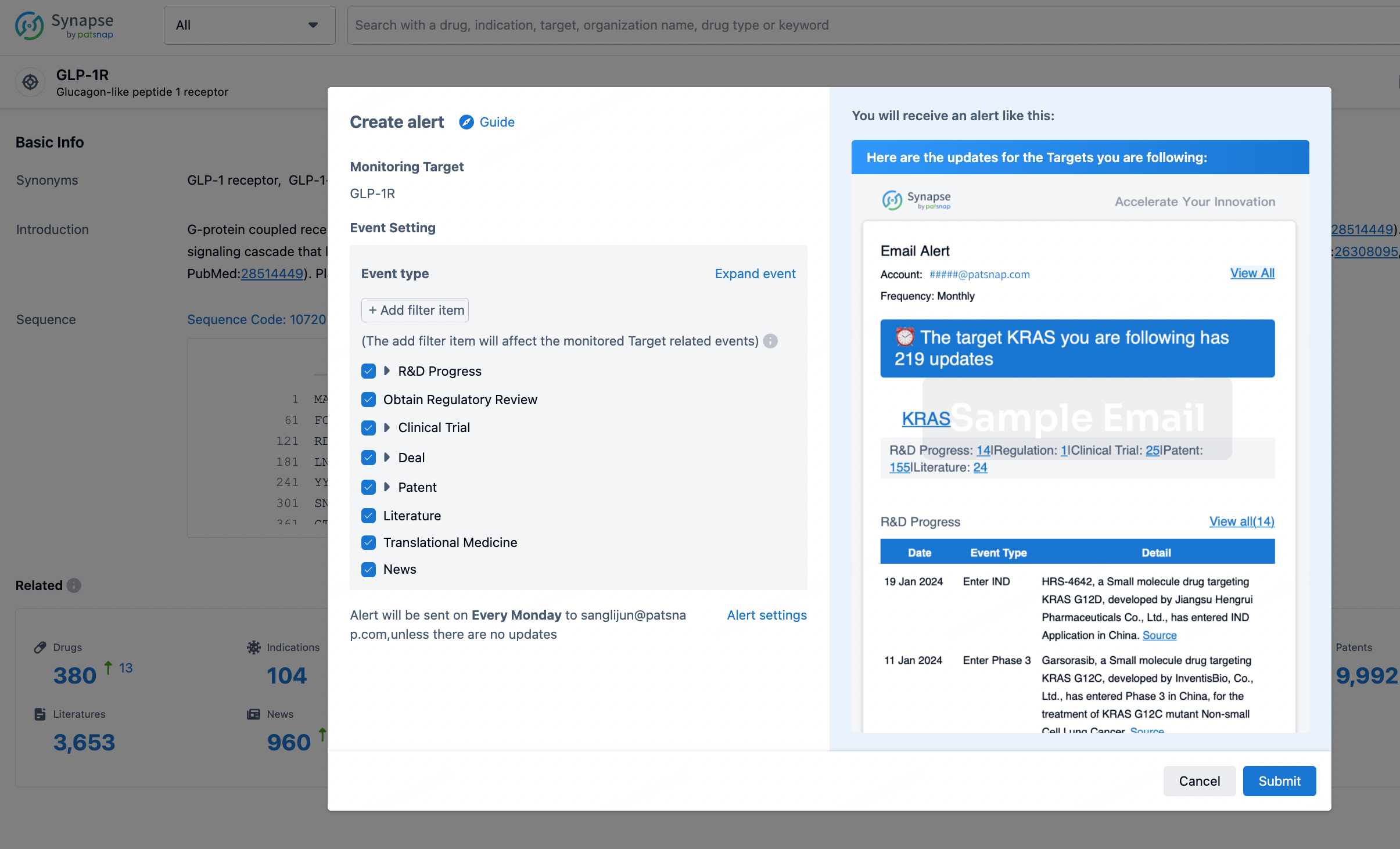
In the Synapse database, you can stay updated on the latest research and development advances of all targets. This service is accessible anytime and anywhere, with updates available daily or weekly. Use the "Set Alert" function to stay informed. Click on the image below to embark on a brand new journey of drug discovery!
AI Agents Built for Biopharma Breakthroughs
Accelerate discovery. Empower decisions. Transform outcomes.
Get started for free today!
Accelerate Strategic R&D decision making with Synapse, PatSnap’s AI-powered Connected Innovation Intelligence Platform Built for Life Sciences Professionals.
Start your data trial now!
Synapse data is also accessible to external entities via APIs or data packages. Empower better decisions with the latest in pharmaceutical intelligence.