Request Demo
What are Lewis-Y antigen inhibitors and how do they work?
21 June 2024
Lewis-Y antigen inhibitors are an emerging class of therapeutic agents that are capturing significant attention in the medical and scientific communities for their potential applications in oncology. These inhibitors target the Lewis-Y antigen, a carbohydrate antigen that is overexpressed on the surface of several types of cancer cells, including those in breast, colon, lung, and ovarian cancers. By interfering with the function of this antigen, Lewis-Y antigen inhibitors have the potential to disrupt cancer cell growth and proliferation, offering a new avenue for cancer treatment.
Lewis-Y antigen (LeY) is a complex carbohydrate structure present on glycoproteins and glycolipids on the cell surface. It plays a crucial role in cell-cell adhesion, immune response modulation, and signal transduction. Under normal conditions, LeY expression is limited and tightly regulated. However, in many malignancies, LeY is overexpressed, where it promotes tumor growth, metastasis, and resistance to apoptosis (programmed cell death).
Lewis-Y antigen inhibitors work by specifically targeting the LeY antigen on the surface of cancer cells. This targeting can occur through several mechanisms. One common approach involves monoclonal antibodies that bind to the LeY antigen, thereby blocking its function and marking the cancer cells for destruction by the immune system. Another approach involves small molecule inhibitors that interfere with the enzymes responsible for synthesizing the LeY antigen, thereby reducing its expression on the cell surface.
Once the Lewis-Y antigen is inhibited, various downstream effects can occur. For instance, the blockage of LeY can disrupt signaling pathways crucial for cancer cell survival and proliferation. Additionally, inhibiting LeY can enhance the immune system's ability to recognize and attack cancer cells. This dual mechanism of direct cancer cell growth inhibition and immune system activation makes Lewis-Y antigen inhibitors a particularly promising therapeutic strategy.
Lewis-Y antigen inhibitors are primarily being explored for their potential in treating various types of cancers. Given the widespread overexpression of LeY in many malignancies, these inhibitors have broad applications. Currently, several clinical trials are investigating the efficacy of these inhibitors in treating cancers such as breast cancer, ovarian cancer, and non-small cell lung cancer.
In breast cancer, for example, studies have shown that LeY expression is associated with poor prognosis and increased resistance to conventional therapies. By targeting the LeY antigen, inhibitors can potentially improve the effectiveness of existing treatments and reduce the likelihood of recurrence. Similarly, in ovarian cancer, LeY antigen inhibitors are being explored as a means to overcome chemotherapy resistance, a significant challenge in the treatment of this disease.
Beyond their direct anti-cancer effects, Lewis-Y antigen inhibitors also hold promise as part of combination therapy strategies. By combining these inhibitors with other treatments such as chemotherapy, radiation, or immunotherapy, it may be possible to achieve synergistic effects that enhance overall treatment efficacy. For example, combining LeY inhibitors with immune checkpoint inhibitors could potentially amplify the immune response against cancer cells, leading to improved outcomes.
Moreover, the specificity of Lewis-Y antigen inhibitors for cancer cells minimizes the risk of damage to normal tissues, a common drawback of many conventional cancer treatments. This specificity not only enhances the efficacy of the treatment but also reduces the likelihood of adverse side effects, improving the overall quality of life for patients.
In summary, Lewis-Y antigen inhibitors represent a promising new frontier in cancer therapy. By specifically targeting a cancer-associated antigen, these inhibitors offer a targeted approach to disrupting cancer cell growth and enhancing the immune response against tumors. As research and clinical trials continue, the potential applications of these inhibitors are likely to expand, offering new hope for patients with various types of cancer. The continued exploration of Lewis-Y antigen inhibitors holds the promise of more effective, targeted, and less toxic cancer treatments in the future.
Lewis-Y antigen (LeY) is a complex carbohydrate structure present on glycoproteins and glycolipids on the cell surface. It plays a crucial role in cell-cell adhesion, immune response modulation, and signal transduction. Under normal conditions, LeY expression is limited and tightly regulated. However, in many malignancies, LeY is overexpressed, where it promotes tumor growth, metastasis, and resistance to apoptosis (programmed cell death).
Lewis-Y antigen inhibitors work by specifically targeting the LeY antigen on the surface of cancer cells. This targeting can occur through several mechanisms. One common approach involves monoclonal antibodies that bind to the LeY antigen, thereby blocking its function and marking the cancer cells for destruction by the immune system. Another approach involves small molecule inhibitors that interfere with the enzymes responsible for synthesizing the LeY antigen, thereby reducing its expression on the cell surface.
Once the Lewis-Y antigen is inhibited, various downstream effects can occur. For instance, the blockage of LeY can disrupt signaling pathways crucial for cancer cell survival and proliferation. Additionally, inhibiting LeY can enhance the immune system's ability to recognize and attack cancer cells. This dual mechanism of direct cancer cell growth inhibition and immune system activation makes Lewis-Y antigen inhibitors a particularly promising therapeutic strategy.
Lewis-Y antigen inhibitors are primarily being explored for their potential in treating various types of cancers. Given the widespread overexpression of LeY in many malignancies, these inhibitors have broad applications. Currently, several clinical trials are investigating the efficacy of these inhibitors in treating cancers such as breast cancer, ovarian cancer, and non-small cell lung cancer.
In breast cancer, for example, studies have shown that LeY expression is associated with poor prognosis and increased resistance to conventional therapies. By targeting the LeY antigen, inhibitors can potentially improve the effectiveness of existing treatments and reduce the likelihood of recurrence. Similarly, in ovarian cancer, LeY antigen inhibitors are being explored as a means to overcome chemotherapy resistance, a significant challenge in the treatment of this disease.
Beyond their direct anti-cancer effects, Lewis-Y antigen inhibitors also hold promise as part of combination therapy strategies. By combining these inhibitors with other treatments such as chemotherapy, radiation, or immunotherapy, it may be possible to achieve synergistic effects that enhance overall treatment efficacy. For example, combining LeY inhibitors with immune checkpoint inhibitors could potentially amplify the immune response against cancer cells, leading to improved outcomes.
Moreover, the specificity of Lewis-Y antigen inhibitors for cancer cells minimizes the risk of damage to normal tissues, a common drawback of many conventional cancer treatments. This specificity not only enhances the efficacy of the treatment but also reduces the likelihood of adverse side effects, improving the overall quality of life for patients.
In summary, Lewis-Y antigen inhibitors represent a promising new frontier in cancer therapy. By specifically targeting a cancer-associated antigen, these inhibitors offer a targeted approach to disrupting cancer cell growth and enhancing the immune response against tumors. As research and clinical trials continue, the potential applications of these inhibitors are likely to expand, offering new hope for patients with various types of cancer. The continued exploration of Lewis-Y antigen inhibitors holds the promise of more effective, targeted, and less toxic cancer treatments in the future.
How to obtain the latest development progress of all targets?
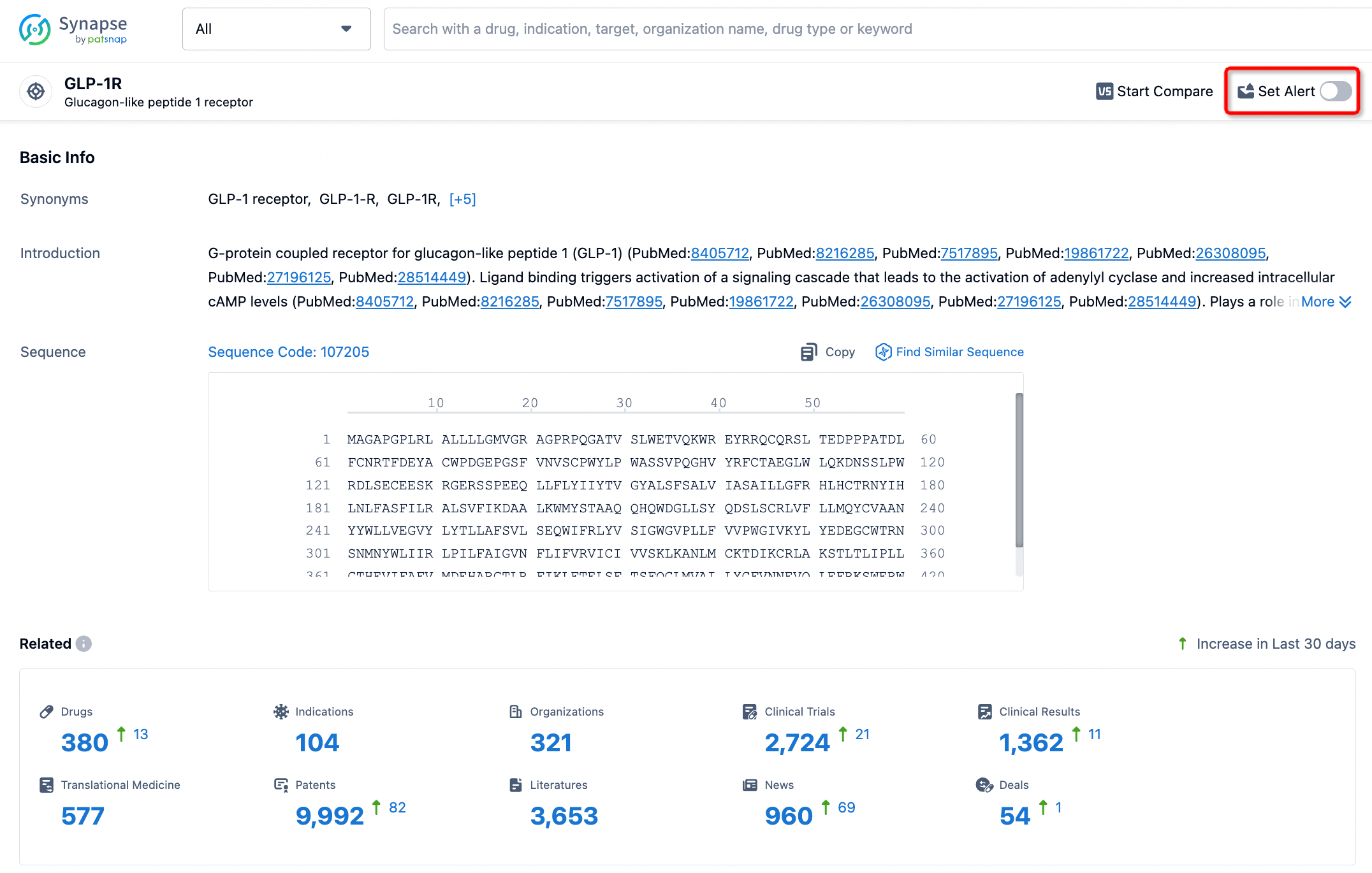
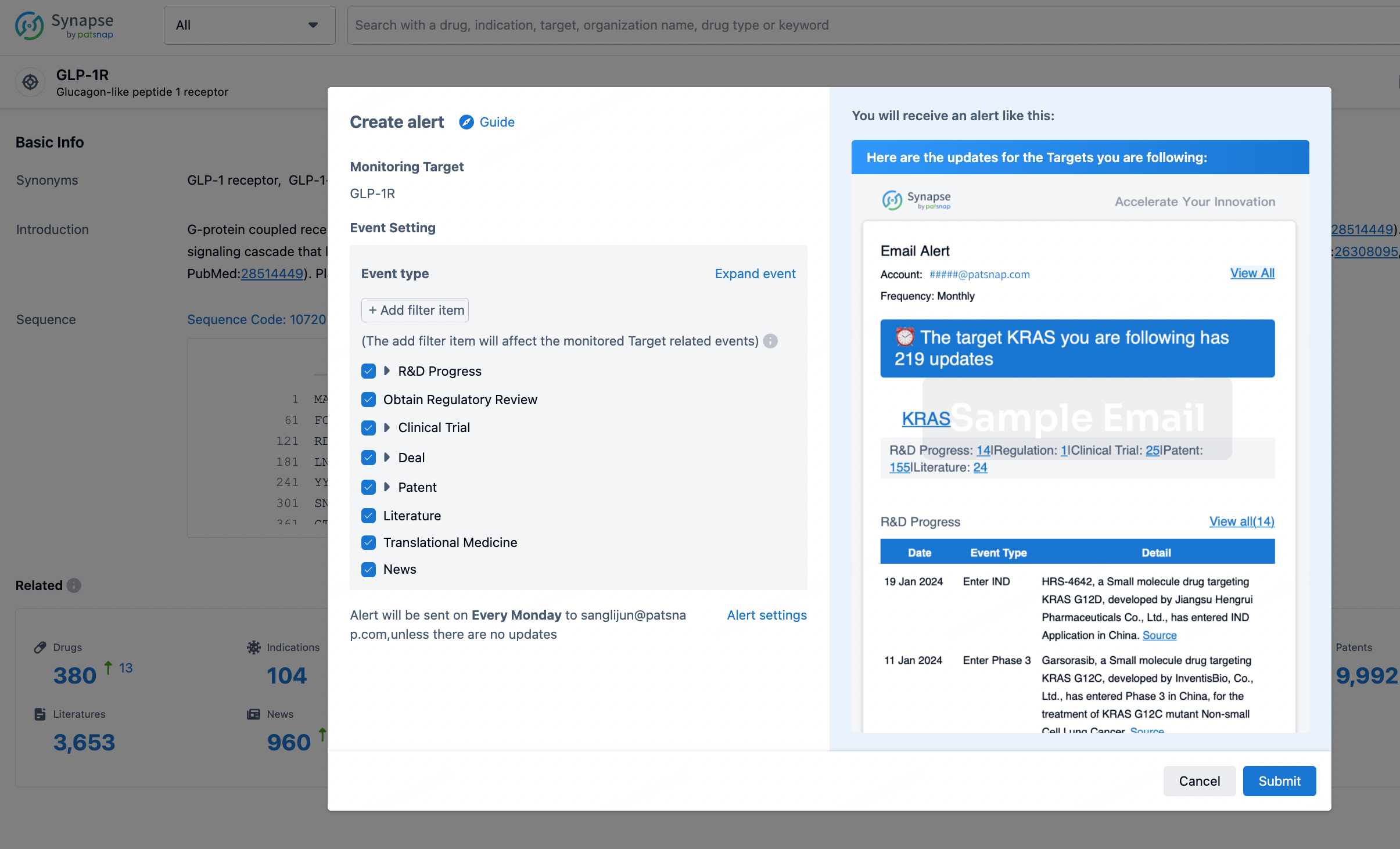
In the Synapse database, you can stay updated on the latest research and development advances of all targets. This service is accessible anytime and anywhere, with updates available daily or weekly. Use the "Set Alert" function to stay informed. Click on the image below to embark on a brand new journey of drug discovery!
AI Agents Built for Biopharma Breakthroughs
Accelerate discovery. Empower decisions. Transform outcomes.
Get started for free today!
Accelerate Strategic R&D decision making with Synapse, PatSnap’s AI-powered Connected Innovation Intelligence Platform Built for Life Sciences Professionals.
Start your data trial now!
Synapse data is also accessible to external entities via APIs or data packages. Empower better decisions with the latest in pharmaceutical intelligence.