Request Demo
What are LXR-α inverse agonists and how do they work?
25 June 2024
In recent years, the field of pharmacology has made significant strides in understanding and manipulating nuclear receptors to treat a variety of diseases. One such intriguing target is the Liver X Receptor alpha (LXR-α). Within this scope, LXR-α inverse agonists have emerged as a promising area of research and therapeutic intervention. This blog post delves into what LXR-α inverse agonists are, how they work, and what they are used for.
Introduction to LXR-α inverse agonists
LXR-α is a nuclear receptor that plays a crucial role in regulating cholesterol, lipid, and glucose metabolism. It is predominantly expressed in the liver, intestine, adipose tissue, and macrophages. Upon activation by endogenous ligands like oxysterols, LXR-α regulates the expression of genes involved in cholesterol efflux, fatty acid synthesis, and glucose metabolism. While LXR-α agonists have been studied for their potential benefits in reducing atherosclerosis by promoting cholesterol efflux, they also pose the risk of inducing hepatic steatosis and hypertriglyceridemia. This has led researchers to explore the therapeutic potential of LXR-α inverse agonists, which, unlike agonists, inhibit the receptor’s activity.
How do LXR-α inverse agonists work?
LXR-α inverse agonists function by binding to the receptor and stabilizing it in a conformation that prevents the activation of downstream target genes. Essentially, these compounds reduce the basal transcriptional activity of LXR-α. They achieve this by promoting the recruitment of co-repressors and preventing the dissociation of these co-repressors from the receptor. This contrasts with LXR-α agonists, which facilitate the recruitment of co-activators, leading to the transcription of target genes.
The molecular mechanism underlying the action of LXR-α inverse agonists involves altering the receptor's conformation so that it cannot effectively bind to DNA response elements in the promoter regions of its target genes. Consequently, the transcription of genes involved in lipid synthesis and storage is downregulated. This unique mode of action makes LXR-α inverse agonists particularly attractive for therapeutic applications where the goal is to reduce lipid accumulation in tissues.
What are LXR-α inverse agonists used for?
The therapeutic potential of LXR-α inverse agonists spans several metabolic and inflammatory diseases. One of the most promising applications is in the treatment of non-alcoholic fatty liver disease (NAFLD) and non-alcoholic steatohepatitis (NASH). These conditions are characterized by excessive fat accumulation in the liver, inflammation, and fibrosis, ultimately leading to liver damage. By inhibiting LXR-α activity, inverse agonists reduce lipogenesis and triglyceride accumulation in the liver, thereby mitigating the progression of NAFLD and NASH.
Another significant application is in the realm of atherosclerosis. While LXR-α agonists can reduce atherosclerotic plaque by promoting cholesterol efflux, their propensity to increase plasma triglycerides is a major drawback. LXR-α inverse agonists offer a balanced approach by reducing lipid synthesis without the accompanying rise in plasma triglycerides, thereby providing a dual benefit in managing atherosclerosis.
Additionally, LXR-α inverse agonists are being explored for their anti-inflammatory properties. Given that LXR-α activation can promote the expression of inflammatory genes in macrophages, its inhibition by inverse agonists can potentially reduce chronic inflammation. This makes LXR-α inverse agonists attractive candidates for treating inflammatory conditions such as rheumatoid arthritis and inflammatory bowel disease.
Moreover, recent studies have indicated that LXR-α inverse agonists might also play a role in cancer therapy. Certain cancers are known to exploit lipid metabolism to support their growth and survival. By inhibiting LXR-α, these inverse agonists can potentially disrupt the metabolic pathways that cancer cells rely on, thereby inhibiting tumor growth.
In conclusion, LXR-α inverse agonists represent a versatile and promising class of compounds with broad therapeutic potential. Their ability to modulate lipid metabolism without the adverse effects associated with LXR-α agonists makes them particularly appealing for treating metabolic disorders, atherosclerosis, inflammation, and even cancer. As research progresses, it will be fascinating to see how these compounds are further developed and integrated into clinical practice.
Introduction to LXR-α inverse agonists
LXR-α is a nuclear receptor that plays a crucial role in regulating cholesterol, lipid, and glucose metabolism. It is predominantly expressed in the liver, intestine, adipose tissue, and macrophages. Upon activation by endogenous ligands like oxysterols, LXR-α regulates the expression of genes involved in cholesterol efflux, fatty acid synthesis, and glucose metabolism. While LXR-α agonists have been studied for their potential benefits in reducing atherosclerosis by promoting cholesterol efflux, they also pose the risk of inducing hepatic steatosis and hypertriglyceridemia. This has led researchers to explore the therapeutic potential of LXR-α inverse agonists, which, unlike agonists, inhibit the receptor’s activity.
How do LXR-α inverse agonists work?
LXR-α inverse agonists function by binding to the receptor and stabilizing it in a conformation that prevents the activation of downstream target genes. Essentially, these compounds reduce the basal transcriptional activity of LXR-α. They achieve this by promoting the recruitment of co-repressors and preventing the dissociation of these co-repressors from the receptor. This contrasts with LXR-α agonists, which facilitate the recruitment of co-activators, leading to the transcription of target genes.
The molecular mechanism underlying the action of LXR-α inverse agonists involves altering the receptor's conformation so that it cannot effectively bind to DNA response elements in the promoter regions of its target genes. Consequently, the transcription of genes involved in lipid synthesis and storage is downregulated. This unique mode of action makes LXR-α inverse agonists particularly attractive for therapeutic applications where the goal is to reduce lipid accumulation in tissues.
What are LXR-α inverse agonists used for?
The therapeutic potential of LXR-α inverse agonists spans several metabolic and inflammatory diseases. One of the most promising applications is in the treatment of non-alcoholic fatty liver disease (NAFLD) and non-alcoholic steatohepatitis (NASH). These conditions are characterized by excessive fat accumulation in the liver, inflammation, and fibrosis, ultimately leading to liver damage. By inhibiting LXR-α activity, inverse agonists reduce lipogenesis and triglyceride accumulation in the liver, thereby mitigating the progression of NAFLD and NASH.
Another significant application is in the realm of atherosclerosis. While LXR-α agonists can reduce atherosclerotic plaque by promoting cholesterol efflux, their propensity to increase plasma triglycerides is a major drawback. LXR-α inverse agonists offer a balanced approach by reducing lipid synthesis without the accompanying rise in plasma triglycerides, thereby providing a dual benefit in managing atherosclerosis.
Additionally, LXR-α inverse agonists are being explored for their anti-inflammatory properties. Given that LXR-α activation can promote the expression of inflammatory genes in macrophages, its inhibition by inverse agonists can potentially reduce chronic inflammation. This makes LXR-α inverse agonists attractive candidates for treating inflammatory conditions such as rheumatoid arthritis and inflammatory bowel disease.
Moreover, recent studies have indicated that LXR-α inverse agonists might also play a role in cancer therapy. Certain cancers are known to exploit lipid metabolism to support their growth and survival. By inhibiting LXR-α, these inverse agonists can potentially disrupt the metabolic pathways that cancer cells rely on, thereby inhibiting tumor growth.
In conclusion, LXR-α inverse agonists represent a versatile and promising class of compounds with broad therapeutic potential. Their ability to modulate lipid metabolism without the adverse effects associated with LXR-α agonists makes them particularly appealing for treating metabolic disorders, atherosclerosis, inflammation, and even cancer. As research progresses, it will be fascinating to see how these compounds are further developed and integrated into clinical practice.
How to obtain the latest development progress of all targets?
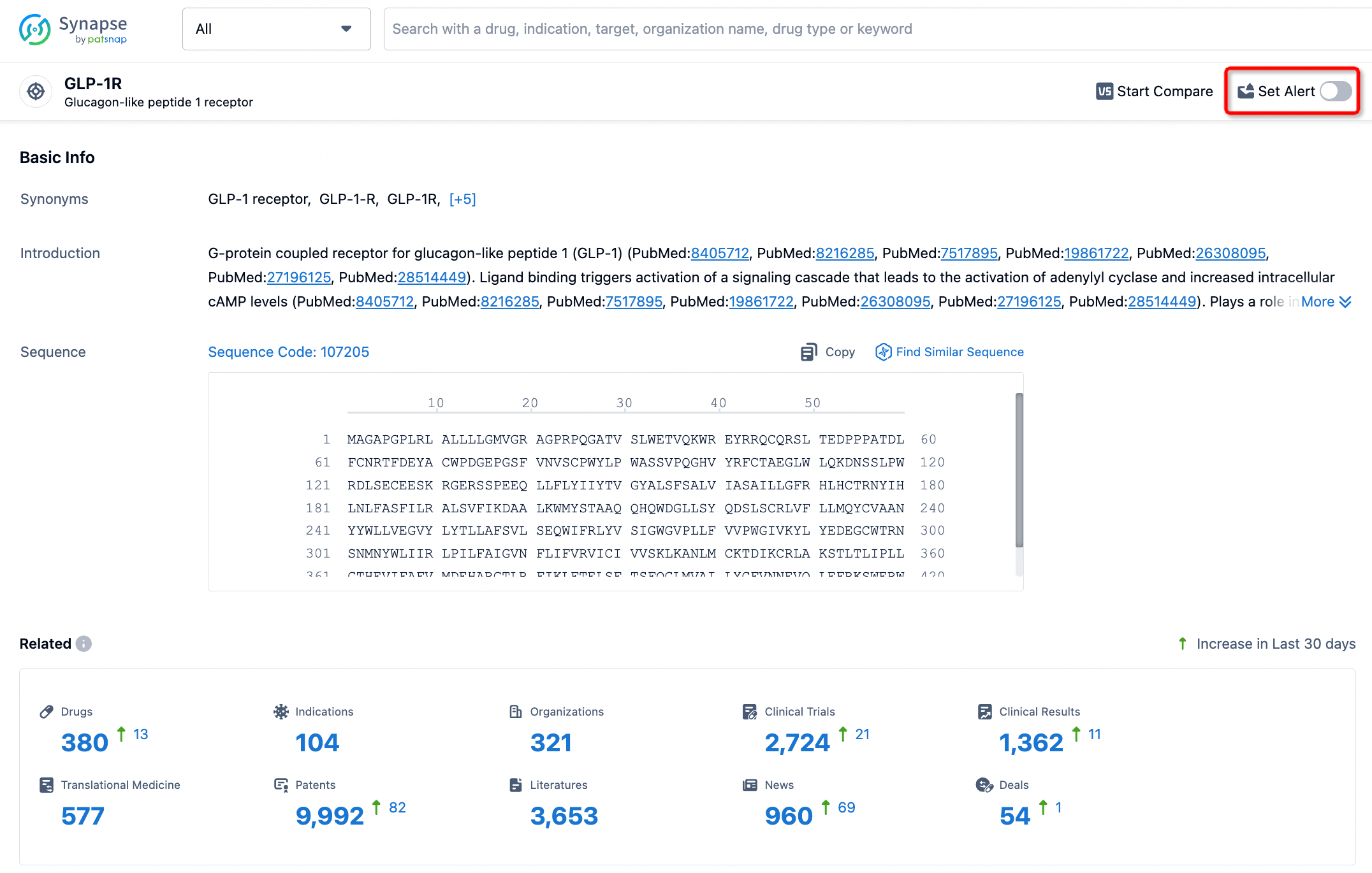
In the Synapse database, you can stay updated on the latest research and development advances of all targets. This service is accessible anytime and anywhere, with updates available daily or weekly. Use the "Set Alert" function to stay informed. Click on the image below to embark on a brand new journey of drug discovery!


AI Agents Built for Biopharma Breakthroughs
Accelerate discovery. Empower decisions. Transform outcomes.
Get started for free today!
Accelerate Strategic R&D decision making with Synapse, PatSnap’s AI-powered Connected Innovation Intelligence Platform Built for Life Sciences Professionals.
Start your data trial now!
Synapse data is also accessible to external entities via APIs or data packages. Empower better decisions with the latest in pharmaceutical intelligence.