What are MAGEA1 modulators and how do they work?
MAGEA1 (Melanoma Antigen Family A, 1) modulators have become a focal point in the field of cancer research and immunotherapy. These modulators target MAGEA1, a member of the MAGE (Melanoma Antigen Gene) family, which is typically expressed in various types of cancers but is usually absent in normal tissues except for the testis. This selective expression makes MAGEA1 an attractive target for cancer treatment. In this blog post, we will delve into the mechanisms of MAGEA1 modulators, how they work, and their applications in modern medicine.
MAGEA1 modulators operate by manipulating the activity or expression of the MAGEA1 protein. The MAGEA1 protein is often associated with cellular processes such as proliferation, apoptosis, and immune response. Its expression in cancer cells contributes to tumor growth and survival by interacting with various cellular pathways.
Researching MAGEA1 modulators beyond the basics?
Synapse Hiro LS Researcher, the Synapse AI Insight Engine, is built to accelerate biopharma decisions. Search across billion-scale life sciences data to uncover signals, validate evidence, and act with confidence. Explore MAGEA1 modulators with Hiro LS Researcher →

One of the primary mechanisms through which MAGEA1 modulators work is by enhancing the immune system's ability to recognize and destroy cancer cells. Since MAGEA1 is seen as a foreign antigen by the immune system due to its restricted expression pattern, immune cells, particularly T-cells, can be trained to target cells expressing this antigen. MAGEA1 modulators can help in presenting the MAGEA1 antigen in a way that activates these T-cells effectively.
Another mechanism involves the direct inhibition of the MAGEA1 protein’s function within the cancer cells. By blocking the activity of MAGEA1, modulators can interfere with the cancer cell's ability to proliferate and survive, leading to cell death. This can be achieved through small molecule inhibitors, peptides, or even RNA-based approaches that specifically target MAGEA1 mRNA for degradation.
Additionally, MAGEA1 modulators can also work by modulating the epigenetic landscape of cancer cells. Since MAGEA1 expression is often regulated by epigenetic modifications, agents that alter these modifications can suppress MAGEA1 expression and thereby reduce the tumorigenic potential of cancer cells.
The applications of MAGEA1 modulators are vast and promising, particularly in the realm of cancer therapy. One of the most significant uses is in the development of cancer vaccines. By incorporating MAGEA1 epitopes into vaccine formulations, researchers aim to stimulate the patient’s immune system to mount a robust and targeted attack against MAGEA1-expressing tumor cells. Early-phase clinical trials have shown encouraging results, with patients developing strong immune responses that correlate with improved clinical outcomes.
Moreover, MAGEA1 modulators are being explored in adoptive cell therapy, particularly in chimeric antigen receptor (CAR) T-cell therapy. In this approach, T-cells are engineered to express receptors that specifically recognize MAGEA1. When these modified T-cells are introduced back into the patient’s body, they seek out and destroy MAGEA1-expressing cancer cells. This strategy has shown considerable promise in preclinical models and is currently being tested in clinical trials.
Another important application is in the field of oncolytic virotherapy. Oncolytic viruses are engineered to preferentially infect and kill cancer cells while sparing normal cells. By incorporating MAGEA1 modulators into these viruses, researchers can enhance the specificity and efficacy of the oncolytic virus, ensuring that only MAGEA1-expressing cancer cells are targeted.
Furthermore, MAGEA1 modulators are also being investigated for their potential in combination therapies. Combining these modulators with conventional therapies such as chemotherapy, radiation, or other immunotherapies can potentially overcome resistance mechanisms and improve overall treatment efficacy. For example, combining MAGEA1-targeted therapies with immune checkpoint inhibitors may enhance the anti-tumor immune response and result in better clinical outcomes.
In conclusion, MAGEA1 modulators represent a promising avenue for cancer treatment owing to their ability to specifically target cancer cells while sparing normal tissues. Their mechanisms of action, which include immune activation, direct inhibition, and epigenetic modulation, offer multiple therapeutic strategies. The applications of these modulators in cancer vaccines, adoptive cell therapy, oncolytic virotherapy, and combination treatments highlight their potential to transform cancer therapy and improve patient outcomes. As research continues to advance, MAGEA1 modulators may soon become a staple in the fight against cancer, offering hope to many patients worldwide.
Continue your MAGEA1 modulators research with Synapse Hiro LS Researcher
This article provides an overview. For a broader research view, use Synapse Hiro LS Researcher—the Synapse AI Insight Engine—to search across drugs, targets, indications, clinical trials, literature, organizations, news, deals, and competitor signals. Ask any biopharma research question in natural language.

Questions to explore:
- What recent publications and evidence are available on MAGEA1 modulators?
- Which drugs, targets, indications, or clinical trials are relevant to MAGEA1 modulators?
- What findings and limitations should be considered when researching MAGEA1 modulators?
- Which organizations, patents, and regulatory sources provide context on MAGEA1 modulators?
Ask Synapse Hiro LS Researcher →
AI may make mistakes. Check important info.
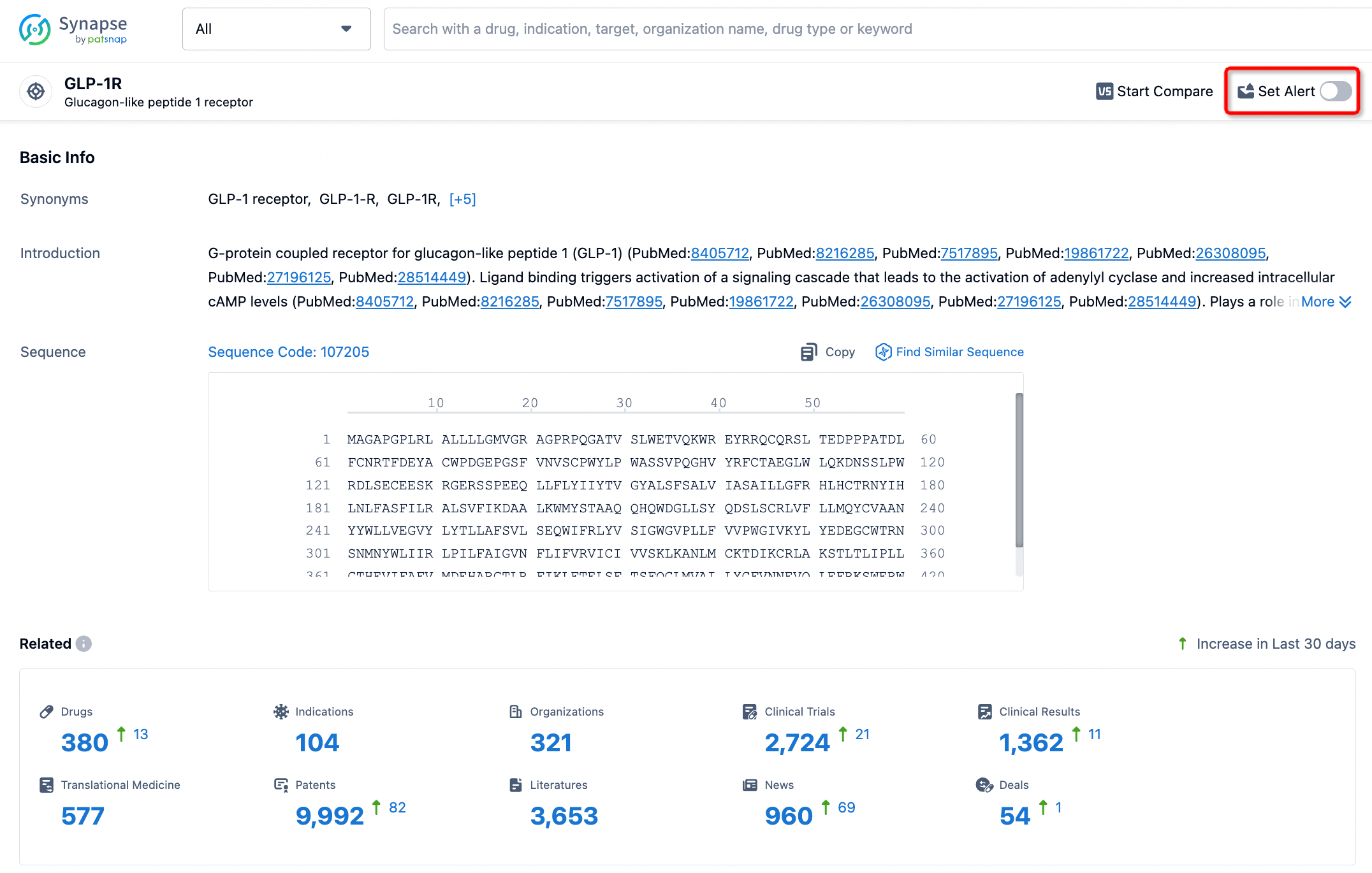
How to obtain the latest development progress of all targets?
In the Synapse database, you can stay updated on the latest research and development advances of all targets. This service is accessible anytime and anywhere, with updates available daily or weekly. Use the "Set Alert" function to stay informed. Click on the image below to embark on a brand new journey of drug discovery!