Request Demo
What are MDA5 stimulants and how do they work?
25 June 2024
The human immune system is a sophisticated network of cells, tissues, and organs that communicate and collaborate to fend off infections and diseases. Among the numerous components of this system are pattern recognition receptors (PRRs), which are crucial for identifying pathogenic invaders. One such PRR is Melanoma Differentiation-Associated protein 5, or MDA5. In recent years, scientists have made significant strides in developing MDA5 stimulants, a promising class of therapeutics aimed at bolstering the immune system's response to various diseases. In this blog post, we will delve into the intricacies of MDA5 stimulants, examining their mechanisms, applications, and potential advantages.
MDA5, a cytoplasmic sensor, plays a pivotal role in detecting viral RNA within host cells. Upon recognizing viral RNA, MDA5 triggers a signaling cascade that culminates in the production of type I interferons (IFNs) and other pro-inflammatory cytokines. These molecules are essential for orchestrating an effective immune response, including the activation of natural killer cells, dendritic cells, and other immune effectors that work to eliminate the virus.
MDA5 stimulants are compounds specifically designed to enhance the activity of MDA5. By amplifying this receptor's ability to detect and respond to viral RNA, these stimulants can significantly boost the body's antiviral defenses. The primary goal of MDA5 stimulants is to mimic the natural ligands of MDA5, such as viral double-stranded RNA (dsRNA), thereby initiating a robust immune response even in the absence of an actual infection.
Once an MDA5 stimulant is administered, it binds to the MDA5 receptor, leading to its activation. This interaction triggers a series of intracellular events, starting with the formation of the MDA5 filament, which facilitates the recruitment and activation of the mitochondrial antiviral-signaling protein (MAVS). Activated MAVS then propagates the signal through downstream pathways, including the TBK1/IRF3 and NF-κB pathways, ultimately resulting in the production of type I IFNs and other cytokines. These cytokines not only inhibit viral replication but also help in modulating the adaptive immune response, ensuring a well-rounded defense against the invader.
MDA5 stimulants have garnered considerable attention for their potential therapeutic applications across a range of diseases. Their primary use has been in the realm of antiviral therapy. Given their ability to enhance the body's innate immune response, MDA5 stimulants are being investigated as treatments for a variety of viral infections, including influenza, hepatitis C, and even emerging viral threats like the SARS-CoV-2 virus responsible for COVID-19. By boosting the antiviral response, these stimulants can potentially reduce viral loads, ameliorate symptoms, and improve patient outcomes.
Beyond antiviral applications, MDA5 stimulants are also being explored in the field of oncology. Cancer cells often evade immune surveillance by creating an immunosuppressive microenvironment. MDA5 stimulants can potentially reverse this by inducing an inflammatory response within the tumor microenvironment, thereby making cancer cells more recognizable and targetable by the immune system. This approach, known as immunotherapy, has shown promise in preclinical studies and is currently being evaluated in clinical trials for various types of cancer, including melanoma and colorectal cancer.
Additionally, MDA5 stimulants are being investigated for their potential in treating autoimmune diseases. While this may seem counterintuitive given their role in promoting inflammation, certain autoimmune conditions are characterized by dysfunctional or insufficient immune responses. By carefully modulating MDA5 activity, it may be possible to restore immune balance and alleviate disease symptoms.
In conclusion, MDA5 stimulants represent a cutting-edge frontier in immunotherapy, offering new avenues for the treatment of viral infections, cancer, and autoimmune diseases. By harnessing the power of the innate immune system, these compounds have the potential to revolutionize how we approach a variety of health challenges. While research is still ongoing, the preliminary results are promising, suggesting that MDA5 stimulants could become a mainstay in the arsenal of modern medicine.
MDA5, a cytoplasmic sensor, plays a pivotal role in detecting viral RNA within host cells. Upon recognizing viral RNA, MDA5 triggers a signaling cascade that culminates in the production of type I interferons (IFNs) and other pro-inflammatory cytokines. These molecules are essential for orchestrating an effective immune response, including the activation of natural killer cells, dendritic cells, and other immune effectors that work to eliminate the virus.
MDA5 stimulants are compounds specifically designed to enhance the activity of MDA5. By amplifying this receptor's ability to detect and respond to viral RNA, these stimulants can significantly boost the body's antiviral defenses. The primary goal of MDA5 stimulants is to mimic the natural ligands of MDA5, such as viral double-stranded RNA (dsRNA), thereby initiating a robust immune response even in the absence of an actual infection.
Once an MDA5 stimulant is administered, it binds to the MDA5 receptor, leading to its activation. This interaction triggers a series of intracellular events, starting with the formation of the MDA5 filament, which facilitates the recruitment and activation of the mitochondrial antiviral-signaling protein (MAVS). Activated MAVS then propagates the signal through downstream pathways, including the TBK1/IRF3 and NF-κB pathways, ultimately resulting in the production of type I IFNs and other cytokines. These cytokines not only inhibit viral replication but also help in modulating the adaptive immune response, ensuring a well-rounded defense against the invader.
MDA5 stimulants have garnered considerable attention for their potential therapeutic applications across a range of diseases. Their primary use has been in the realm of antiviral therapy. Given their ability to enhance the body's innate immune response, MDA5 stimulants are being investigated as treatments for a variety of viral infections, including influenza, hepatitis C, and even emerging viral threats like the SARS-CoV-2 virus responsible for COVID-19. By boosting the antiviral response, these stimulants can potentially reduce viral loads, ameliorate symptoms, and improve patient outcomes.
Beyond antiviral applications, MDA5 stimulants are also being explored in the field of oncology. Cancer cells often evade immune surveillance by creating an immunosuppressive microenvironment. MDA5 stimulants can potentially reverse this by inducing an inflammatory response within the tumor microenvironment, thereby making cancer cells more recognizable and targetable by the immune system. This approach, known as immunotherapy, has shown promise in preclinical studies and is currently being evaluated in clinical trials for various types of cancer, including melanoma and colorectal cancer.
Additionally, MDA5 stimulants are being investigated for their potential in treating autoimmune diseases. While this may seem counterintuitive given their role in promoting inflammation, certain autoimmune conditions are characterized by dysfunctional or insufficient immune responses. By carefully modulating MDA5 activity, it may be possible to restore immune balance and alleviate disease symptoms.
In conclusion, MDA5 stimulants represent a cutting-edge frontier in immunotherapy, offering new avenues for the treatment of viral infections, cancer, and autoimmune diseases. By harnessing the power of the innate immune system, these compounds have the potential to revolutionize how we approach a variety of health challenges. While research is still ongoing, the preliminary results are promising, suggesting that MDA5 stimulants could become a mainstay in the arsenal of modern medicine.
How to obtain the latest development progress of all targets?
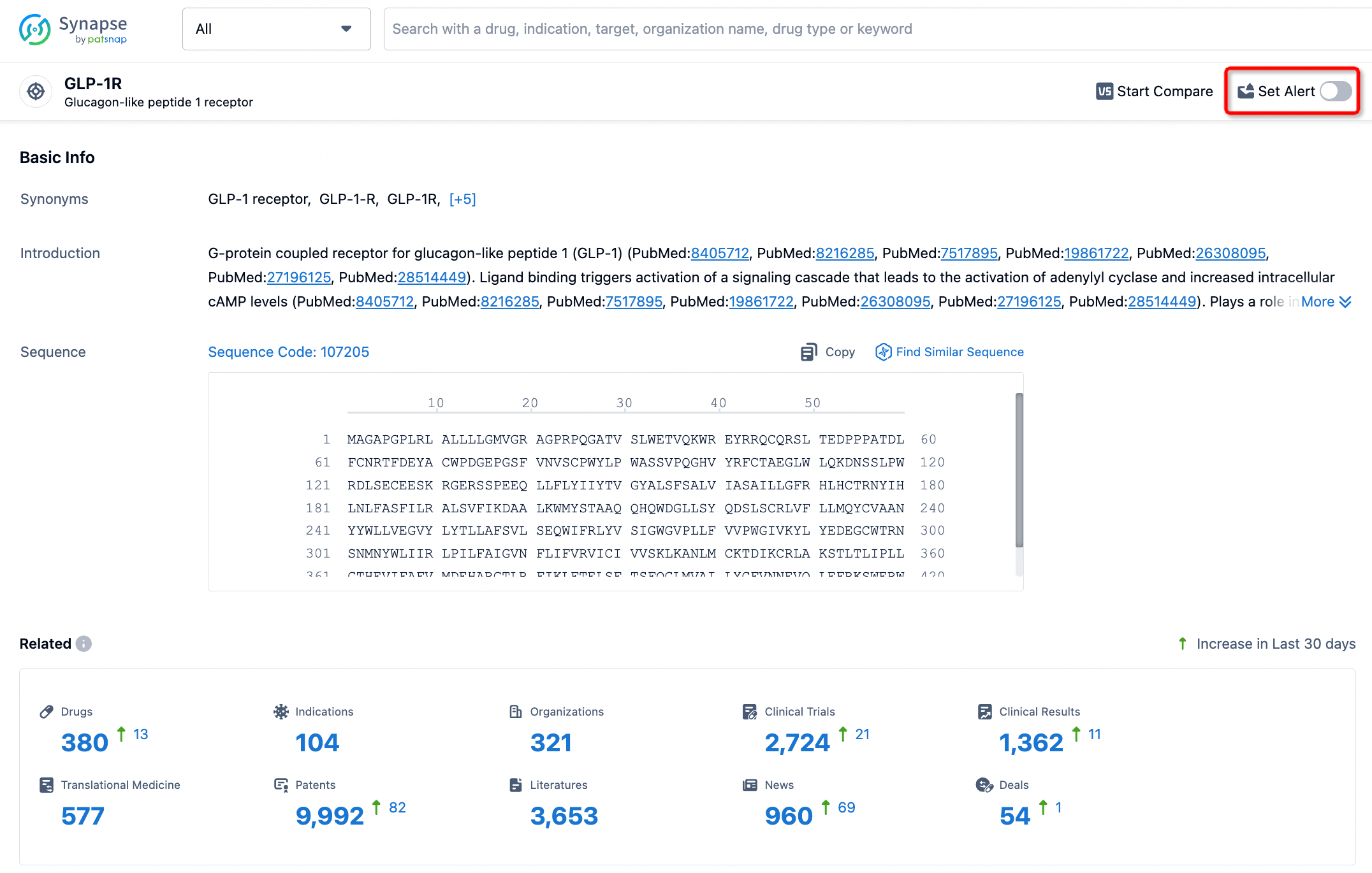
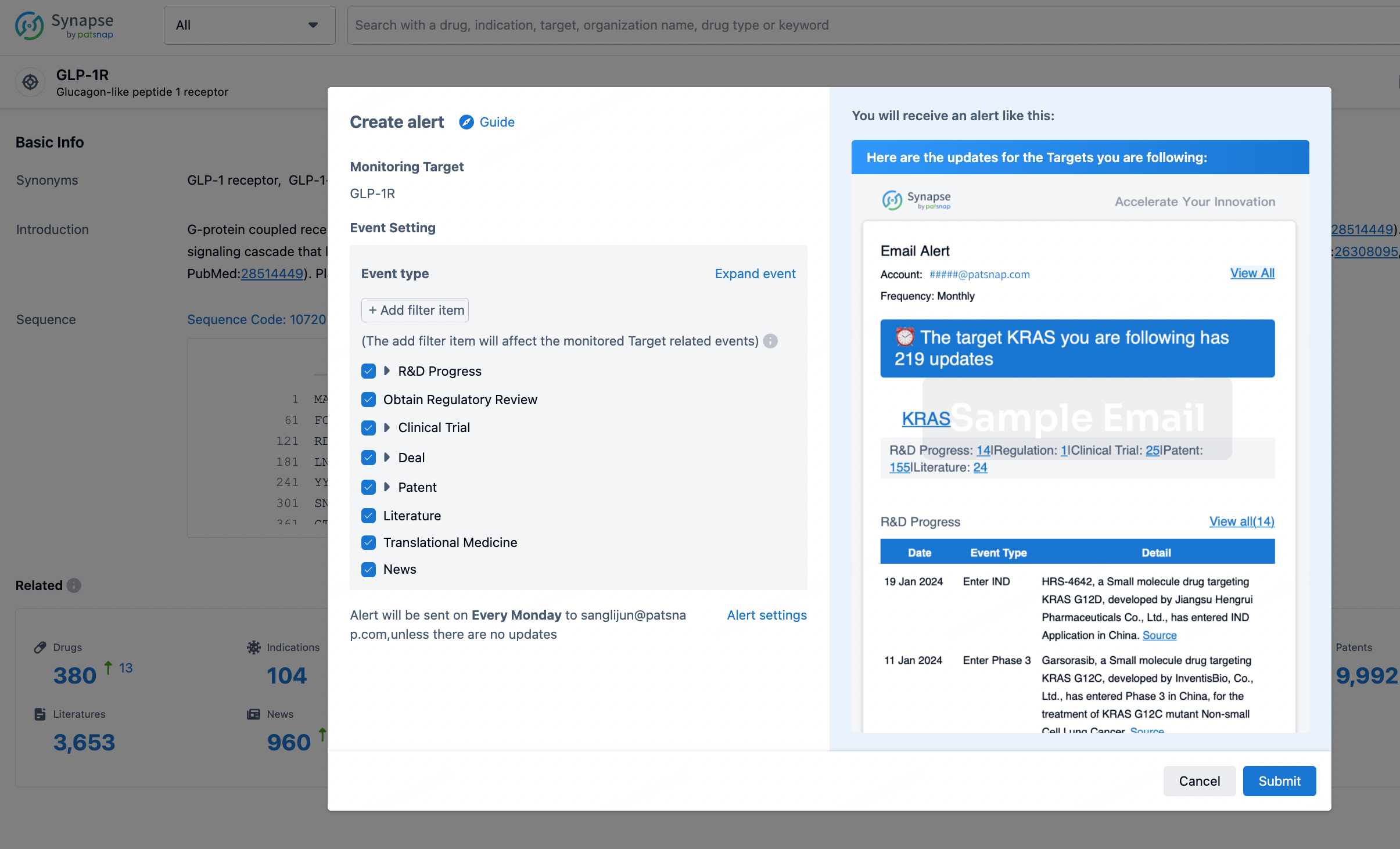
In the Synapse database, you can stay updated on the latest research and development advances of all targets. This service is accessible anytime and anywhere, with updates available daily or weekly. Use the "Set Alert" function to stay informed. Click on the image below to embark on a brand new journey of drug discovery!
AI Agents Built for Biopharma Breakthroughs
Accelerate discovery. Empower decisions. Transform outcomes.
Get started for free today!
Accelerate Strategic R&D decision making with Synapse, PatSnap’s AI-powered Connected Innovation Intelligence Platform Built for Life Sciences Professionals.
Start your data trial now!
Synapse data is also accessible to external entities via APIs or data packages. Empower better decisions with the latest in pharmaceutical intelligence.