Request Demo
What are METAP2 inhibitors and how do they work?
21 June 2024
In recent years, METAP2 inhibitors have garnered significant attention in the medical community. These compounds are being studied for their potential therapeutic benefits across a range of conditions. To understand the promise they hold, it’s essential to first explore what METAP2 inhibitors are, how they work, and what they are used for.
Introduction to METAP2 Inhibitors
Methionine aminopeptidase 2 (METAP2) inhibitors are a class of drugs that target the METAP2 enzyme, which is involved in the removal of the N-terminal methionine from newly synthesized proteins. METAP2 plays a critical role in various cellular processes, including protein processing, signal transduction, and cell cycle regulation. Inhibiting this enzyme can disrupt several physiological pathways, making METAP2 inhibitors valuable in treating various diseases.
How Do METAP2 Inhibitors Work?
To understand how METAP2 inhibitors work, it’s important to delve into the enzyme's function. METAP2 is crucial for the maturation and stabilization of nascent proteins. By cleaving the N-terminal methionine, it prepares proteins for proper folding and function. This process is vital for cellular homeostasis.
METAP2 inhibitors bind to the enzyme’s active site, preventing it from interacting with its protein substrates. This inhibition leads to an accumulation of immature proteins that can trigger a range of downstream effects. For instance, blocking METAP2 activity has been shown to interfere with angiogenesis, the process by which new blood vessels form from pre-existing vessels. This is particularly relevant in the context of cancer, where angiogenesis supports tumor growth and metastasis.
Moreover, METAP2 inhibition affects lipid metabolism and inflammatory responses. Research indicates that METAP2 inhibitors can modulate the levels of fatty acids and other lipids within cells, thereby impacting metabolic pathways linked to obesity and metabolic syndrome.
What Are METAP2 Inhibitors Used For?
The therapeutic applications of METAP2 inhibitors are diverse, given their broad impact on cellular functions. Here are some of the primary areas where these inhibitors are being explored:
1. **Cancer Treatment**: One of the most promising applications of METAP2 inhibitors is in oncology. Since METAP2 plays a role in angiogenesis, its inhibition can starve tumors of the necessary blood supply needed for growth and metastasis. This makes METAP2 inhibitors potential candidates for treating various types of cancer. Clinical trials are ongoing to evaluate their efficacy and safety in this context.
2. **Obesity and Metabolic Disorders**: METAP2 inhibitors have shown potential in treating obesity and related metabolic disorders. By influencing lipid metabolism, these inhibitors can help regulate body weight and improve metabolic health. Preclinical studies have demonstrated that METAP2 inhibitors can reduce fat accumulation and improve insulin sensitivity, paving the way for new treatments for obesity and diabetes.
3. **Inflammatory Diseases**: Inflammatory conditions, such as rheumatoid arthritis and inflammatory bowel disease, may also benefit from METAP2 inhibition. The enzyme is involved in the regulation of inflammatory pathways, and its inhibition can reduce the production of pro-inflammatory cytokines. This anti-inflammatory effect could offer a new avenue for managing chronic inflammatory diseases.
4. **Neurological Disorders**: Emerging research suggests that METAP2 inhibitors might also have applications in treating neurological disorders. The enzyme's role in protein processing and cellular signaling is critical for neural function, and disrupting its activity could help in conditions like Alzheimer’s disease and other neurodegenerative disorders. However, this is a burgeoning field of study, and more research is needed to fully understand the potential benefits and risks.
In conclusion, METAP2 inhibitors represent a promising area of pharmacological research with potential applications across a range of diseases, from cancer to metabolic and inflammatory disorders. As research continues to unfold, these inhibitors could become key tools in the therapeutic arsenal, offering new hope for patients with challenging conditions. However, it is crucial to continue rigorous research and clinical trials to fully elucidate their efficacy and safety profiles.
Introduction to METAP2 Inhibitors
Methionine aminopeptidase 2 (METAP2) inhibitors are a class of drugs that target the METAP2 enzyme, which is involved in the removal of the N-terminal methionine from newly synthesized proteins. METAP2 plays a critical role in various cellular processes, including protein processing, signal transduction, and cell cycle regulation. Inhibiting this enzyme can disrupt several physiological pathways, making METAP2 inhibitors valuable in treating various diseases.
How Do METAP2 Inhibitors Work?
To understand how METAP2 inhibitors work, it’s important to delve into the enzyme's function. METAP2 is crucial for the maturation and stabilization of nascent proteins. By cleaving the N-terminal methionine, it prepares proteins for proper folding and function. This process is vital for cellular homeostasis.
METAP2 inhibitors bind to the enzyme’s active site, preventing it from interacting with its protein substrates. This inhibition leads to an accumulation of immature proteins that can trigger a range of downstream effects. For instance, blocking METAP2 activity has been shown to interfere with angiogenesis, the process by which new blood vessels form from pre-existing vessels. This is particularly relevant in the context of cancer, where angiogenesis supports tumor growth and metastasis.
Moreover, METAP2 inhibition affects lipid metabolism and inflammatory responses. Research indicates that METAP2 inhibitors can modulate the levels of fatty acids and other lipids within cells, thereby impacting metabolic pathways linked to obesity and metabolic syndrome.
What Are METAP2 Inhibitors Used For?
The therapeutic applications of METAP2 inhibitors are diverse, given their broad impact on cellular functions. Here are some of the primary areas where these inhibitors are being explored:
1. **Cancer Treatment**: One of the most promising applications of METAP2 inhibitors is in oncology. Since METAP2 plays a role in angiogenesis, its inhibition can starve tumors of the necessary blood supply needed for growth and metastasis. This makes METAP2 inhibitors potential candidates for treating various types of cancer. Clinical trials are ongoing to evaluate their efficacy and safety in this context.
2. **Obesity and Metabolic Disorders**: METAP2 inhibitors have shown potential in treating obesity and related metabolic disorders. By influencing lipid metabolism, these inhibitors can help regulate body weight and improve metabolic health. Preclinical studies have demonstrated that METAP2 inhibitors can reduce fat accumulation and improve insulin sensitivity, paving the way for new treatments for obesity and diabetes.
3. **Inflammatory Diseases**: Inflammatory conditions, such as rheumatoid arthritis and inflammatory bowel disease, may also benefit from METAP2 inhibition. The enzyme is involved in the regulation of inflammatory pathways, and its inhibition can reduce the production of pro-inflammatory cytokines. This anti-inflammatory effect could offer a new avenue for managing chronic inflammatory diseases.
4. **Neurological Disorders**: Emerging research suggests that METAP2 inhibitors might also have applications in treating neurological disorders. The enzyme's role in protein processing and cellular signaling is critical for neural function, and disrupting its activity could help in conditions like Alzheimer’s disease and other neurodegenerative disorders. However, this is a burgeoning field of study, and more research is needed to fully understand the potential benefits and risks.
In conclusion, METAP2 inhibitors represent a promising area of pharmacological research with potential applications across a range of diseases, from cancer to metabolic and inflammatory disorders. As research continues to unfold, these inhibitors could become key tools in the therapeutic arsenal, offering new hope for patients with challenging conditions. However, it is crucial to continue rigorous research and clinical trials to fully elucidate their efficacy and safety profiles.
How to obtain the latest development progress of all targets?
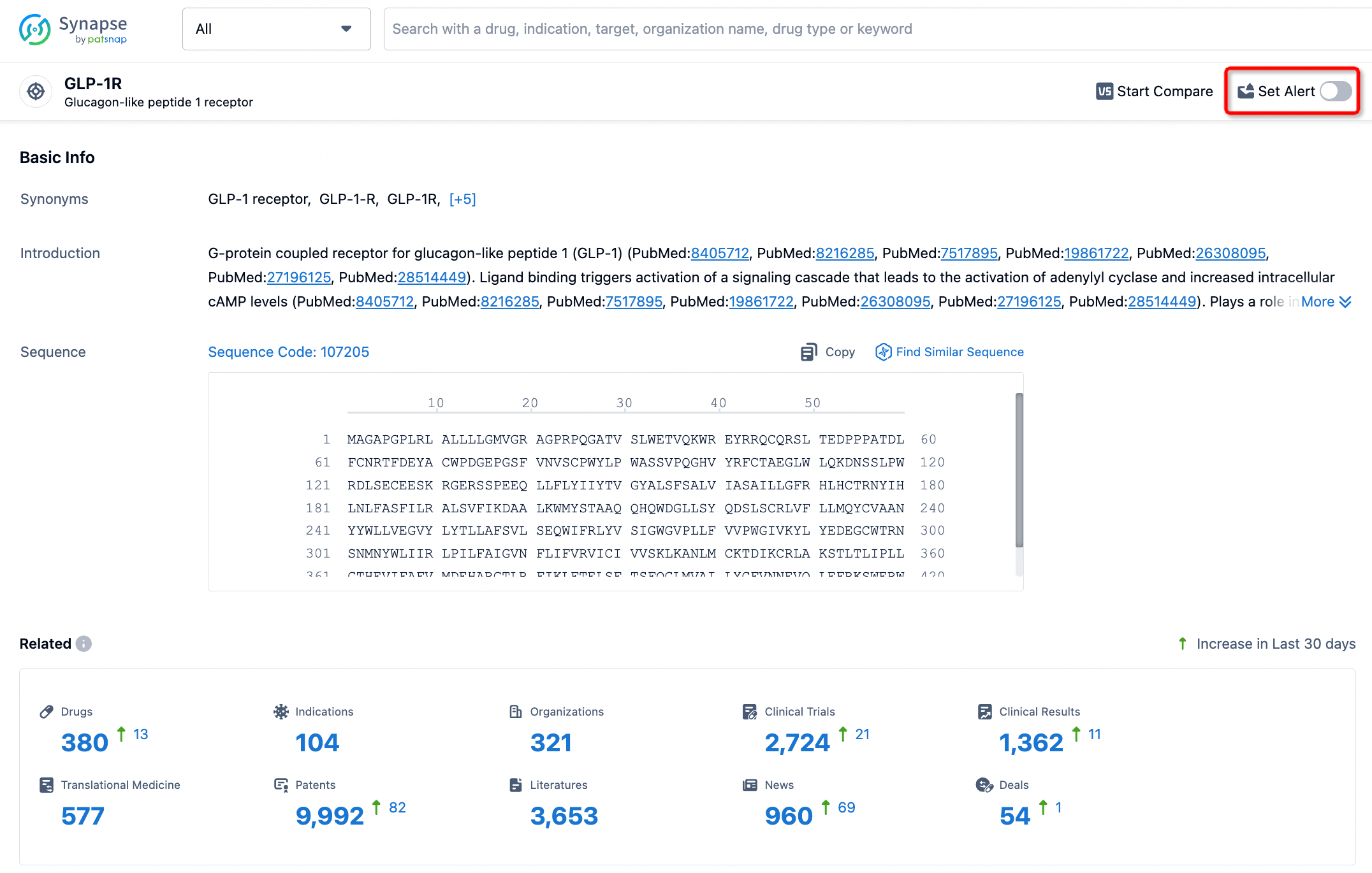
In the Synapse database, you can stay updated on the latest research and development advances of all targets. This service is accessible anytime and anywhere, with updates available daily or weekly. Use the "Set Alert" function to stay informed. Click on the image below to embark on a brand new journey of drug discovery!

AI Agents Built for Biopharma Breakthroughs
Accelerate discovery. Empower decisions. Transform outcomes.
Get started for free today!
Accelerate Strategic R&D decision making with Synapse, PatSnap’s AI-powered Connected Innovation Intelligence Platform Built for Life Sciences Professionals.
Start your data trial now!
Synapse data is also accessible to external entities via APIs or data packages. Empower better decisions with the latest in pharmaceutical intelligence.