Request Demo
What Are Microbial Consortia? Nature’s Team Players in Wastewater Treatment
29 April 2025
Microbial consortia are fascinating and intricate communities of microorganisms that work synergistically to achieve specific functions. In the realm of wastewater treatment, these consortia are nature’s team players, orchestrating a complex ballet that transforms waste into water that is safe for discharge or even reuse. The collaborative nature of microbial consortia makes them incredibly effective in breaking down pollutants, cycling nutrients, and ultimately, maintaining environmental balance.
At the heart of wastewater treatment lies a diverse cast of bacteria, fungi, algae, and archaea, each playing a unique role. These microorganisms form consortia that capitalize on their collective strengths, overcoming challenges that individual species might find insurmountable. Just as a sports team thrives on the diverse skills of its players, microbial consortia leverage the metabolic capabilities of their members, ensuring that wastewater is treated efficiently and effectively.
The process begins in the primary treatment stages, where larger solids are removed, leaving behind a mixture of dissolved and suspended organic material. Here, microbial consortia take center stage in the secondary treatment process, where they metabolize organic matter, reducing biochemical oxygen demand (BOD) and removing nutrients such as nitrogen and phosphorus. The capabilities of these consortia to adapt and respond to varying conditions—such as changes in pH, temperature, and pollutant load—are a testament to their evolutionary success.
One of the key roles of microbial consortia in wastewater treatment is the removal of nitrogen through a process known as nitrification and denitrification. During nitrification, ammonia-oxidizing bacteria convert ammonia into nitrite, which is then transformed into nitrate by nitrite-oxidizing bacteria. Subsequently, during denitrification, other bacteria reduce nitrate to nitrogen gas, which is harmlessly released into the atmosphere. This multi-step process is a prime example of how different microbial players come together to achieve a goal that no single species could accomplish alone.
Phosphorus removal is another critical function carried out by microbial consortia in wastewater treatment. Certain bacteria, known as polyphosphate-accumulating organisms (PAOs), uptake phosphorus in excess and store it in the form of polyphosphate granules. Through a series of anaerobic and aerobic cycles, these bacteria manage to sequester phosphorus, preventing it from causing eutrophication in natural water bodies.
The resilience and adaptability of microbial consortia are further enhanced by their ability to form biofilms—structured communities that adhere to surfaces within treatment systems. These biofilms provide a stable environment where microorganisms can thrive, protected from environmental stresses and able to exchange genetic material. This close-knit community structure not only enhances the stability and efficiency of wastewater treatment processes but also contributes to the self-healing and self-optimizing nature of these biological systems.
Furthermore, the study and manipulation of microbial consortia have opened up new opportunities for improving wastewater treatment technologies. By understanding the specific microbial interactions and optimizing conditions to favor beneficial consortia, engineers and scientists can design more efficient treatment processes. Advances in molecular biology techniques, such as metagenomics and transcriptomics, allow for a deeper understanding of microbial diversity and functionality, enabling targeted strategies to enhance system performance.
In conclusion, microbial consortia are indispensable allies in the quest for sustainable wastewater treatment. Their ability to work collaboratively, adapt to environmental changes, and efficiently process pollutants underscores their pivotal role in maintaining water quality. As we continue to explore and harness the power of these microscopic communities, we stand to make significant strides in environmental protection and resource recovery, paving the way for a cleaner and more sustainable future.
At the heart of wastewater treatment lies a diverse cast of bacteria, fungi, algae, and archaea, each playing a unique role. These microorganisms form consortia that capitalize on their collective strengths, overcoming challenges that individual species might find insurmountable. Just as a sports team thrives on the diverse skills of its players, microbial consortia leverage the metabolic capabilities of their members, ensuring that wastewater is treated efficiently and effectively.
The process begins in the primary treatment stages, where larger solids are removed, leaving behind a mixture of dissolved and suspended organic material. Here, microbial consortia take center stage in the secondary treatment process, where they metabolize organic matter, reducing biochemical oxygen demand (BOD) and removing nutrients such as nitrogen and phosphorus. The capabilities of these consortia to adapt and respond to varying conditions—such as changes in pH, temperature, and pollutant load—are a testament to their evolutionary success.
One of the key roles of microbial consortia in wastewater treatment is the removal of nitrogen through a process known as nitrification and denitrification. During nitrification, ammonia-oxidizing bacteria convert ammonia into nitrite, which is then transformed into nitrate by nitrite-oxidizing bacteria. Subsequently, during denitrification, other bacteria reduce nitrate to nitrogen gas, which is harmlessly released into the atmosphere. This multi-step process is a prime example of how different microbial players come together to achieve a goal that no single species could accomplish alone.
Phosphorus removal is another critical function carried out by microbial consortia in wastewater treatment. Certain bacteria, known as polyphosphate-accumulating organisms (PAOs), uptake phosphorus in excess and store it in the form of polyphosphate granules. Through a series of anaerobic and aerobic cycles, these bacteria manage to sequester phosphorus, preventing it from causing eutrophication in natural water bodies.
The resilience and adaptability of microbial consortia are further enhanced by their ability to form biofilms—structured communities that adhere to surfaces within treatment systems. These biofilms provide a stable environment where microorganisms can thrive, protected from environmental stresses and able to exchange genetic material. This close-knit community structure not only enhances the stability and efficiency of wastewater treatment processes but also contributes to the self-healing and self-optimizing nature of these biological systems.
Furthermore, the study and manipulation of microbial consortia have opened up new opportunities for improving wastewater treatment technologies. By understanding the specific microbial interactions and optimizing conditions to favor beneficial consortia, engineers and scientists can design more efficient treatment processes. Advances in molecular biology techniques, such as metagenomics and transcriptomics, allow for a deeper understanding of microbial diversity and functionality, enabling targeted strategies to enhance system performance.
In conclusion, microbial consortia are indispensable allies in the quest for sustainable wastewater treatment. Their ability to work collaboratively, adapt to environmental changes, and efficiently process pollutants underscores their pivotal role in maintaining water quality. As we continue to explore and harness the power of these microscopic communities, we stand to make significant strides in environmental protection and resource recovery, paving the way for a cleaner and more sustainable future.
Discover Eureka LS: AI Agents Built for Biopharma Efficiency
Stop wasting time on biopharma busywork. Meet Eureka LS - your AI agent squad for drug discovery.
▶ See how 50+ research teams saved 300+ hours/month
From reducing screening time to simplifying Markush drafting, our AI Agents are ready to deliver immediate value. Explore Eureka LS today and unlock powerful capabilities that help you innovate with confidence.
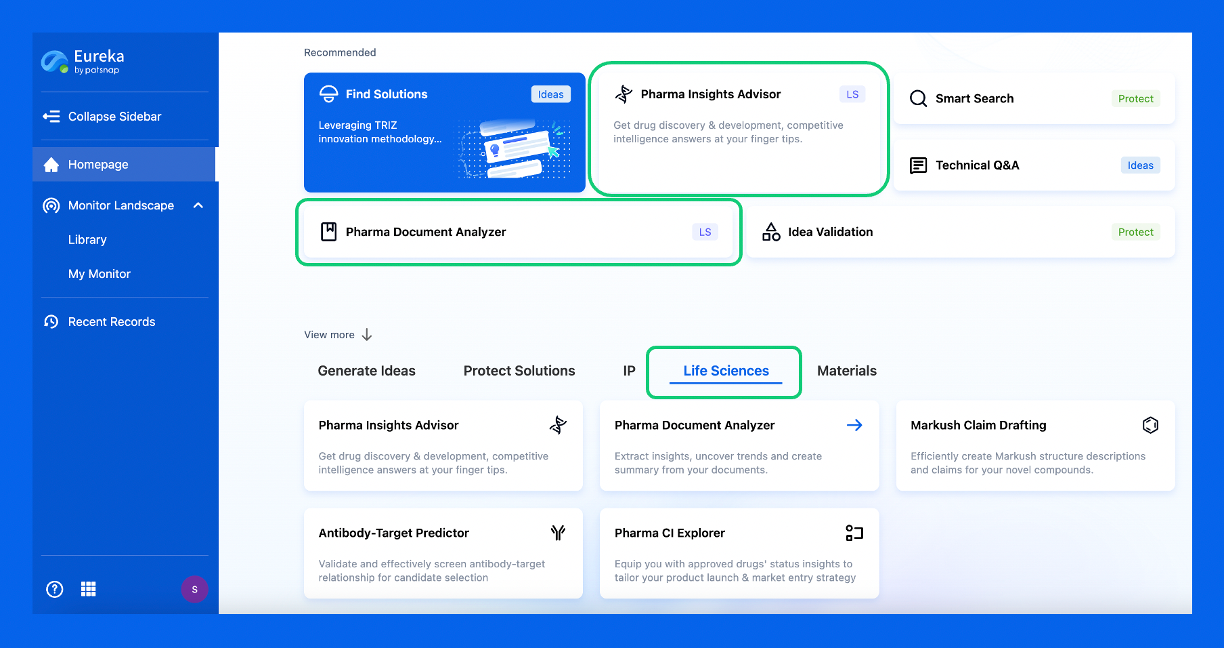
AI Agents Built for Biopharma Breakthroughs
Accelerate discovery. Empower decisions. Transform outcomes.
Get started for free today!
Accelerate Strategic R&D decision making with Synapse, PatSnap’s AI-powered Connected Innovation Intelligence Platform Built for Life Sciences Professionals.
Start your data trial now!
Synapse data is also accessible to external entities via APIs or data packages. Empower better decisions with the latest in pharmaceutical intelligence.