Request Demo
What are NF-κB modulators and how do they work?
21 June 2024
Nuclear factor kappa-light-chain-enhancer of activated B cells (NF-κB) is a protein complex that controls the transcription of DNA, cytokine production, and cell survival. This family of transcription factors plays a critical role in regulating the immune response to infection. Dysregulation of NF-κB has been linked to various disorders, including cancer, inflammatory conditions, and autoimmune diseases. As a result, NF-κB modulators have emerged as pivotal players in therapeutic strategies aimed at treating these conditions.
NF-κB modulators work through various mechanisms to influence the activity of the NF-κB pathway. Typically, NF-κB is inactive in the cytoplasm, bound to inhibitor proteins known as IκBs. Upon receiving a stimulatory signal, such as inflammation or stress, IκB proteins are phosphorylated by IκB kinases (IKKs) and subsequently degraded in the proteasome. This degradation frees NF-κB to translocate into the nucleus, where it can bind to DNA and activate the transcription of target genes involved in immune and inflammatory responses.
NF-κB modulators can act at several points along this pathway. Some inhibitors block the phosphorylation of IκB, preventing its degradation and thereby keeping NF-κB in an inactive state in the cytoplasm. Others target the proteasome to inhibit the breakdown of IκBs. Additionally, some modulators influence the DNA-binding ability of NF-κB directly, either preventing it from binding to DNA or promoting its release from DNA back into the cytoplasm. By manipulating these different stages, NF-κB modulators can fine-tune the activity of this critical signaling pathway, potentially restoring balance in disease states where NF-κB is improperly regulated.
NF-κB modulators have found applications in a wide range of medical conditions owing to their ability to control inflammation and immune responses. In chronic inflammatory diseases such as rheumatoid arthritis and inflammatory bowel disease, NF-κB plays a central role in maintaining the inflammatory state. Inhibitors of NF-κB have shown promise in reducing the symptoms of these diseases by dampening the inflammatory signals that perpetuate tissue damage and pain.
Cancer therapy is another significant area where NF-κB modulators are being explored. Many types of cancer exhibit constitutive activation of NF-κB, which promotes cell proliferation, inhibits apoptosis, and contributes to the development of resistance to chemotherapy. By inhibiting NF-κB activity, these modulators can sensitize cancer cells to treatment and induce cell death. Clinical trials are ongoing to assess the efficacy of these compounds in various cancers, including multiple myeloma, lymphoma, and solid tumors.
Autoimmune diseases, where the immune system erroneously attacks the body’s own tissues, also benefit from NF-κB modulators. In diseases like systemic lupus erythematosus (SLE) and multiple sclerosis (MS), targeting NF-κB can help to suppress the inappropriate immune activation that leads to tissue damage. These modulators can thus help in managing the symptoms and progression of autoimmune disorders.
Beyond these applications, NF-κB modulators are also being studied for their potential in treating neurodegenerative diseases, such as Alzheimer’s and Parkinson’s diseases. Inflammation is a significant component of these conditions, and by controlling NF-κB activity, it may be possible to slow down the neurodegenerative process. Similarly, in cardiovascular diseases, where inflammation plays a crucial role in the development of atherosclerosis, NF-κB inhibitors might offer therapeutic benefits.
In summary, NF-κB modulators represent a versatile and promising class of therapeutic agents capable of addressing a broad spectrum of diseases characterized by dysregulated inflammation and immune responses. By understanding and manipulating the NF-κB pathway, researchers and clinicians can develop targeted treatments that offer hope for patients suffering from chronic inflammation, cancer, autoimmune diseases, and beyond. Continued research and clinical trials are essential to fully unlock the potential of NF-κB modulators and translate these findings into effective therapies.
NF-κB modulators work through various mechanisms to influence the activity of the NF-κB pathway. Typically, NF-κB is inactive in the cytoplasm, bound to inhibitor proteins known as IκBs. Upon receiving a stimulatory signal, such as inflammation or stress, IκB proteins are phosphorylated by IκB kinases (IKKs) and subsequently degraded in the proteasome. This degradation frees NF-κB to translocate into the nucleus, where it can bind to DNA and activate the transcription of target genes involved in immune and inflammatory responses.
NF-κB modulators can act at several points along this pathway. Some inhibitors block the phosphorylation of IκB, preventing its degradation and thereby keeping NF-κB in an inactive state in the cytoplasm. Others target the proteasome to inhibit the breakdown of IκBs. Additionally, some modulators influence the DNA-binding ability of NF-κB directly, either preventing it from binding to DNA or promoting its release from DNA back into the cytoplasm. By manipulating these different stages, NF-κB modulators can fine-tune the activity of this critical signaling pathway, potentially restoring balance in disease states where NF-κB is improperly regulated.
NF-κB modulators have found applications in a wide range of medical conditions owing to their ability to control inflammation and immune responses. In chronic inflammatory diseases such as rheumatoid arthritis and inflammatory bowel disease, NF-κB plays a central role in maintaining the inflammatory state. Inhibitors of NF-κB have shown promise in reducing the symptoms of these diseases by dampening the inflammatory signals that perpetuate tissue damage and pain.
Cancer therapy is another significant area where NF-κB modulators are being explored. Many types of cancer exhibit constitutive activation of NF-κB, which promotes cell proliferation, inhibits apoptosis, and contributes to the development of resistance to chemotherapy. By inhibiting NF-κB activity, these modulators can sensitize cancer cells to treatment and induce cell death. Clinical trials are ongoing to assess the efficacy of these compounds in various cancers, including multiple myeloma, lymphoma, and solid tumors.
Autoimmune diseases, where the immune system erroneously attacks the body’s own tissues, also benefit from NF-κB modulators. In diseases like systemic lupus erythematosus (SLE) and multiple sclerosis (MS), targeting NF-κB can help to suppress the inappropriate immune activation that leads to tissue damage. These modulators can thus help in managing the symptoms and progression of autoimmune disorders.
Beyond these applications, NF-κB modulators are also being studied for their potential in treating neurodegenerative diseases, such as Alzheimer’s and Parkinson’s diseases. Inflammation is a significant component of these conditions, and by controlling NF-κB activity, it may be possible to slow down the neurodegenerative process. Similarly, in cardiovascular diseases, where inflammation plays a crucial role in the development of atherosclerosis, NF-κB inhibitors might offer therapeutic benefits.
In summary, NF-κB modulators represent a versatile and promising class of therapeutic agents capable of addressing a broad spectrum of diseases characterized by dysregulated inflammation and immune responses. By understanding and manipulating the NF-κB pathway, researchers and clinicians can develop targeted treatments that offer hope for patients suffering from chronic inflammation, cancer, autoimmune diseases, and beyond. Continued research and clinical trials are essential to fully unlock the potential of NF-κB modulators and translate these findings into effective therapies.
How to obtain the latest development progress of all targets?
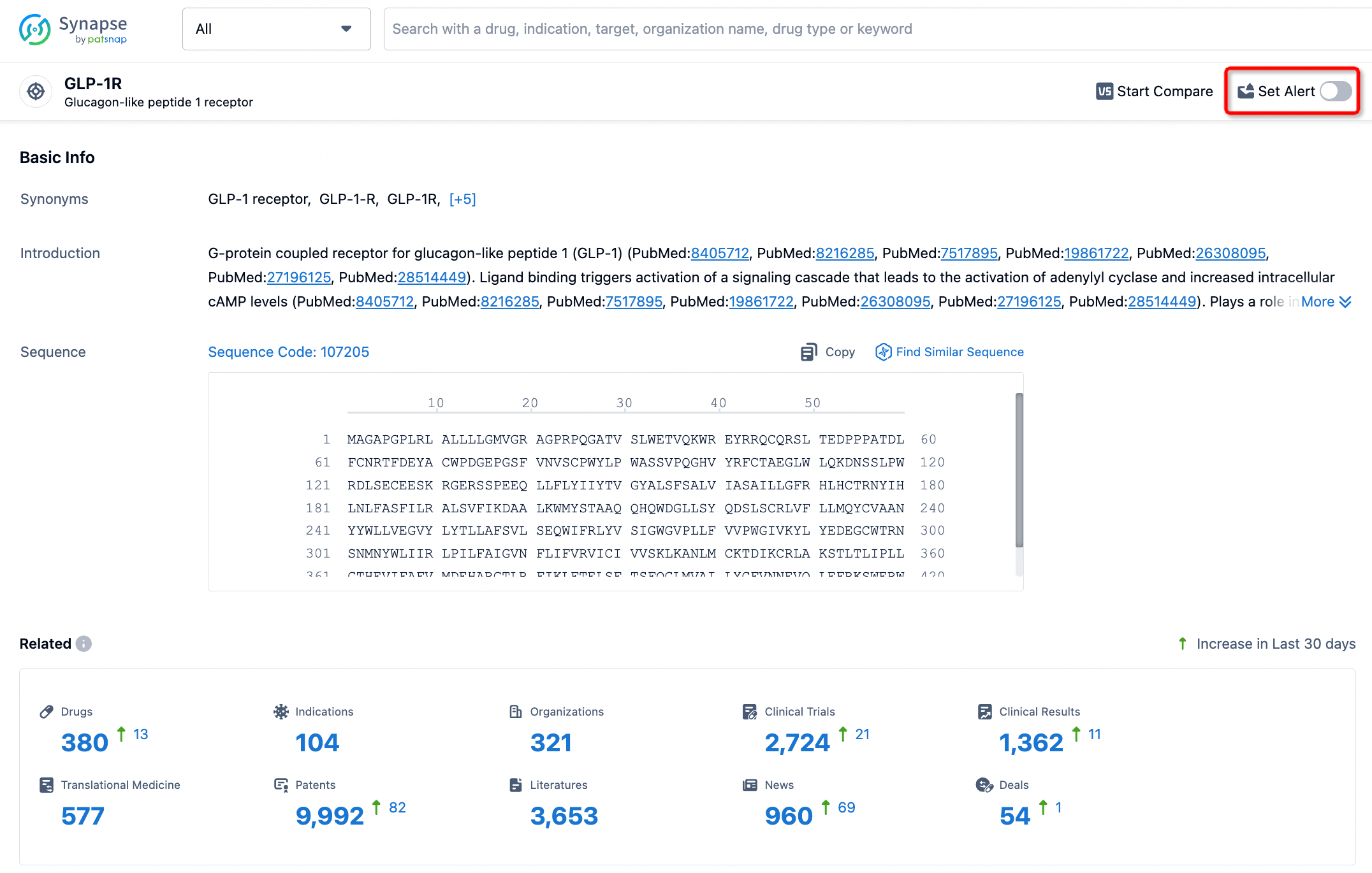
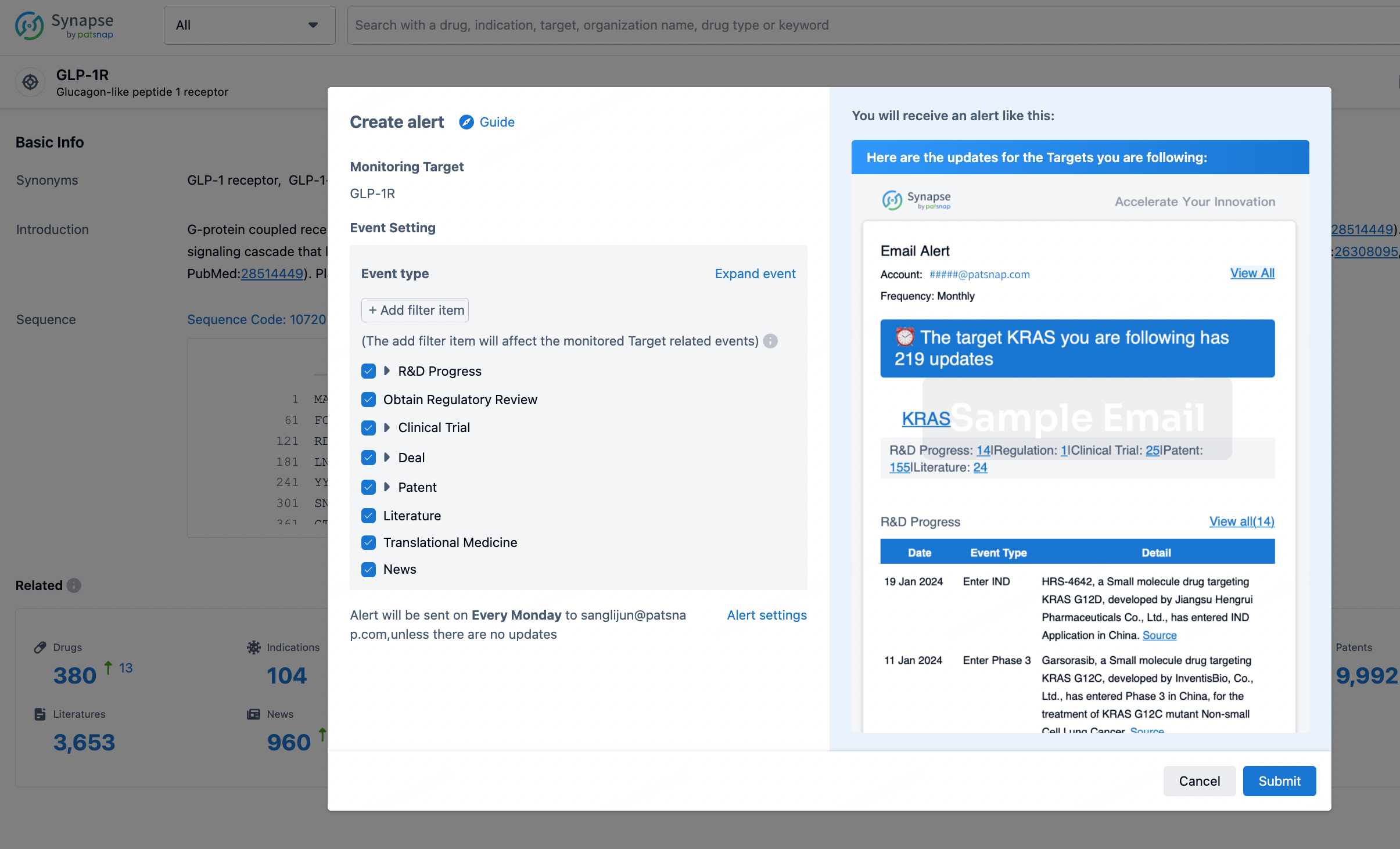
In the Synapse database, you can stay updated on the latest research and development advances of all targets. This service is accessible anytime and anywhere, with updates available daily or weekly. Use the "Set Alert" function to stay informed. Click on the image below to embark on a brand new journey of drug discovery!
AI Agents Built for Biopharma Breakthroughs
Accelerate discovery. Empower decisions. Transform outcomes.
Get started for free today!
Accelerate Strategic R&D decision making with Synapse, PatSnap’s AI-powered Connected Innovation Intelligence Platform Built for Life Sciences Professionals.
Start your data trial now!
Synapse data is also accessible to external entities via APIs or data packages. Empower better decisions with the latest in pharmaceutical intelligence.