Request Demo
What are NMNAT1 modulators and how do they work?
25 June 2024
Nicotinamide mononucleotide adenylyltransferase 1, or NMNAT1, is a key enzyme involved in the biosynthesis of NAD+ (nicotinamide adenine dinucleotide), a crucial molecule in cellular metabolism and signaling. The modulation of NMNAT1 activity has recently garnered significant interest due to its potential therapeutic applications in various diseases. This article delves into the mechanisms by which NMNAT1 modulators operate and explores their potential uses in contemporary medicine.
NMNAT1 modulators function by influencing the activity of the NMNAT1 enzyme, which plays a pivotal role in maintaining NAD+ homeostasis. NAD+ is essential for numerous cellular processes, including energy metabolism, DNA repair, and cell signaling. The enzyme catalyzes the conversion of nicotinamide mononucleotide (NMN) and ATP to NAD+ and pyrophosphate. By modulating NMNAT1 activity, these compounds can either enhance or inhibit the production of NAD+, thereby affecting cellular functions and stress responses.
There are two primary categories of NMNAT1 modulators: activators and inhibitors. Activators enhance NMNAT1 activity, leading to increased NAD+ levels. This is particularly beneficial in conditions where NAD+ depletion is a concern, such as in aging and neurodegenerative diseases. Conversely, inhibitors reduce NMNAT1 activity, which can be advantageous in situations where limiting NAD+ production might be beneficial, such as in certain types of cancer cells where NAD+ is required for rapid cell division.
One mechanism by which NMNAT1 activators work is by stabilizing the enzyme or increasing its affinity for substrates. By doing so, they enhance the enzyme's ability to produce NAD+. On the other hand, NMNAT1 inhibitors may work by competing with substrates, altering the enzyme's conformation, or even degrading the enzyme, thereby reducing NAD+ synthesis. Understanding these mechanisms allows researchers to develop targeted therapies that can modulate NAD+ levels in a controlled manner.
NMNAT1 modulators have shown promise in a variety of applications, particularly in age-related conditions and neurodegenerative diseases. As we age, NAD+ levels naturally decline, which is associated with decreased cellular repair and resilience. By activating NMNAT1 and boosting NAD+ levels, it may be possible to mitigate some of the physiological effects of aging, promoting healthier aging and extending lifespan.
In neurodegenerative diseases like Alzheimer's and Parkinson's, NAD+ depletion is a common feature. Enhancing NMNAT1 activity could potentially protect neurons from degeneration by ensuring adequate NAD+ levels, thus supporting cellular energy metabolism and stress responses. Preclinical studies have shown that NMNAT1 activators can improve cognitive function and reduce neuroinflammation, offering a promising avenue for therapeutic development.
Cancer is another area where NMNAT1 modulators could have significant impact. Rapidly dividing cancer cells require high levels of NAD+ to sustain their metabolic demands. By inhibiting NMNAT1, it may be possible to selectively starve cancer cells of NAD+, thereby slowing their growth and proliferation. This approach could complement existing cancer therapies, potentially leading to more effective treatment strategies.
Additionally, NMNAT1 modulators have potential applications in metabolic disorders. Conditions such as obesity, diabetes, and fatty liver disease are characterized by metabolic dysregulation, where NAD+ plays a crucial role. By modulating NMNAT1 activity and restoring NAD+ levels, it may be possible to correct these metabolic imbalances, improving overall metabolic health and reducing disease risk.
In conclusion, NMNAT1 modulators represent a promising frontier in medical research with potential applications across a range of diseases. By understanding and harnessing the mechanisms by which these modulators operate, researchers can develop targeted therapies to enhance NAD+ levels where needed or inhibit its production in disease states where NAD+ is a contributing factor. As research continues to advance, we can expect to see further developments in the therapeutic use of NMNAT1 modulators, offering hope for improved treatments and outcomes in a variety of conditions.
NMNAT1 modulators function by influencing the activity of the NMNAT1 enzyme, which plays a pivotal role in maintaining NAD+ homeostasis. NAD+ is essential for numerous cellular processes, including energy metabolism, DNA repair, and cell signaling. The enzyme catalyzes the conversion of nicotinamide mononucleotide (NMN) and ATP to NAD+ and pyrophosphate. By modulating NMNAT1 activity, these compounds can either enhance or inhibit the production of NAD+, thereby affecting cellular functions and stress responses.
There are two primary categories of NMNAT1 modulators: activators and inhibitors. Activators enhance NMNAT1 activity, leading to increased NAD+ levels. This is particularly beneficial in conditions where NAD+ depletion is a concern, such as in aging and neurodegenerative diseases. Conversely, inhibitors reduce NMNAT1 activity, which can be advantageous in situations where limiting NAD+ production might be beneficial, such as in certain types of cancer cells where NAD+ is required for rapid cell division.
One mechanism by which NMNAT1 activators work is by stabilizing the enzyme or increasing its affinity for substrates. By doing so, they enhance the enzyme's ability to produce NAD+. On the other hand, NMNAT1 inhibitors may work by competing with substrates, altering the enzyme's conformation, or even degrading the enzyme, thereby reducing NAD+ synthesis. Understanding these mechanisms allows researchers to develop targeted therapies that can modulate NAD+ levels in a controlled manner.
NMNAT1 modulators have shown promise in a variety of applications, particularly in age-related conditions and neurodegenerative diseases. As we age, NAD+ levels naturally decline, which is associated with decreased cellular repair and resilience. By activating NMNAT1 and boosting NAD+ levels, it may be possible to mitigate some of the physiological effects of aging, promoting healthier aging and extending lifespan.
In neurodegenerative diseases like Alzheimer's and Parkinson's, NAD+ depletion is a common feature. Enhancing NMNAT1 activity could potentially protect neurons from degeneration by ensuring adequate NAD+ levels, thus supporting cellular energy metabolism and stress responses. Preclinical studies have shown that NMNAT1 activators can improve cognitive function and reduce neuroinflammation, offering a promising avenue for therapeutic development.
Cancer is another area where NMNAT1 modulators could have significant impact. Rapidly dividing cancer cells require high levels of NAD+ to sustain their metabolic demands. By inhibiting NMNAT1, it may be possible to selectively starve cancer cells of NAD+, thereby slowing their growth and proliferation. This approach could complement existing cancer therapies, potentially leading to more effective treatment strategies.
Additionally, NMNAT1 modulators have potential applications in metabolic disorders. Conditions such as obesity, diabetes, and fatty liver disease are characterized by metabolic dysregulation, where NAD+ plays a crucial role. By modulating NMNAT1 activity and restoring NAD+ levels, it may be possible to correct these metabolic imbalances, improving overall metabolic health and reducing disease risk.
In conclusion, NMNAT1 modulators represent a promising frontier in medical research with potential applications across a range of diseases. By understanding and harnessing the mechanisms by which these modulators operate, researchers can develop targeted therapies to enhance NAD+ levels where needed or inhibit its production in disease states where NAD+ is a contributing factor. As research continues to advance, we can expect to see further developments in the therapeutic use of NMNAT1 modulators, offering hope for improved treatments and outcomes in a variety of conditions.
How to obtain the latest development progress of all targets?
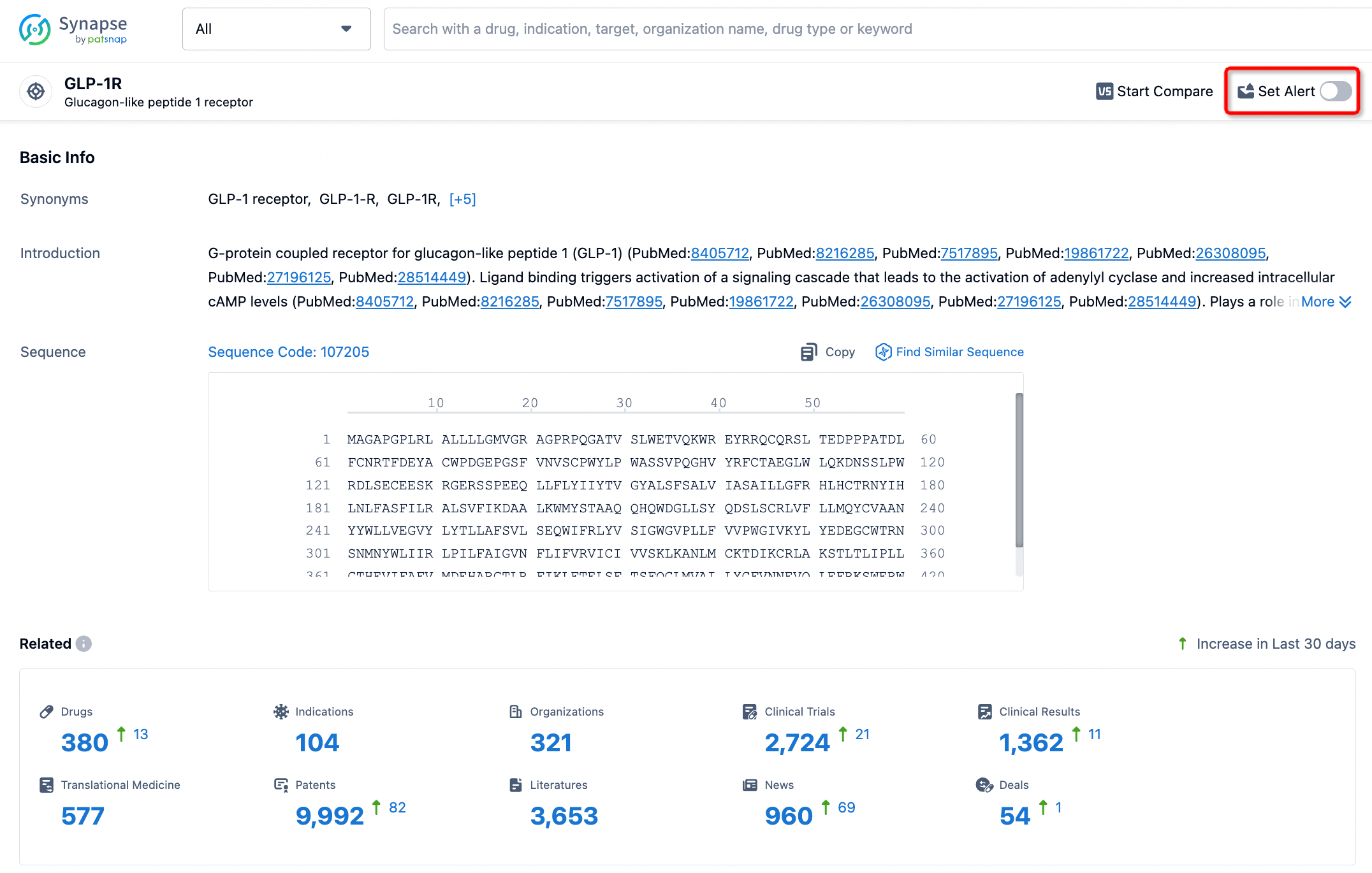
In the Synapse database, you can stay updated on the latest research and development advances of all targets. This service is accessible anytime and anywhere, with updates available daily or weekly. Use the "Set Alert" function to stay informed. Click on the image below to embark on a brand new journey of drug discovery!

Hiro LS Researcher
The AI Search Engine Built to Accelerate Biopharma Decisions
Search across billion-scale life sciences data to uncover signals, validate evidence, and act with confidence.
Ask any biopharma research question→
Get started for free today!
Accelerate Strategic R&D decision making with Synapse, Patsnap’s AI-powered Connected Innovation Intelligence Platform Built for Life Sciences Professionals.
Discover Synapse Data Servers
Synapse data is now integrated into the PatSnap LS Model Context Protocol (MCP) service. Customize your LLM agent now using our MCP server!