Request Demo
What are p38α inhibitors and how do they work?
21 June 2024
In recent years, the realm of pharmaceuticals has witnessed a burgeoning interest in kinase inhibitors, particularly those targeting the p38α mitogen-activated protein kinase (MAPK) pathway. p38α inhibitors have garnered significant attention due to their potential therapeutic applications in a variety of diseases characterized by inflammation and cellular stress responses. This blog post aims to provide an introduction to p38α inhibitors, elucidate their mechanisms of action, and explore their current and potential therapeutic uses.
p38α inhibitors represent a class of compounds that specifically inhibit the p38α isoform of the MAPK family. This family of kinases plays a crucial role in transducing extracellular signals into intracellular responses, often in the context of stress stimuli such as cytokines, UV radiation, and heat shock. The p38 MAPK pathway includes four isoforms: p38α, p38β, p38γ, and p38δ, with p38α being the most extensively studied due to its predominant role in inflammatory responses and its ubiquitous expression in various tissues.
The p38α MAPK pathway is activated when upstream kinases, such as MKK3 and MKK6, phosphorylate the p38α kinase. Once activated, p38α phosphorylates a wide range of downstream substrates, including transcription factors, other kinases, and various effector proteins. This cascade ultimately leads to the modulation of gene expression, cytokine production, and cellular responses to stress. By inhibiting p38α, these compounds effectively blunt the signaling cascade, thereby reducing the production of pro-inflammatory cytokines like TNF-α, IL-1β, and IL-6. The inhibition of p38α also impacts cellular processes such as apoptosis, differentiation, and proliferation, making these inhibitors versatile tools in disease management.
p38α inhibitors have been studied extensively in preclinical and clinical settings, showing promise across a myriad of conditions. One of the primary therapeutic areas where p38α inhibitors have shown considerable potential is in the treatment of inflammatory diseases. Conditions such as rheumatoid arthritis (RA), chronic obstructive pulmonary disease (COPD), and inflammatory bowel disease (IBD) share a common pathological feature: excessive and chronic inflammation. By targeting the p38α MAPK pathway, these inhibitors can attenuate the inflammatory response, providing symptomatic relief and potentially altering disease progression.
In oncology, p38α inhibitors have been explored as potential adjuvants in cancer therapy. Given their role in cellular stress responses and apoptosis, these inhibitors can sensitize cancer cells to chemotherapy and radiotherapy, thereby enhancing the efficacy of existing treatments. Additionally, the modulation of the tumor microenvironment through the inhibition of p38α could potentially inhibit tumor growth and metastasis.
Neurodegenerative diseases represent another promising area for the application of p38α inhibitors. In diseases such as Alzheimer's and Parkinson's, neuroinflammation is a hallmark of disease progression. By mitigating the inflammatory response in the central nervous system, p38α inhibitors could potentially slow down neurodegeneration and improve clinical outcomes for patients.
Despite the promising potential of p38α inhibitors, their clinical development has encountered several challenges. One of the primary concerns is the specificity and selectivity of these inhibitors. Given the structural similarity among the MAPK family members, achieving selective inhibition of p38α without off-target effects on other isoforms or kinases has been a significant hurdle. Moreover, chronic inhibition of p38α raises concerns about adverse effects related to the suppression of normal physiological functions, including immune responses and cellular homeostasis.
In conclusion, p38α inhibitors represent a promising class of therapeutic agents with the potential to address a wide range of diseases characterized by inflammation and cellular stress. Their ability to modulate critical signaling pathways underscores their versatility and therapeutic value. However, the journey from bench to bedside entails meticulous optimization to balance efficacy and safety, ensuring that these inhibitors can fulfill their potential in clinical practice. As research progresses, the future of p38α inhibitors looks hopeful, with the possibility of offering new and effective treatments for patients suffering from chronic inflammatory conditions, cancer, and neurodegenerative diseases.
p38α inhibitors represent a class of compounds that specifically inhibit the p38α isoform of the MAPK family. This family of kinases plays a crucial role in transducing extracellular signals into intracellular responses, often in the context of stress stimuli such as cytokines, UV radiation, and heat shock. The p38 MAPK pathway includes four isoforms: p38α, p38β, p38γ, and p38δ, with p38α being the most extensively studied due to its predominant role in inflammatory responses and its ubiquitous expression in various tissues.
The p38α MAPK pathway is activated when upstream kinases, such as MKK3 and MKK6, phosphorylate the p38α kinase. Once activated, p38α phosphorylates a wide range of downstream substrates, including transcription factors, other kinases, and various effector proteins. This cascade ultimately leads to the modulation of gene expression, cytokine production, and cellular responses to stress. By inhibiting p38α, these compounds effectively blunt the signaling cascade, thereby reducing the production of pro-inflammatory cytokines like TNF-α, IL-1β, and IL-6. The inhibition of p38α also impacts cellular processes such as apoptosis, differentiation, and proliferation, making these inhibitors versatile tools in disease management.
p38α inhibitors have been studied extensively in preclinical and clinical settings, showing promise across a myriad of conditions. One of the primary therapeutic areas where p38α inhibitors have shown considerable potential is in the treatment of inflammatory diseases. Conditions such as rheumatoid arthritis (RA), chronic obstructive pulmonary disease (COPD), and inflammatory bowel disease (IBD) share a common pathological feature: excessive and chronic inflammation. By targeting the p38α MAPK pathway, these inhibitors can attenuate the inflammatory response, providing symptomatic relief and potentially altering disease progression.
In oncology, p38α inhibitors have been explored as potential adjuvants in cancer therapy. Given their role in cellular stress responses and apoptosis, these inhibitors can sensitize cancer cells to chemotherapy and radiotherapy, thereby enhancing the efficacy of existing treatments. Additionally, the modulation of the tumor microenvironment through the inhibition of p38α could potentially inhibit tumor growth and metastasis.
Neurodegenerative diseases represent another promising area for the application of p38α inhibitors. In diseases such as Alzheimer's and Parkinson's, neuroinflammation is a hallmark of disease progression. By mitigating the inflammatory response in the central nervous system, p38α inhibitors could potentially slow down neurodegeneration and improve clinical outcomes for patients.
Despite the promising potential of p38α inhibitors, their clinical development has encountered several challenges. One of the primary concerns is the specificity and selectivity of these inhibitors. Given the structural similarity among the MAPK family members, achieving selective inhibition of p38α without off-target effects on other isoforms or kinases has been a significant hurdle. Moreover, chronic inhibition of p38α raises concerns about adverse effects related to the suppression of normal physiological functions, including immune responses and cellular homeostasis.
In conclusion, p38α inhibitors represent a promising class of therapeutic agents with the potential to address a wide range of diseases characterized by inflammation and cellular stress. Their ability to modulate critical signaling pathways underscores their versatility and therapeutic value. However, the journey from bench to bedside entails meticulous optimization to balance efficacy and safety, ensuring that these inhibitors can fulfill their potential in clinical practice. As research progresses, the future of p38α inhibitors looks hopeful, with the possibility of offering new and effective treatments for patients suffering from chronic inflammatory conditions, cancer, and neurodegenerative diseases.
How to obtain the latest development progress of all targets?
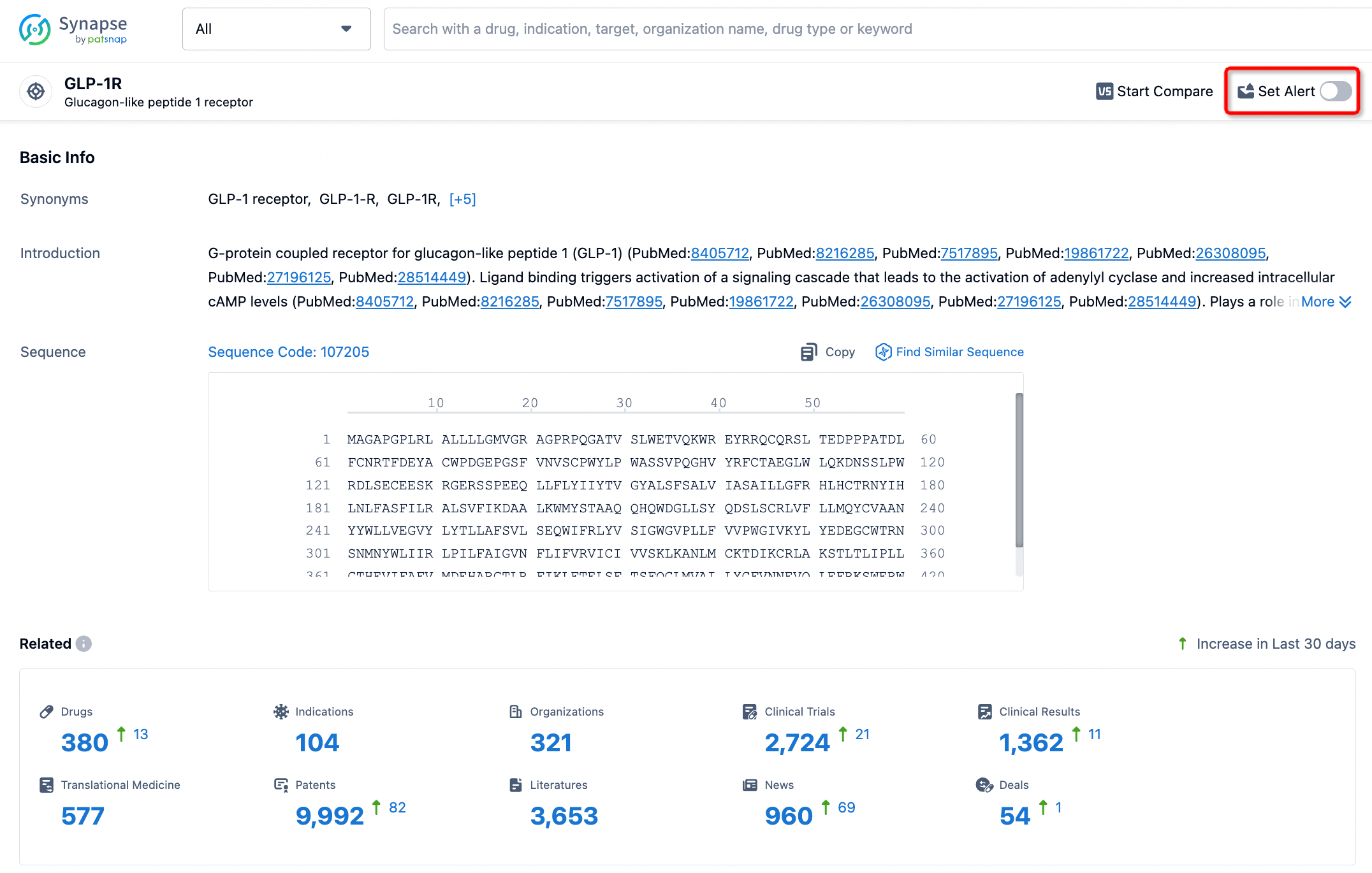
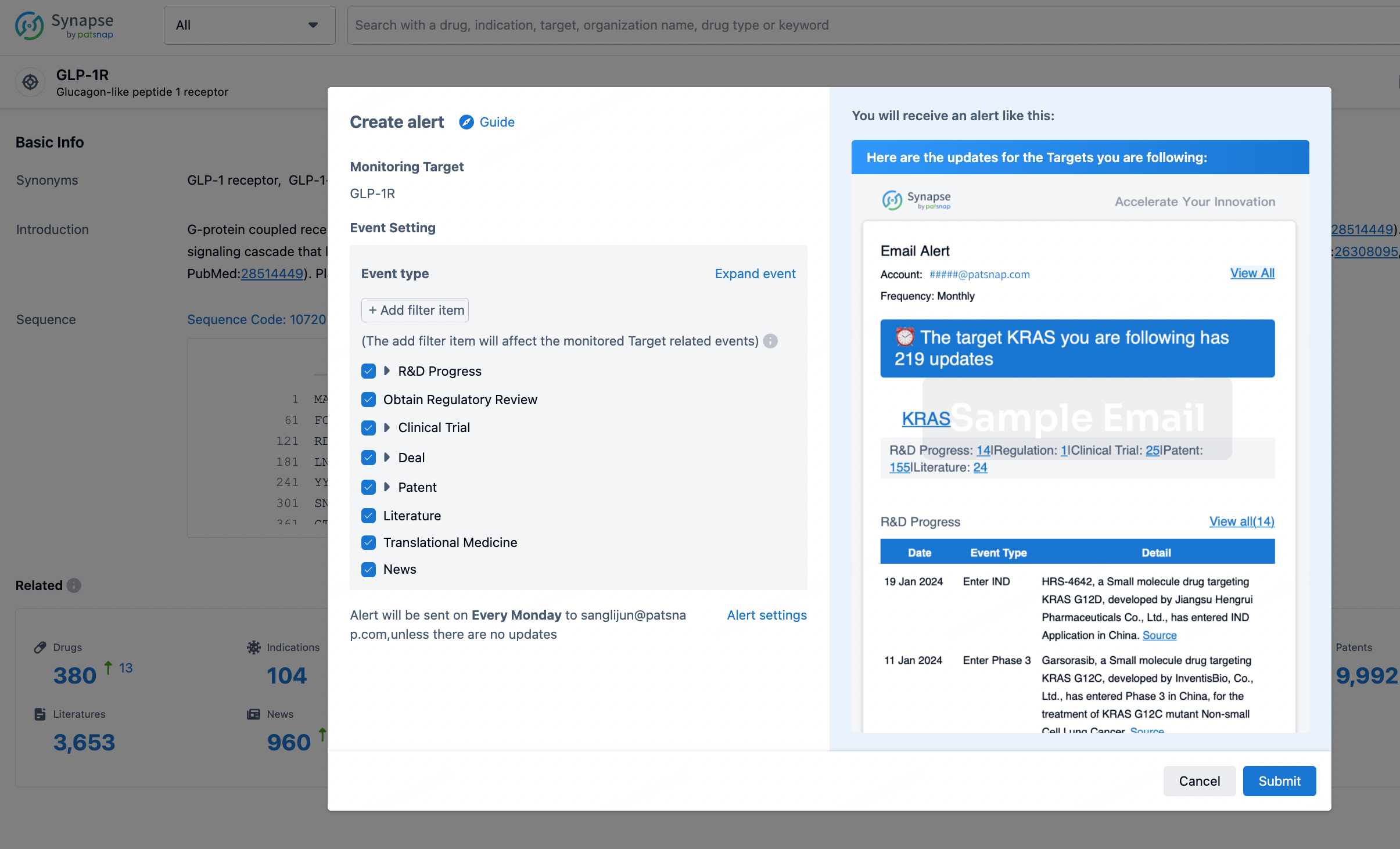
In the Synapse database, you can stay updated on the latest research and development advances of all targets. This service is accessible anytime and anywhere, with updates available daily or weekly. Use the "Set Alert" function to stay informed. Click on the image below to embark on a brand new journey of drug discovery!

AI Agents Built for Biopharma Breakthroughs
Accelerate discovery. Empower decisions. Transform outcomes.
Get started for free today!
Accelerate Strategic R&D decision making with Synapse, PatSnap’s AI-powered Connected Innovation Intelligence Platform Built for Life Sciences Professionals.
Start your data trial now!
Synapse data is also accessible to external entities via APIs or data packages. Empower better decisions with the latest in pharmaceutical intelligence.