Request Demo
What are PC inhibitors and how do they work?
25 June 2024
Introduction to PC Inhibitors
PC inhibitors, or Proteinase-Coagulase inhibitors, are a class of medications that have garnered significant attention in the medical community due to their potential in treating various conditions. These inhibitors play a critical role in modulating specific protein activities within the body, and their applications range from cardiovascular health to potential cancer therapies. Understanding how PC inhibitors work, their mechanism of action, and their broad spectrum of uses can offer a glimpse into their importance in modern medicine.
How Do PC Inhibitors Work?
To appreciate how PC inhibitors function, it's essential to understand the roles of proteinases and coagulases in the body. Proteinases are enzymes that break down proteins into smaller peptides or amino acids. While this process is crucial for numerous physiological functions like digestion and cell signaling, uncontrolled proteinase activity can lead to tissue damage and various diseases. Coagulases, on the other hand, are enzymes that promote blood clotting. They play a vital role in hemostasis but can also contribute to pathological conditions if unregulated.
PC inhibitors work by selectively inhibiting these enzymes' activity. They typically bind to the active site of proteinases or coagulases, thereby preventing these enzymes from interacting with their substrates. This inhibition can be reversible or irreversible, depending on the specific inhibitor and its mechanism of action. By blocking these enzymes, PC inhibitors can help control and modulate biological processes that might otherwise go awry.
What Are PC Inhibitors Used For?
The therapeutic applications of PC inhibitors are vast and varied. One of the primary areas where these inhibitors have shown promise is in cardiovascular health. Uncontrolled coagulase activity can lead to excessive blood clotting, contributing to conditions like deep vein thrombosis, pulmonary embolism, and stroke. PC inhibitors can mitigate these risks by preventing unwanted clot formation, thus offering a safer alternative to traditional anticoagulants, which often carry a risk of excessive bleeding.
In cancer treatment, PC inhibitors are being explored for their ability to disrupt the processes that allow cancer cells to invade and metastasize. Certain proteinases are known to degrade the extracellular matrix, a crucial step in cancer metastasis. By inhibiting these proteinases, PC inhibitors can potentially limit the spread of cancer within the body, providing a novel approach to cancer therapy.
Inflammatory diseases are another area where PC inhibitors may offer benefits. Excessive proteinase activity can contribute to chronic inflammation by breaking down tissue and releasing pro-inflammatory mediators. PC inhibitors can help control this excessive activity, reducing inflammation and tissue damage in conditions such as rheumatoid arthritis and inflammatory bowel disease.
Moreover, PC inhibitors are also being studied for their potential in treating infectious diseases. Some pathogens rely on proteinases to invade host tissues and evade the immune system. By inhibiting these proteinases, PC inhibitors can enhance the body's ability to fend off infections, offering a new avenue for antimicrobial therapy.
In addition to these applications, ongoing research is continually uncovering new potential uses for PC inhibitors. For instance, they are being investigated for their role in treating fibrotic diseases, where excessive tissue remodeling leads to organ dysfunction. By inhibiting the proteinases involved in this process, PC inhibitors could help manage or even reverse fibrosis.
In conclusion, PC inhibitors represent a versatile and promising class of medications with wide-ranging therapeutic applications. From cardiovascular health and cancer treatment to managing inflammatory and infectious diseases, these inhibitors offer multiple benefits by modulating the activity of crucial enzymes in the body. As research continues, it is likely that the full potential of PC inhibitors will be realized, paving the way for new and innovative treatments in various medical fields.
PC inhibitors, or Proteinase-Coagulase inhibitors, are a class of medications that have garnered significant attention in the medical community due to their potential in treating various conditions. These inhibitors play a critical role in modulating specific protein activities within the body, and their applications range from cardiovascular health to potential cancer therapies. Understanding how PC inhibitors work, their mechanism of action, and their broad spectrum of uses can offer a glimpse into their importance in modern medicine.
How Do PC Inhibitors Work?
To appreciate how PC inhibitors function, it's essential to understand the roles of proteinases and coagulases in the body. Proteinases are enzymes that break down proteins into smaller peptides or amino acids. While this process is crucial for numerous physiological functions like digestion and cell signaling, uncontrolled proteinase activity can lead to tissue damage and various diseases. Coagulases, on the other hand, are enzymes that promote blood clotting. They play a vital role in hemostasis but can also contribute to pathological conditions if unregulated.
PC inhibitors work by selectively inhibiting these enzymes' activity. They typically bind to the active site of proteinases or coagulases, thereby preventing these enzymes from interacting with their substrates. This inhibition can be reversible or irreversible, depending on the specific inhibitor and its mechanism of action. By blocking these enzymes, PC inhibitors can help control and modulate biological processes that might otherwise go awry.
What Are PC Inhibitors Used For?
The therapeutic applications of PC inhibitors are vast and varied. One of the primary areas where these inhibitors have shown promise is in cardiovascular health. Uncontrolled coagulase activity can lead to excessive blood clotting, contributing to conditions like deep vein thrombosis, pulmonary embolism, and stroke. PC inhibitors can mitigate these risks by preventing unwanted clot formation, thus offering a safer alternative to traditional anticoagulants, which often carry a risk of excessive bleeding.
In cancer treatment, PC inhibitors are being explored for their ability to disrupt the processes that allow cancer cells to invade and metastasize. Certain proteinases are known to degrade the extracellular matrix, a crucial step in cancer metastasis. By inhibiting these proteinases, PC inhibitors can potentially limit the spread of cancer within the body, providing a novel approach to cancer therapy.
Inflammatory diseases are another area where PC inhibitors may offer benefits. Excessive proteinase activity can contribute to chronic inflammation by breaking down tissue and releasing pro-inflammatory mediators. PC inhibitors can help control this excessive activity, reducing inflammation and tissue damage in conditions such as rheumatoid arthritis and inflammatory bowel disease.
Moreover, PC inhibitors are also being studied for their potential in treating infectious diseases. Some pathogens rely on proteinases to invade host tissues and evade the immune system. By inhibiting these proteinases, PC inhibitors can enhance the body's ability to fend off infections, offering a new avenue for antimicrobial therapy.
In addition to these applications, ongoing research is continually uncovering new potential uses for PC inhibitors. For instance, they are being investigated for their role in treating fibrotic diseases, where excessive tissue remodeling leads to organ dysfunction. By inhibiting the proteinases involved in this process, PC inhibitors could help manage or even reverse fibrosis.
In conclusion, PC inhibitors represent a versatile and promising class of medications with wide-ranging therapeutic applications. From cardiovascular health and cancer treatment to managing inflammatory and infectious diseases, these inhibitors offer multiple benefits by modulating the activity of crucial enzymes in the body. As research continues, it is likely that the full potential of PC inhibitors will be realized, paving the way for new and innovative treatments in various medical fields.
How to obtain the latest development progress of all targets?
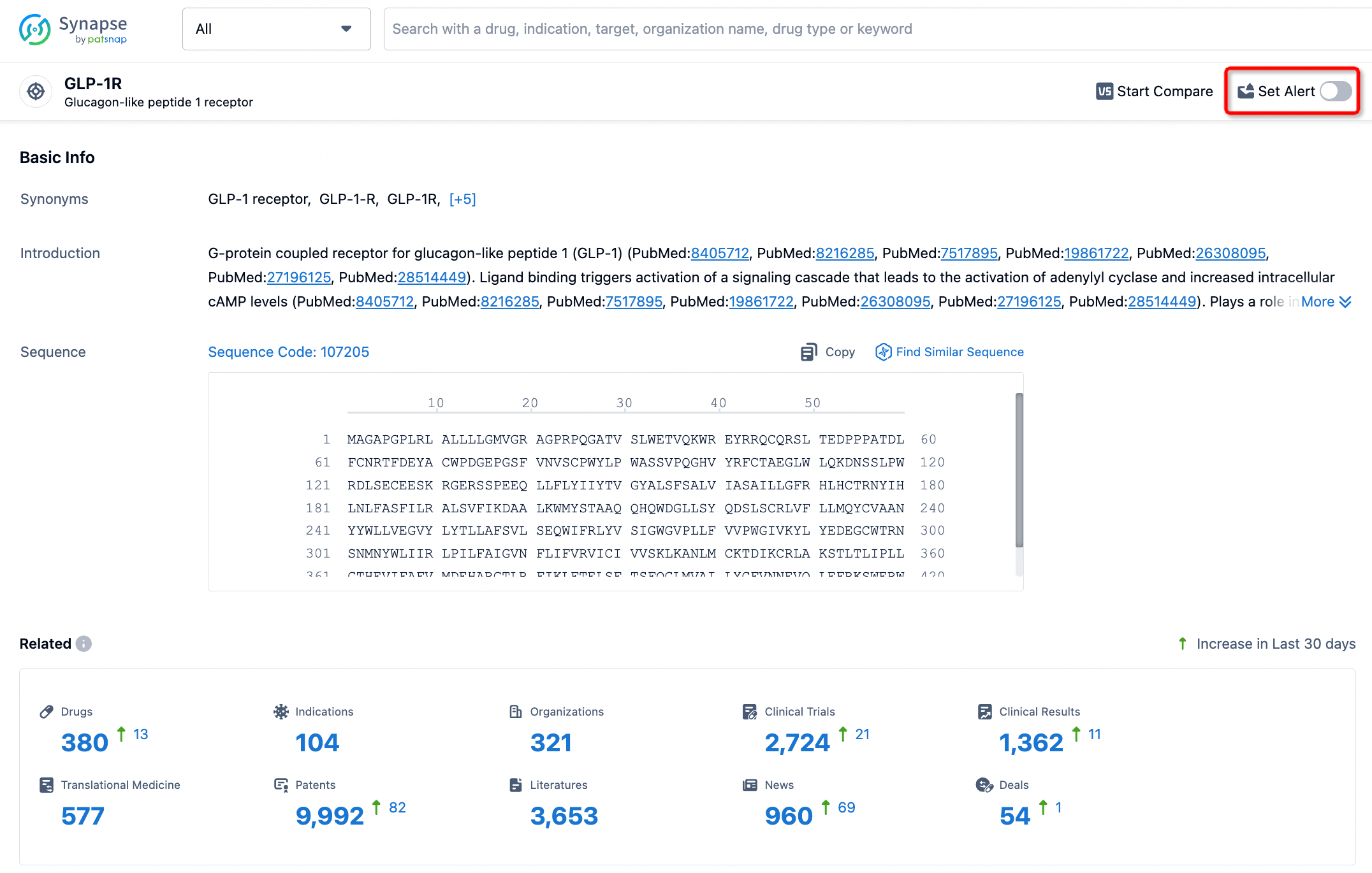
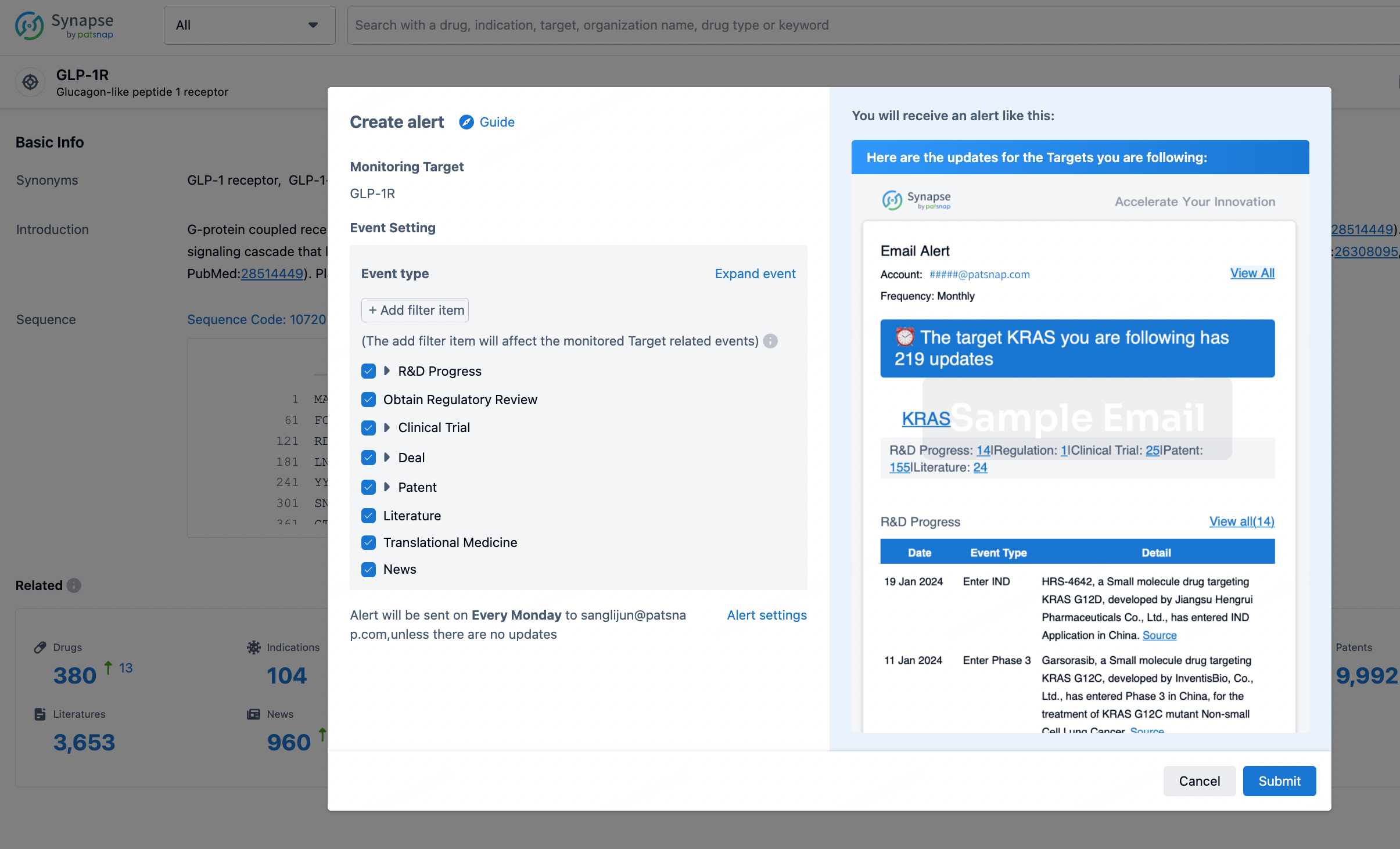
In the Synapse database, you can stay updated on the latest research and development advances of all targets. This service is accessible anytime and anywhere, with updates available daily or weekly. Use the "Set Alert" function to stay informed. Click on the image below to embark on a brand new journey of drug discovery!
AI Agents Built for Biopharma Breakthroughs
Accelerate discovery. Empower decisions. Transform outcomes.
Get started for free today!
Accelerate Strategic R&D decision making with Synapse, PatSnap’s AI-powered Connected Innovation Intelligence Platform Built for Life Sciences Professionals.
Start your data trial now!
Synapse data is also accessible to external entities via APIs or data packages. Empower better decisions with the latest in pharmaceutical intelligence.