Request Demo
What are RUNX1 antagonists and how do they work?
25 June 2024
RUNX1 antagonists have emerged as a promising area of research in the field of cancer therapy and other diseases. RUNX1, or Runt-related transcription factor 1, is a gene that plays a critical role in the regulation of hematopoiesis, the process by which blood cells are formed. Mutations and dysregulation of RUNX1 have been implicated in various forms of leukemia and other malignancies, making it a significant target for therapeutic intervention. This blog post will delve into what RUNX1 antagonists are, how they work, and their potential applications.
RUNX1 antagonists are compounds or molecules designed to inhibit the activity of the RUNX1 transcription factor. Transcription factors are proteins that help turn specific genes on or off by binding to nearby DNA. RUNX1 is essential for the normal development of blood cells, but when it malfunctions, it can lead to uncontrolled cell proliferation and cancer. RUNX1 antagonists work by binding to the RUNX1 protein or its co-factors, preventing it from interacting with DNA and initiating the transcription of genes that promote cell growth and survival. By blocking these interactions, RUNX1 antagonists can potentially halt the progression of cancer.
The mechanism of action of RUNX1 antagonists is primarily through interfering with the DNA-binding ability of the RUNX1 protein. This can be achieved in several ways. Some antagonists may directly bind to the RUNX1 protein, altering its conformation and preventing it from attaching to DNA. Others may compete with RUNX1 for binding sites on the DNA, effectively blocking its ability to regulate gene expression. Additionally, some RUNX1 antagonists may disrupt the formation of the RUNX1 transcriptional complex by inhibiting its interaction with co-factors and other regulatory proteins. These mechanisms collectively contribute to the downregulation of RUNX1 target genes, which can inhibit cancer cell growth and induce apoptosis, or programmed cell death.
RUNX1 antagonists are being investigated for their potential use in a variety of clinical applications. One of the primary areas of research is in the treatment of leukemia, particularly acute myeloid leukemia (AML) and acute lymphoblastic leukemia (ALL). These types of leukemia are often associated with mutations in the RUNX1 gene, leading to abnormal blood cell development and proliferation. By targeting RUNX1, these antagonists offer a novel approach to disrupt the underlying mechanisms driving these cancers.
Beyond leukemia, RUNX1 antagonists are also being explored for their role in other cancers where RUNX1 is implicated. For instance, solid tumors such as breast cancer and lung cancer have shown aberrant RUNX1 activity, making RUNX1 antagonists a potential therapeutic option. Preclinical studies have demonstrated that inhibiting RUNX1 can reduce tumor growth and enhance the effectiveness of existing treatments, such as chemotherapy and radiation therapy.
In addition to cancer, RUNX1 antagonists may have applications in the treatment of other diseases characterized by abnormal blood cell formation and function. For example, myelodysplastic syndromes (MDS) and certain types of anemias involve dysfunctional hematopoiesis, and RUNX1 antagonists could help restore normal blood cell production. Furthermore, recent research suggests that RUNX1 may play a role in immune system regulation, opening the door to potential therapies for autoimmune diseases and other immune-related conditions.
In conclusion, RUNX1 antagonists represent a promising therapeutic avenue for a range of diseases, particularly those involving abnormal blood cell development and cancer. By targeting the RUNX1 transcription factor, these antagonists can disrupt the pathological processes underpinning these conditions and offer new hope for patients. As research continues to advance, the potential for RUNX1 antagonists to become a staple in the treatment of various diseases is becoming increasingly apparent.
RUNX1 antagonists are compounds or molecules designed to inhibit the activity of the RUNX1 transcription factor. Transcription factors are proteins that help turn specific genes on or off by binding to nearby DNA. RUNX1 is essential for the normal development of blood cells, but when it malfunctions, it can lead to uncontrolled cell proliferation and cancer. RUNX1 antagonists work by binding to the RUNX1 protein or its co-factors, preventing it from interacting with DNA and initiating the transcription of genes that promote cell growth and survival. By blocking these interactions, RUNX1 antagonists can potentially halt the progression of cancer.
The mechanism of action of RUNX1 antagonists is primarily through interfering with the DNA-binding ability of the RUNX1 protein. This can be achieved in several ways. Some antagonists may directly bind to the RUNX1 protein, altering its conformation and preventing it from attaching to DNA. Others may compete with RUNX1 for binding sites on the DNA, effectively blocking its ability to regulate gene expression. Additionally, some RUNX1 antagonists may disrupt the formation of the RUNX1 transcriptional complex by inhibiting its interaction with co-factors and other regulatory proteins. These mechanisms collectively contribute to the downregulation of RUNX1 target genes, which can inhibit cancer cell growth and induce apoptosis, or programmed cell death.
RUNX1 antagonists are being investigated for their potential use in a variety of clinical applications. One of the primary areas of research is in the treatment of leukemia, particularly acute myeloid leukemia (AML) and acute lymphoblastic leukemia (ALL). These types of leukemia are often associated with mutations in the RUNX1 gene, leading to abnormal blood cell development and proliferation. By targeting RUNX1, these antagonists offer a novel approach to disrupt the underlying mechanisms driving these cancers.
Beyond leukemia, RUNX1 antagonists are also being explored for their role in other cancers where RUNX1 is implicated. For instance, solid tumors such as breast cancer and lung cancer have shown aberrant RUNX1 activity, making RUNX1 antagonists a potential therapeutic option. Preclinical studies have demonstrated that inhibiting RUNX1 can reduce tumor growth and enhance the effectiveness of existing treatments, such as chemotherapy and radiation therapy.
In addition to cancer, RUNX1 antagonists may have applications in the treatment of other diseases characterized by abnormal blood cell formation and function. For example, myelodysplastic syndromes (MDS) and certain types of anemias involve dysfunctional hematopoiesis, and RUNX1 antagonists could help restore normal blood cell production. Furthermore, recent research suggests that RUNX1 may play a role in immune system regulation, opening the door to potential therapies for autoimmune diseases and other immune-related conditions.
In conclusion, RUNX1 antagonists represent a promising therapeutic avenue for a range of diseases, particularly those involving abnormal blood cell development and cancer. By targeting the RUNX1 transcription factor, these antagonists can disrupt the pathological processes underpinning these conditions and offer new hope for patients. As research continues to advance, the potential for RUNX1 antagonists to become a staple in the treatment of various diseases is becoming increasingly apparent.
How to obtain the latest development progress of all targets?
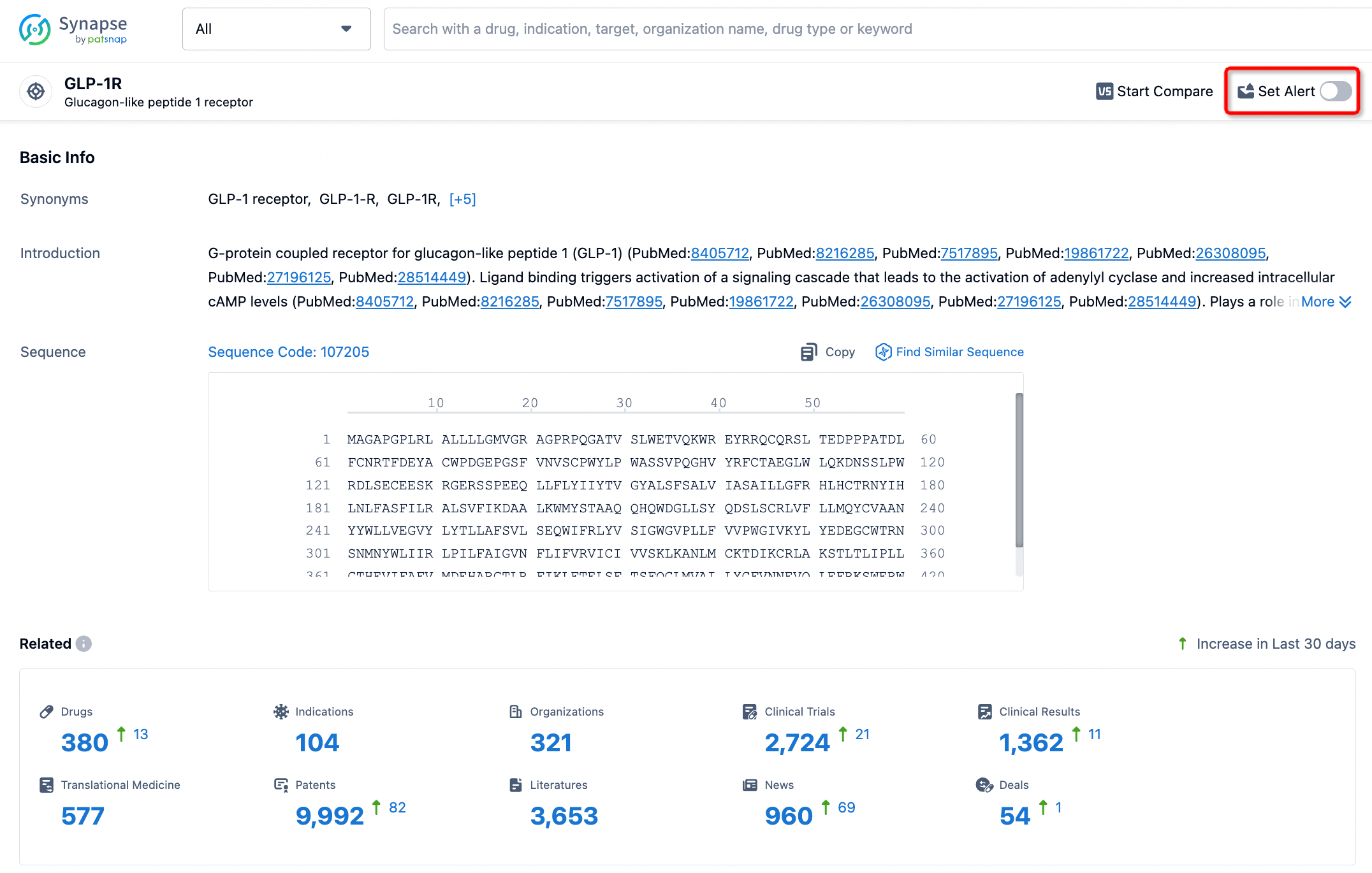
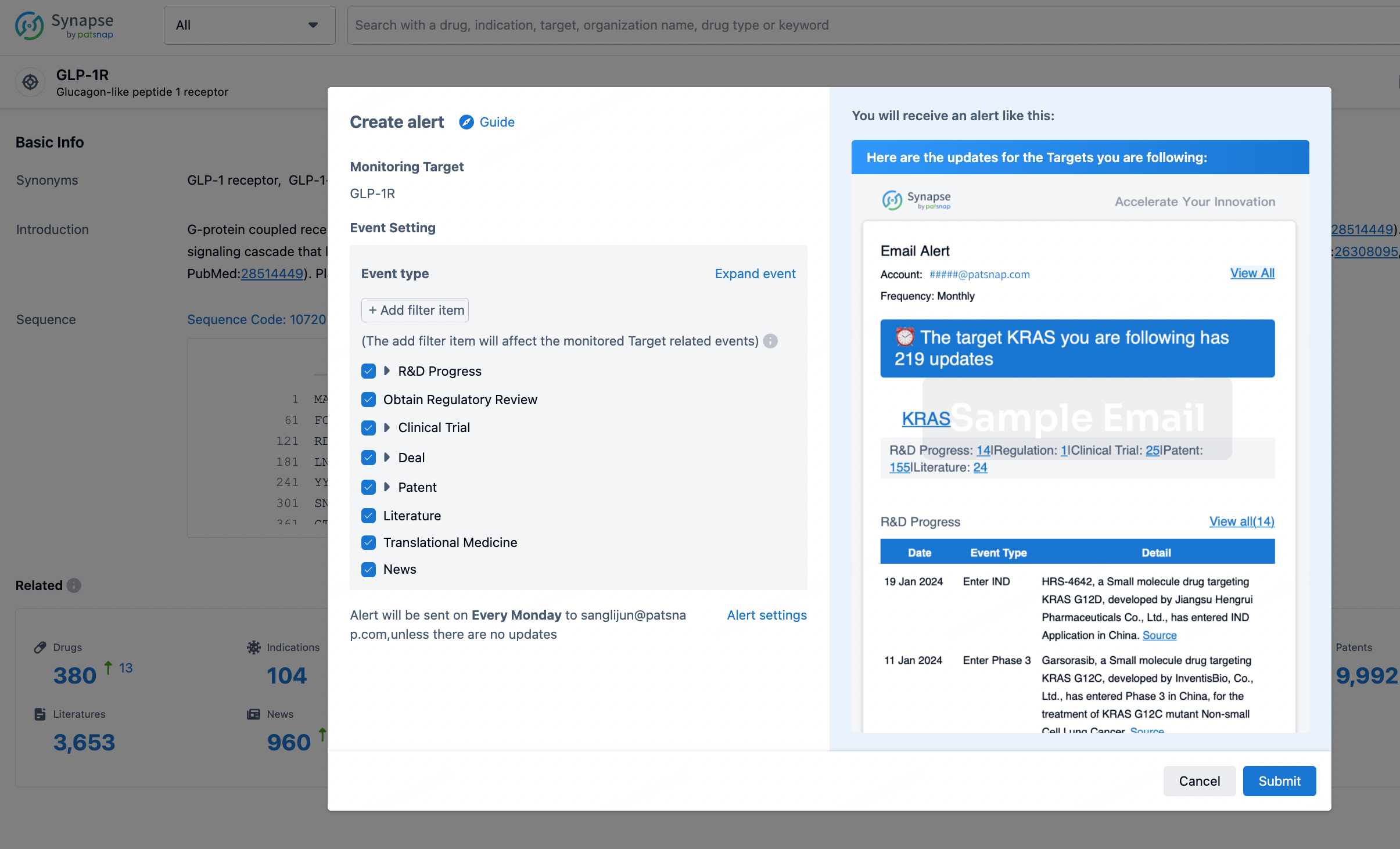
In the Synapse database, you can stay updated on the latest research and development advances of all targets. This service is accessible anytime and anywhere, with updates available daily or weekly. Use the "Set Alert" function to stay informed. Click on the image below to embark on a brand new journey of drug discovery!
AI Agents Built for Biopharma Breakthroughs
Accelerate discovery. Empower decisions. Transform outcomes.
Get started for free today!
Accelerate Strategic R&D decision making with Synapse, PatSnap’s AI-powered Connected Innovation Intelligence Platform Built for Life Sciences Professionals.
Start your data trial now!
Synapse data is also accessible to external entities via APIs or data packages. Empower better decisions with the latest in pharmaceutical intelligence.