Request Demo
What are Sphingosine 1 phosphate inhibitors and how do they work?
26 June 2024
Sphingosine 1-phosphate (S1P) inhibitors have emerged as significant players in the field of medical research due to their potential in treating a variety of diseases. S1P, a bioactive lipid mediator, is involved in numerous physiological processes, including immune cell trafficking, vascular development, and cell growth. Unregulated S1P signaling is implicated in a range of pathological conditions, such as autoimmune diseases, cancer, and cardiovascular disorders. Understanding the role of S1P inhibitors provides insight into their therapeutic potential and the mechanisms by which they can be leveraged to combat various illnesses.
S1P inhibitors work by targeting the S1P signaling pathway, which is initiated when S1P binds to its specific G protein-coupled receptors (S1PRs) on the cell surface. These receptors—S1PR1 through S1PR5—mediate diverse cellular responses. The binding of S1P to these receptors triggers downstream signaling cascades that influence cell proliferation, migration, and survival. S1P inhibitors interfere with this process by either reducing S1P levels or blocking its interaction with S1PRs.
One class of S1P inhibitors consists of small molecules that target the enzyme sphingosine kinase (SphK), which phosphorylates sphingosine to produce S1P. By inhibiting SphK, the synthesis of S1P is reduced, leading to decreased S1P levels and subsequent downregulation of its signaling pathways. Another approach involves the use of S1P receptor antagonists, which prevent S1P from binding to its receptors, thereby inhibiting the downstream effects of S1P signaling.
These inhibitors can modulate immune responses, reduce inflammation, and prevent the proliferation of abnormal cells. Through these mechanisms, S1P inhibitors show promise in treating a variety of diseases. One of the most well-known applications of S1P inhibitors is in the treatment of multiple sclerosis (MS), an autoimmune disorder characterized by the immune system attacking the central nervous system. Fingolimod, the first oral disease-modifying therapy for MS, is a prodrug that is phosphorylated in vivo to form an S1P receptor modulator. By binding to S1PR1, fingolimod traps lymphocytes in lymph nodes, preventing them from reaching the central nervous system and causing damage.
Beyond MS, S1P inhibitors are being investigated for their potential in treating other autoimmune diseases such as rheumatoid arthritis and inflammatory bowel disease. In these conditions, S1P signaling contributes to the recruitment and activation of immune cells that drive inflammation. By inhibiting S1P signaling, these drugs can help reduce inflammation and tissue damage.
Cancer is another area where S1P inhibitors show promise. S1P is known to promote tumor growth and metastasis by enhancing cell survival, proliferation, and angiogenesis. Inhibitors of SphK or S1P receptors can potentially disrupt these processes, thereby slowing tumor progression and improving the efficacy of existing cancer therapies. Preclinical studies have demonstrated the potential of S1P inhibitors in various cancer models, and clinical trials are underway to assess their safety and efficacy in humans.
Cardiovascular diseases also represent a significant target for S1P inhibitors. S1P plays a crucial role in maintaining vascular integrity and regulating blood pressure. However, dysregulated S1P signaling can contribute to atherosclerosis, hypertension, and other cardiovascular conditions. S1P receptor modulators are being explored for their ability to stabilize atherosclerotic plaques, reduce vascular inflammation, and improve overall cardiovascular health.
In addition to these primary applications, ongoing research continues to uncover new potential uses for S1P inhibitors. For instance, their role in neurodegenerative diseases such as Alzheimer's disease is being explored, given the involvement of S1P signaling in neural cell survival and inflammation.
In conclusion, Sphingosine 1-phosphate inhibitors represent a promising avenue for therapeutic intervention across a broad spectrum of diseases. By modulating the S1P signaling pathway, these drugs have the potential to treat autoimmune conditions, cancer, cardiovascular diseases, and possibly more. As research advances, the development of more selective and potent S1P inhibitors will likely expand their clinical applications, offering new hope for patients with these challenging health conditions.
S1P inhibitors work by targeting the S1P signaling pathway, which is initiated when S1P binds to its specific G protein-coupled receptors (S1PRs) on the cell surface. These receptors—S1PR1 through S1PR5—mediate diverse cellular responses. The binding of S1P to these receptors triggers downstream signaling cascades that influence cell proliferation, migration, and survival. S1P inhibitors interfere with this process by either reducing S1P levels or blocking its interaction with S1PRs.
One class of S1P inhibitors consists of small molecules that target the enzyme sphingosine kinase (SphK), which phosphorylates sphingosine to produce S1P. By inhibiting SphK, the synthesis of S1P is reduced, leading to decreased S1P levels and subsequent downregulation of its signaling pathways. Another approach involves the use of S1P receptor antagonists, which prevent S1P from binding to its receptors, thereby inhibiting the downstream effects of S1P signaling.
These inhibitors can modulate immune responses, reduce inflammation, and prevent the proliferation of abnormal cells. Through these mechanisms, S1P inhibitors show promise in treating a variety of diseases. One of the most well-known applications of S1P inhibitors is in the treatment of multiple sclerosis (MS), an autoimmune disorder characterized by the immune system attacking the central nervous system. Fingolimod, the first oral disease-modifying therapy for MS, is a prodrug that is phosphorylated in vivo to form an S1P receptor modulator. By binding to S1PR1, fingolimod traps lymphocytes in lymph nodes, preventing them from reaching the central nervous system and causing damage.
Beyond MS, S1P inhibitors are being investigated for their potential in treating other autoimmune diseases such as rheumatoid arthritis and inflammatory bowel disease. In these conditions, S1P signaling contributes to the recruitment and activation of immune cells that drive inflammation. By inhibiting S1P signaling, these drugs can help reduce inflammation and tissue damage.
Cancer is another area where S1P inhibitors show promise. S1P is known to promote tumor growth and metastasis by enhancing cell survival, proliferation, and angiogenesis. Inhibitors of SphK or S1P receptors can potentially disrupt these processes, thereby slowing tumor progression and improving the efficacy of existing cancer therapies. Preclinical studies have demonstrated the potential of S1P inhibitors in various cancer models, and clinical trials are underway to assess their safety and efficacy in humans.
Cardiovascular diseases also represent a significant target for S1P inhibitors. S1P plays a crucial role in maintaining vascular integrity and regulating blood pressure. However, dysregulated S1P signaling can contribute to atherosclerosis, hypertension, and other cardiovascular conditions. S1P receptor modulators are being explored for their ability to stabilize atherosclerotic plaques, reduce vascular inflammation, and improve overall cardiovascular health.
In addition to these primary applications, ongoing research continues to uncover new potential uses for S1P inhibitors. For instance, their role in neurodegenerative diseases such as Alzheimer's disease is being explored, given the involvement of S1P signaling in neural cell survival and inflammation.
In conclusion, Sphingosine 1-phosphate inhibitors represent a promising avenue for therapeutic intervention across a broad spectrum of diseases. By modulating the S1P signaling pathway, these drugs have the potential to treat autoimmune conditions, cancer, cardiovascular diseases, and possibly more. As research advances, the development of more selective and potent S1P inhibitors will likely expand their clinical applications, offering new hope for patients with these challenging health conditions.
How to obtain the latest development progress of all targets?
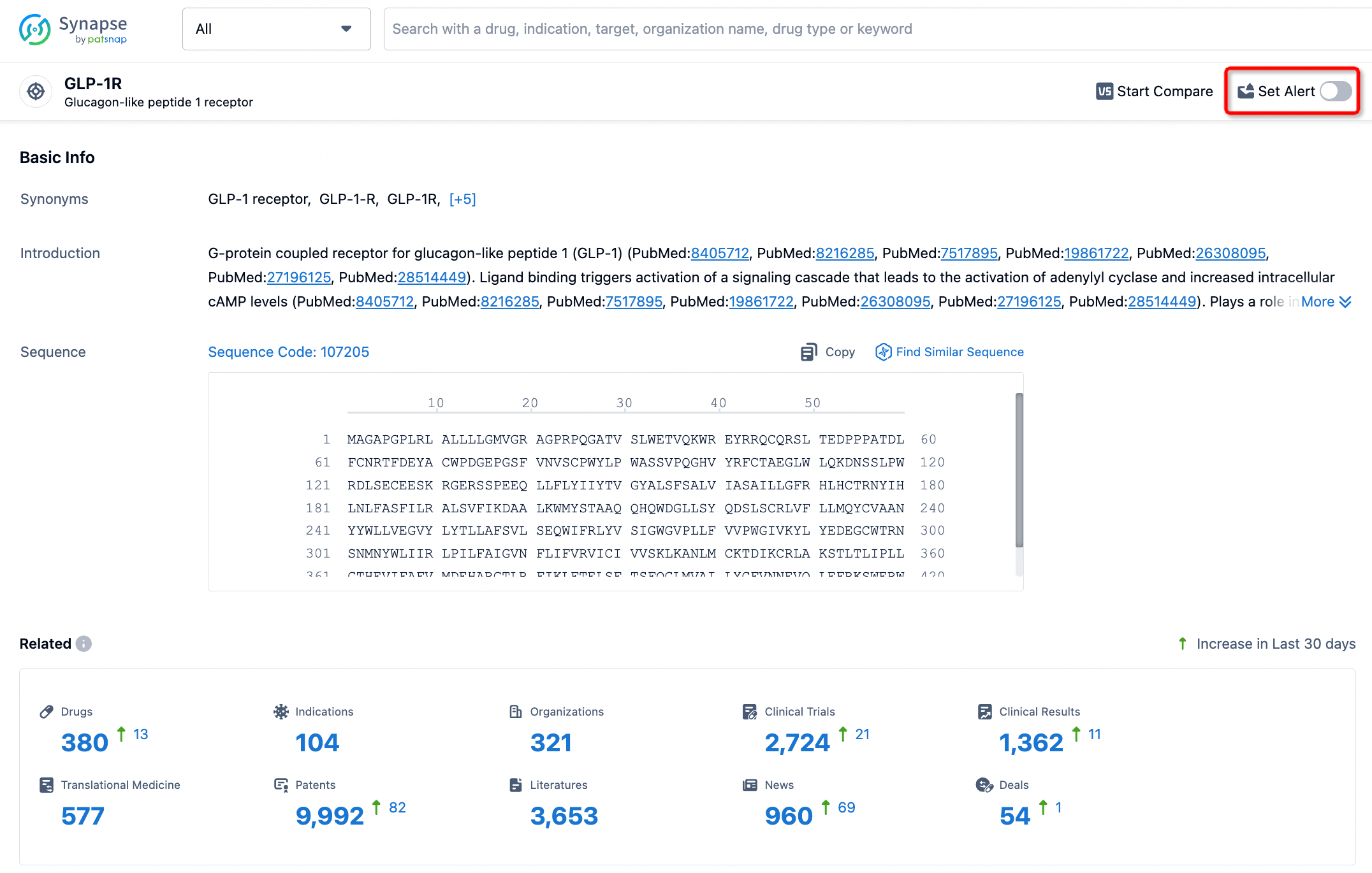
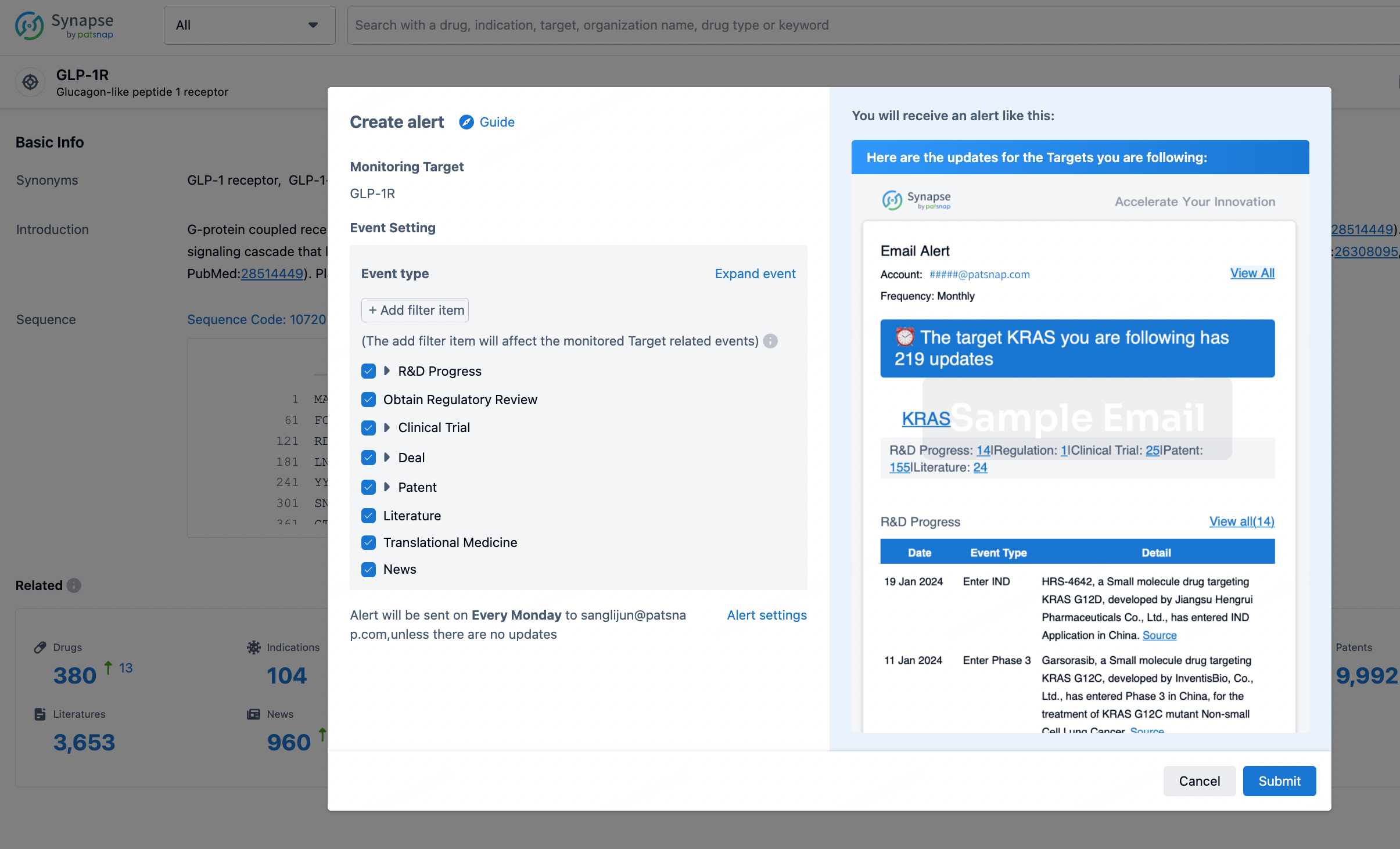
In the Synapse database, you can stay updated on the latest research and development advances of all targets. This service is accessible anytime and anywhere, with updates available daily or weekly. Use the "Set Alert" function to stay informed. Click on the image below to embark on a brand new journey of drug discovery!
AI Agents Built for Biopharma Breakthroughs
Accelerate discovery. Empower decisions. Transform outcomes.
Get started for free today!
Accelerate Strategic R&D decision making with Synapse, PatSnap’s AI-powered Connected Innovation Intelligence Platform Built for Life Sciences Professionals.
Start your data trial now!
Synapse data is also accessible to external entities via APIs or data packages. Empower better decisions with the latest in pharmaceutical intelligence.